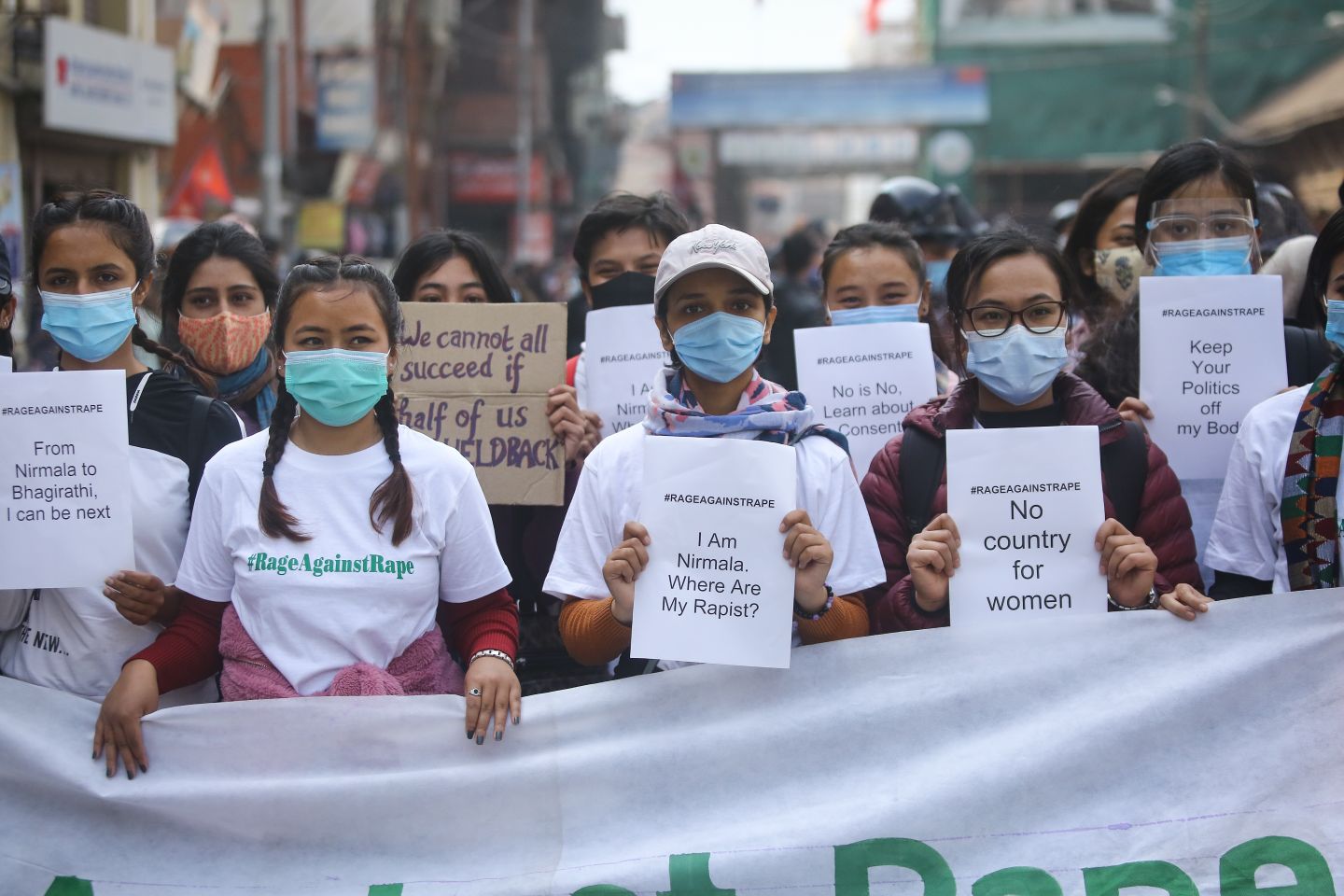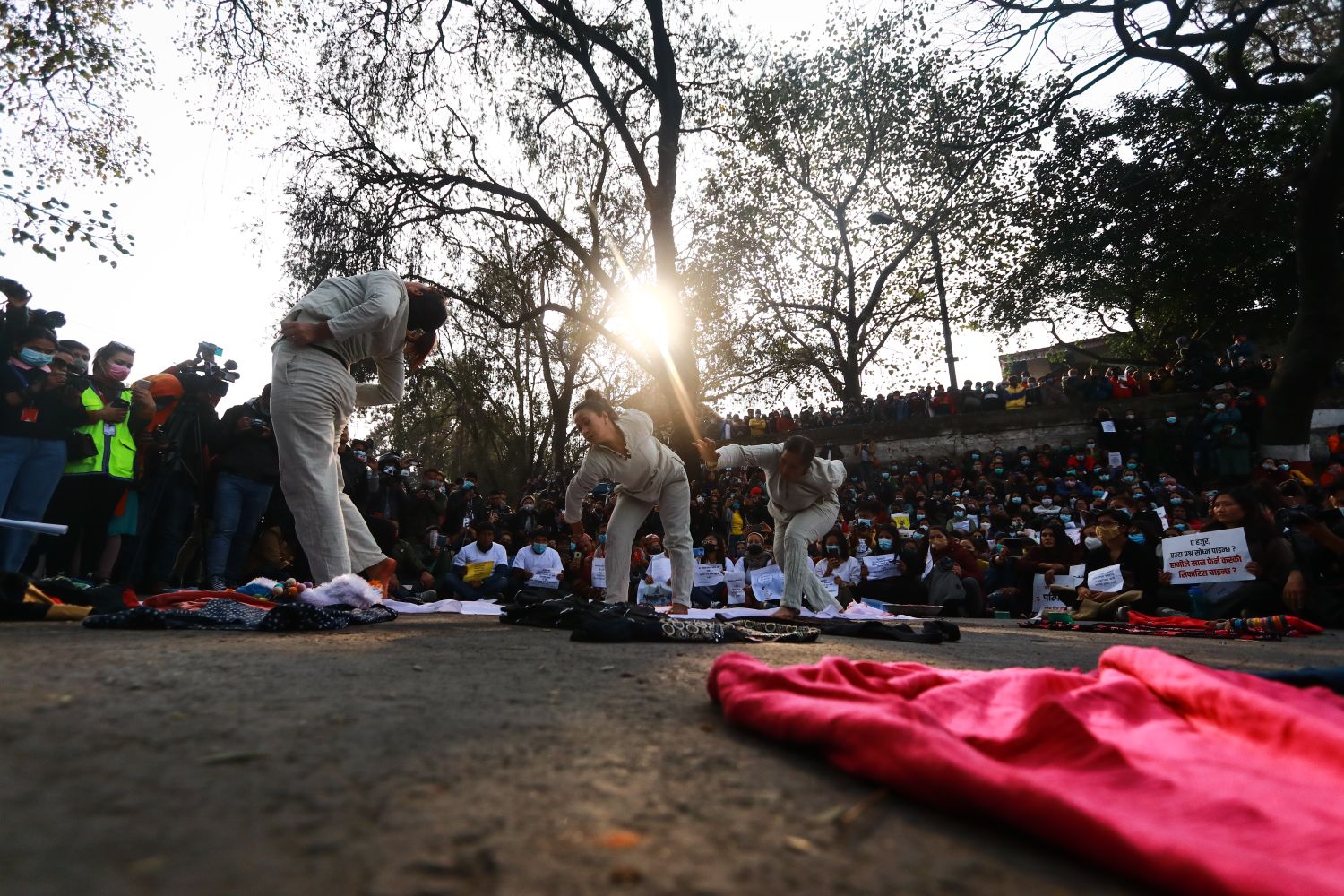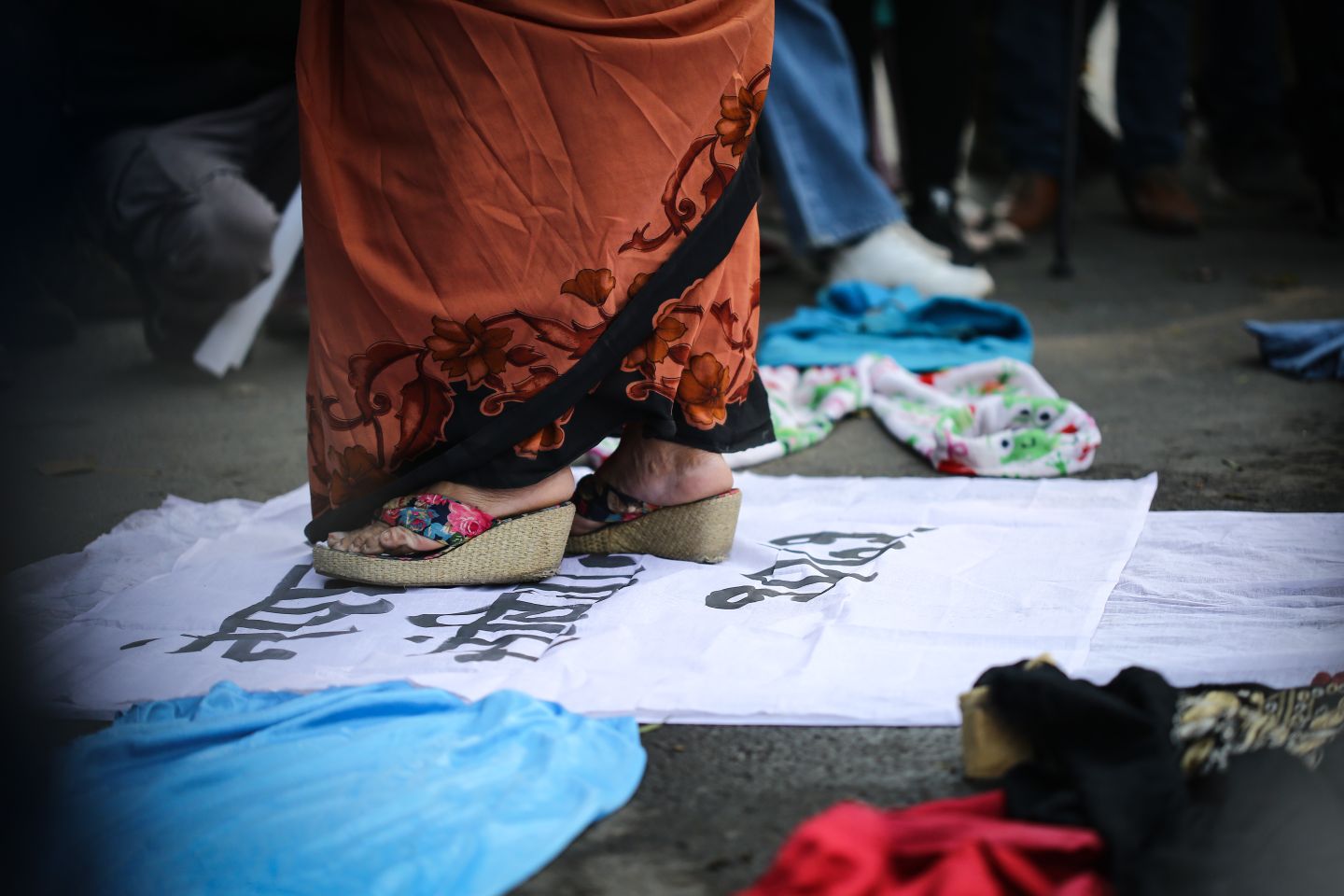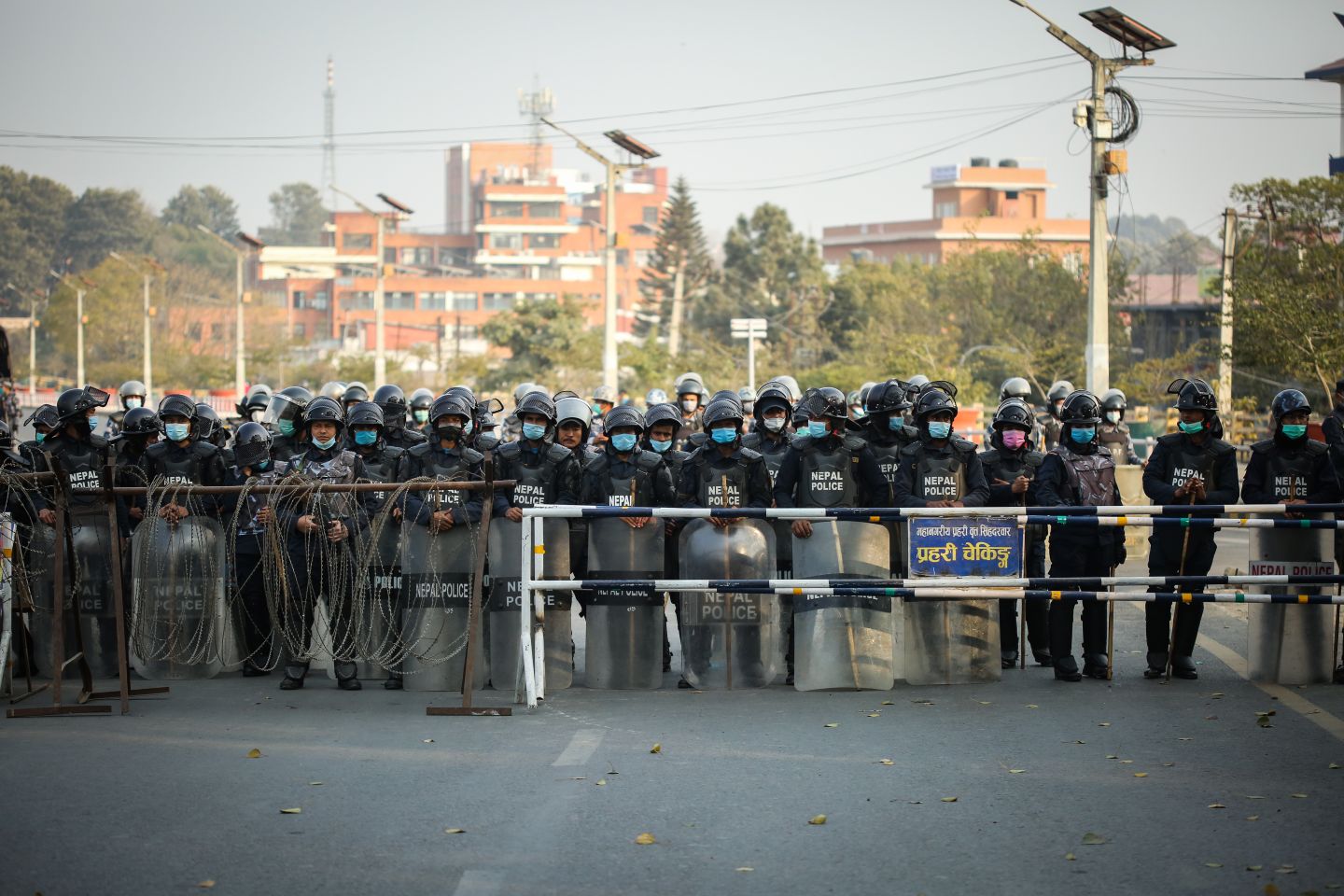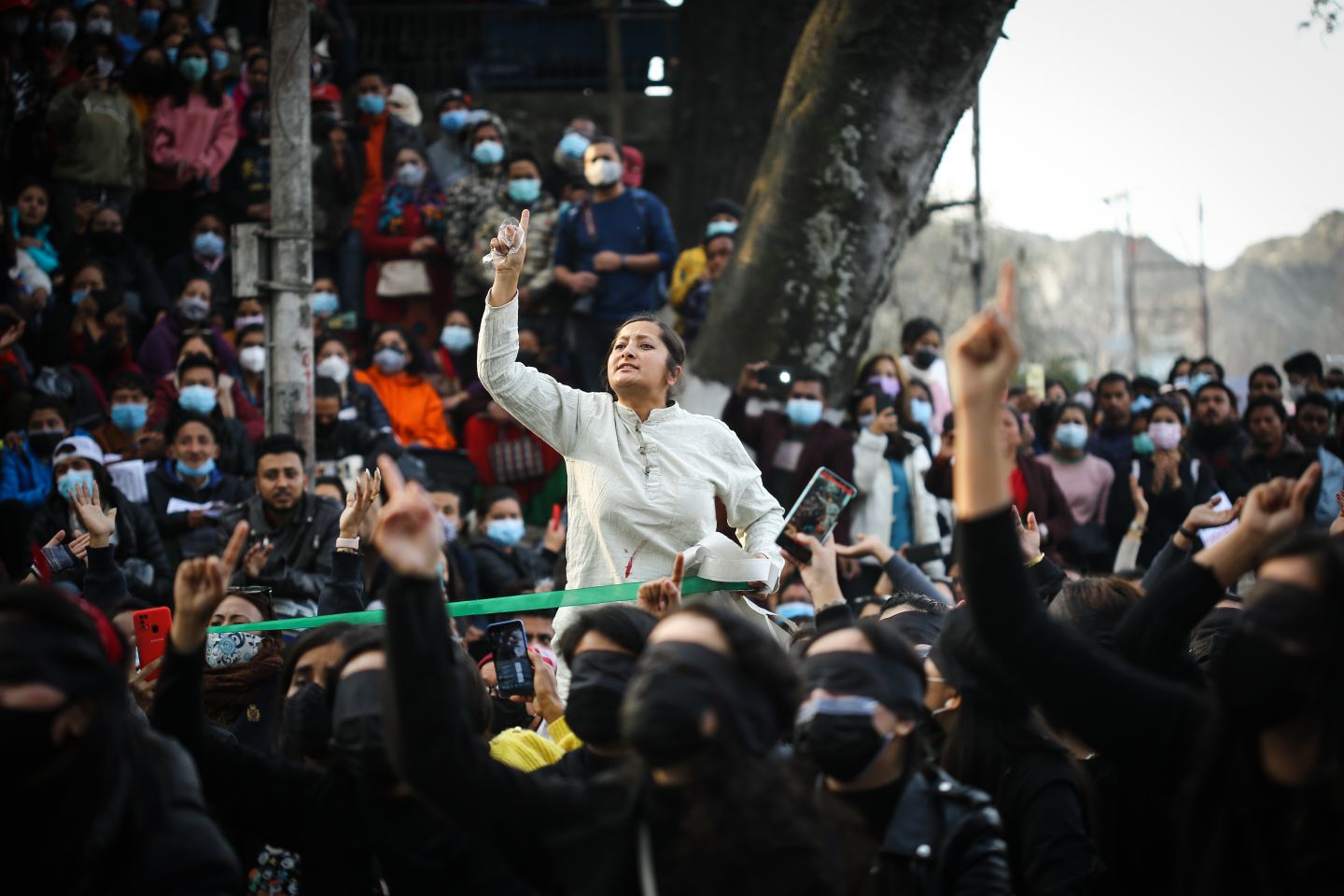
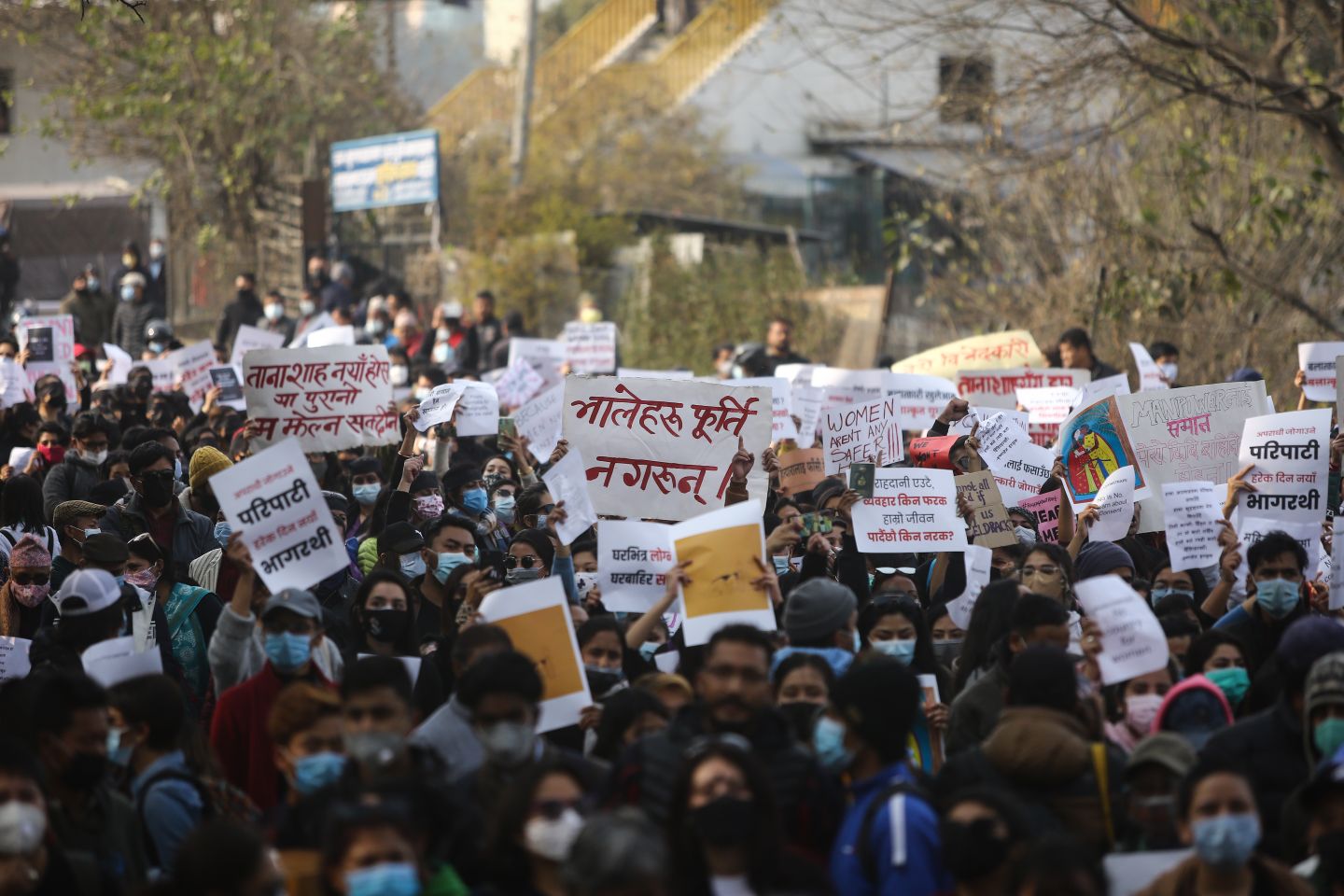
Protests against the recent government proposal requiring women to have permission from the male members of their families and local governments to travel abroad continued on Friday with a march towards Singha Darbar.
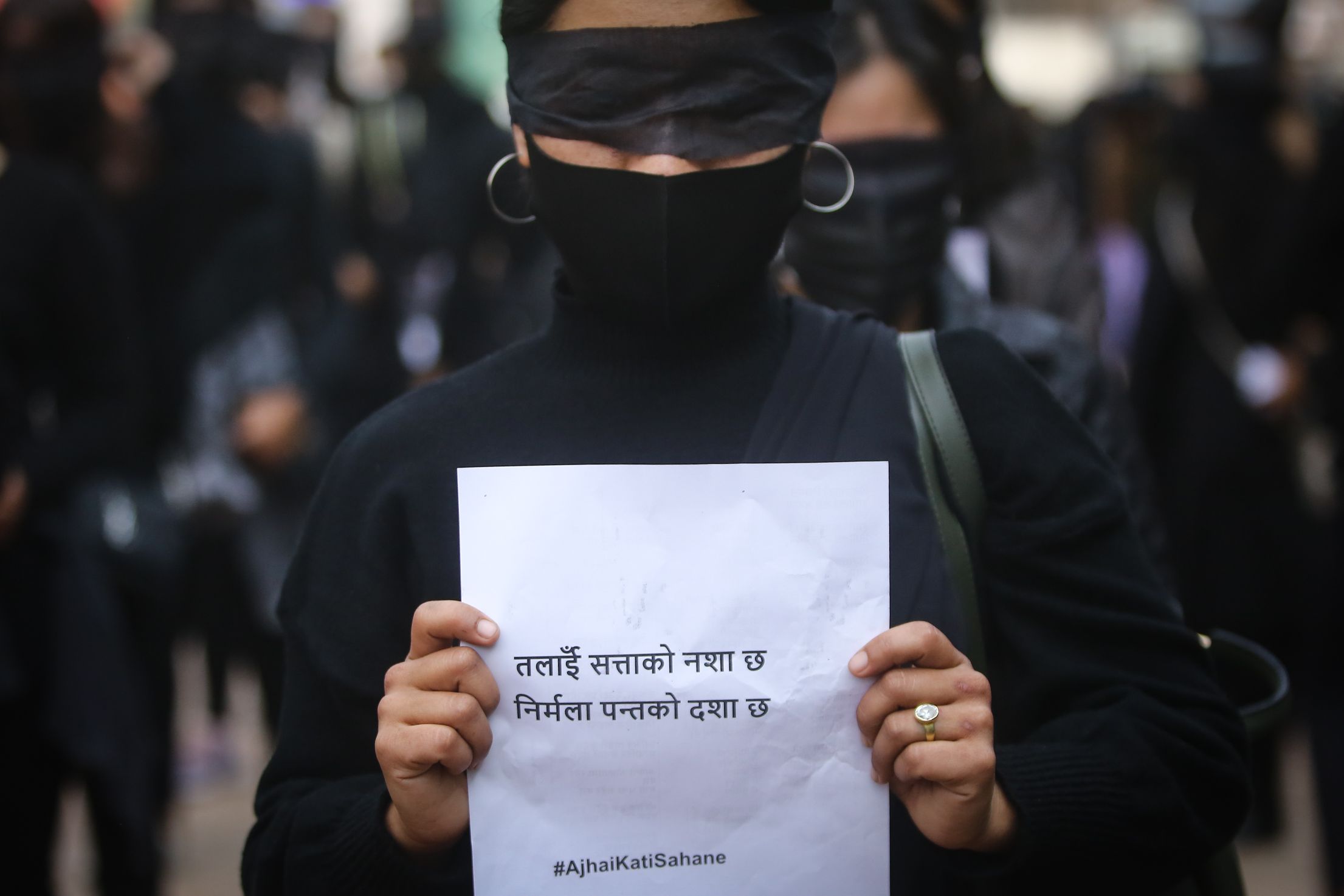
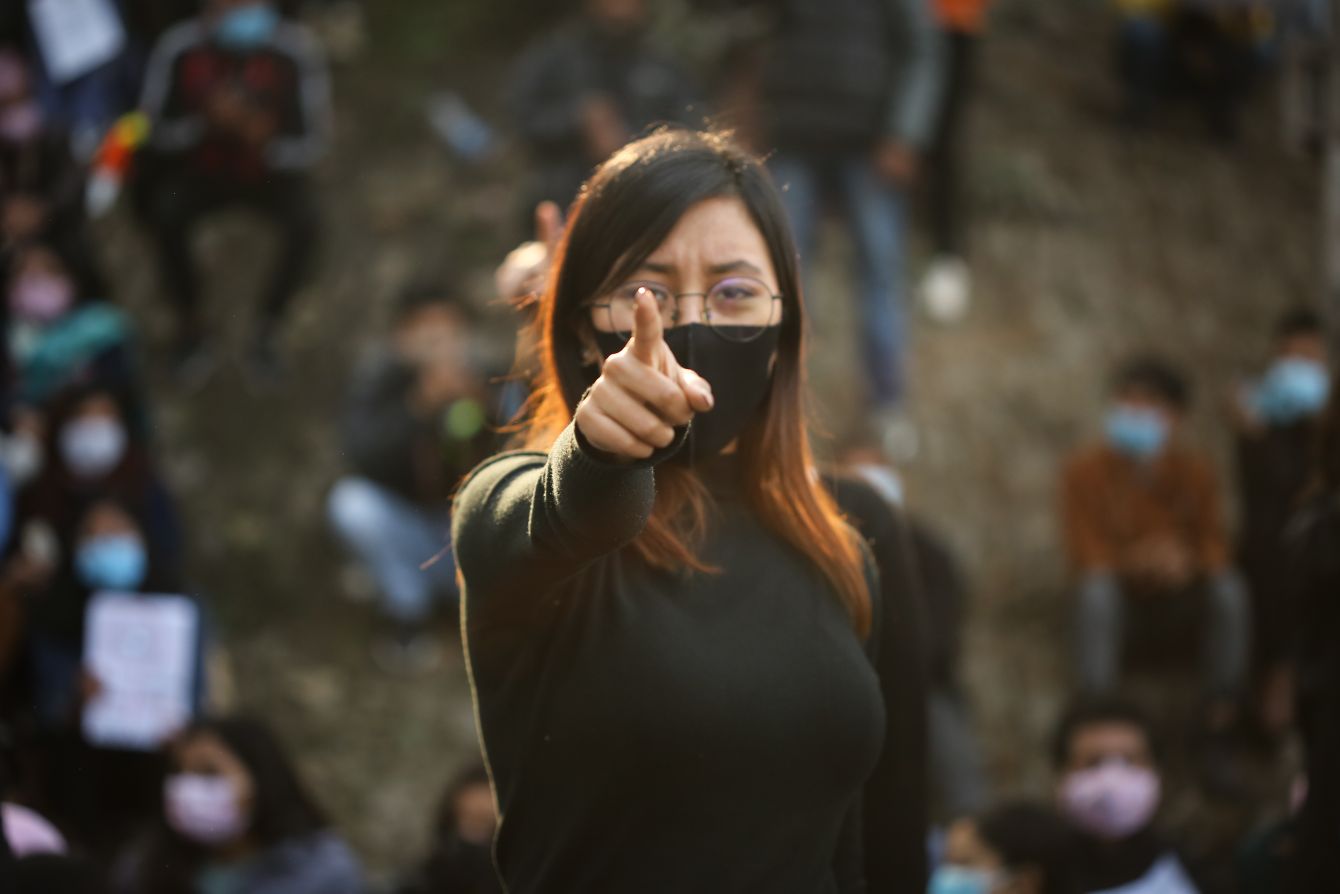
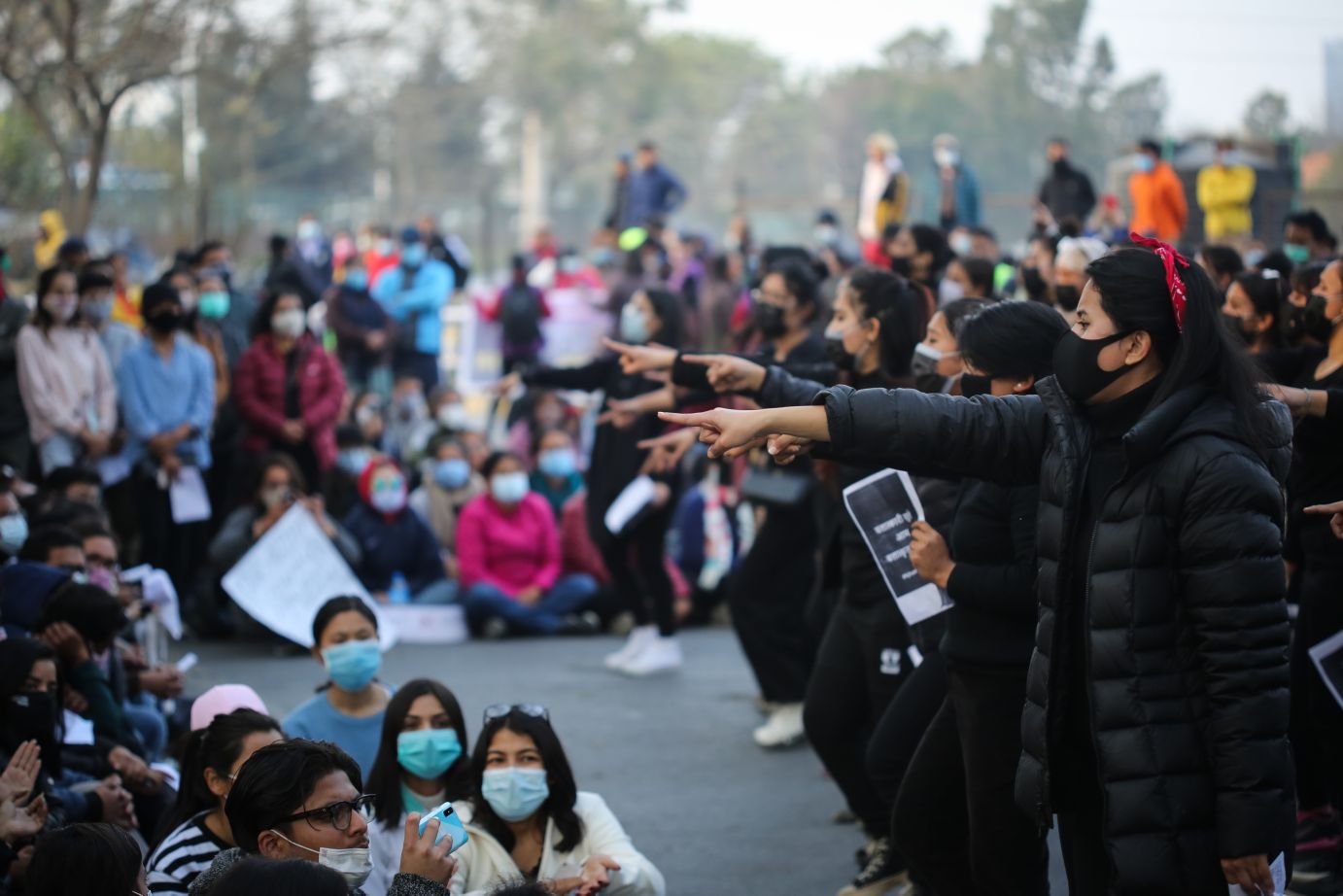
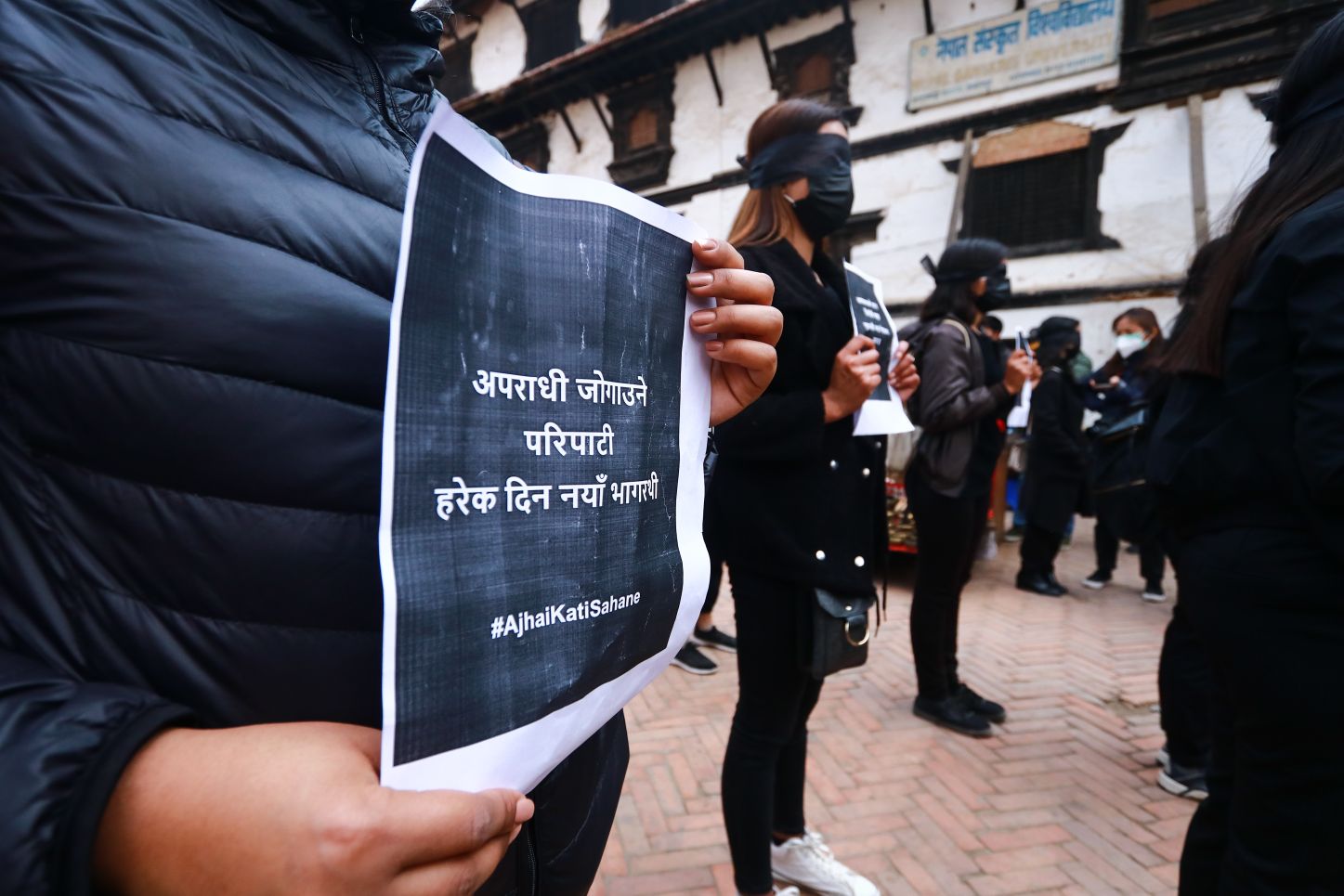
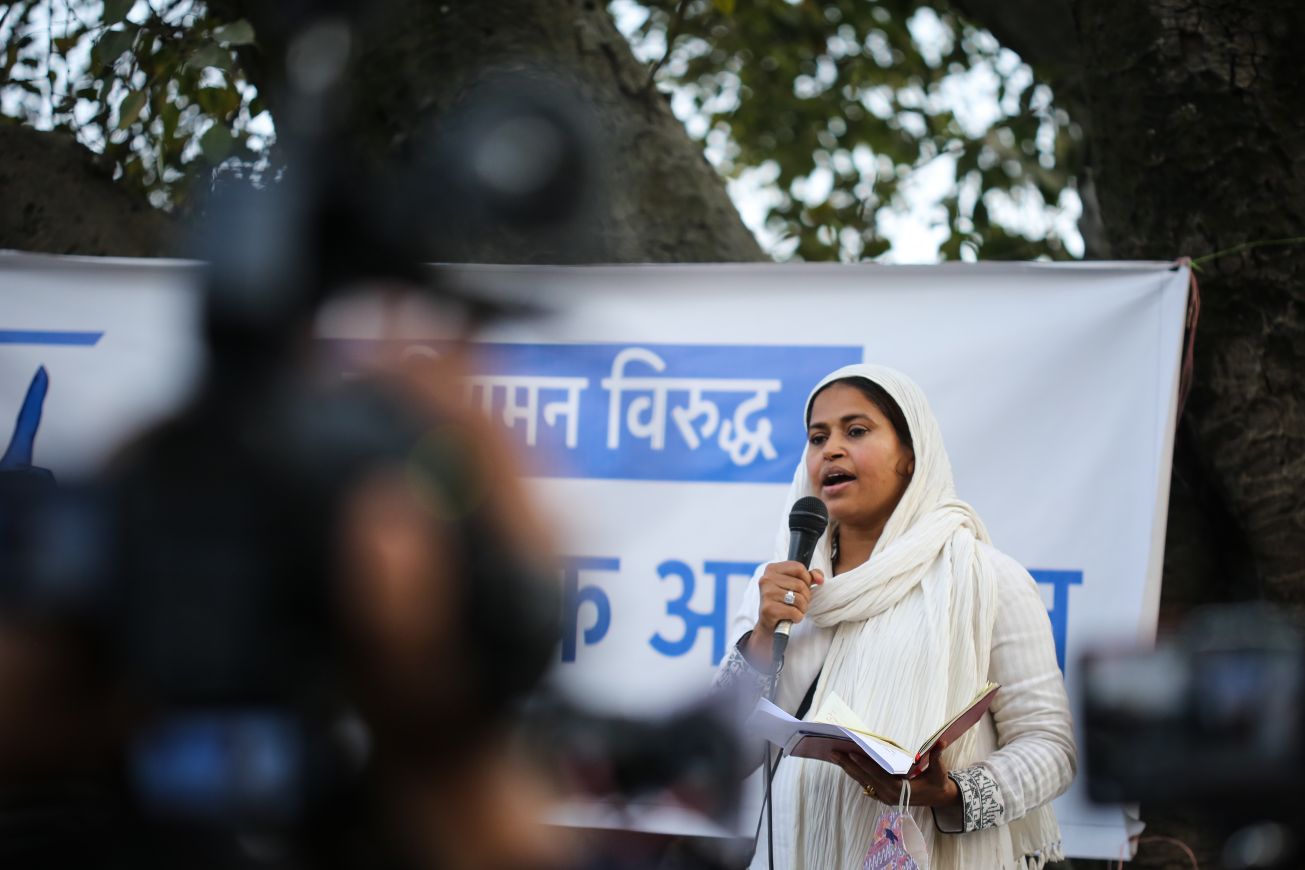
Friday’s rally was organised by various groups with protestors, many of them wearing black, raising slogans against proposed travel restrictions on women, and a spate of rapes across the country in which perpetrators have gone unpunished.
“The government’s protectionist approach denies women their agency. This is unacceptable,” said human rights activist, Pranika Koyu. “And this is not the first time the Nepal Government has done it.”
In 1985, the Foreign Employment Act prohibited recruiters from providing jobs to women without the consent of guardians. In 1988, the Act was amended to include permission from guardians as well as the government.
“In the past, they restricted women to travel for work, saying it curtailed children’s right to care from their mother, as though fathers have no responsibility towards their children. Women’s involvement in the economy feeds the family and reduces state responsibility. And the latest move, even after the clarification they have given, insults women’s contribution,” said Koyu.
The Department of Immigration issued a press release after widespread condemnation on social media, clarifying that the provision of women needing permission was only applicable to those travelling alone for the first time to the Gulf or Africa. But that did not satisfy protestors, who said the government had only ‘backtracked’ in the face of opposition, and in any case it violated a woman's right to travel freely. The proposed rule was viewed as pushing the women who are already in vulnerable positions, into worse circumstances.
"My vagina will vote you out," said Hima Bista, who was addressing Friday's rally.
The government of Prime Minister K P Oli, already cornered after the split within the ruling Nepal Communist Party (NCP), appears now to have antagonised the public further with the latest proposal on the travel restriction for women, and inaction on rape cases.
Last week, a 17-year-old girl was raped in Baitadi, reminiscent of another rape case of Nirmala Panta in 2018, where government failed to make arrests.
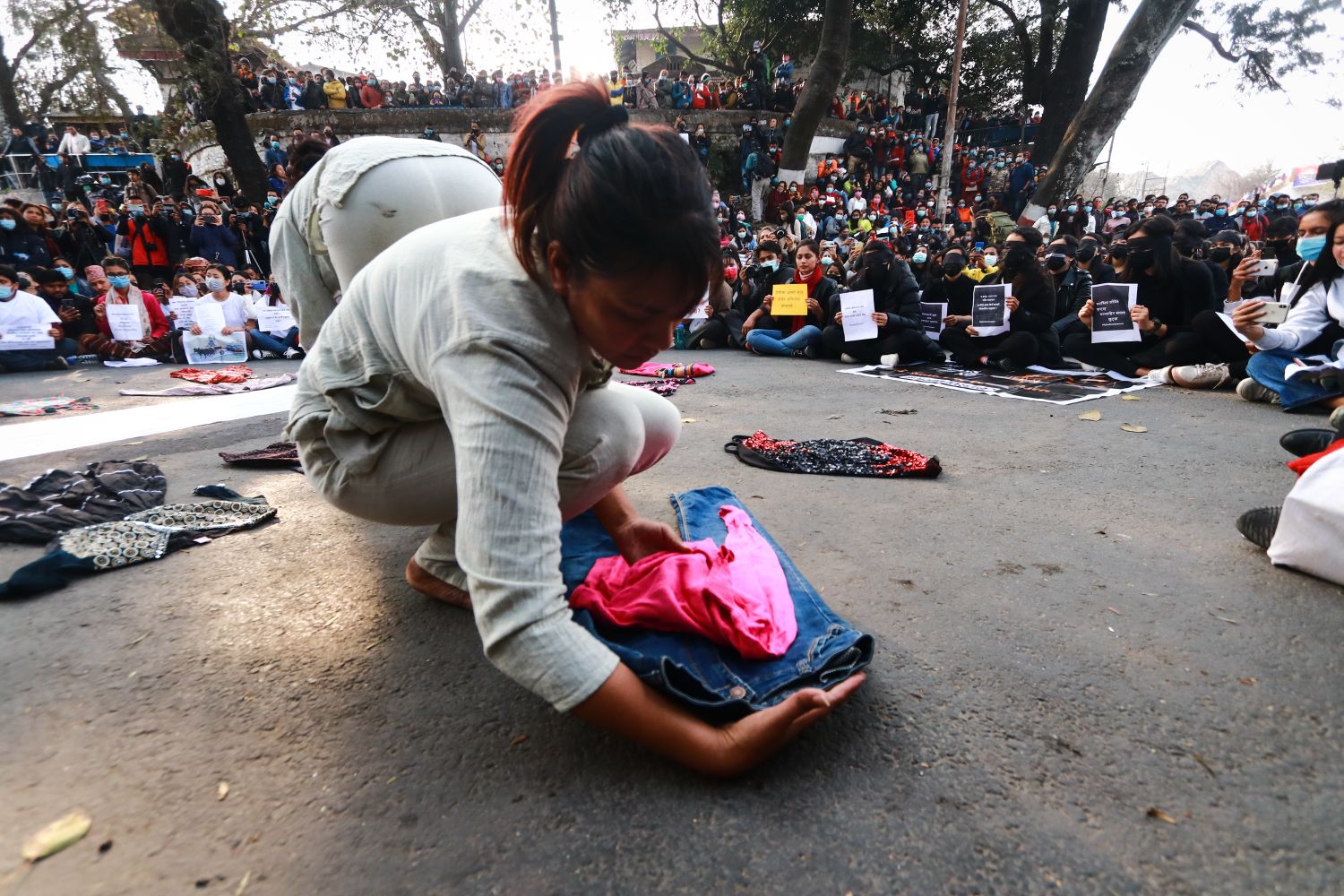
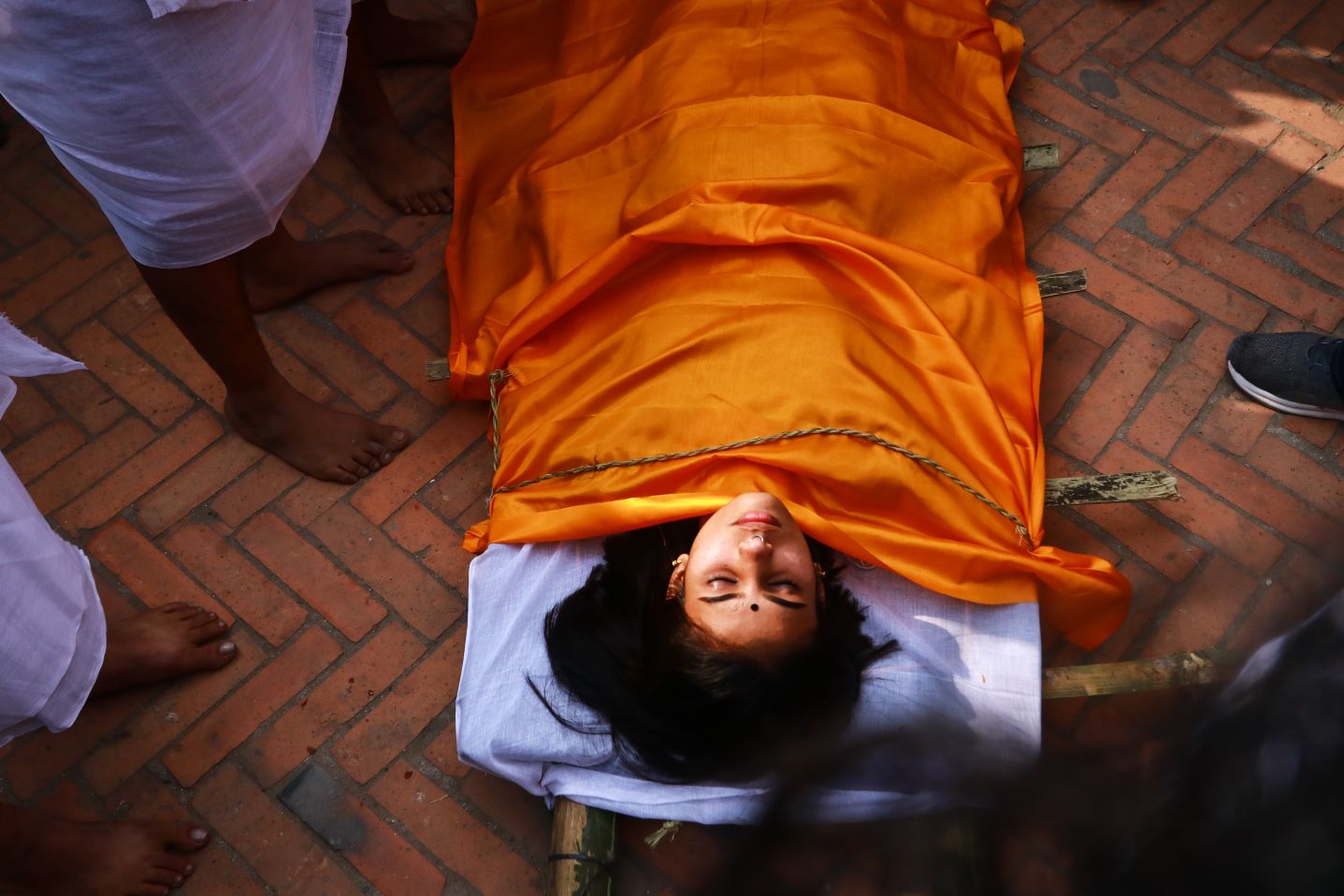
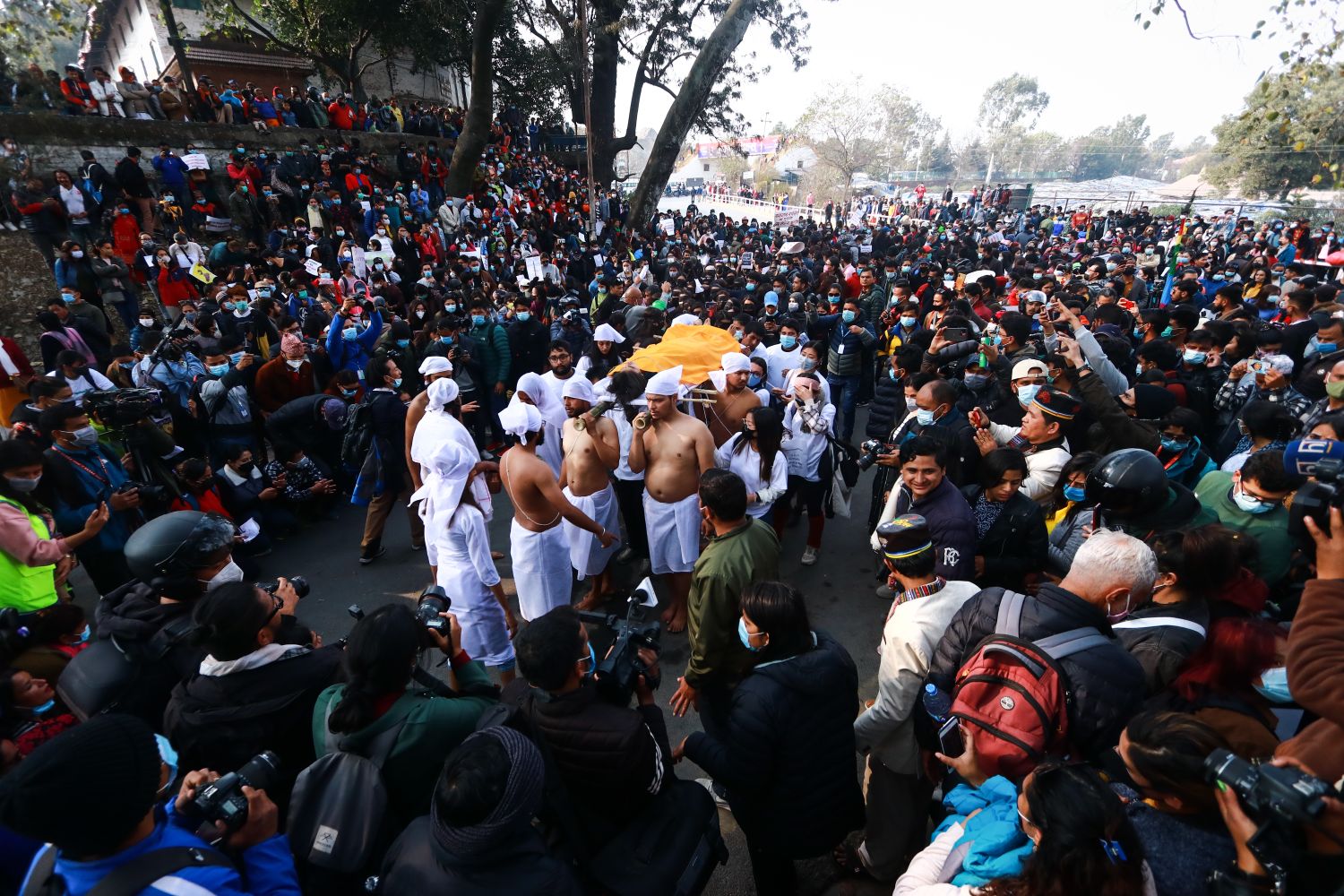
“It is always women and the gender minority that the government has failed,” said writer Anbika Giri, who was at the protest in Basantapur. “We worked so hard to get a constitution, and so many people died in this country. The constitution is in crisis now. It wasn’t like things were great before KP Oli dissolved the parliament, either. But, I’m here to protest because the unfair laws against women need to be rewritten and the parliament has to be reinstated.”