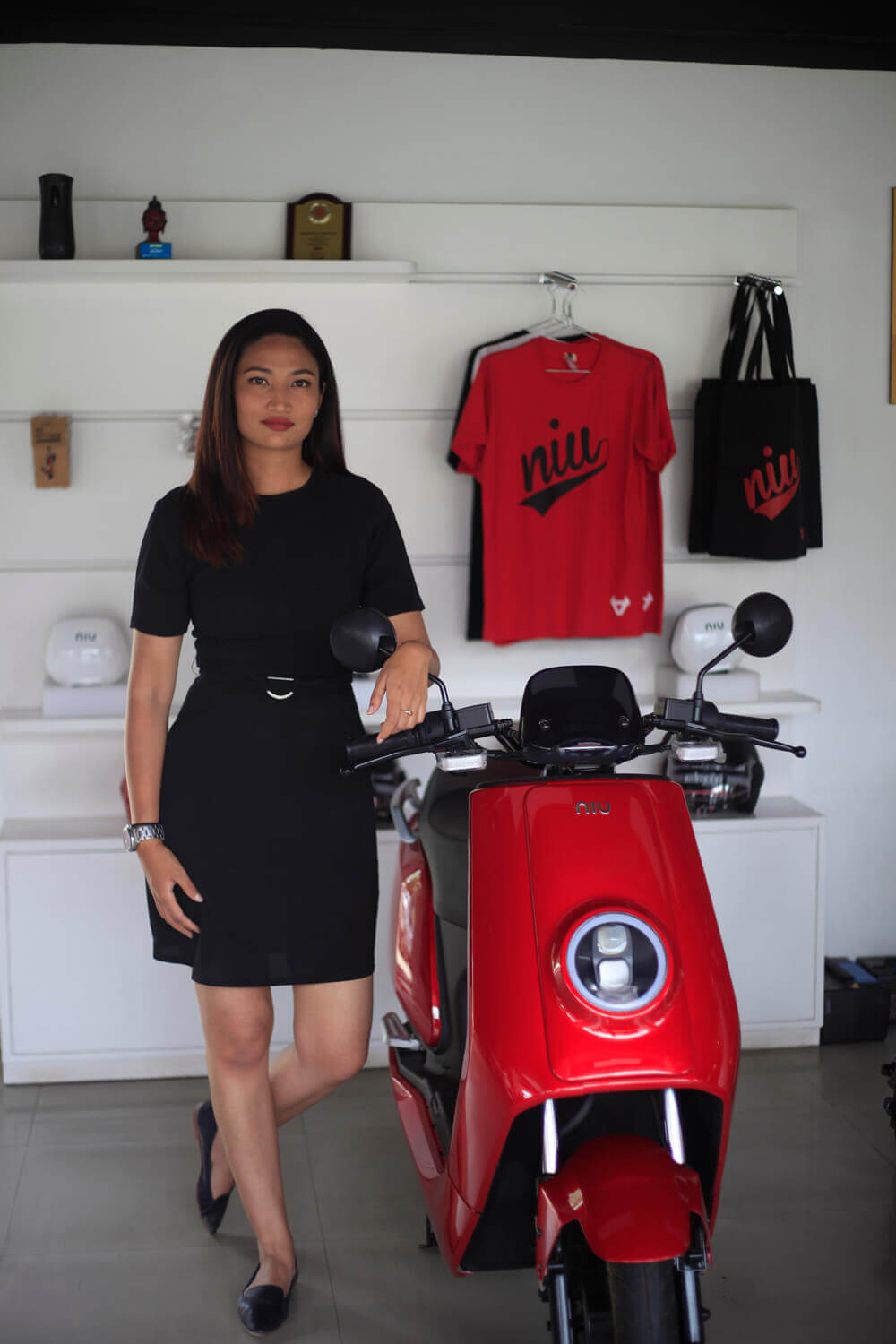
Despite an initial lukewarm response, sales of electric two-wheelers have spiked in Kathmandu as commuters realise that their initial and running cost is much lower than petrol motorcycles.
If this trend continues, the shift from petrol bikes to battery-powered two-wheelers will help clean up Kathmandu’s air pollution. Today, the more than 800,000 two-wheelers in the Valley are the main contributors of poisonous gases like carbon monoxide, hydrocarbons, nitrous oxides and ozone.
Read also:
Plug-ins, Sanghamitra Subba
Fully Charged, Nepali Times
These gases, combined with particulate matter from the exhaust pipes of motorcycles, account for most of our air pollution. People living along busy roads and commuters with long-term exposure to these pollutants can have their life expectancy reduced by up to four years. In addition, motorcycles raise the noise level on city roads to dangerous levels.
A shift to electric two-wheelers would also reduce Nepal’s dependence on imported petroleum. Indeed, electric scooter sales first picked up in the aftermath of the Indian Blockade in 2015, but once petrol was available again, sales tapered off.
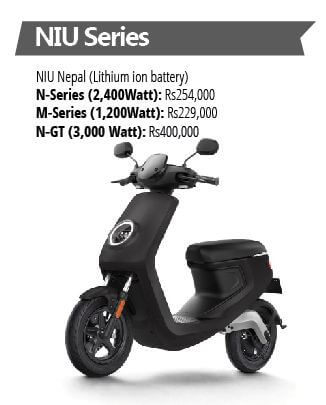
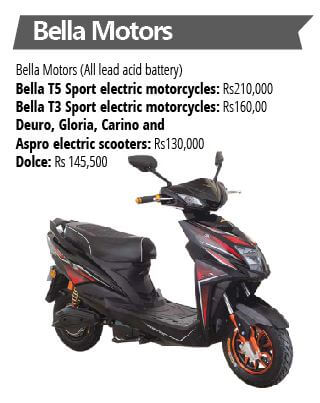
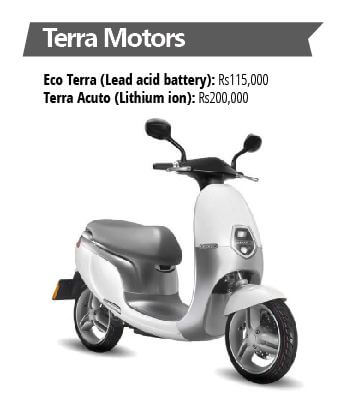
“For a long time we had difficulty convincing customers to switch from petrol to electric scooters, but with tax breaks for battery vehicles, there has been an upsurge in people buying electric in the recent months,” explains Subash Acharya of Bella Motors. With India committed to banning petrol two-wheelers by 2025 and China manufacturing only electric vehicles by 2030, Nepalis will have no choice but to buy electric, he adds.
It is now compulsory for electric two-wheelers in Nepal to be registered and their drivers need a license. However, customers now only pay 24% vehicle tax, the annual tax has been waived, and there is a 50% rebate on road improvement tax. Owners of e-bikes and e-scooters pay only Rs125 to renew their bluebook compared to Rs2,500 for petrol two-wheelers.