
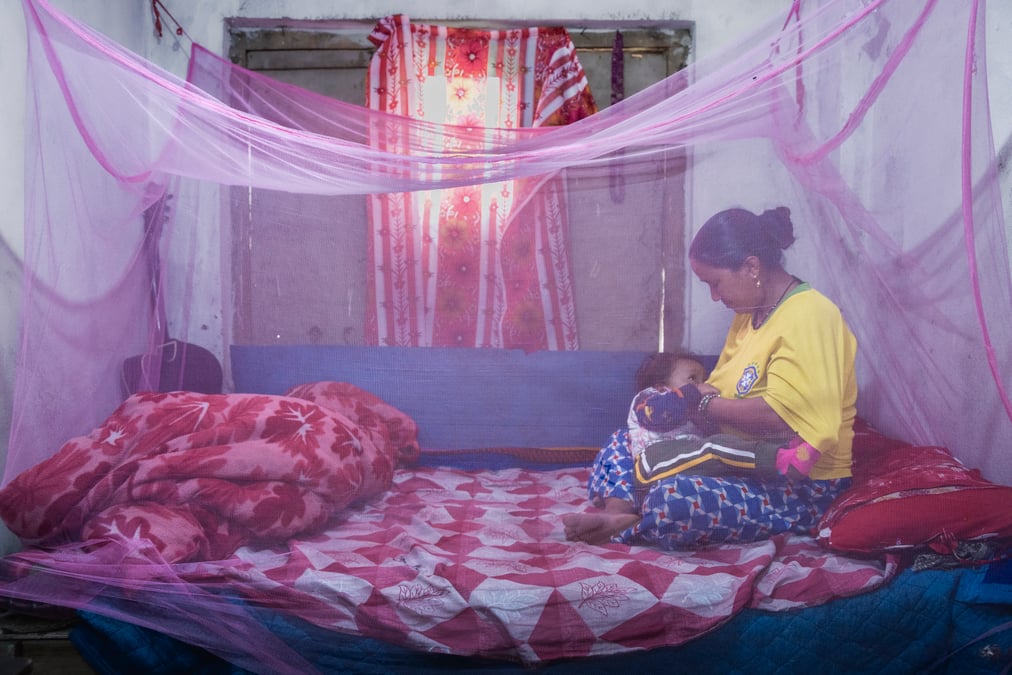
Nepal is experiencing a worrying spread of dengue fever higher up into Himalayan valleys where the mosquito-borne disease was unknown until a few years ago.
In 2025, 15 of the country’s 16 high-altitude districts reported infections, marking an unprecedented ascent of the vector and virus over 2,400m. A Tribhuvan University study has confirmed the presence of Aedes aegypti and Aedes albopictus mosquitoes and their larvae, in Jumla (2,438m).
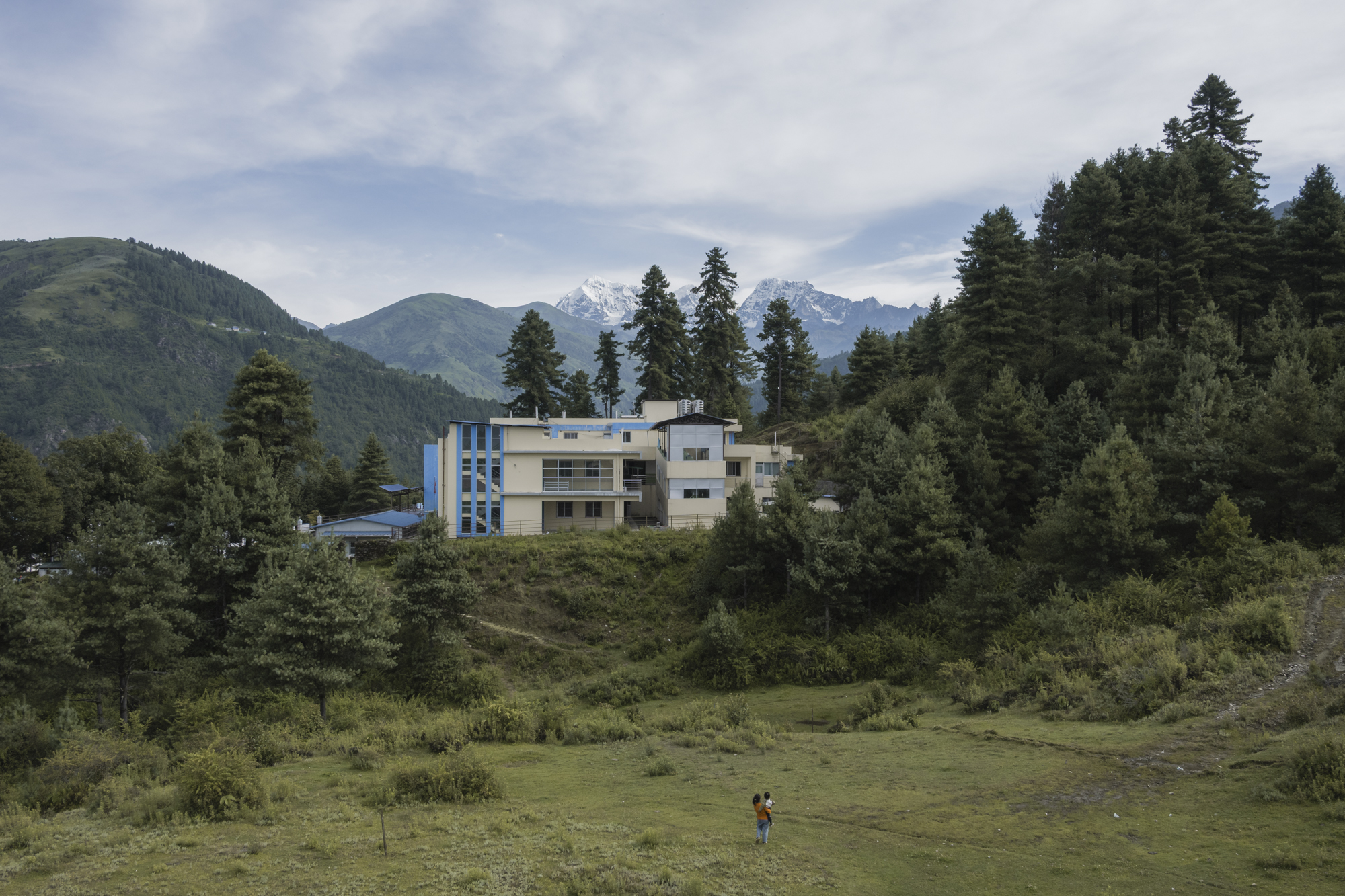
In Solu Khumbu district, no systematic scientific research has yet been conducted, but dengue cases have been reported in patients without travel history, suggesting the presence of vectors at the base of Mt Everest as well.
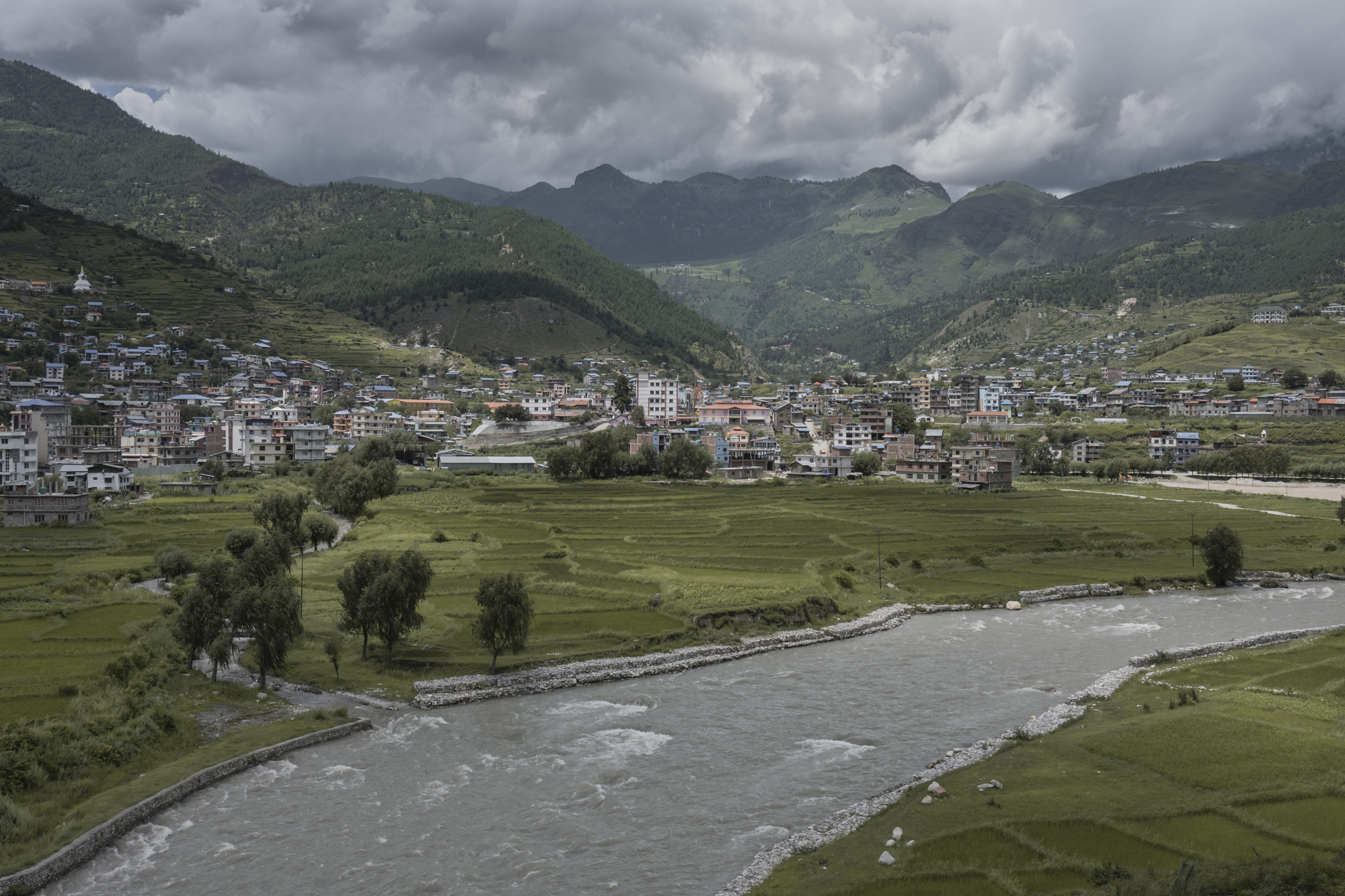
Until recently, Aedes mosquitoes had only been detected up to 2,100m. Over the past two years, however, dengue has spread across almost the entire country, affecting 76 of Nepal’s 77 districts in 2024 and 2025.
The Epidemiology and Disease Control Division data shows 42,647 people were infected since January 2024, 19 of whom died. But the number of unreported infections is probably much higher.
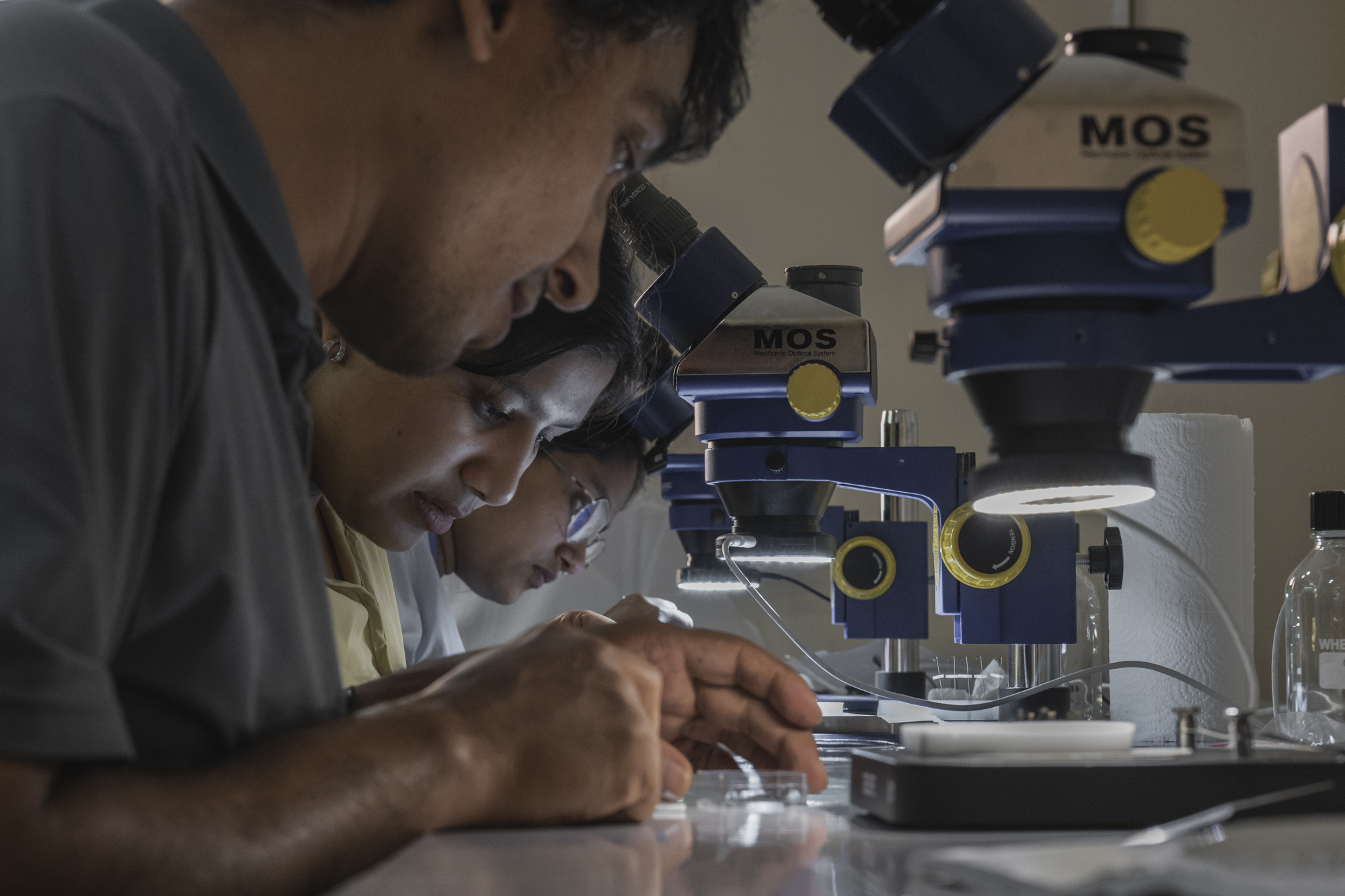
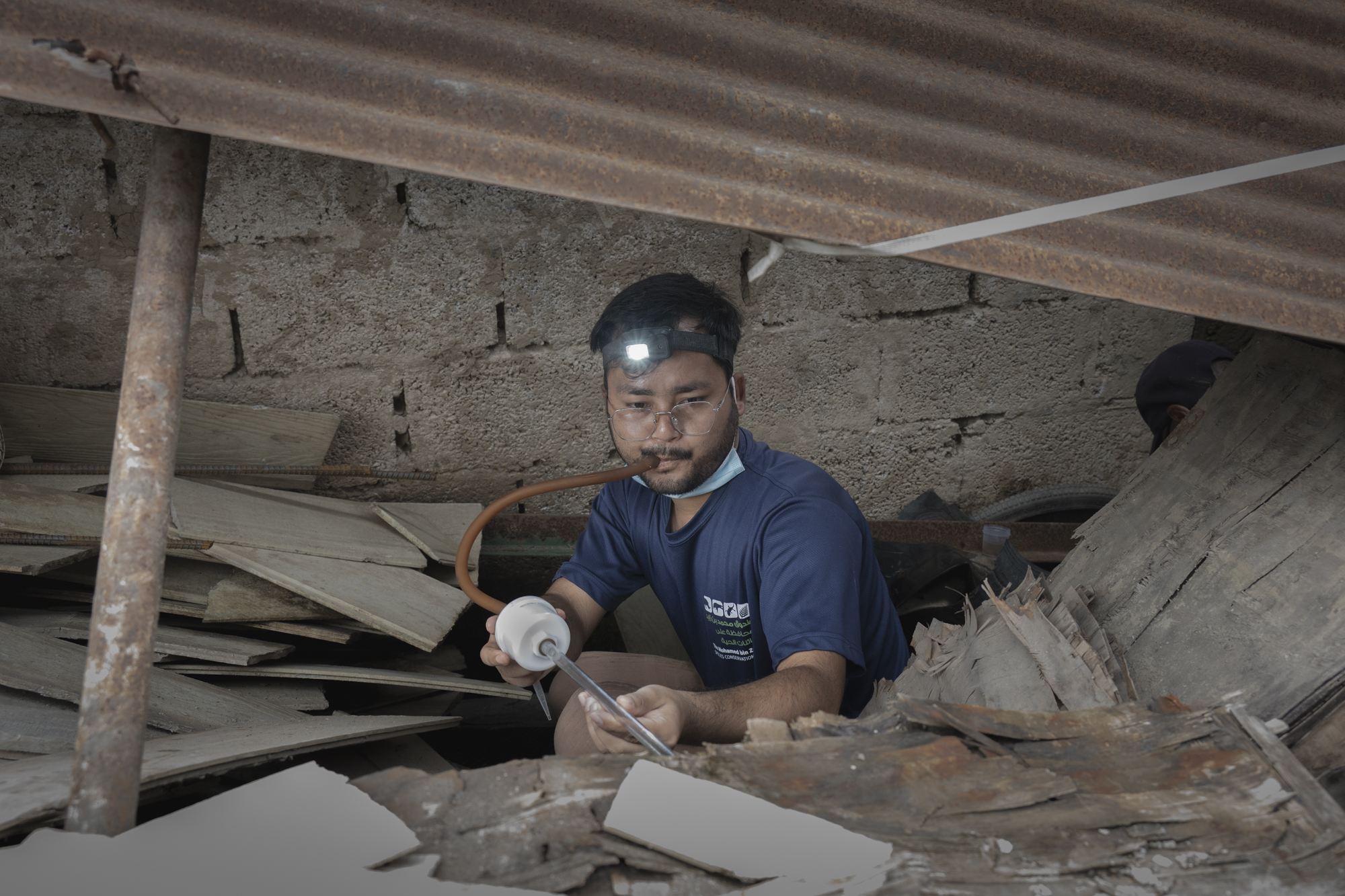
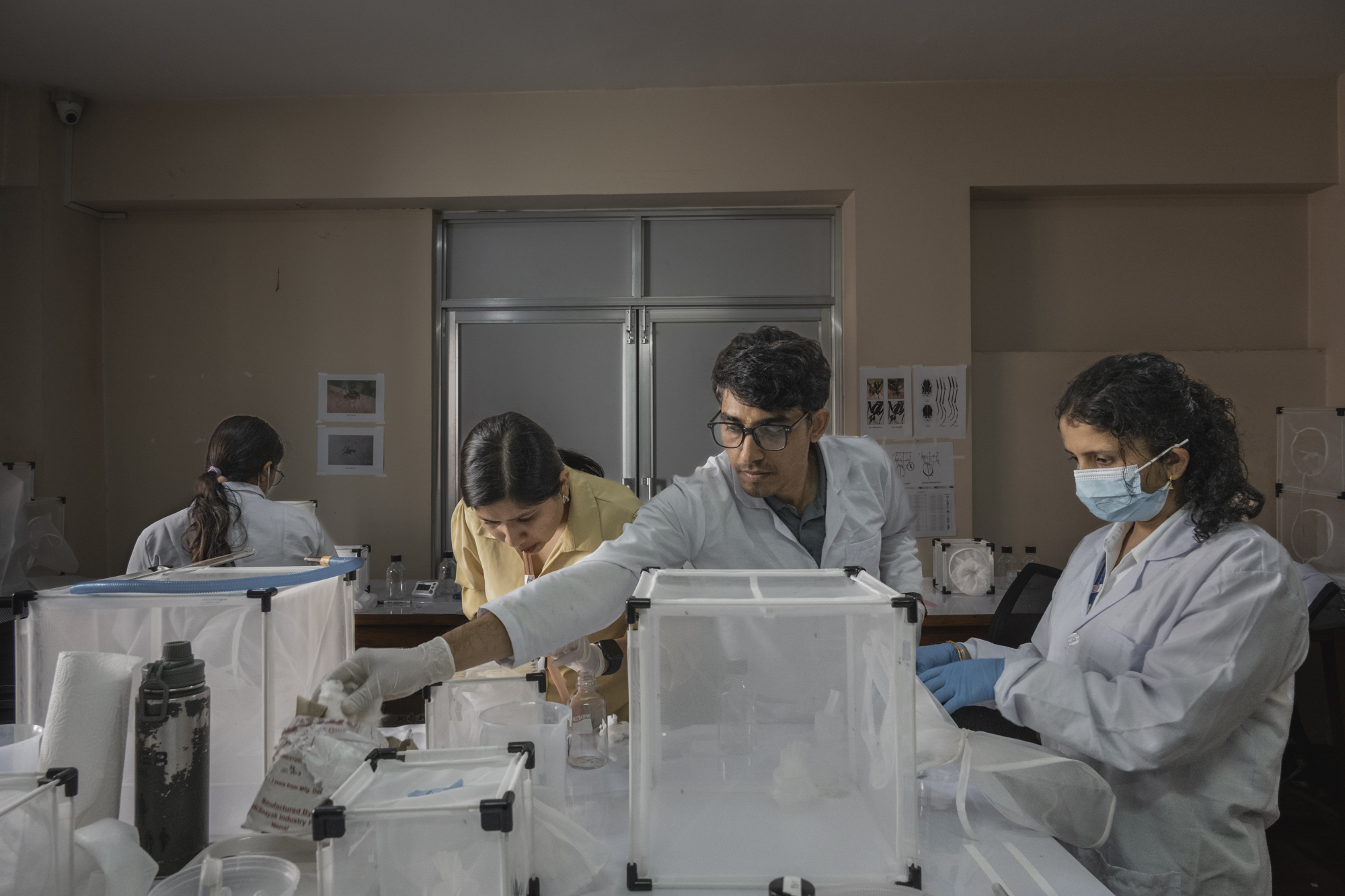
Scientists from the Nepal Health Research Council (NHRC), in collaboration with the Institute of Tropical Medicine in Antwerp, collected mosquito samples to analyse them and examine how they are adapting to warmer temperatures and resistance to insecticides. The specimens are carefully observed, photographed, and catalogued, allowing researchers to document patterns of survival, distribution, and resistance.
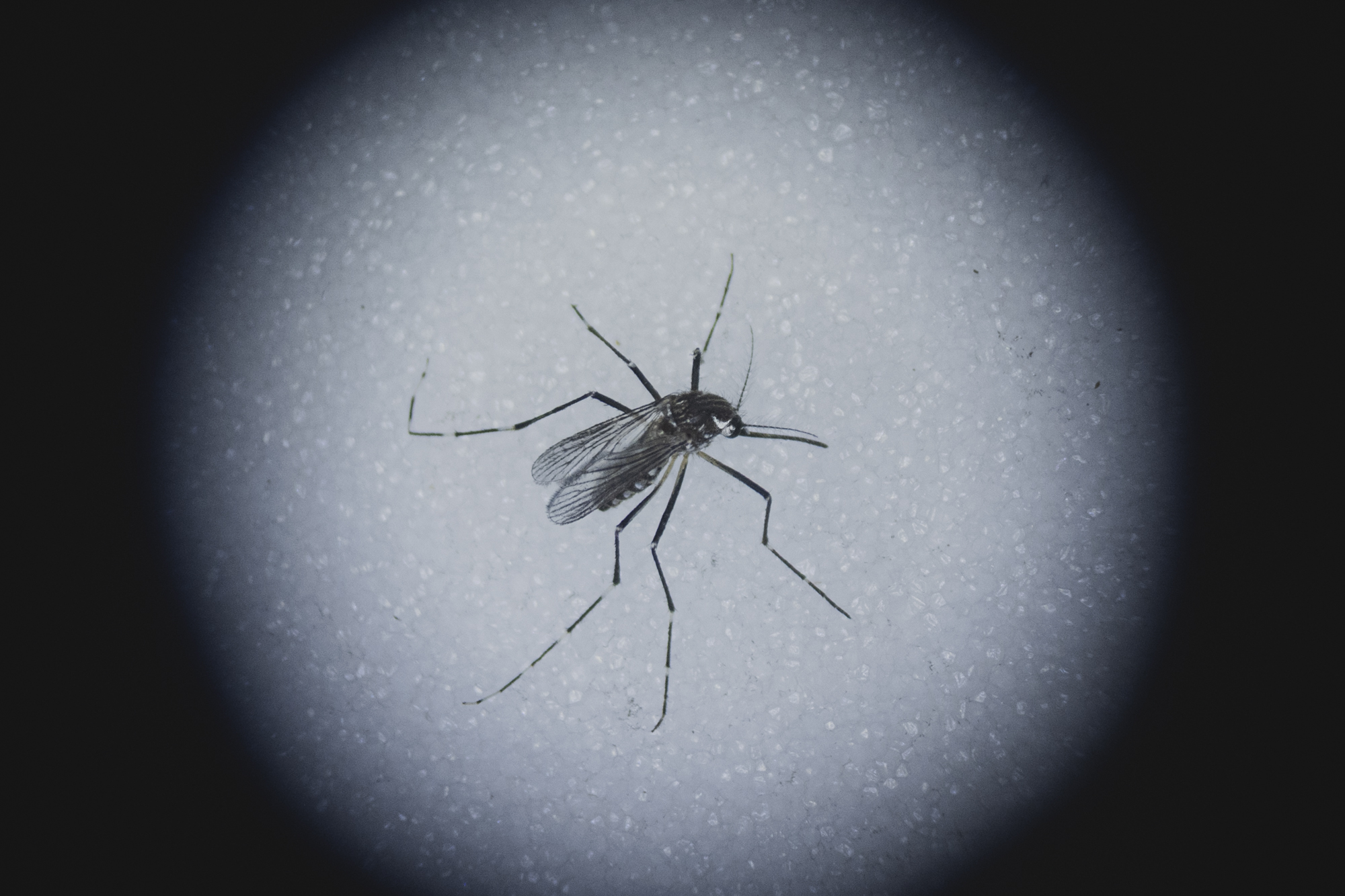
Experts attribute the spread of dengue into Nepal’s mountainous regions primarily to global warming, which creates more favourable conditions for mosquito survival and reproduction, even in areas once considered at low or no risk. The dengue-carrying mosquito mainly bites in the early mornings and evenings when people are out and about.
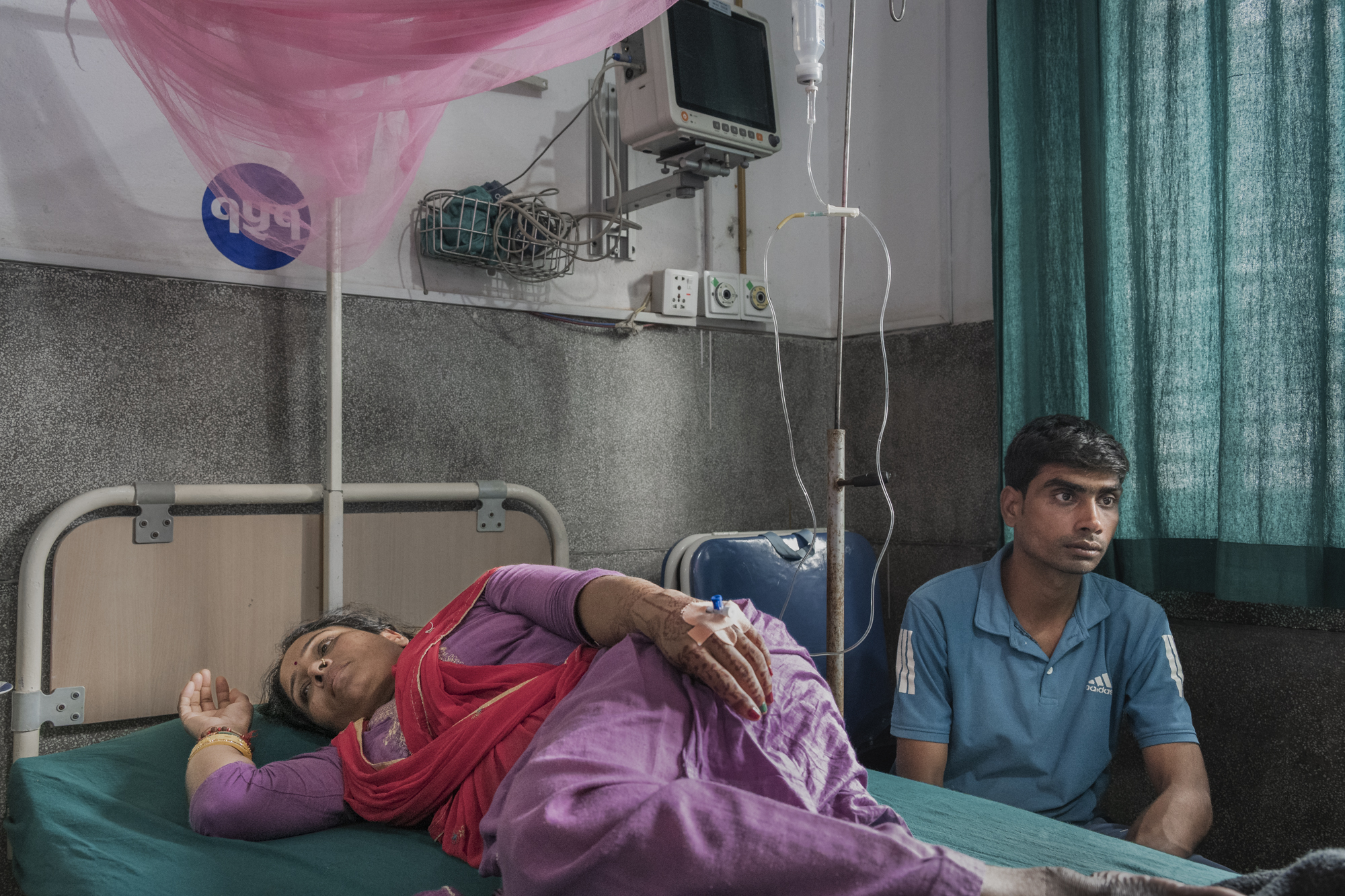
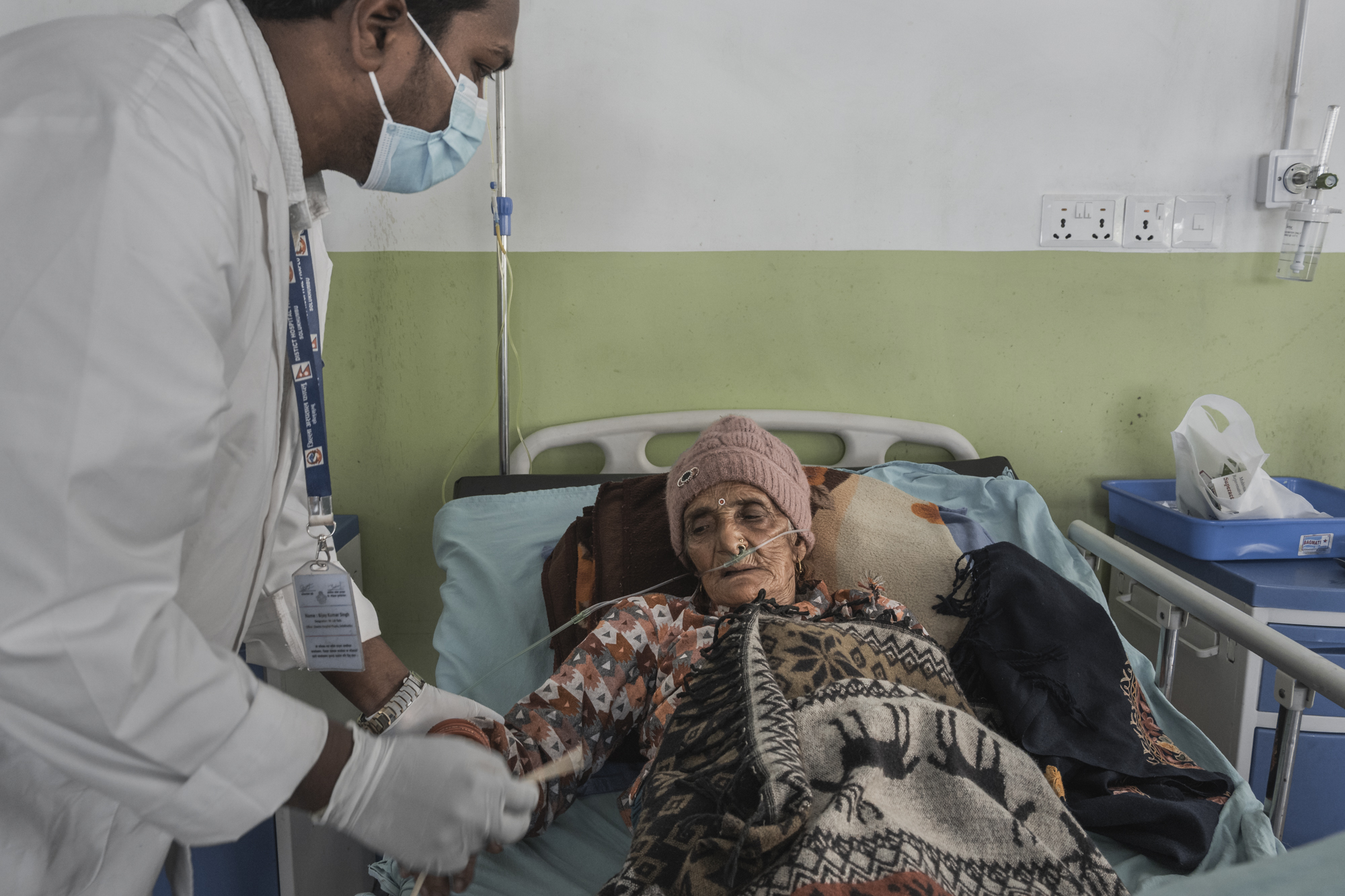
Increased mobility within Nepal with the spreading road network and greater international connectivity have also contributed to circulating the virus. As a result, dengue is reaching Himalayan communities with poor healthcare facilities.
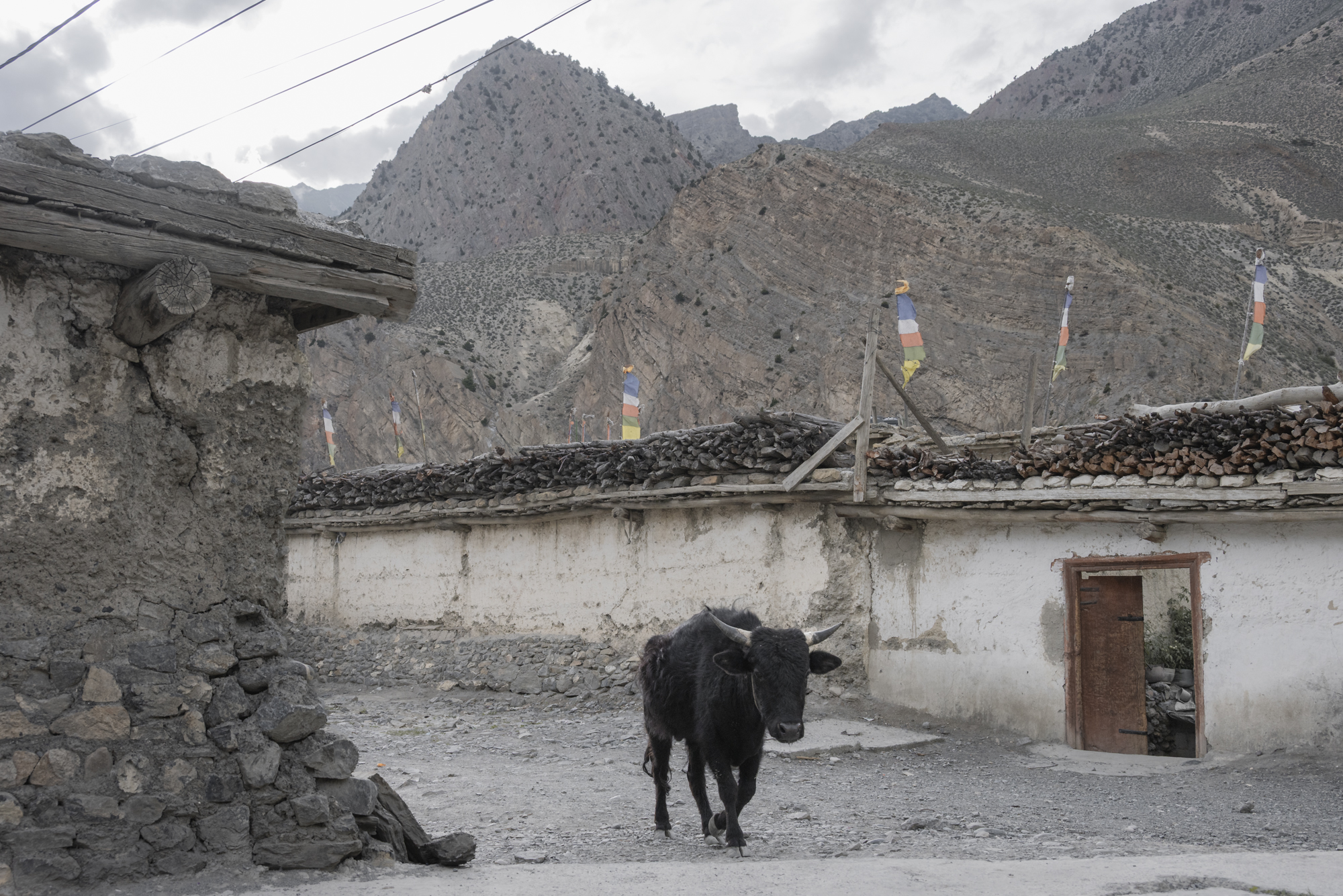
In these remote and hard-to-access areas, many residents continue to rely on traditional Tibetan medicine, known as Sowa Rigpa, practiced by traditional Amchi healers who enjoy strong cultural trust and have long served as key healthcare providers within local communities.

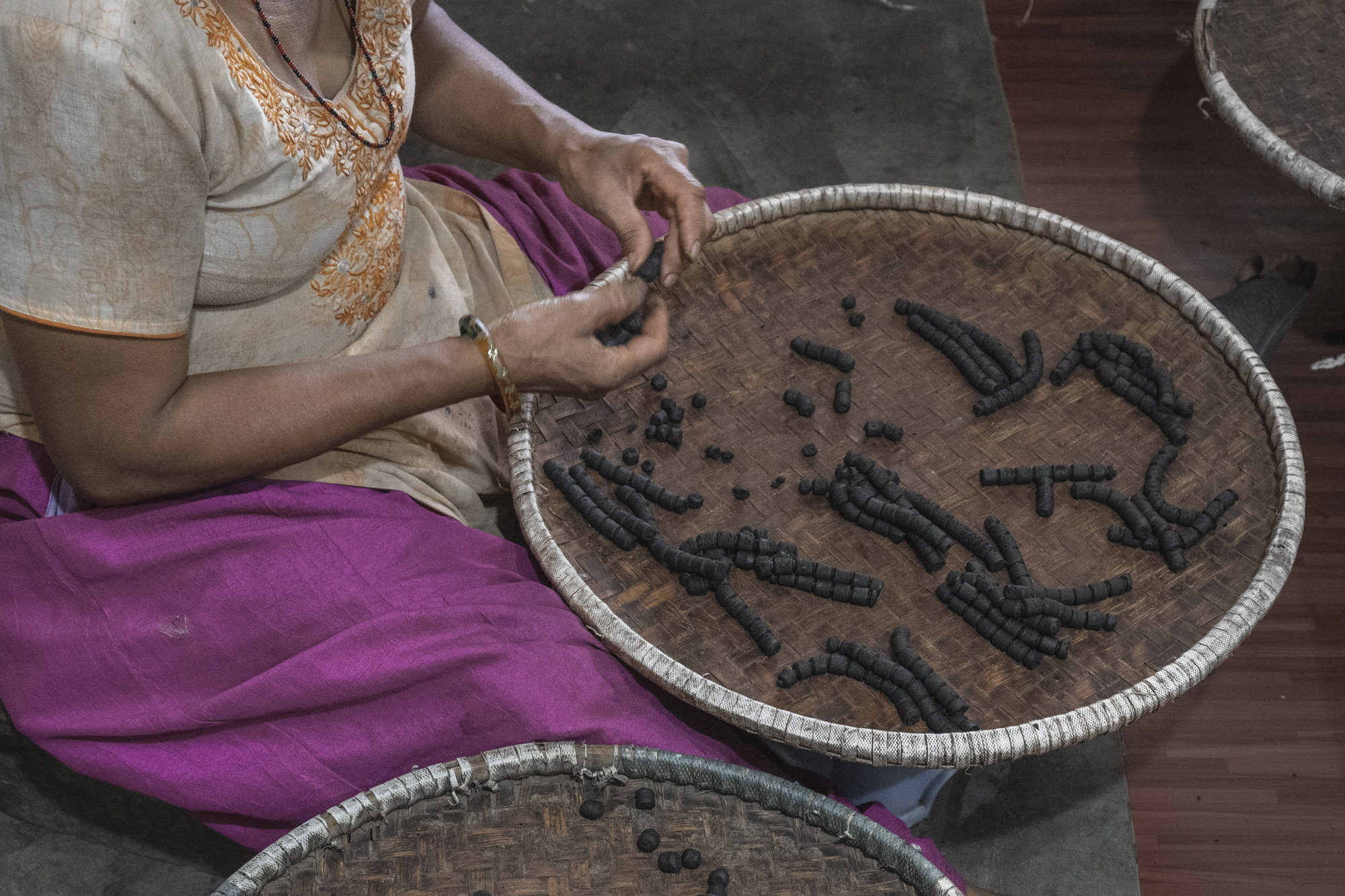

Practiced across the Himalayan region and influenced by Indian Ayurveda and Buddhist philosophy, Sowa Rigpa combines clinical observation, herbal remedies, and a holistic view of health, in which body, mind, environment, and spiritual dimensions are deeply interconnected.
To curb the spread of dengue, Nepal’s health authorities have a two-pronged prevention and awareness. Strategy involves using insect repellents and mosquito nets, proper household environmental management, and community campaigns to eliminate stagnant water and strengthen vector surveillance.
The goal is to improve the capacity of communities to respond promptly to emerging health threats in a territory increasingly exposed to the impacts of climate change. Vaccines against the two main strains of dengue exist, but they are expensive and have side effects. Prevention and vector management are therefore the primary strategies available to combat dengue.
©2026YuriSegalerba
©YuriSegalerba
©YuriSegalerba©YuriSegalerba
Mountain Mosquitos
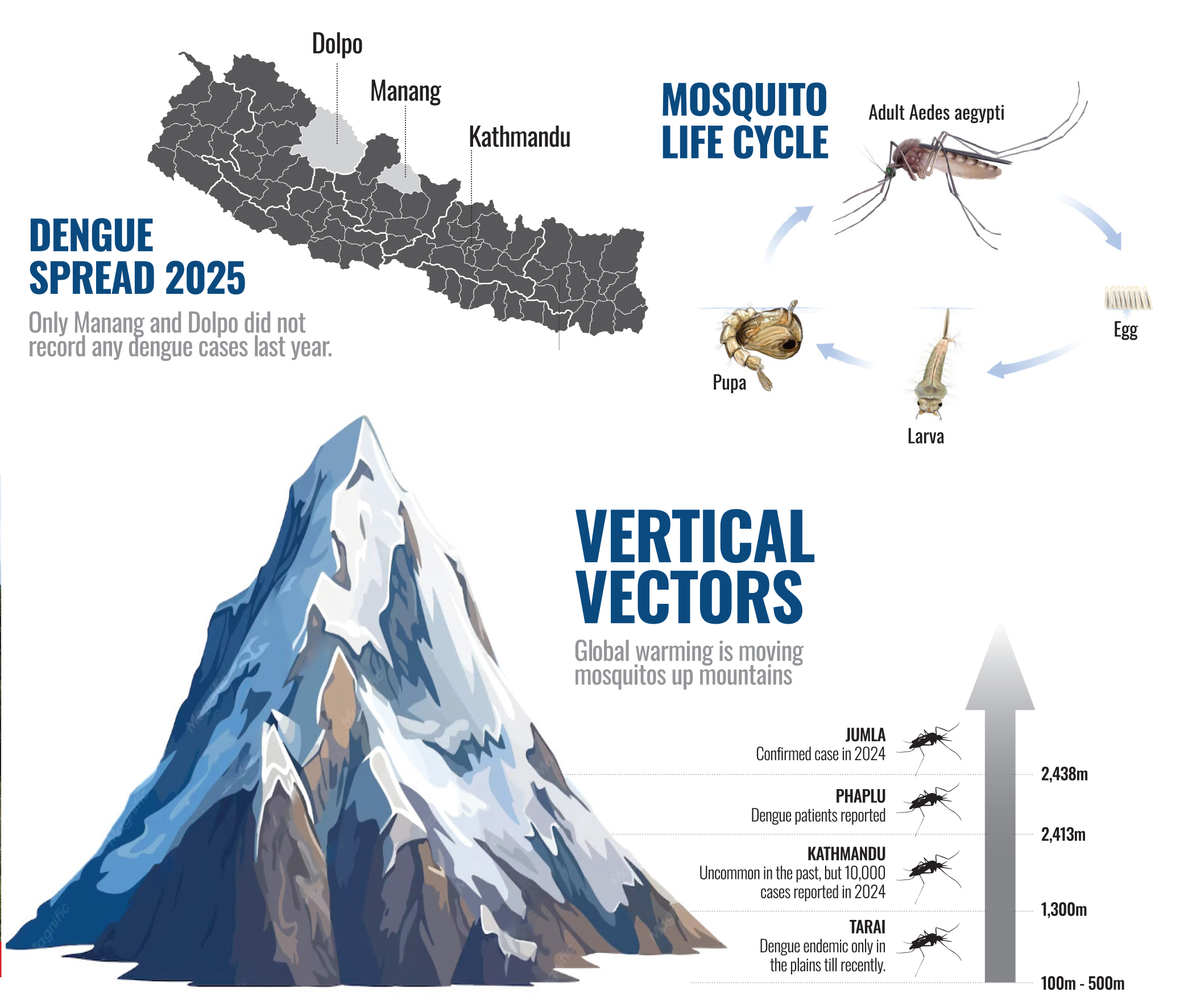
Rising global temperatures have allowed mosquitos to thrive higher than ever before in the Himalaya. This means an increase in the distribution and intensity of vector-borne diseases like dengue, malaria, encephalitis and zika.
Mosquitos breed all year round at lower elevations, but higher up the invasive mosquitos are seasonal and exist alongside native species. In Nepal, dengue-carrying mosquitos were only found below 2,000m in summer. But the vectors and their larvae were recently detected at nearly 2,500m in Jumla, and there is evidence it has also spread to Solukhumbu.
Out of Nepal’s 77 districts, last year dengue patients were found in 75. Factors are: climate change, urbanisation, poor awareness and greater domestic and international connectivity.