
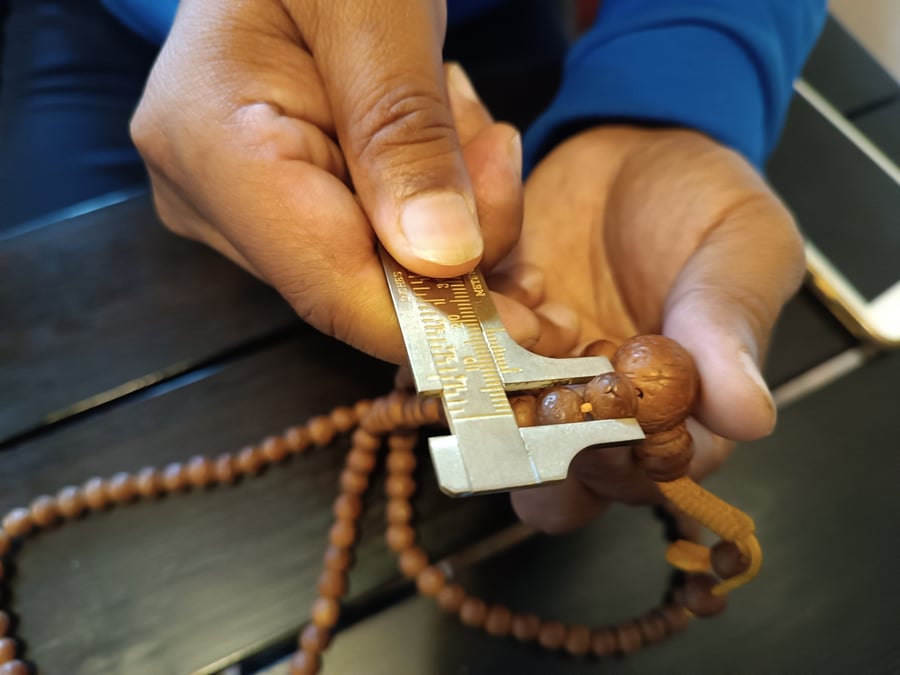
Singha Bahadur Lama worked for six years in Malaysia, but back home in Nepal he is now earning more than he ever did overseas.
Here in his village 60km east of Kathmandu, Lama now harvests Buddhachitta seeds from sacred trees that grow in the mountains, and turns them into prayer bead necklaces revered in Tibetan Buddhism.
The Buddhachitta tree (Ziziphus budhensis) is indigenous to Nepal and grows in the mountains of Kavre district, and demand boomed after the Dalai Lama proclaimed that the seeds found in Nepal were the best.
People from Kavre had gone to Bodh Gaya 12 years ago and presented the Dalai Lama with Buddhachitta prayer beads. Not long after, while speaking in Taiwan the Dalai Lama told followers that the seeds from Nepal had special powers.
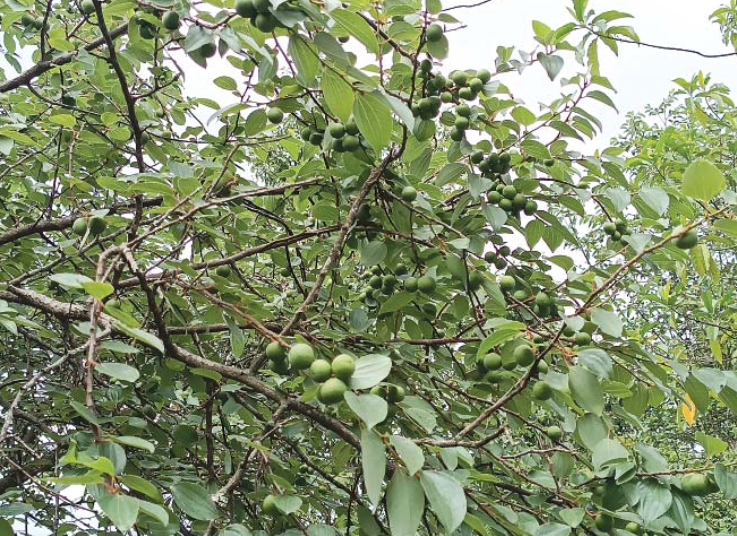
Lama shows a visiting journalist different types of Buddhachitta seeds. Single-faced beads are the rarest and most valuable, as are the smallest 8mm beads. A prayer necklace made of 108 beads would easily cost Rs1.5 million (over $10,630).
“We cannot say if our trees will give smaller beads or even how many faces or clear eyes, it’s all natural,” says Lama, who now works as a consultant, advising people all over Nepal about planting the tree, and has since spread it across the country.
Four years ago, a Chinese middleman made 7mm plastic cups to cover the seeds, hoping the trees would produce smaller pods. It did not work, and the trees died.
Such is the demand for high-quality Buddhachitta beads that a group of 20 men employed by a Chinese dealer cut down a tree along the Rosi River last year. The harvest from that tree had made $212,600 the year before. With that kind of price, the trees are in danger of being chopped down.
Lama himself used to make Rs10 million ($70,880) from the seeds of each tree. With this money, he built new houses and sent his daughter to Japan, all with Buddhachitta income. But the market for the seeds is volatile.
Lama invested Rs10 million when prices were high ten years ago, but he lost most of that when the prices collapsed for bigger seeds.
He adds: “That year the demand was only for small seeds, and it has only been three years since the prices have risen again for seeds that make no sound when you shake them.”
HISTORY
Legend has it that Guru Rinpoche left seeds of Buddhachitta while meditating in the Temal region of Kavre district in the 8th century as a blessing. He is known in the Himalaya as the ‘Second Buddha’ whose birth was foretold by the Buddha himself, and spread Buddhism in Tibet.
Now, almost every household from the Tamang community here has on average 50 trees. The tree thrives on gravel and sandy soil, needs to be protected from excess water, and can grow up to 10 meters high. It starts bearing fruit annually from its third year and one tree lives for 90 years.
The fruits are handpicked every June and July, and then have to be processed by boiling the seeds to remove their hard outer skin. The seeds are then dried in the sun for a few days.
“Our families have been growing Buddhachitta for generations, but it started becoming hugely profitable only about 12 years ago, it has become a cash crop and has even replaced staples like maize,” says Dev Lama, 55.
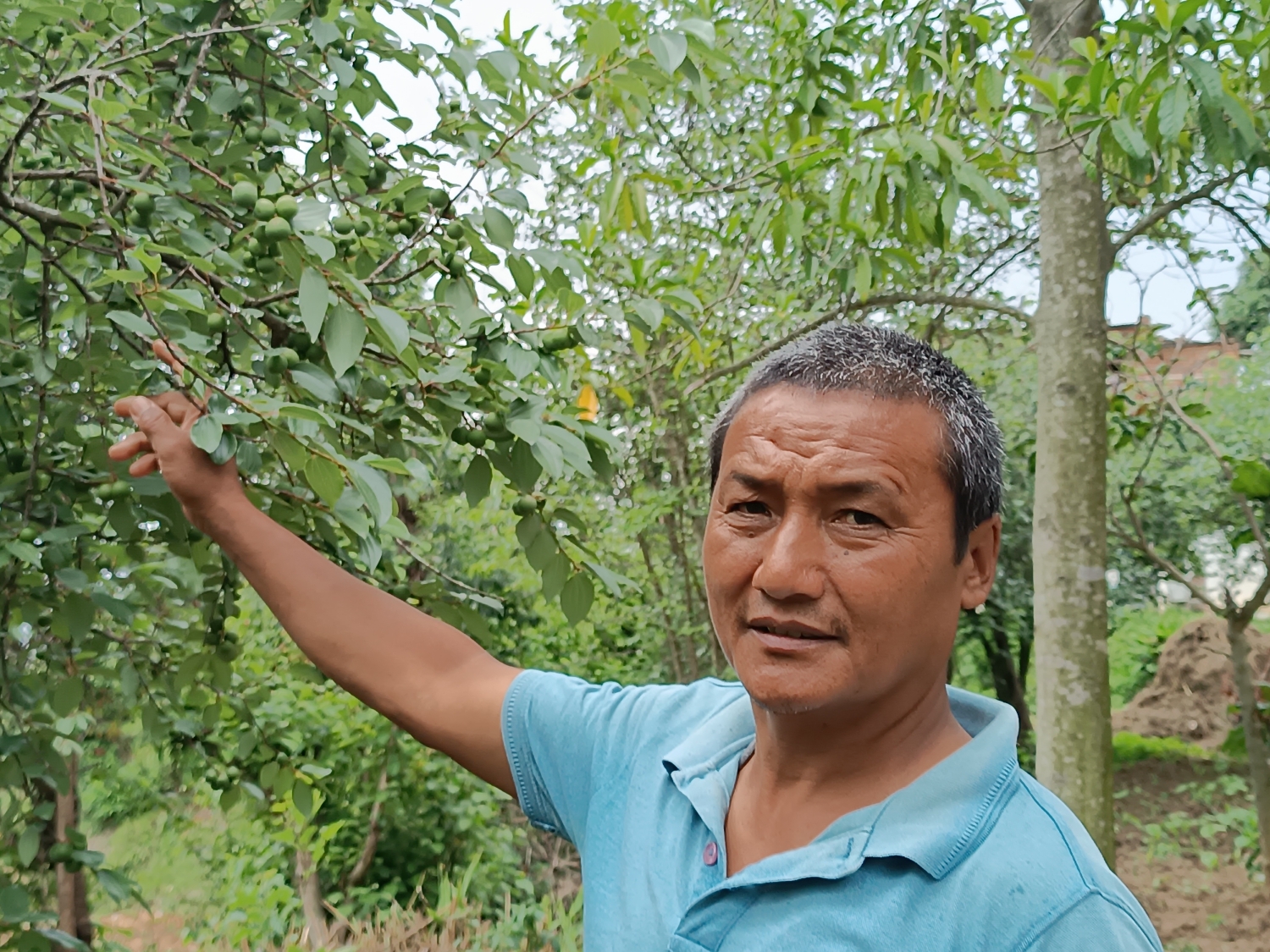
What helps is that Buddhachitta is not a high-maintenance crop, it just needs some weeding, watering, and protection from hailstorms and pesticides. Once it matures, it does not need much care, and farmers intercrop it with other grain.
“You don’t have to work on it every year like maize, which needs to be planted year after year,” explains Shova Shrestha, 33. “We also continue to grow other vegetables and spices, all of which help to preserve soil nutrients.”
Generally, farmers do not sell directly to Chinese traders but deal with local middlemen who take a cut before they take it to the Chinese traders who lodge in Kathmandu during the harvest season. But the bulk of the profit is made by Chinese wholesalers across the border.
And now with the proliferation of the plant, and with nearly every family growing several trees, farmers sometimes struggle to find buyers and are often severely short-changed, as was the case with Maiya Tamang’s family.
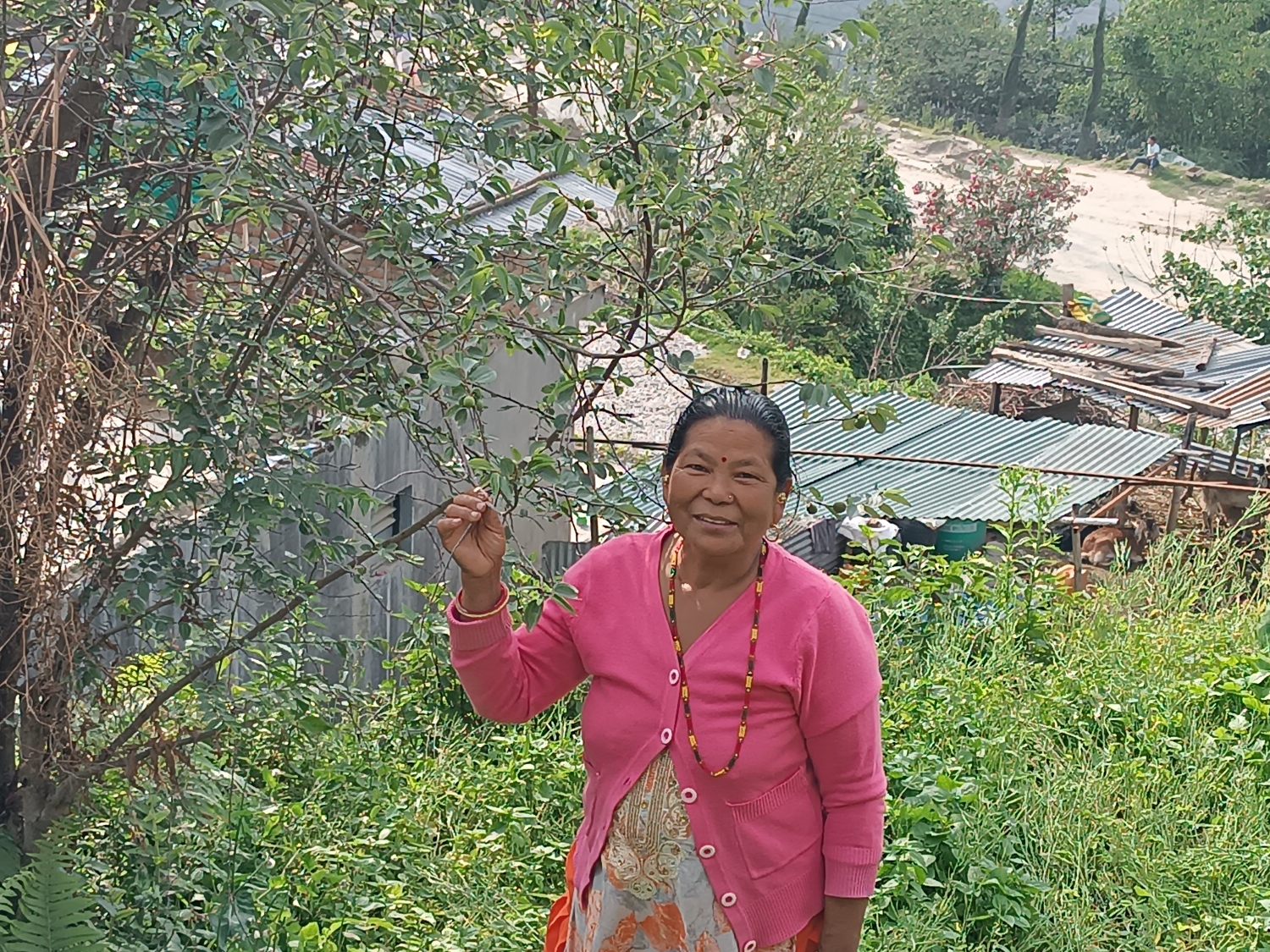
“I wasn’t home that day two years ago, but my sons later told me that my husband sold an entire tree for just Rs1,500,” recalls Tamang, 60. “We asked him why he sold it for a price that wouldn’t even buy a sack of rice, and he just shrugged.”
Tamang did make a profit two years ago, but last year’s crop was destroyed by a hailstorm. Despite this, the bead business has augmented the income of a family dependent on subsistence agriculture.
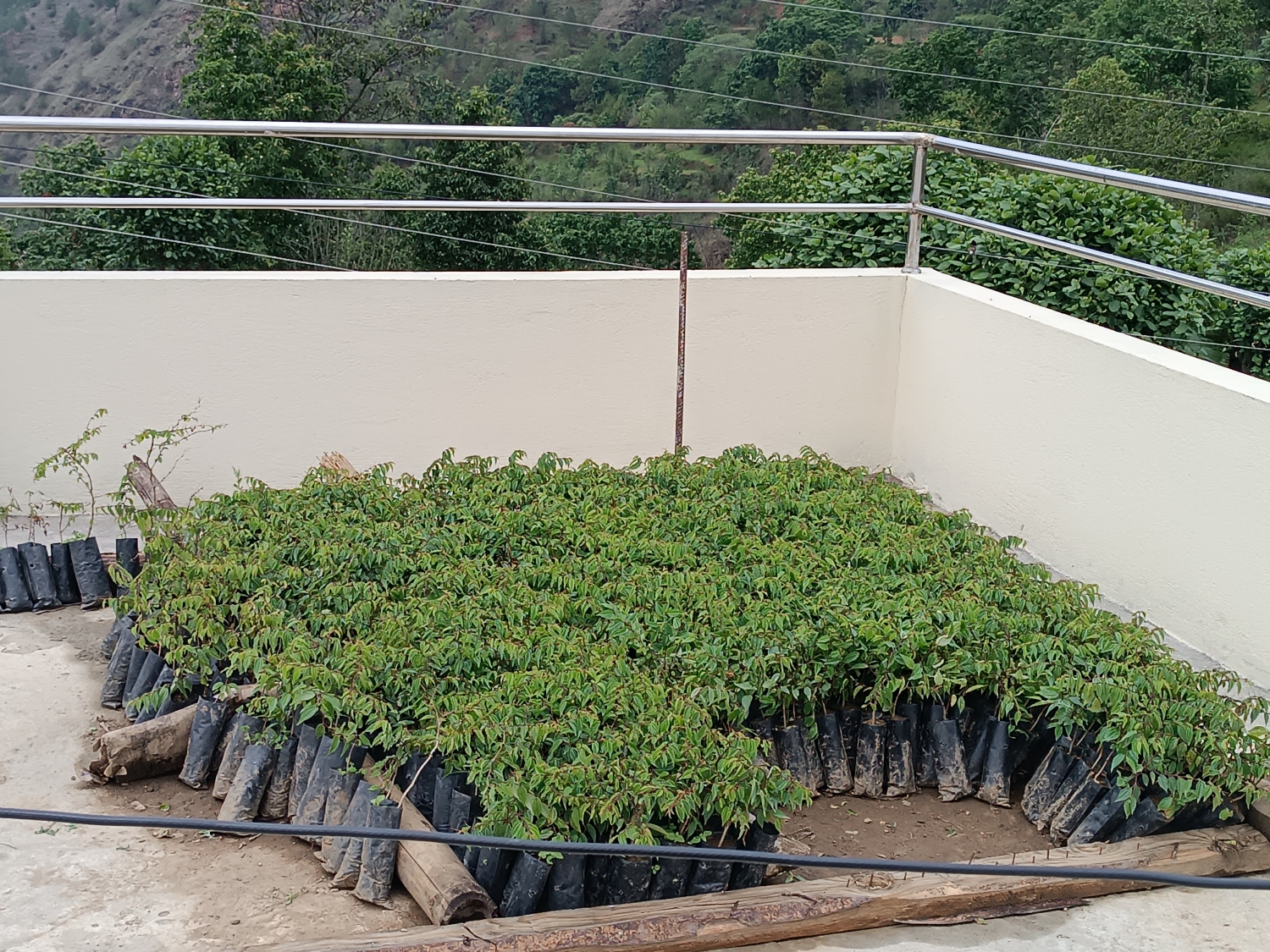
A neighbour, Sonam Tamang, had a few Buddhachitta trees in his backyard and has bought saplings from a nursery to expand. Saplings cost Rs500, but it is double that for plants that give high value seeds.
Says Sonam Tamang: “The middlemen sometimes cheat us by offering much less than the seeds are worth, and they don’t allow us to speak directly with the Chinese buyers. But even if we did, there would be a language barrier.”
Meanwhile, Singha Bahadur Lama who started out as a Buddhachitta farmer now owns a nursery and is a dealer in saplings himself. Some Nepalis have tried to sell directly in China, but face added costs of travel and hotel while there.
With contributions from Qian Sun, Global Voices.