
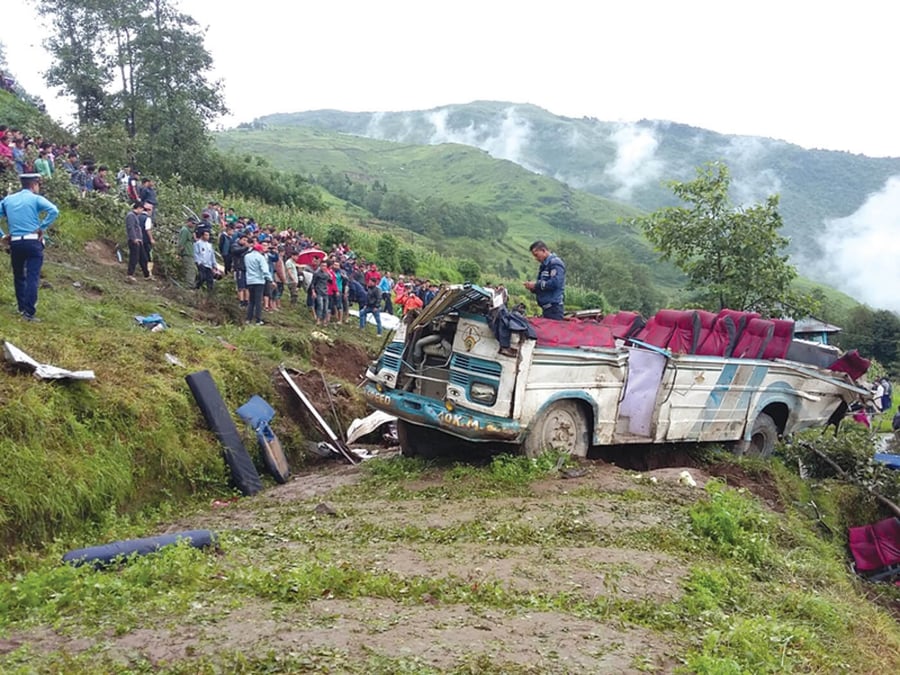
Early on Monday morning, a bus from Pokhara to Kathmandu plunged off the highway in Dhading killing 19 passengers. Two weeks ago, another bus fell into the Tama Kosi in Manthali, killing 12. A few days before that a bus crash in Baitadi killed 13 people.
In just the month before Nepal's election, more than 50 people have been killed in road traffic accidents. Most of these cannot be called 'accidents'. They are a direct result of poorly maintained highways and lack of enforcement of traffic discipline.
Political parties in Nepal have rolled out their election manifestos, and voters are once again presented with a flood of promises. Page after page, these documents list megawatts and microcredit, highways and airports, jobs and investment.
In these manifestos, growth is quantified, projects itemised, revenue forecast — and there are even threats to beat up contractors who do not finish their jobs.
But when everything is declared a priority the stale promises are empty. The voter is left confused as to where the party’s loyalties really lie. Will any of these plans and pledges actually ever materialise and help Nepalis live longer, safer, healthier lives?
The main job of any accountable government is to protect its citizens, not so much from foreign enemies but from domestic mismanagement. And this means the most basic test the new government should be made to pass is whether it can ensure basic well-being and protection for all its people.
The problems of safety, health, and survival remain unresolved for most Nepalis, and are quietly eroding their lives.
In the past year alone, the country’s roads and highways claimed more than 2,300 lives. An estimated 41,000 Nepalis die each year directly because of air pollution, and their lifespans are lessened by 3.4 years.
Non-communicable diseases now account for well over half of total deaths in the country. And even where survival has improved, deprivation remains. Chronic malnutrition continues to haunt communities in Nepal’s western mountains despite progress in maternal and child health.
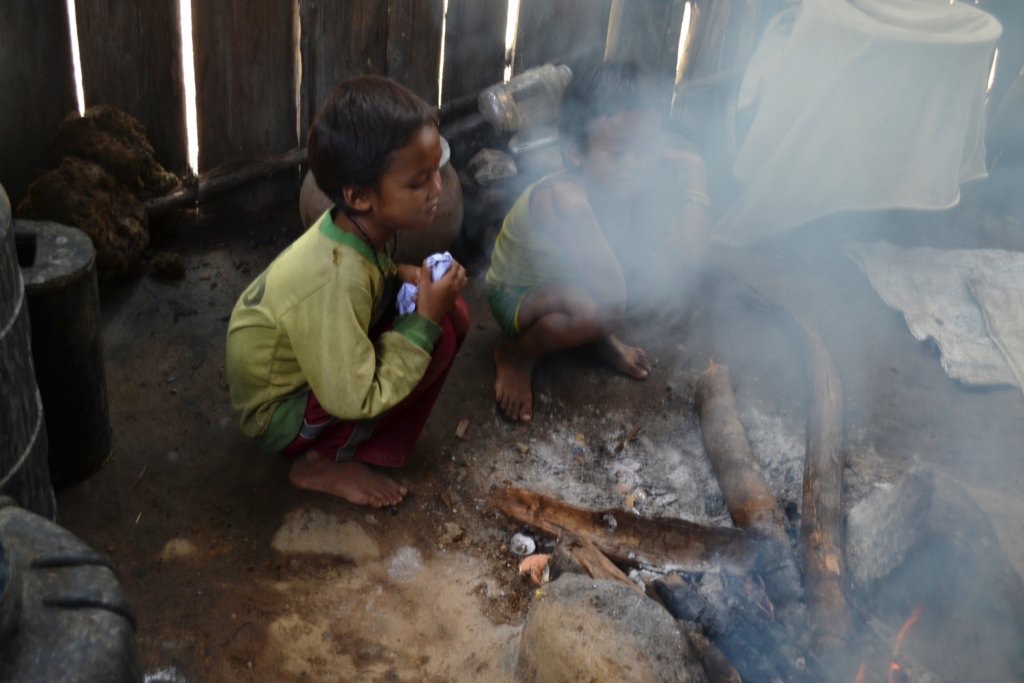
These are the lived realities of most Nepalis, and it is here that development can deliver its most immediate returns. A rising GDP, in and of itself, does not make roads safer, clean polluted air, or provide enough nutrition to children. Such outcomes demand intentional, granular policies that confront the specific, everyday problems shaping people’s lives.
Macroeconomic growth, trade and investment are important, but these alone cannot guarantee improvements health and safety. The word ‘growth’, after all, is also synonymous with malignancy.
Economic progress and human protection are correlated only when governance deliberately links them. Impact on life is the unit in which ordinary Nepalis calculate progress. What is needed, then, is a governing philosophy measurable in these same terms: a ‘life-first’ standard where every policy, budget, and reform can be understood and judged by its impact on protecting and extending human life.
Such a ‘life-first’ approach would scrutinise three aspects of every policy.
First, whether the policy prevents loss of life. A death is termed preventable if better, more coordinated response systems and regulations could have avoided it (vaccines, drugs, road safety, clean drinking water).
A newly built six-lane highway can be a death trap due to poor design or lax enforcement of safety rules. If neonatal deaths continue in a district despite hospitals being present, or if malnutrition claims lives in predominantly agricultural regions, they too are failures.
Preventable deaths also cluster where accountability is less direct. Just last year, Nepal recorded 6,866 suicides, with nearly 20 lives lost every day, yet these deaths fail to prompt any serious examination of governance.
The same holds for fatalities linked to domestic or communal violence, alcohol and substance misuse, or ‘natural’ disasters, which register as ‘tragedies without remedy’ rather than as outcomes policy can influence.
But when avoidable loss of life recurs at scale, isolated incidents become patterns, and patterns reveal systemic neglect. Saving lives, however, is only the first step, and what matters just as much is the quality of years lived.
Nepal’s life expectancy now stands at 71 years, yet many citizens spend years in avoidable disability, untreated chronic illness, or mental distress. A life- first government must ask not only whether people live, but whether they thrive.
Are citizens able to pursue education, work, and family life without fear of preventable harm? Do communities have access to clean air and water, nutritious food, and basic healthcare? Can a teenager anywhere in Nepal imagine a future not foreclosed by premature marriage, or untreated depression?
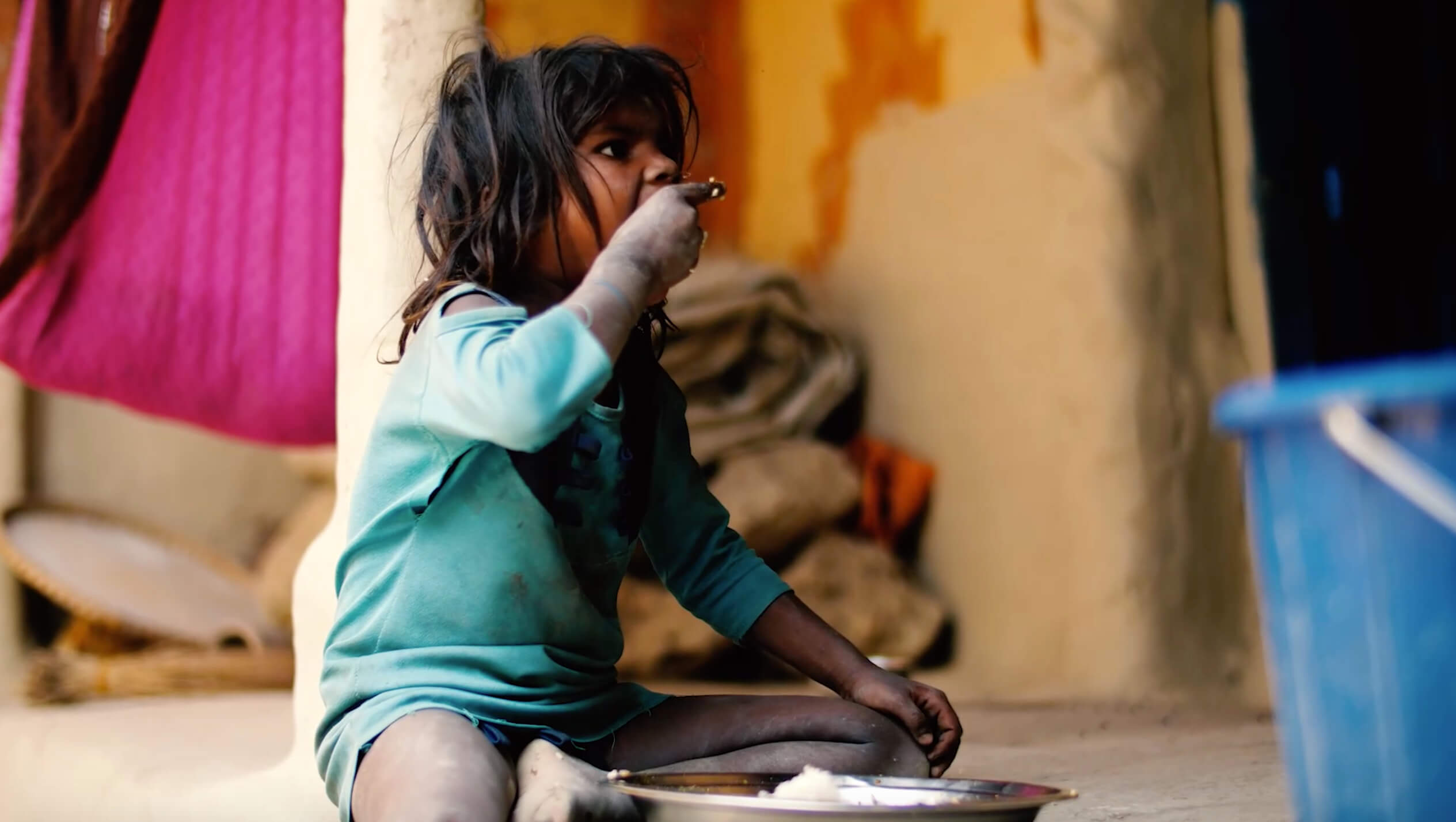
Thriving requires policies that prevent suffering and promote well-being in addition to ensuring survival.
Finally, governance must consider graceful aging. Elderly Nepalis should not be left to navigate disease, poverty, or isolation alone. Social systems, healthcare, and community support must enable their continued participation and dignified well-being.
Adopting this three-layered standard would gradually reorient how success of any new government is defined. Transportation would be judged by fatalities reduced on the roads. Electricity generation would be measured by whether households can switch from firewood dependence to smoke-free electric stoves.
Increase in annual rice harvest must translate into better nutrition, reducing the prevalence of chronic diseases like diabetes. Accountability must follow problems rather than stop at Singha Darbar. Only then will politicians and bureaucrats eventually recognise that their work converges on the same human endpoint.
Critics will argue that economies are complex, trade-offs are inevitable, and that governance cannot be reduced to a single metric.But, as Acemoglu and Robinson show in their book Why Nations Fail, the key difference between prosperity and poverty lies in inclusive institutions that empower citizens and create broad incentives for well-being.
Extractive institutions concentrate power and wealth in the hands of a few while keeping the majority trapped in neglect. Nepal’s governance has remained a striking example of extraction. If lawmakers in the new Parliament continue to resist changes that would save and improve the lives of ordinary citizens, the same systemic rot will persist for generations to come.
A life-first mentality can cut through this inertia by clarifying the moral centre of governance and reminding policymakers that behind every policy failure lies human cost.
Every mother in Bajura with a child going hungry at night, every farmer in the Madhes unable to afford medical care, and every family that has lost a migrant son to kidney failure understands the true value of a life saved. Life is the one metric that transcends ideology, ethnicity, and region.
Centering governance on this single, focused metric, can shift an election from a contest of rhetoric to a contest of evidence. Which party ensured access to safe water and basic healthcare? Which made work at home and abroad safer and less exploitative. Which measurably extended healthy years of life for ordinary citizens?
Health is wealth. By improving the healthy lifespan of citizens economic prosperity would follow naturally. A ‘life-first’ governance model would therefore compel Nepal to address the underlying structural failures across all sectors, rather than merely alleviating their symptoms.
The GenZ protest that toppled the government last September was, at its core, a demand for accountability and a rejection of politics as usual. But as the country edges closer to the polls, that clarity has started to dissipate. Parties are now echoing the language of reform, but the public discourse remains dominated by promises that feel disconnected from Nepal’s most immediate and basic priorities.
Every preventable death, every hungry child, and every neglected elder becomes a direct failure of governance and a moral debt the state must answer for. It is how we can make sure we keep the next government in check.
The writers are Nepali GenZ students of biomedical engineering at the Hong Kong Polytechnic University.