
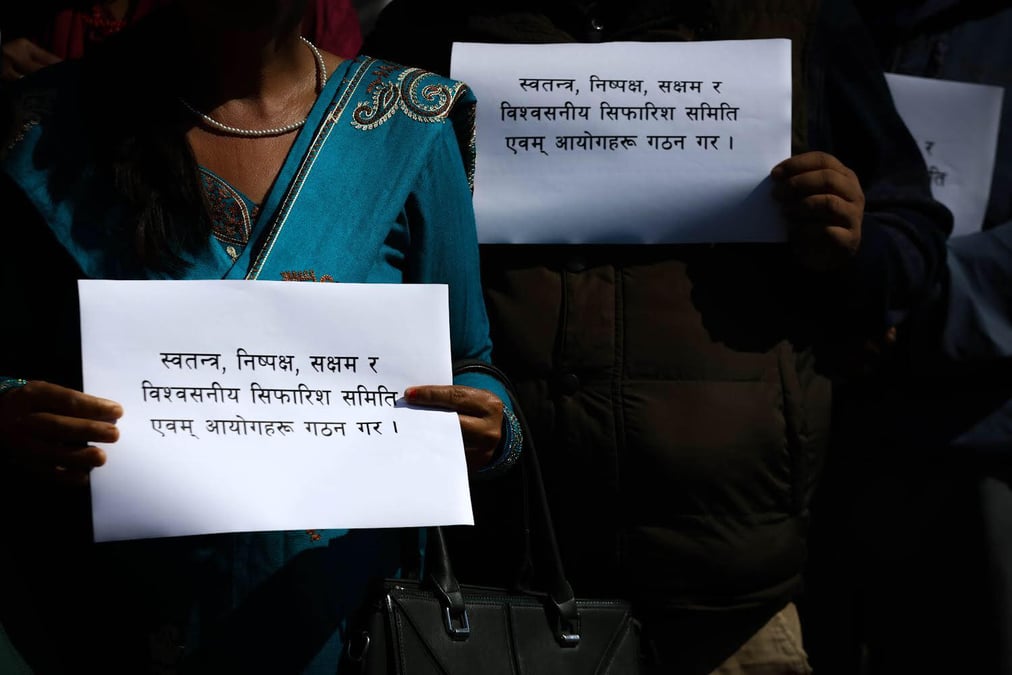
The new left-led coalition in Kathmandu could pave the way for progress on finally addressing conflict atrocities, but first the government’s proposed bill in Parliament needs some important changes to ensure justice for victims.
Prime Minister Pushpa Kamal Dahal has held several meetings with opposition leader K P Oli of the UML over the past few months because he knew that the bill could not be passed without UML support.
Dahal was under pressure from the international community, including from United Nations Secretary-General António Guterres during his visit to Nepal in October to conclude the transitional justice process. On Tuesday, Human Rights Watch (HRW) and the group Advocacy Forum-Nepal released a report that said although the Nepal government’s proposed bill on transitional justice contains positive provisions, but needs ‘significant amendments’.
‘It is widely recognised that a lack of accountability for conflict-era violations has led to a crisis of impunity in Nepal, with police and politicians rarely held accountable for rights violations and corruption,’ the two organisations said in a statement.
But they added that the current moment presents the opportunity to amend the draft so that the demands of victims and survivors of the 1996-2006 conflict are met. More than 17,000 Nepalis, mostly civilians, were killed and some 3,288 are still listed as missing.
HRW said that the work of rights activists had ensured built public pressure to improve the draft bill, but it still allowed those responsible for serious war crimes and crimes against humanity to not be answerable.
The HRW Advocacy Forum report, Breaking Barriers to Justice: Nepal’s Long Struggle for Accountability, Truth and Reparations analyses the proposed law and reviews some cases where there were obstructions to justice by the Nepali state, which is made up of the former enemies in the conflict.
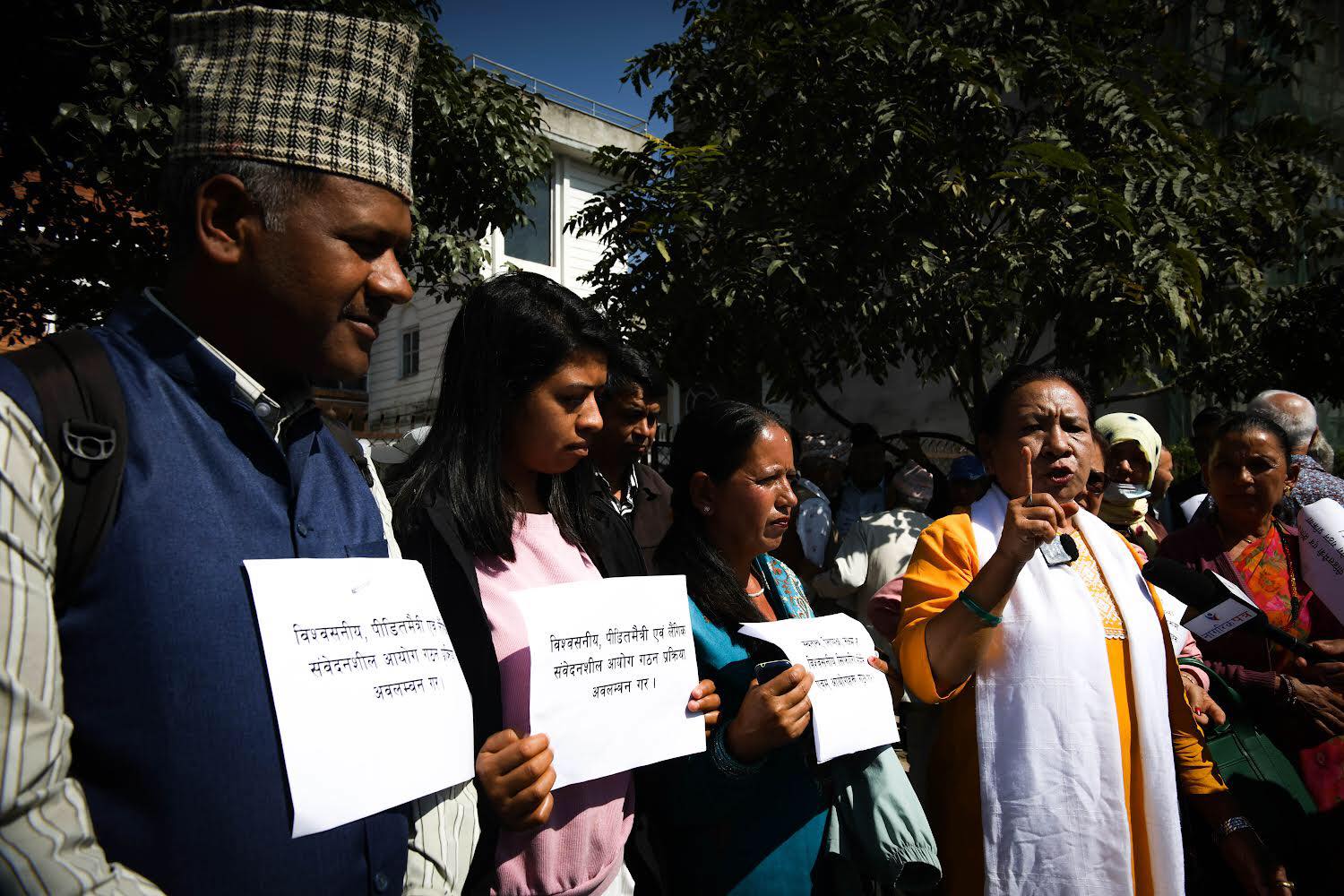
Survivors of war rape and relatives of victims filed complaints in 62 extrajudicial killings, and the organisations say that the draft does not meet international legal standards, rulings by Nepal’s Supreme Court and demands of victims’ families.