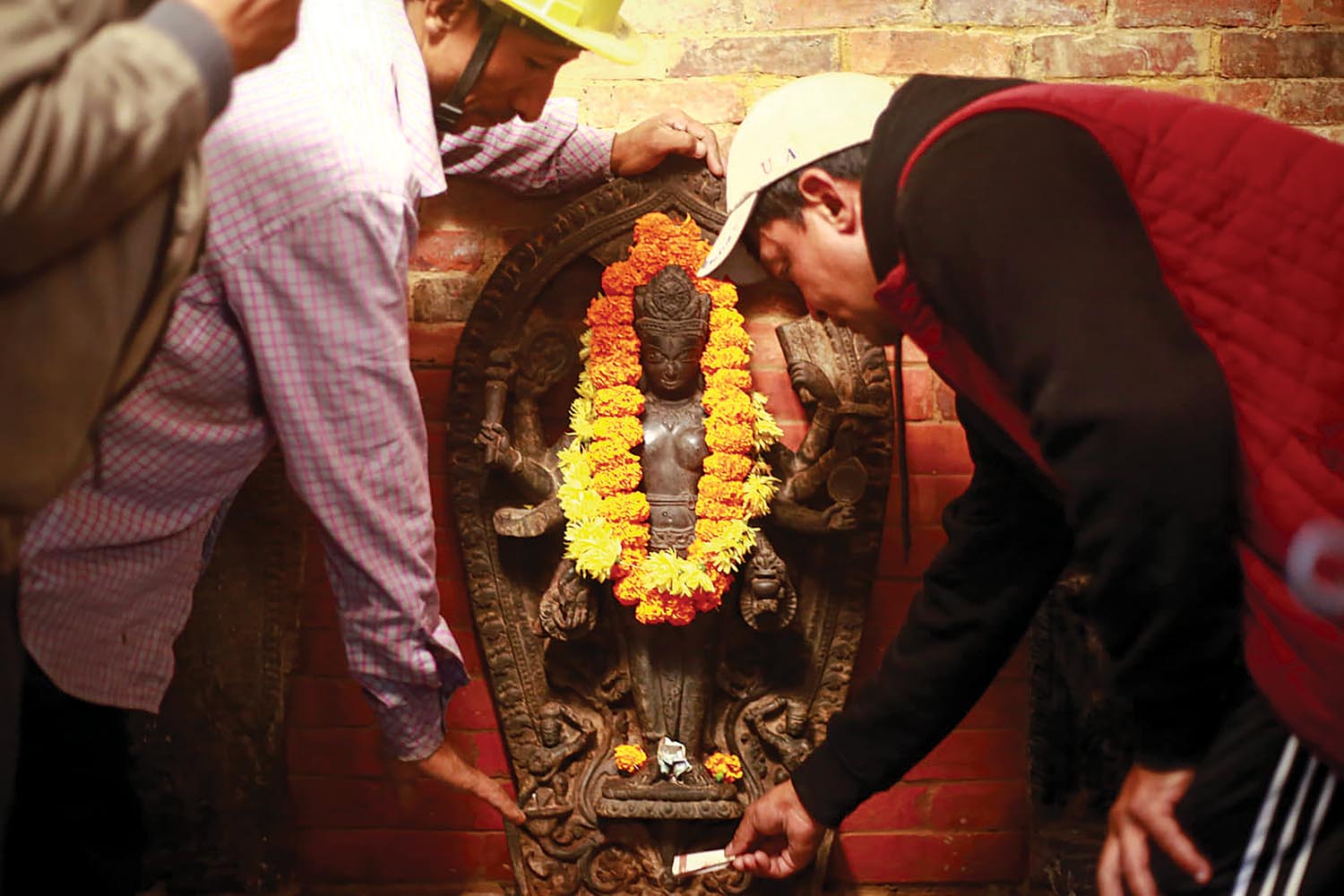
The ancient stone sculpture of Uma Maheswar stolen from Dhulikhel 40 years ago, was one of the first sacred objects to be returned to Nepal after it was traced to Berlin’s Museum für Indische Kunst in 2000.
But the 900-year-old Shiva-Parvati that had been worshipped for nearly a millennium by devotees in Dhulikhel’s Wa: Tole still languishes in the Patan Museum, waiting to be returned to the community.
After futile attempts to restore the divinity back to its original shrine, Dhulikhel Municipality made a replica three years ago and consecrated it to the temple. Ward chair of Dhulikhel-7 Romi Prasad Shrestha says the council does not want to risk bringing the original statue back because it might be stolen again.
"How can you just leave a precious thing like that by the side of the road?” he asked.
In 1976, a statue of Tara was stolen from Birbhadreswar Temple in Bhaktapur. Nearly 40 years later, it was tracked down to the Yale University Art Gallery and subsequently returned to Nepal in 2022. The statue weighing 83 kg had been worshipped daily for centuries by residents of the Golmadi neighbourhood before it was stolen.
Read Also: The enigma of arrival of Nepal's gods, Ashish Dhakal
The Tara was returned after years of investigation by the Department of Archaeology (DoA) and heritage conservation activists. The DoA says it is waiting for the local government in Bhaktapur to guarantee security before restoring it to the original temple. Ward 7’s Ukesh Kawan says the process has begun for bringing the Tara home.
"After an idol is returned, it should be reinstated in the community but many do not want to risk it being stolen again,” explains Sarita Subedi at the DoA.
Kathmandu Valley used to be known as a place with more gods than people and more temples than houses. Antiquities and sacred objects just lay by the roadside, worshipped by both Hindus and Buddhists. No one, not even the government has an inventory of what was stolen over the past decades to be sold to galleries, museums and private collectors by art traffickers.
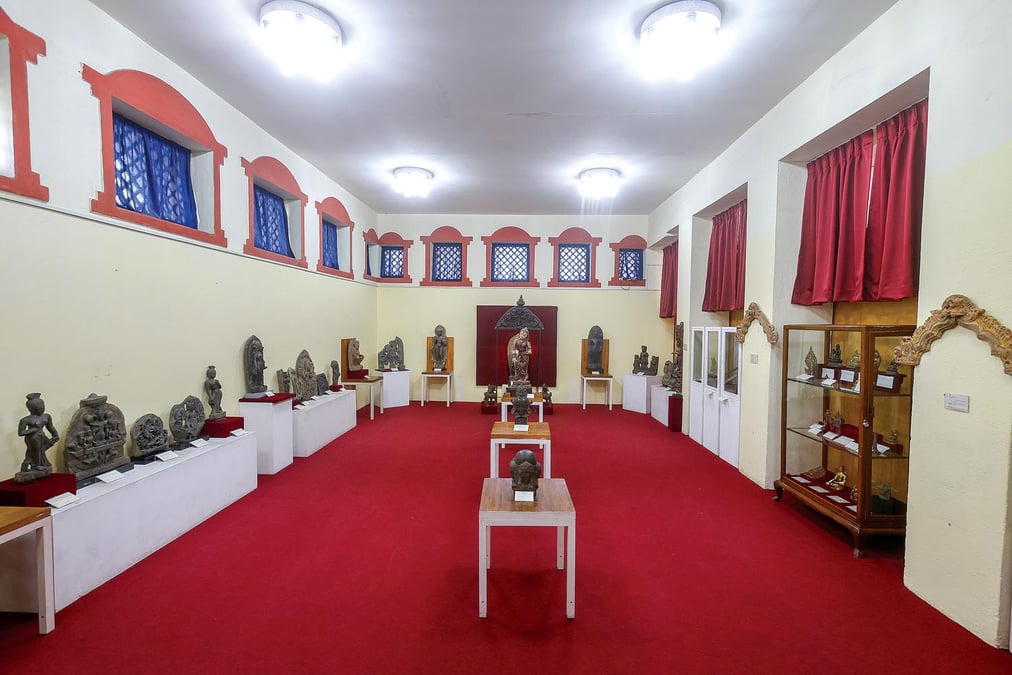
However, there is an exact figure of how many sacred objects have been returned: 143 so far. Of these, only 33 have been restored to their original shrines, the rest are either on exhibit or in storage at the National Museum Chhauni or Patan Museum.
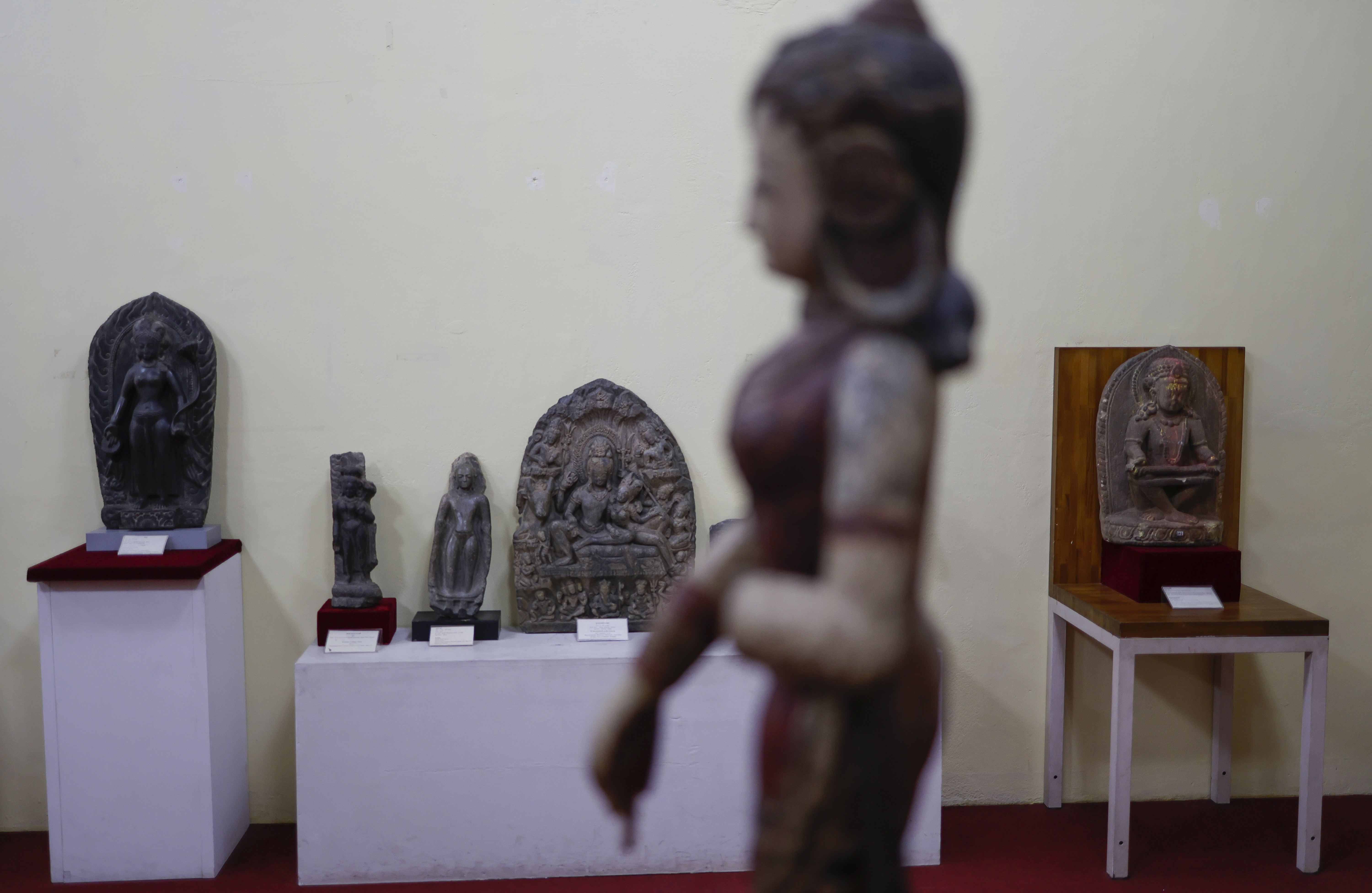
Some have been consigned to museums because their provenance is not known, or they have not been claimed by the communities from where they were stolen.