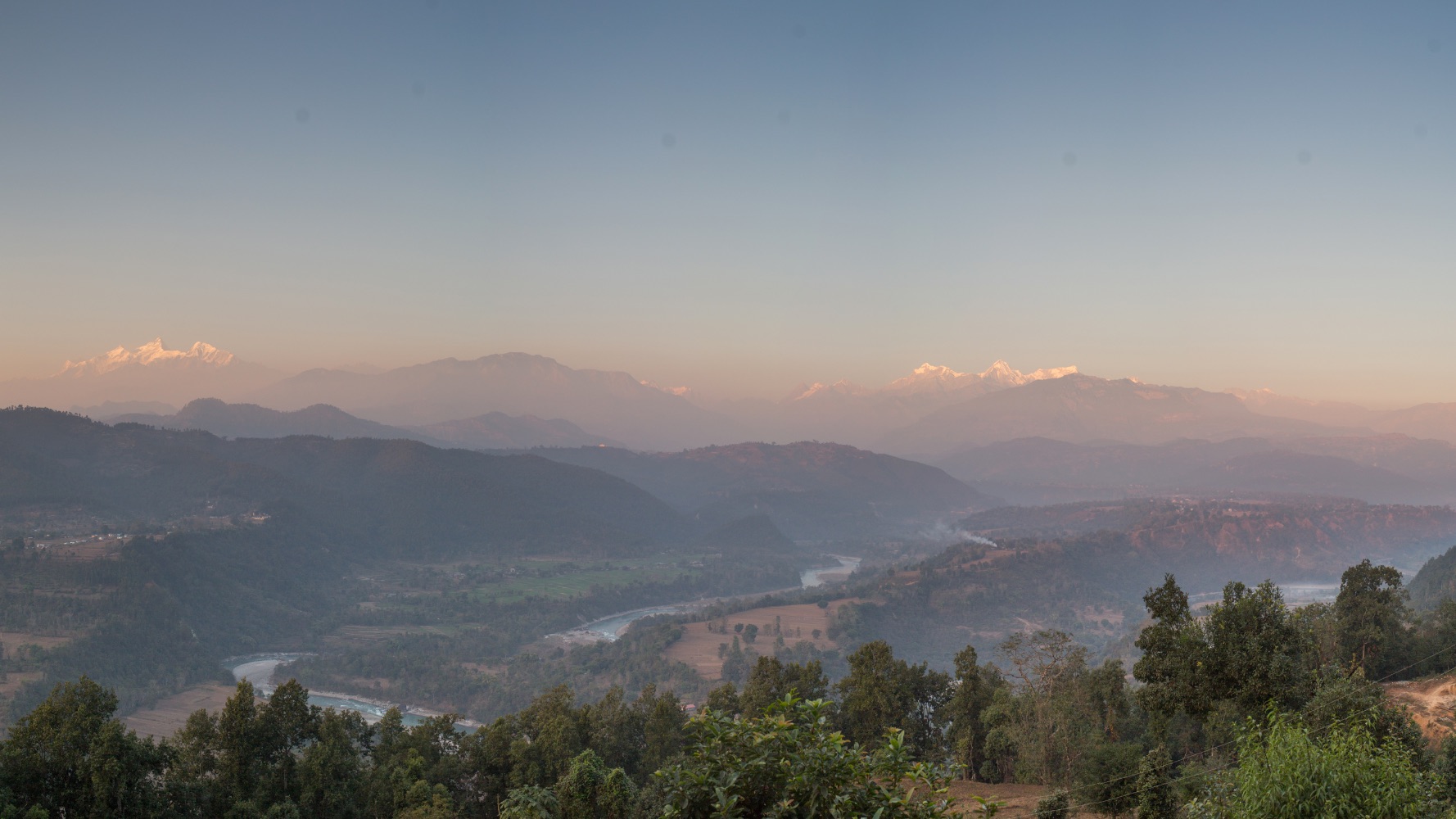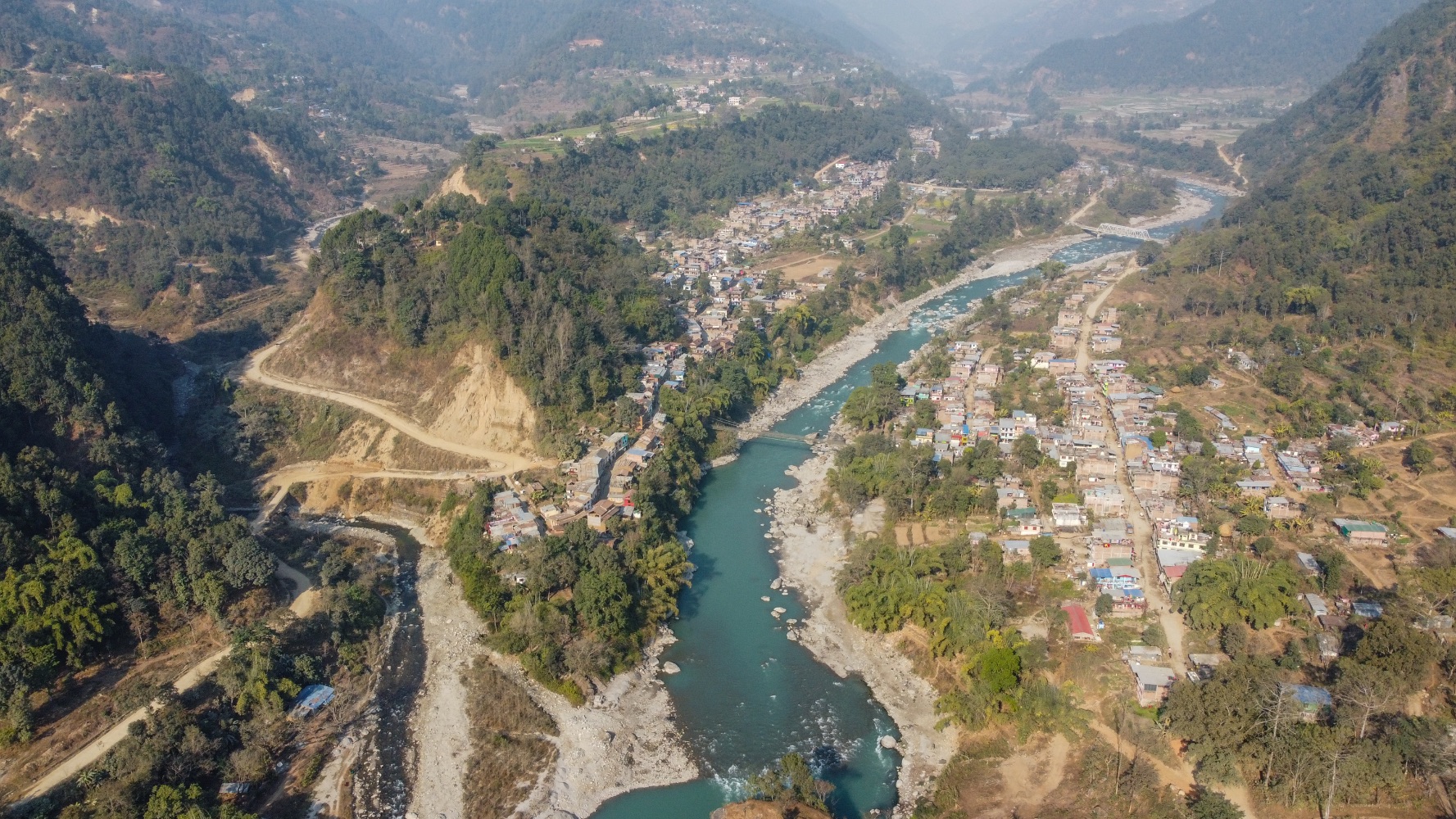
Plans to build Nepal’s biggest hydropower project was been delayed by politics and compensation issues for 10 years, but is now held up because the Chinese contractor is incommunicado.
The 263-m high dam on the Budi Gandaki River will be the world’s tenth tallest, and impound a reservoir 45km long displacing 50,000 people, to generate 1.200MW of electricity. But the $2.5 billion project is in doubt because of delays and doubts about its viability.
The project, situated 60km northwest of Kathmandu, was supposed to be completed by 2022. It had been cancelled and revived several times by successive governments, but has been stuck for the past year because of the pandemic.
The China Gezhouba Group Corporation (CGGC) was awarded the main construction contract in 2018, but has not shown up for the past year.
“We have repeatedly tried to communicate with the company, but it has not responded clearly. We cannot say whether they are in or out, it is between somewhere and nowhere,” said Gokarna Raj Panta at the Ministry of Water Resources, Energy and Irrigation in Kathmandu.
‘Between somewhere and nowhere’ is also a fitting description of the lives of the people of the Budi Gandaki Valley whose homes, farms and livelihoods will be submerged by what will be Nepal’s largest reservoir.
However, at the project office in Siurenitar near the proposed dam site there is frantic activity. Phones are ringing constantly, and staff are busy taking calls from those asking about their compensation claims.
“The first priority is land acquisition and we have already paid out Rs33 billion as compensation,” said Krishna Bahadur Karki who heads the project’s compensation and resettlement unit. Another Rs20 billion is earmarked for reimbursement for homes, livestock, trees and other assets.
The government froze land dealings in 2013 along the valley, but in anticipation of jobs and economic activity new roads and towns have sprung up in a district tht has seen dramatic depopulation due to outmigration.
Ghare Gurung runs a roadside metal workshop outlet 40km north of the dam site. He bought this small patch in Arkhet using money saved from working in Malaysia. He got Rs120,000 compensation for it.
“Now they have been saying that a 10% depreciation cost would be applied for our infrastructure. If it happens, then I need to pay them instead of receiving money,” he said.
Besides submergence of the main valley, the reservoir will put another 22km of land along the Aankhu Khola tributary under water.
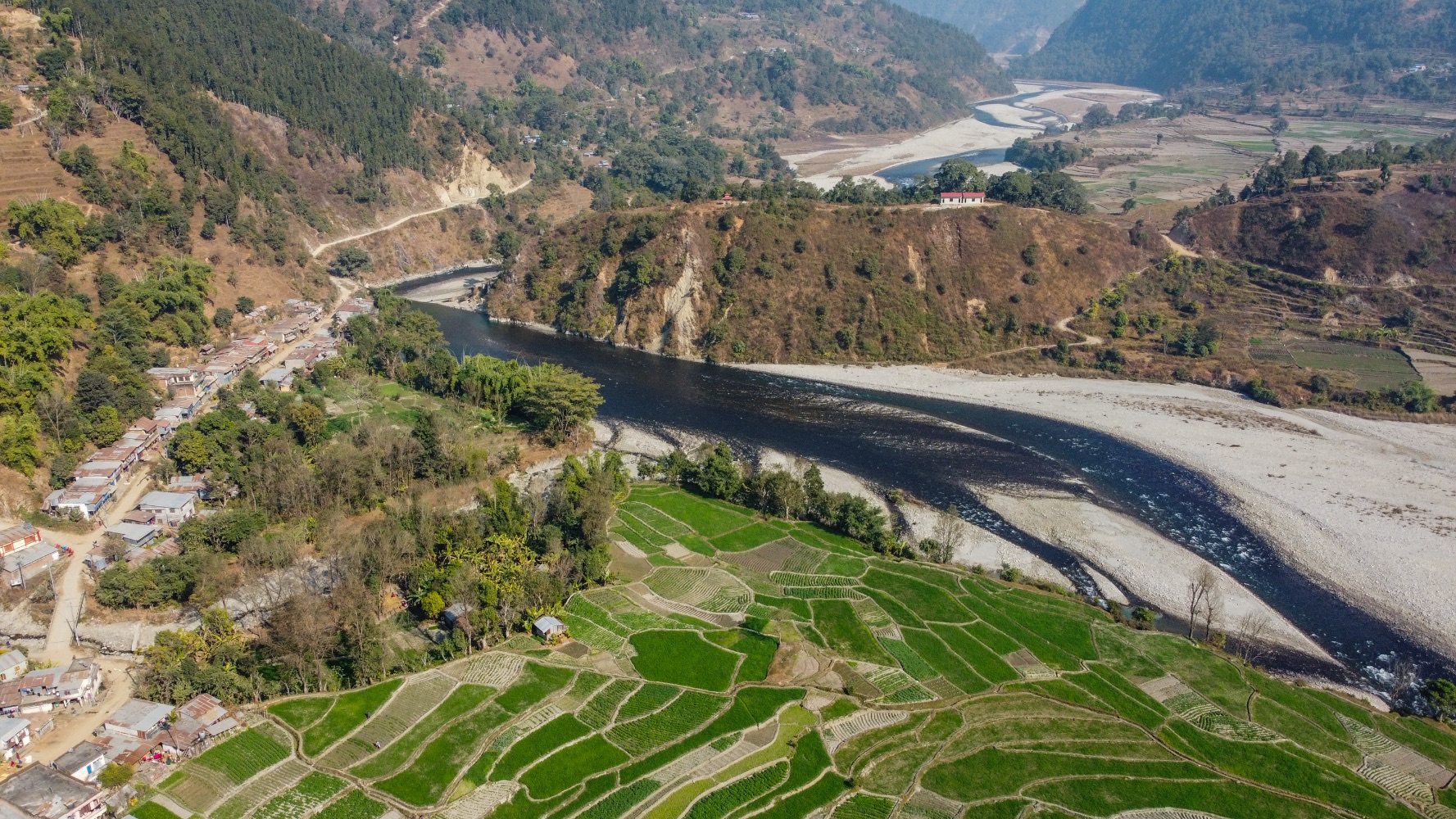
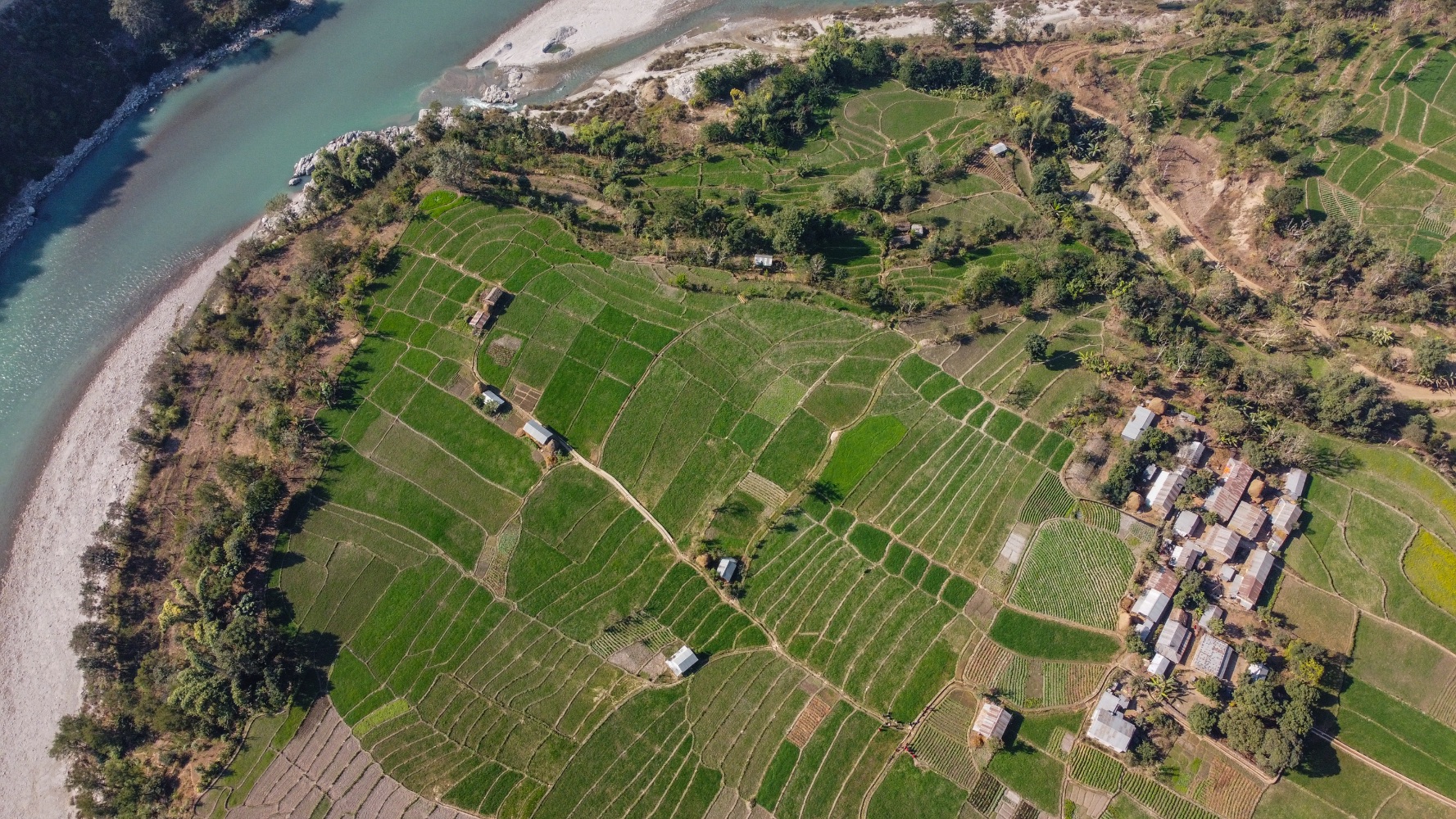
Gyanu Maya Shrestha sells snacks from a small stall by the Aankhu Khola in Hepne of Dhading district, and is worried about her future.
The April 2015 earthquake destroyed her home and her animal shed, killing her buffaloes, oxen, and goats. Before the quake, officials from the project had assessed both structures. “After the earthquake, they inspected it again, and now say they will reduce the compensation,” says Shrestha.
The response from project officials was that the pre-earthquake inspection was for the environmental impact assessment (EIA) report, not compensation. While many other quake-hit communities have built new houses, people along these two rivers have not.
Krishna Majhi lives in unregistered land at Gumti village, 10km from the proposed dam. In 2017, the government had agreed to compensate structures on unregistered land. Till now, no payments have been made.
Krishna uses part of his earthquake-damaged house as a kitchen but has spent five years living in a makeshift structure. “Even a small earthquake would now be enough to kill us, and we cannot dismantle it because we need to show it to the project for compensation,” he said.
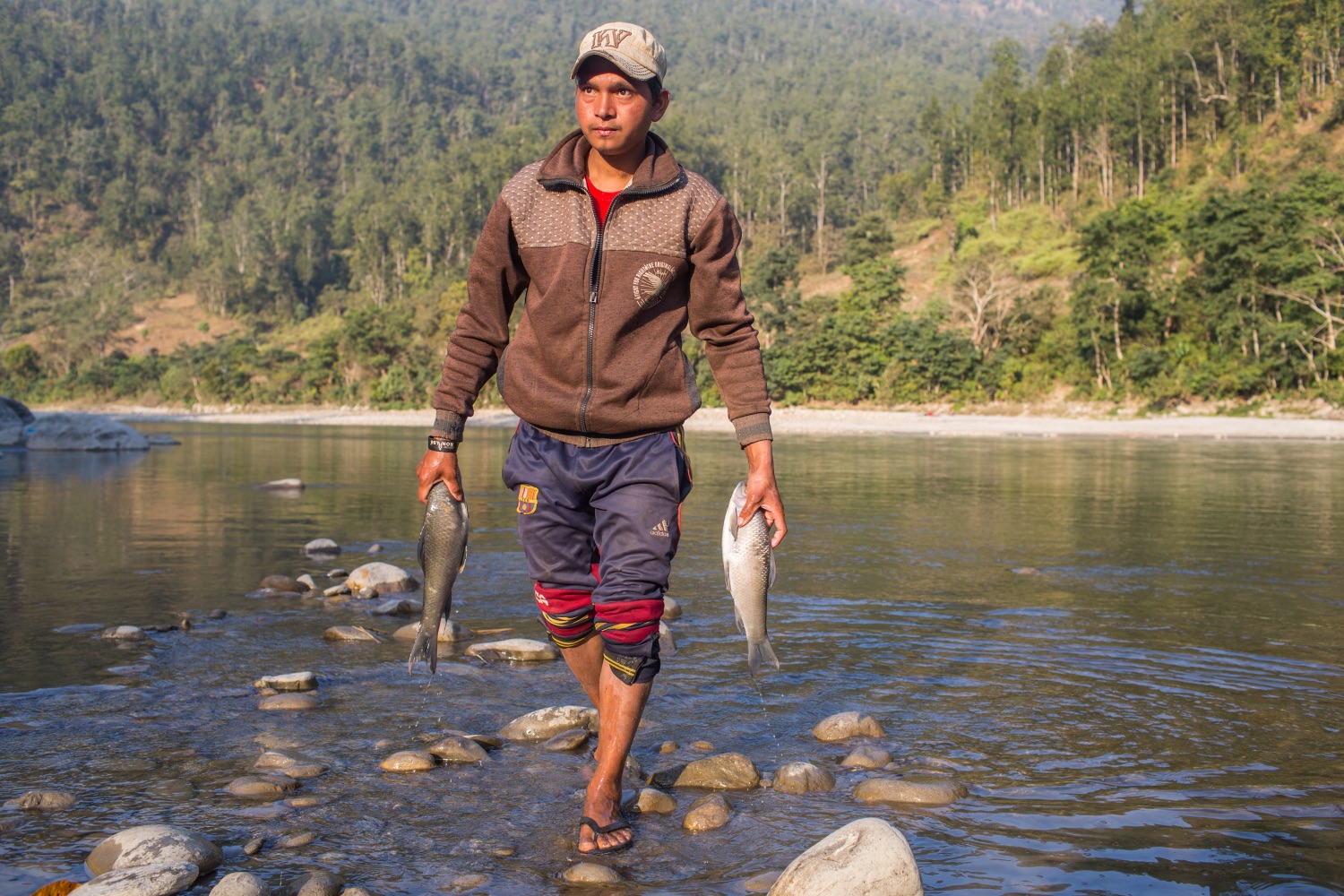
Many promises were made to locals to persuade them to hand over their land, including of resettlement. They were asked to fill forms saying where they wanted to be resettled and what facilities they needed.
“We were told that new villages will be built in the slopes above the reservoir we would be provided all facilities. But we have heard nothing since, all these years they tricked us,” said Sushil Dharel, from Khahare on the Ankhu Khola.
Back at the compensation office, Karki says he can understand the frustration of the people, but adds, “The compensation amount is many times higher than the government rates, and there are rules. There are also people who have received millions in compensation and bought houses in Kathmandu.”
Indeed, while some have done well from compensation payouts, the majority are from poorer communities without political clout or access. They resent the way the authorities downplay their problems.
“Our field is irrigable, there is a market nearby and we can produce three crops a year. I can’t buy a piece of land in the city with our project compensation, how do I make a living there?” asks Pampha Khadka from Khahare, bursting into tears.
Government officials in Kathmandu do not have any clearer answers on resettlement, but say the details need to be ironed out.
“We have drafted a resettlement policy, but there isn’t clarity on the modality of project implementation. Unless it is finalised, resettlement is not possible,” said Gokarna Raj Panta at Nepal’s Ministry of Water Resources, Energyand Irrigation.
Botched resettlement policies are not new in projects in Nepal. And in Budi Gandaki, too, there are problems. Some families have spent the money they got on parties, which means they will be homeless and landless if not resettled. Many have used payouts to meet their daily needs or pay debt, buy motorbikes or educate and marry off their children.
“I received about Rs100,000 for a piece of land. I spent Rs10,000 on my grandchildren and sent Rs 80,000 to my daughter in Kathmandu for her studies,” said Purna Bahadur Ale Magar from Arkhet.
According to the environmental impact assessment, the reservoir will submerge 2,400 hectares of forests with 3.5 million trees of 38 species. The forests are home to 19 mammal species, 9 reptiles and 54 birds. They include 15 protected species, and there are five fish species on the IUCN red list, whose habitat will disrupted.
There has not been much interest from environmental activists and civil society groups in Nepal.
“There was interest in the 1990s about the social and environmental costs of large hydro projects, but Budi Gandaki shows that there is no concern anymore,” says water resource expert Ajaya Dixit.
There is also cultural impact. Much of life in rural Nepal revolves around rivers, which are considered holy. The Budi Gandaki reservoir will submerge 44 cremation sites, 74 religious and 29 places of historic and cultural importance.
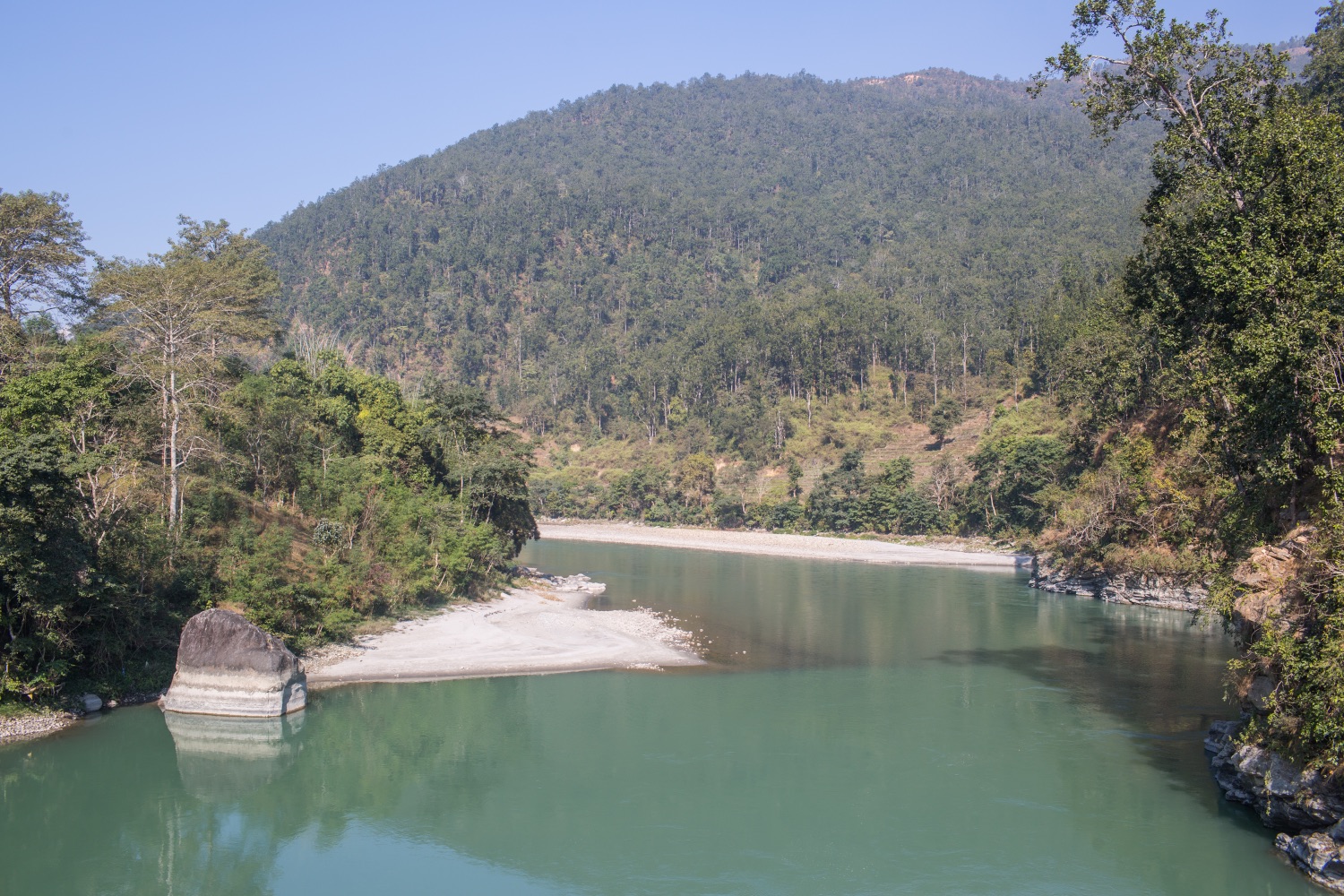
“Even if you raise genuine and serious concern, you are tagged as being anti-development. I think this has helped to instill fear at all levels and civil society has fallen prey to it,” he added.
The project will also undermine the region’s achievements in forest conservation. Some 1,500 hectares of community forests managed by 62 communities will be impacted bny the reservoir. The Pashupati Community Forest in Majhitar is one of them, where locals are cutting trees before the waters start rising.
About 200m above the riverbank, Suresh Shah pointed out freshly cut tree stumps. “When I try to stop them, they say why do you care about these trees, we have lost everything,” he said. “Feelings of ownership had helped conserve the forest, but that is gone now.”
Karki, the project office manager, was unable to answer any questions on environmental issues, and his engineer was equally at a loss. “This is an issue which will be dealt with when construction starts. We have not thought about it and have not been advised on how to deal with it,” Karki said.