
Every year antimicrobial resistance (AMR) contributes to the death of around 5 million people around the world. Resistance to antibiotics, once considered ‘miracle drugs’, is fast becoming one of the biggest threats to health and development in Nepal as well.
Antimicrobial resistance (AMR) empowers harmful microbes to withstand the very medications designed to stop them from spreading. This means that disease-causing microbes such as bacteria, viruses, fungi, and parasites can survive even when we treat them with medicine.
So how are these pathogens getting more resistant? There are many factors, the primary being underuse, overuse or indiscriminate use of antibiotics to treat common infections among humans or livestock.
Introducing medicinal drugs to microorganisms without proper tests and diagnostic trials helps them build resistance and get stronger. As a result, many medicinal drugs have become ineffective because they do not kill the ‘superbugs’. If this keeps up, it will not be long before medicines become ineffective in treating diseases.
AMR is not just a problem for humans, it can affect wildlife as well as the whole ecosystem. Microorganisms resistant to drugs can reach forests and wildlife through air and water. Human-animal interactions can also expose them to these drug-resistant organisms.
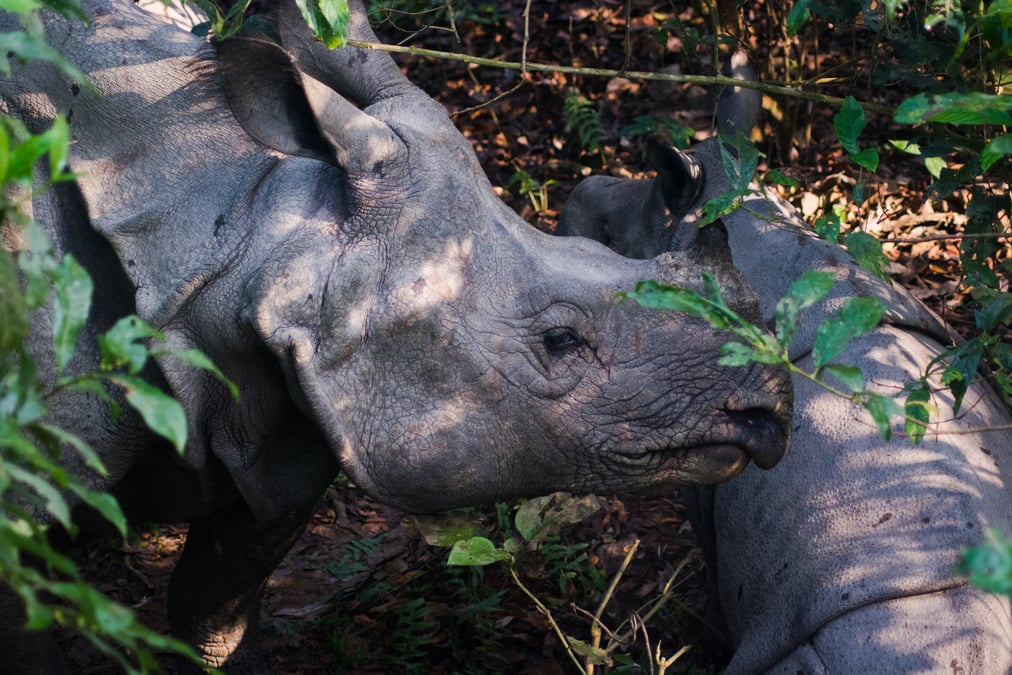
Numerous wild animals like elephants, rhinos and wild boars often venture outside Nepal’s protected areas into farmlands to feed. In buffer zones in Chitwan or Bardia, it is common for domestic and wild animals to graze in the same area and use the same water source, this can transfer harmful pathogens to new hosts – the wild animals.
Once livestock is infected with antibiotic resistant microbes, the shared resources in the forest will create a pathway for transmission of diseases among wild animals.
Read Also: Are you sick of chicken?, Sonia Awale
Even when dealing with known infections, providing medical treatment and care to wild animals poses formidable challenges. This will only be exacerbated when facing infections caused by new superbugs.
The more advanced the infection, the easier it spreads, and lower the chances for it to be treated successfully. The drugs available to treat such diseases will be more limited, and the only option will be to stand back helplessly as wildlife die en masse. By the time new antidotes are tested and delivered, it will be too late, and entire species may be wiped out of their habitats.