
It was exactly a year ago that Nepal went into lockdown after detecting its second case of Covid-19, devastating the tourism industry and impacting the economy. But despite a falling infection rate and the arrival of vaccines, the government has been slow to reopen tourism and restore the livelihoods of millions of Nepalis.
Instead of resuming visa on arrival, for instance, the Ministry of Tourism and Civil Aviation and the Department of Immigration have a cumbersome and confusing process in place that is deterring all but the most determined travellers.
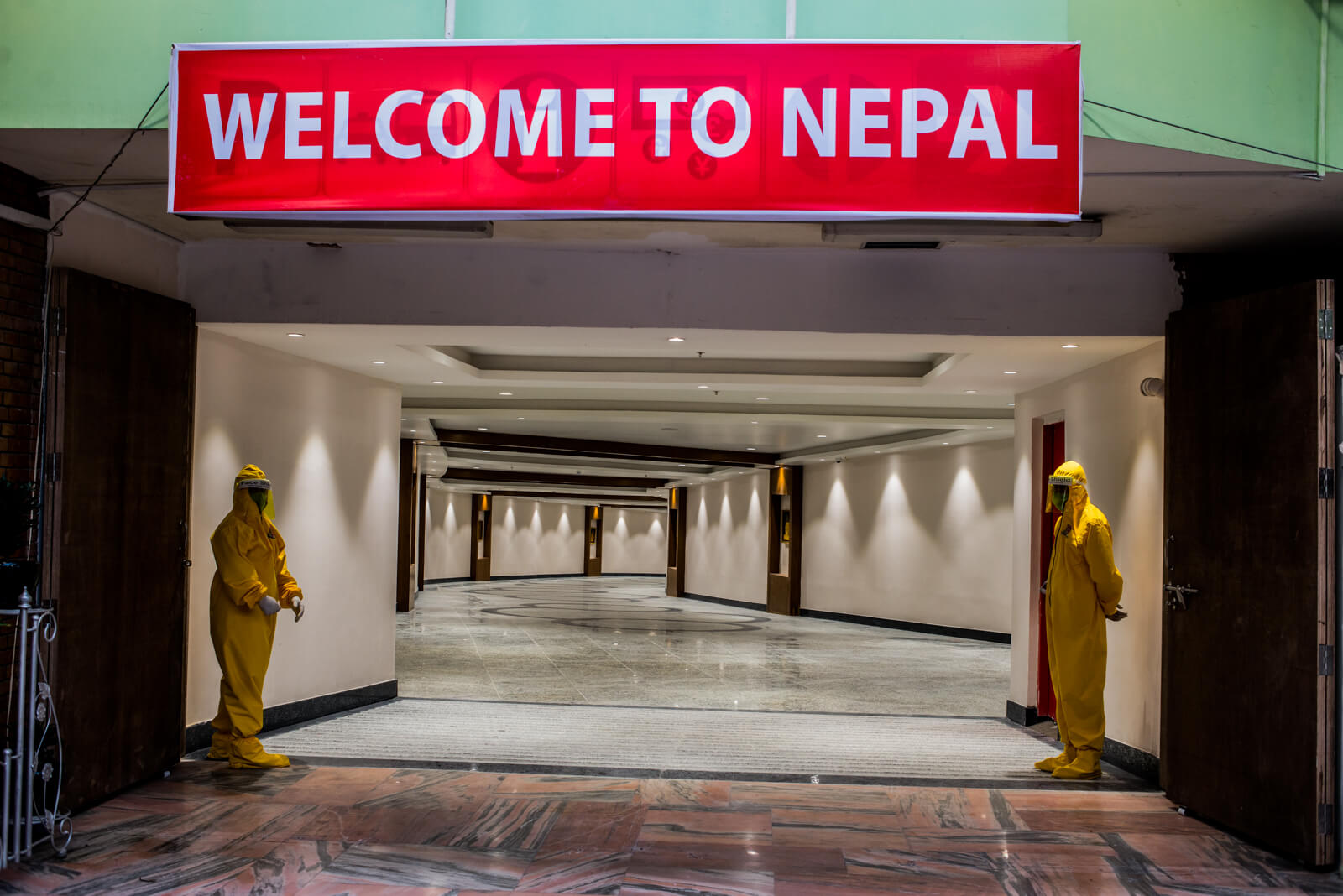
Although Nepal Tourism Board announced last week that recommendation letters for visas can now come from any entity in Nepal (not just trekking and mountaineering agencies) visitors still need visas before travelling, PCR negative test results, paid-for 7-day hotel quarantine in Kathmandu, $5,000 in insurance, and a second PCR at the end of quarantine.
“There has been no clear announcement on vaccinated passengers, the visa requirement is arbitrary and no one is checking about quarantines,” says one travel trade executive. “The rules sound very strict, and that is keeping prospective tourists away.”
Already, 500,000 Nepalis have got their first jabs of the Covishield vaccines, and another 2 million are expected to have both doses by May. While international airlines and some countries are issuing vaccine passes, the Nepal government says it is waiting for clear international guidelines.
“As of now we haven’t decided on a vaccine passport, particularly because there are now multiple variants of the coronavirus and one vaccine might not work against all of them,” says Khajrah Baral of the Covid-19 Crisis Management Centre (CCMC), adding that the World Health Organization (WHO) is yet to provide a clear-cut protocol for vaccine passports.
He adds: “It might look like there is no pandemic anymore in Nepal and life is back to normal, but let us not mistake this drop in the caseload to think that the worst is over. We have to wait to resume full international travel.”
After lukewarm response to the first phase of Nepal’s vaccination drive that saw 429,705 frontline workers take shots, the ongoing second phase aims to vaccinate 1.6 million people above 65 years from 6,000 vaccine centres across the country. This is 8.73% of Nepal’s total population.
“Once this population is covered we will start to see visible benefits of the vaccination drive,” says Shyam Raj Uprety, head of the Government Covid Vaccine Strategy.
The government is now using the first batch of the two million doses of Covishield it purchased from Serum Institute of India last month. On Sunday, Nepal received another 348,000 doses of the vaccine under the COVAX initiative. Later this month, China is also expected to donate 500,000 doses of Sinopharm vaccine.
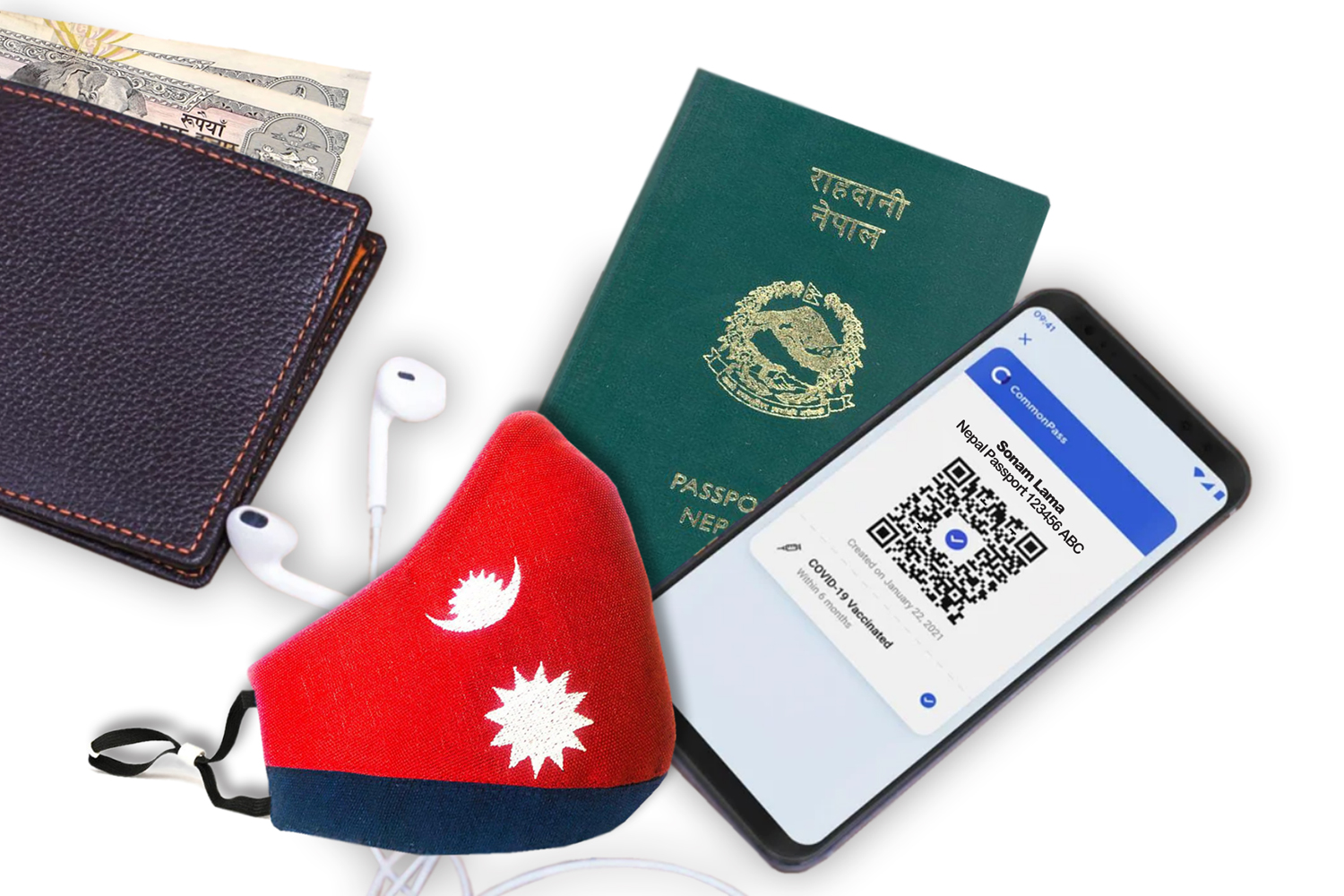
As the vaccination drive gains speed, in Nepal and across the world (over 305 million doses have been administered so far), documentation of inoculation status will become vital to ease crossborder travel. Soon, vaccine passports might be essential for all international journeys.
On Tuesday, China became the first country to rollout Covid-19 vaccine passports that show details of inoculation and results of nucleic acid and antibody tests. Chinese citizens can now register for the certification on both digital and paper formats using a WeChat mini program.
Several countries, including Denmark and Sweden, are also said to be finalising a version of health passports even though there is no accepted international standard yet for such documents or apps. There are also ethical concerns regarding the right of people who chose not to vaccinate, or those who cannot vaccinate because of medical conditions.