This is the 50th edition of Diaspora Diaries, a regular series in Nepali Times with stories of Nepalis living and working abroad.
When I was growing up in Nuwakot, I used to see fellow villagers come back from Kathmandu wearing fancy clothes and carrying a certain swagger. They were earning good money in the garment industry, so I followed them and joined a factory in Kathmandu.
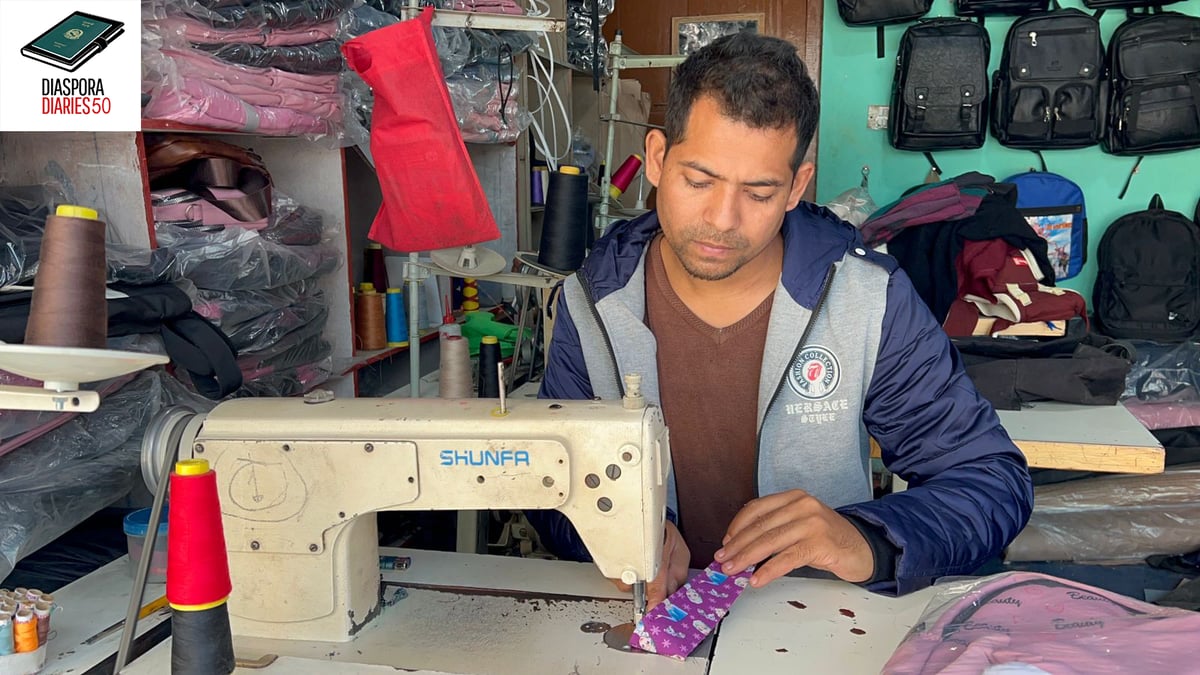
I started out as a helper, but after three months, asked the manager to let me use the sewing machine. I experimented, taught myself how to use it based on observation and guidance from others. Fortunately, it came easy for me.
The garment industry has been my entire world since then. It is all I know, and all I understand.
I spent eight years working in the factory in Nepal and became good at it. We made clothes that were exported to the Netherlands where the garment owner knew a fellow Nepali.
An acquaintance once suggested that I go overseas as there was demand for garment jobs in Jordan. I am not sure if it was, as they say, लहर or रहर (fad or fervor) but in 2012 we applied. The Chinese interviewer who had come from Jordan took a test asking interviewees to sew pockets on a piece of fabric. But I was asked to pull a thread through needles in an overlock sewing machine, which I did seamlessly. I was selected, and a few months later flew off to Jordan. I didn't even know where Jordan was.
Life overseas for us migrant workers was like going to school again. You stay in the dormitory, and show up to work every morning, looking forward to that one day off every week. Every day is the same as the previous day, and you race to maximise output.
In Nepal, one worker would be responsible for the entire garment. But in Jordan we had an assembly line of 35 or so workers, all Nepalis in my case, who stitched specific parts of the jacket- whether it was a sleeve cuff or armhole. It was faster. The jackets were sold in Japan, the US for about $100 each, and were of good quality. Things in the factory felt systematic.
I will always remember a Nepali dai who had been in Jordan for years, and was familiar with the place and spoke Arabic. He welcomed us when we first arrived and told us to let him know if we needed any help. Jordan did not have a Nepal embassy, but as far as we were concerned he was our ambassador.
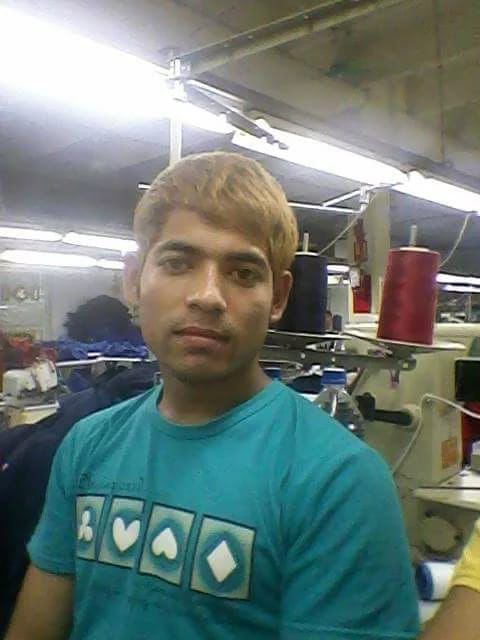
Ten months later, I fell sick. I did not want to remain in Jordan in case I became more ill or if I needed hospitalisation or surgery. Who would take care of me? I missed my family, especially my wife, so I returned to Nepal.
A few years later after the earthquake of 2015, the same employers showed up for interviews in Nepal. I was also looking for better earning opportunities so I applied again. The interviewer recognised me and rehired me instantly. I found comfort in knowing that I already knew some of the colleagues and fellow Nepalis from my previous stint at the company.