
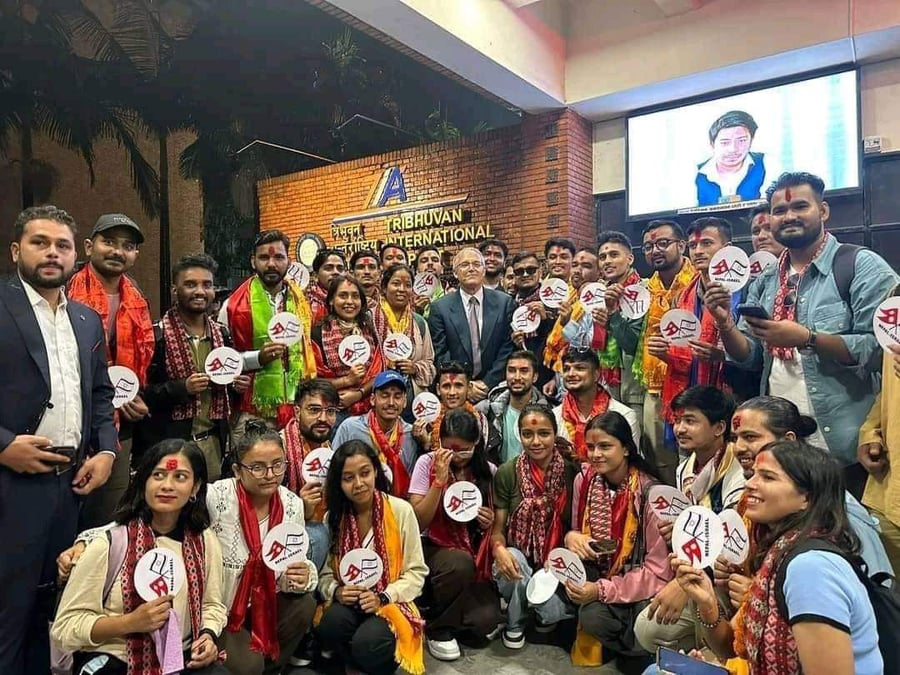
Nepal’s Embassy in Israel has confirmed that 10 of the students at a kibbutz in southern Israel near the Gaza border were killed in the Hamas attack on Saturday, highlighting once more the dangers Nepalis face as the diaspora spreads to war zones around the world.
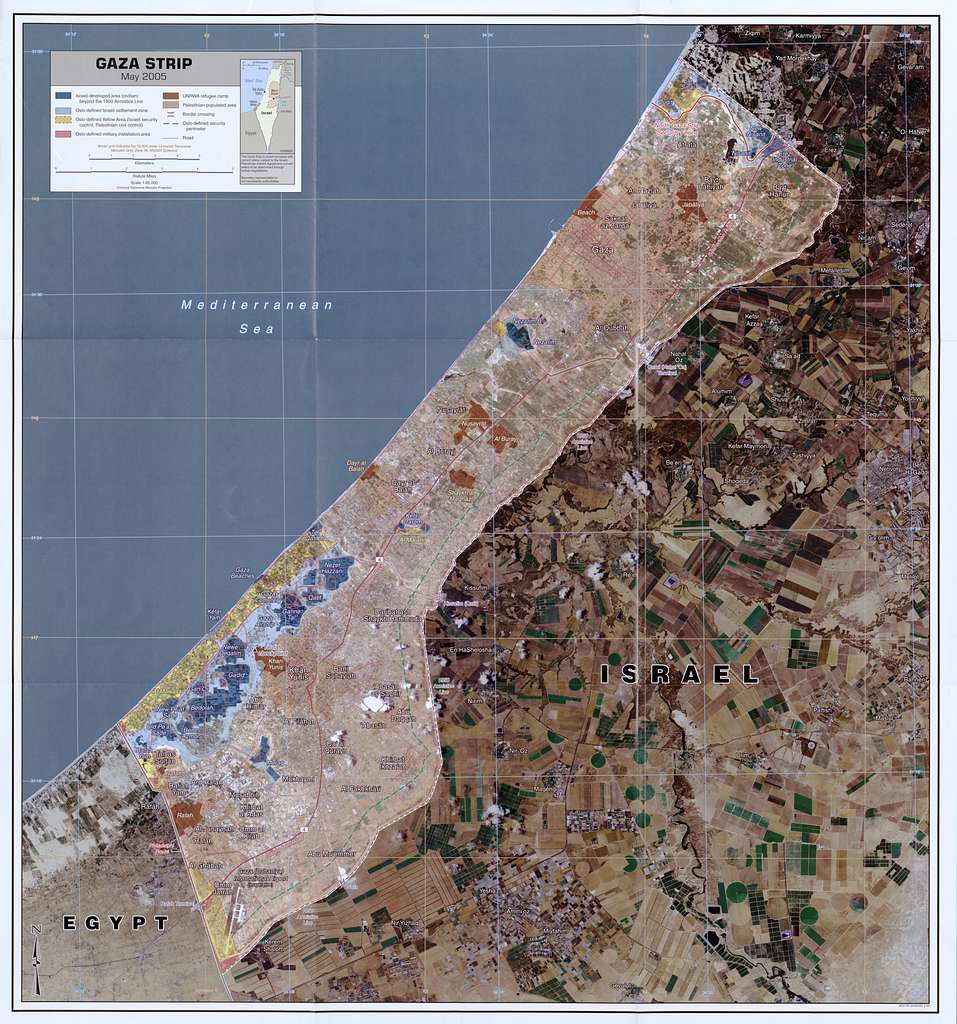
The ten were among 17 students, all from western Nepal, under the Israel government’s ‘learn and learn’ program assigned to the Kibbutz Alumim when it was attacked by Hamas militants from Gaza.
The Embassy has now released the names of the ten, widely circulated on social media, with one student still listed as missing. Four others were injured, two are safe. There has been no confirmation of earlier news that Nepalis were among the hostages Hamas took back with them into Gaza.
Earlier on Sunday, Nepal’s Foreign Minister N P Said had met the Israeli Ambassador in Kathmandu Hanan Godar, before it became clear that there were Nepalis among the fatalities at the farm.
There are currently 265 agriculture students from various parts of rural Nepal who are in Israel to gain experience in farming while earning money working in the kibbutzes. There are another 5,000 Nepali caregivers serving as nurses for the elderly in Israel.
“Most Nepali students here are frightened and want the Nepal government to fly them home,” Ramesh Joshi, a Nepali worker who is helping with the rescue told Nepali Times by phone from Israel.
“The fighting was so intense even the ambulance and army couldn’t get to southern Israel. We all had to stay in our bunkers for safety,” added Joshi, who is with the Non-Resident Nepalese Association in Israel.
Read also: Trapped in Ukraine
Nepalis involved in the relief operations said some of the Nepalis who had been injured had been calling for help, but even the Israeli Army could not reach them because of the fighting.
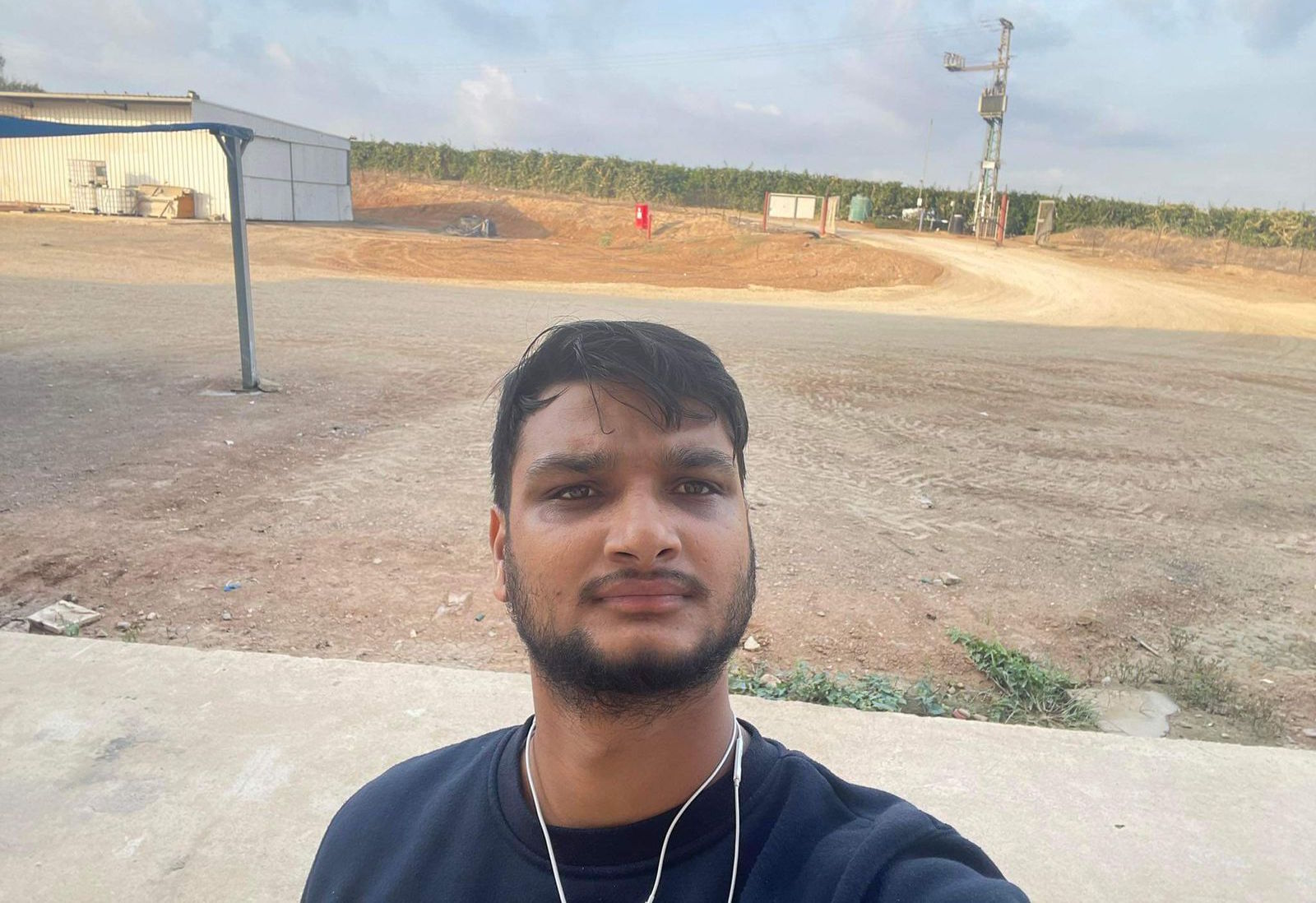
A Nepali agriculture student Louish Rijal who spoke to Nepali Times from a bunker somewhere in southern Israel on Sunday evening said the Nepalis with him were very scared and wanted to be rescued.
"We hear about our friends in other farms dying or injured, and we do not understand why the embassy cannot rescue us. Who is our guardian, the school here, the university in Nepal, our employer, or the government? We are going to die of fear if we keep hiding here."