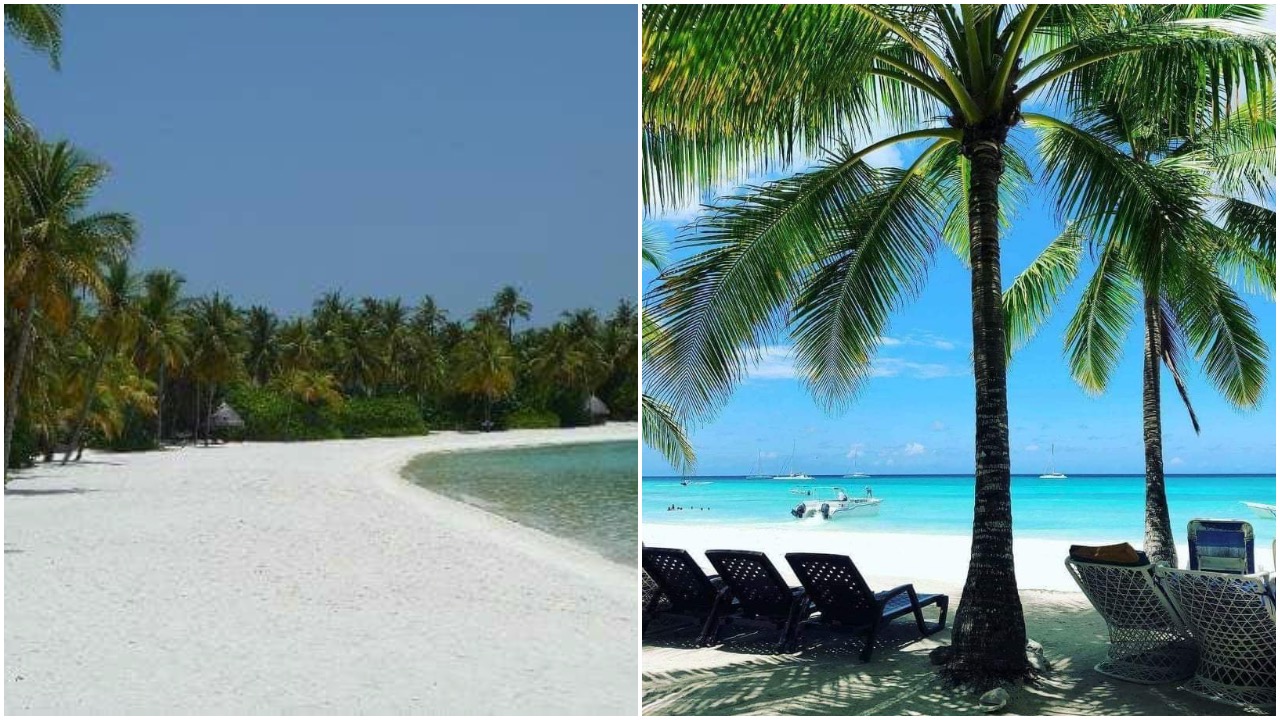
Ninety percent of Nepal’s overseas contract workers are in West Asia and Malaysia, but there are other countries like the Maldives where the estimated 5-10,000 Nepalis employed in the tourism industry have been affected by the global pandemic.
The resorts of this atoll archipelago nation have been increasingly popular for Nepali workers, who have built a strong reputation for work ethics there. Last year alone 2,000 Nepali workers left of the Maldives, nearly four times more than in 2015, to work in hotels and as housemaids.
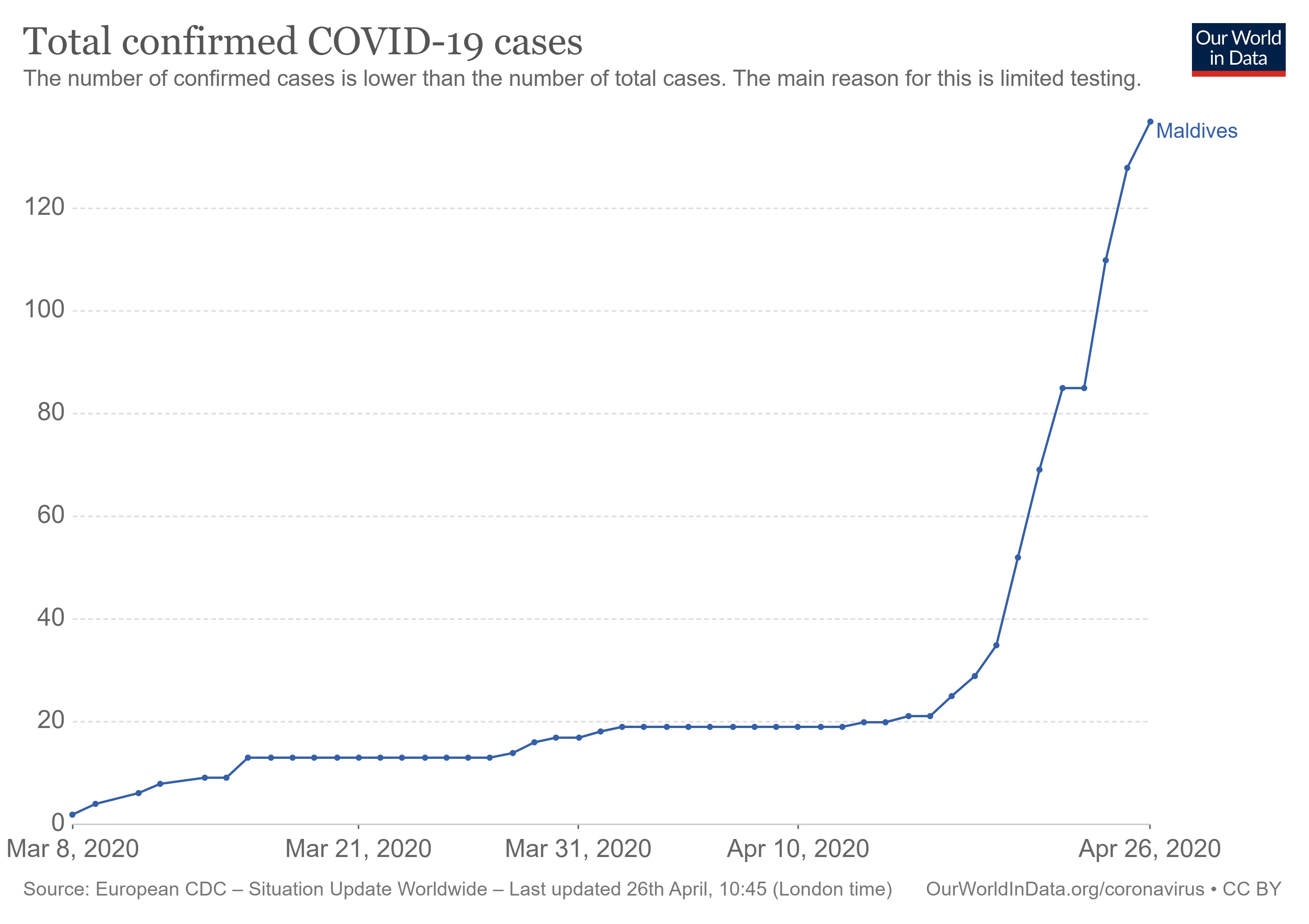
But some of these jobs are in jeopardy because of the pandemic. Of the 191 confirmed COVID-19 cases in the Maldives, over 102 are foreigners including 84 Bangladeshis and 10 Indians. Nepalis have so far been spared, but there is a fear they could be vulnerable because of cramped living conditions.
“Overall, Nepalis have created a favorable impression in the Maldives, but tourism has collapsed because of the coronavirus and Nepali workers have been affected,” says Rita, who has been working in the Maldives for four years, and only wanted her first name used.
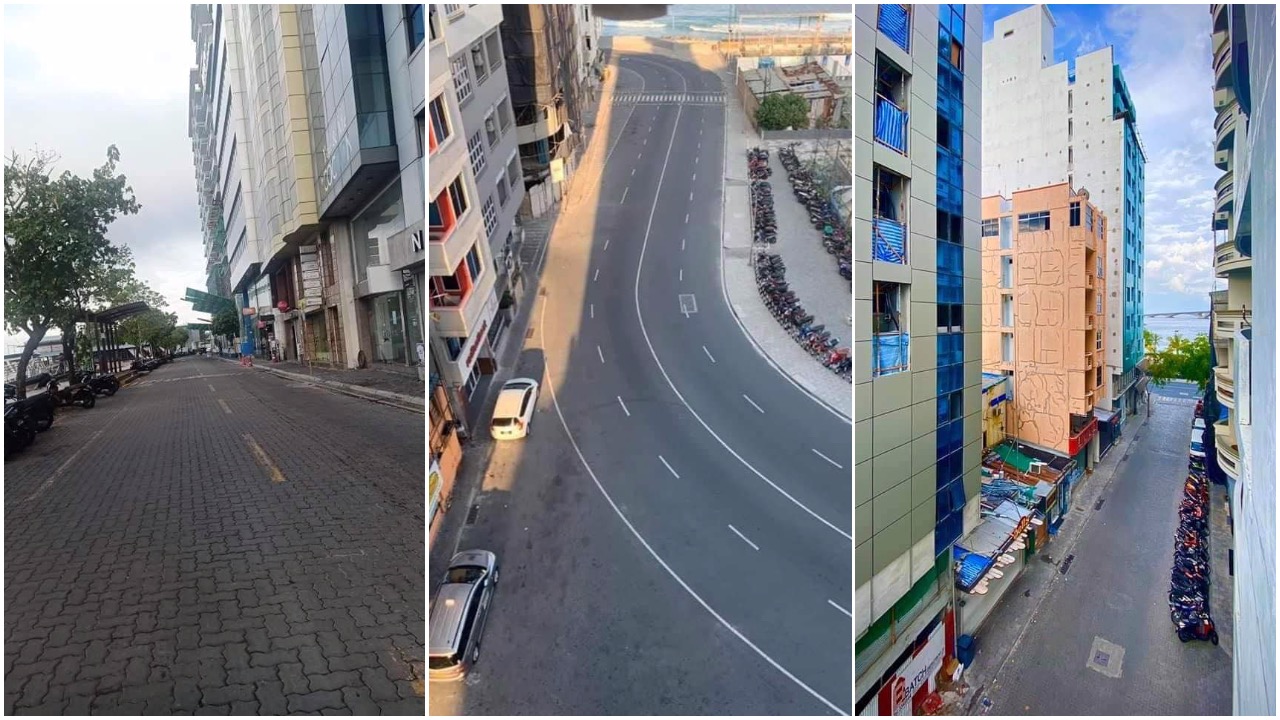
Similar to Nepal, Maldives also set a target for attracting 2 million tourists in 2020, in what seemed like an achievable goal given that 1.7 million tourists visited the country in the preceding year. Tourism makes up two-thirds of the GDP of the Maldives and brought in $2.5 billion last year.
Maldives has a per capita GDP of $10,330 – highest in the region and ten times higher than Nepal. But the World Bank predicts that it is the South Asian country that will be most impacted by the COVID-19 crisis. The Maldivian government hopes to start issuing visas on arrival by July, but even in the best-case scenario it expects arrivals to drop by half in 2020.
A Nepali worker at a luxury resort told us over the phone that the Maldivian government has assured foreign workers that they will be treated on par with locals, and indeed employers were providing food and accommodation to them in the resorts which is a huge relief.
However, he added: “But some staff are not getting paid, while others are only getting partial salary and this has worried some workers.”
Some hotels have told workers they should go home on unpaid leave until the tourism industry bounces back. In a survey by the Nepali community, 319 have expressed the desire to go back to Nepal paying for their own tickets. But there may be more who want to return if the Nepal government eases travel restrictions.