Santosh Shah, the now famous Nepali who is a finalist in Masterchef: The Professionals 2020, knows how the right combination of effort and luck helped him to come such a long way from a village in Siraha to Britain and onto the world stage.
This is an immigrant success story that proves talent is everywhere, opportunities are not, and migration can be an equaliser of sorts. Hard work, determination, and passion for his chosen profession made Shah one of the finalists in the coveted cookery competition.
“If I can do it, so can others if they are given an opportunity – there is no shortage of talent in Nepal and I am no exception,” Shah told Nepali Times in an interview.
However, the less discussed, and perhaps less glamorous part of this globalisation of Nepali cuisine, is that the ‘chef’ occupation is one of the hard-to-fill occupations in the UK. The shortage of chefs in Asian restaurants across Britain led hundreds of them to close shop even before the Covid-19 crisis.
South Asian restaurants in the UK prefer to hire migrants from the Subcontinent who are familiar with the cuisine, the flavour and the spices. But British immigration rules have made it difficult to hire chefs from non-EU countries. The minimum threshold salary and other recruitment expenses are too high for an employer to be able to sponsor South Asian migrants, says Ravi Thapaliya at City Cleaning, a placement agency.
But all this is set to change from 11pm on 31 December, 2020 when the Brexit transition period expires, and the free movement of EU citizens to the UK will come to an end.
“Non-EU and EU citizens will now be treated equally and be subject to the same set of rules,” explains UK-based solicitor Deepak Bhattarai. A point-based immigration system favouring skilled workers will require both EU and non-EU applicants to obtain at least 70 points, which depends on different criteria including job offers that meets salary threshold, English proficiency, education background, minimum salary and whether or not the occupation is in the Shortage Occupational List (SOL), which lists jobs facing a shortage and where it is ‘sensible’ to fill those with migrant workers.
Now, the threshold salaries for skilled workers, including chefs, has been slightly reduced, and the point-based system has been made more flexible so the UK government can revise the criteria based on labour market requirements.
Chefs have been included in the SOL which rewards additional points to the applicant, but many restaurants find the salary threshold is too high, especially with the pandemic crisis. “The incentive in the near future will be to mobilise workers who are already in the UK,” says Thapaliya.
Easier immigration rules to recruit non-EU staff was one of the reasons why many in the South Asian Britons voted for the Leave option. But the inaction post-referendum has left the ‘curry industry’ that employs over 100,000 people, feeling misled by pro-Leave politicians. Hiring both EU and non-EU staff is now more difficult.
“Businesses will continue to lobby with the government to further reduce the salary threshold. But there is a lot of uncertainty regarding immigration at present both because of Brexit and Covid,” Thapaliya adds
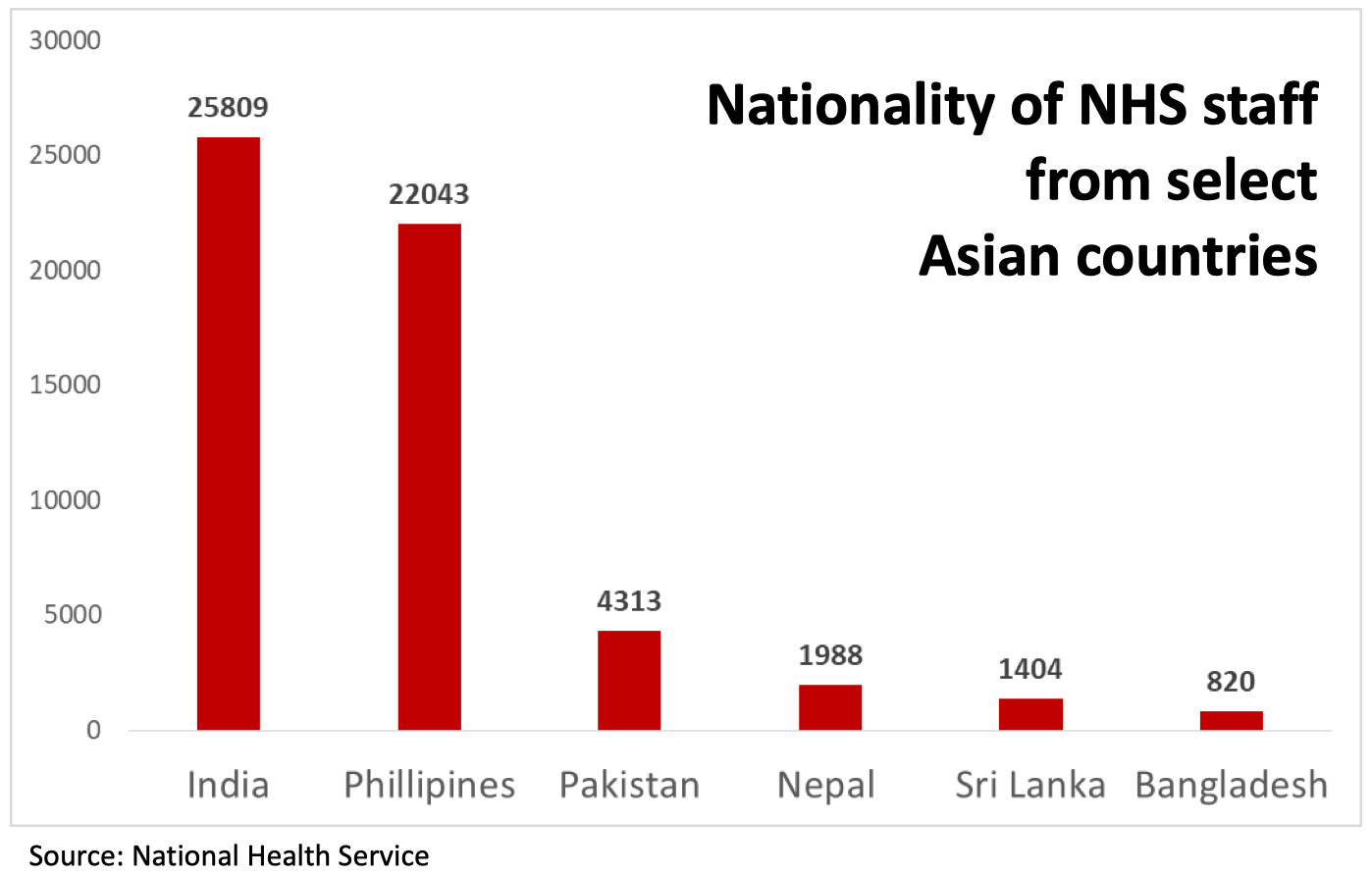
Things are different in the medical sector, where there is an acute shortage of health workers and there are opportunities for nurses, including from Nepal. Both Covid-19 and the end of free movement have further amplified the demand for health workers, including from outside the EU. Britain has introduced a fast-track entry system with certain waivers including reduced fees for doctors and nurses, while visas for current healthcare workers was automatically extended for one year.
Nirmala Simkhada has been working in the UK for the last 12 years and has seen a demographic shift among her colleagues. She says, “Many of my friends from Eastern European countries like Romania and Bulgaria are returning to their countries because of the Brexit uncertainty, added paperwork, lack of access to the same benefits as British nationals.”
Rising wages in their own countries and the fall in the value of the British pound after Brexit also mean that staying on in Britain is no longer as attractive as it used to be. Simkhada thinks newcomers from EU countries will also drop because of added complications like the new requirement to take IELTS language tests just as non-EU migrants have to.