
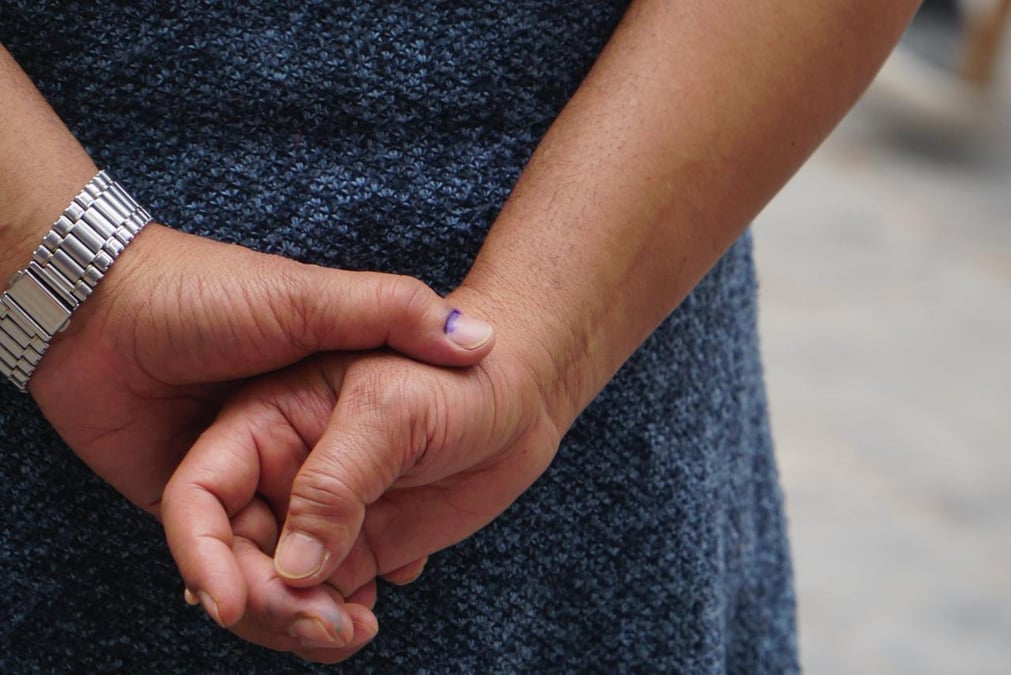
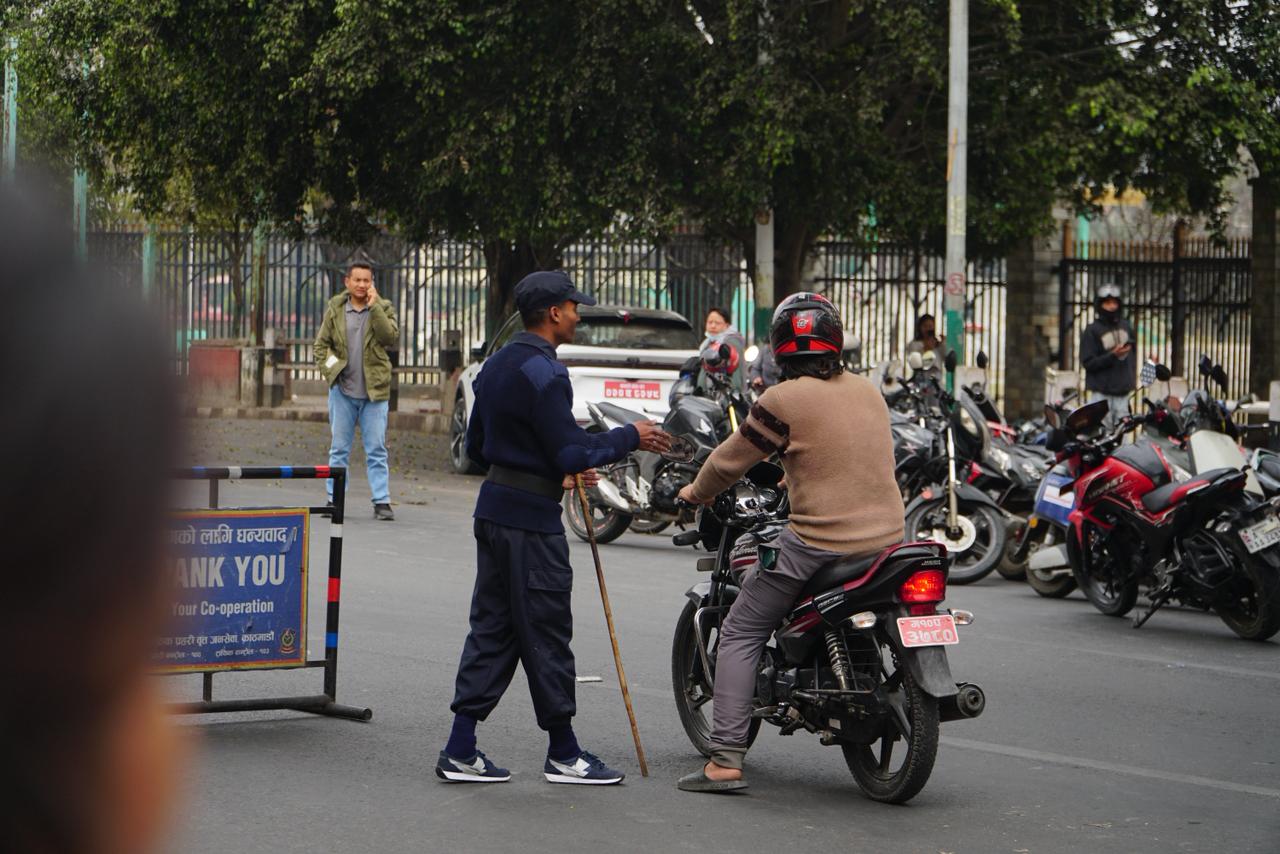
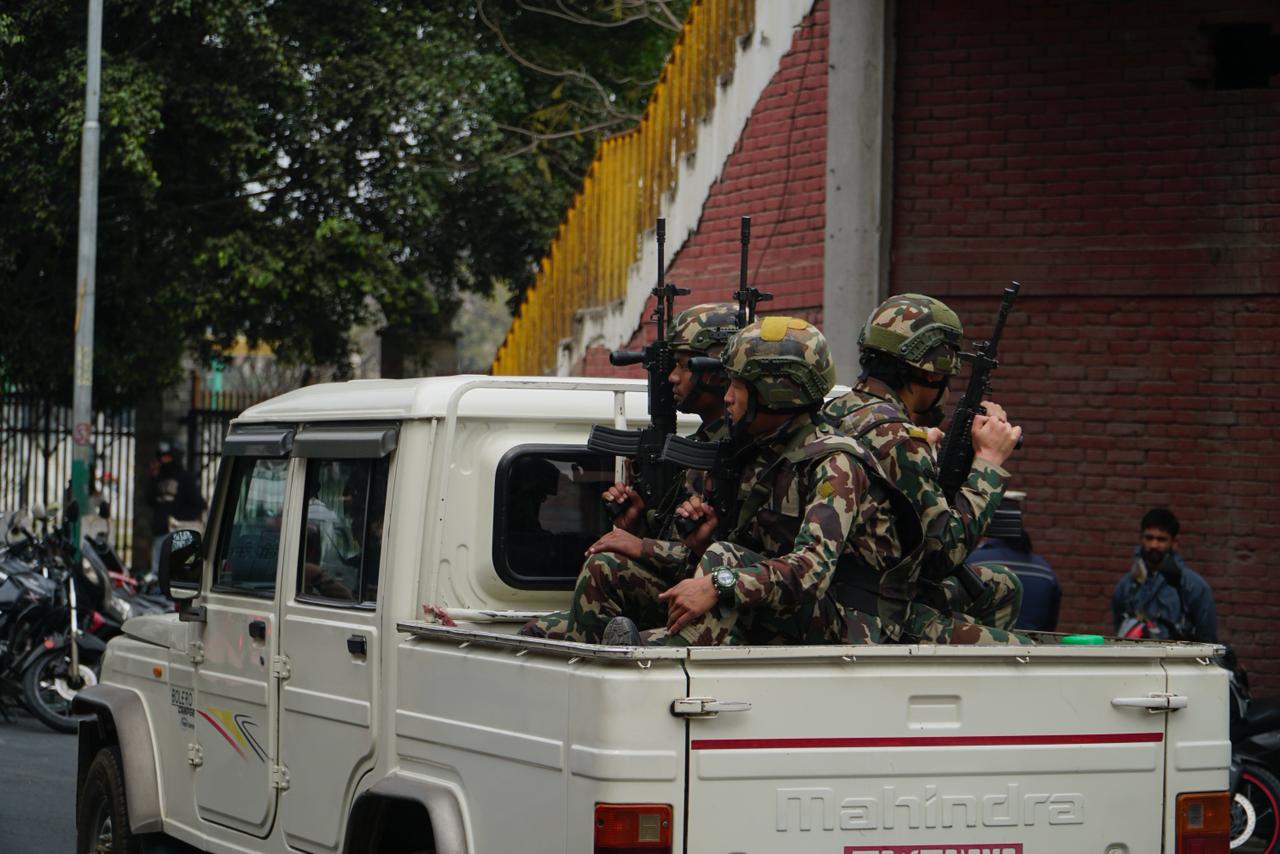
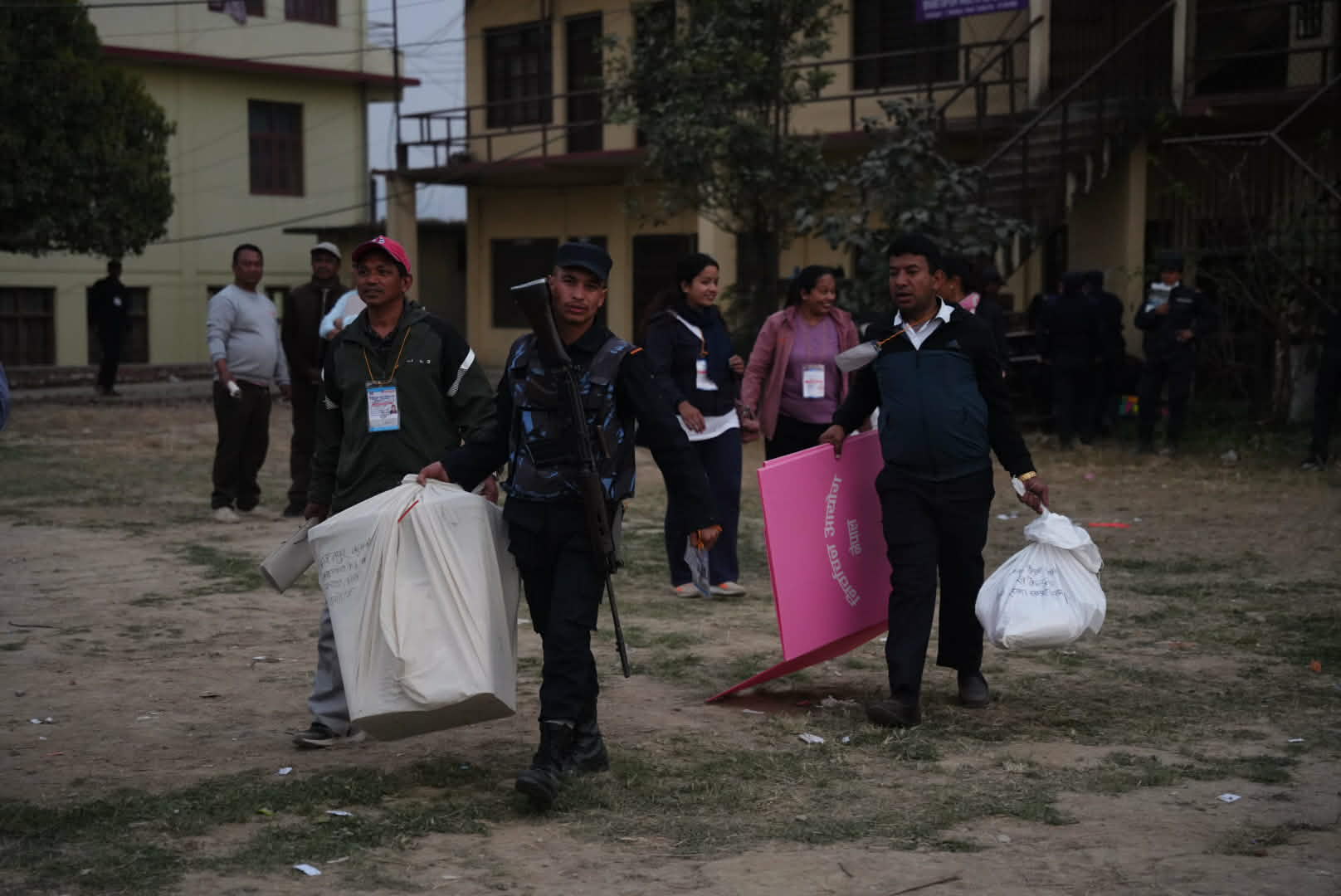
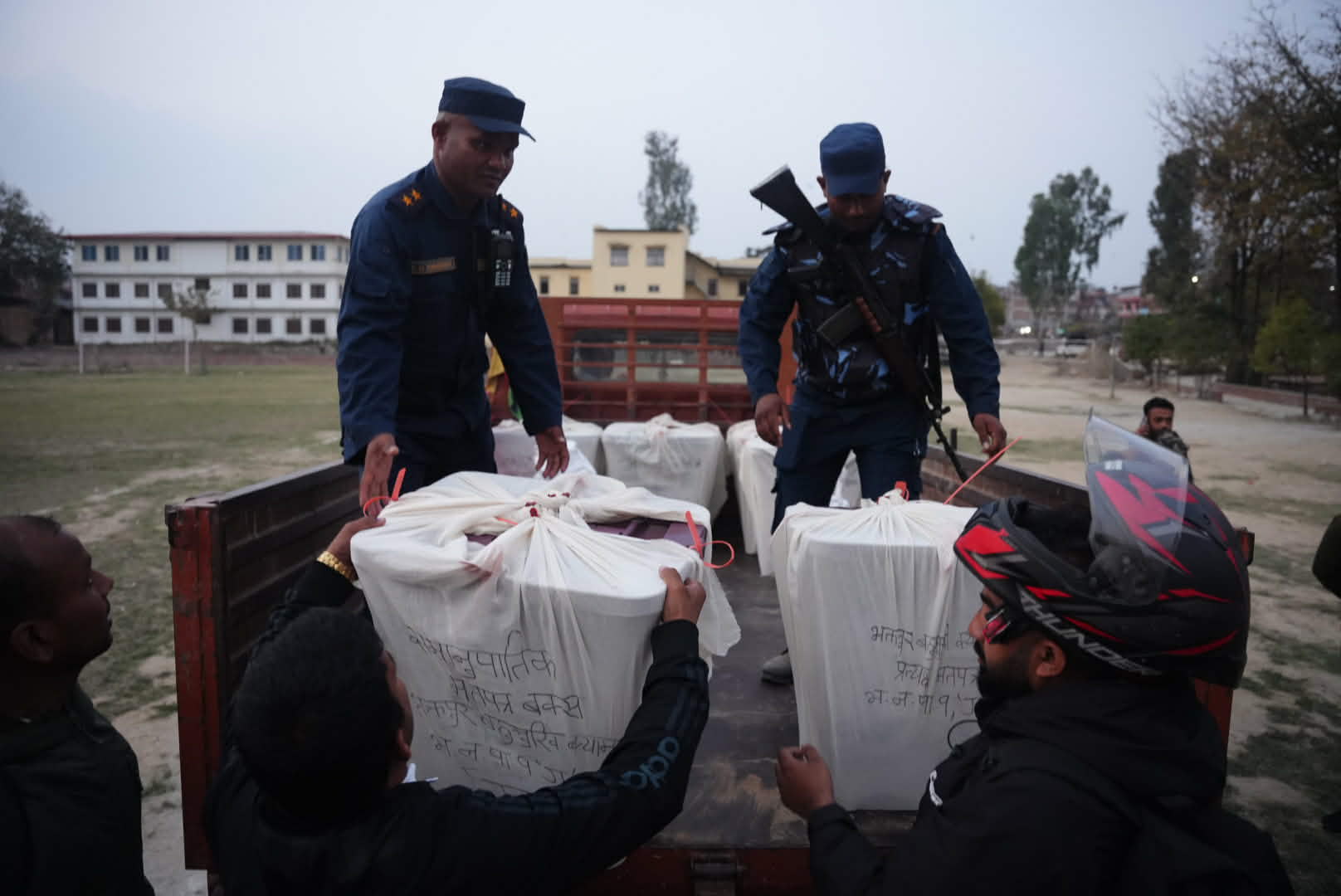
Nepal conducted its post-GenZ movement early election on Thursday in a peaceful and orderly manner, although turnout was below average in most districts. In fact, some constituencies saw voters reject the election, including in Arghakhanchi and Mustang.
Preparation for the polls had to be done hurriedly after the September protests, with little time for political parties to work on their manifestos and campaign. But the election did push most parties to field younger, fresher and untainted candidates.
This was more a personality-driven election for the next prime minister than a traditional parliamentary poll. The three main parties had pre-emptively announced their prime ministerial candidates although the chief executive is supposed to be decided by the largest party in the House.
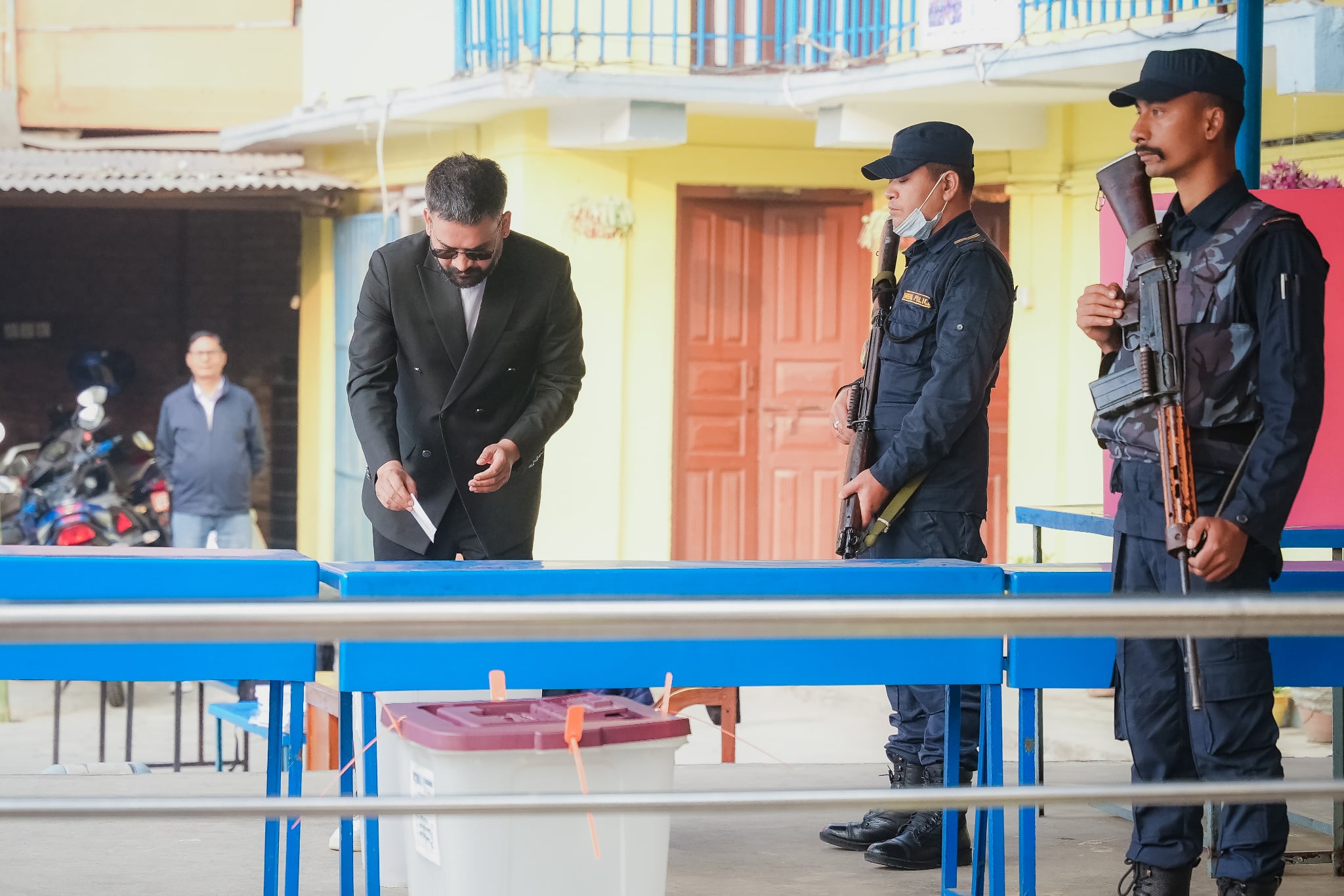
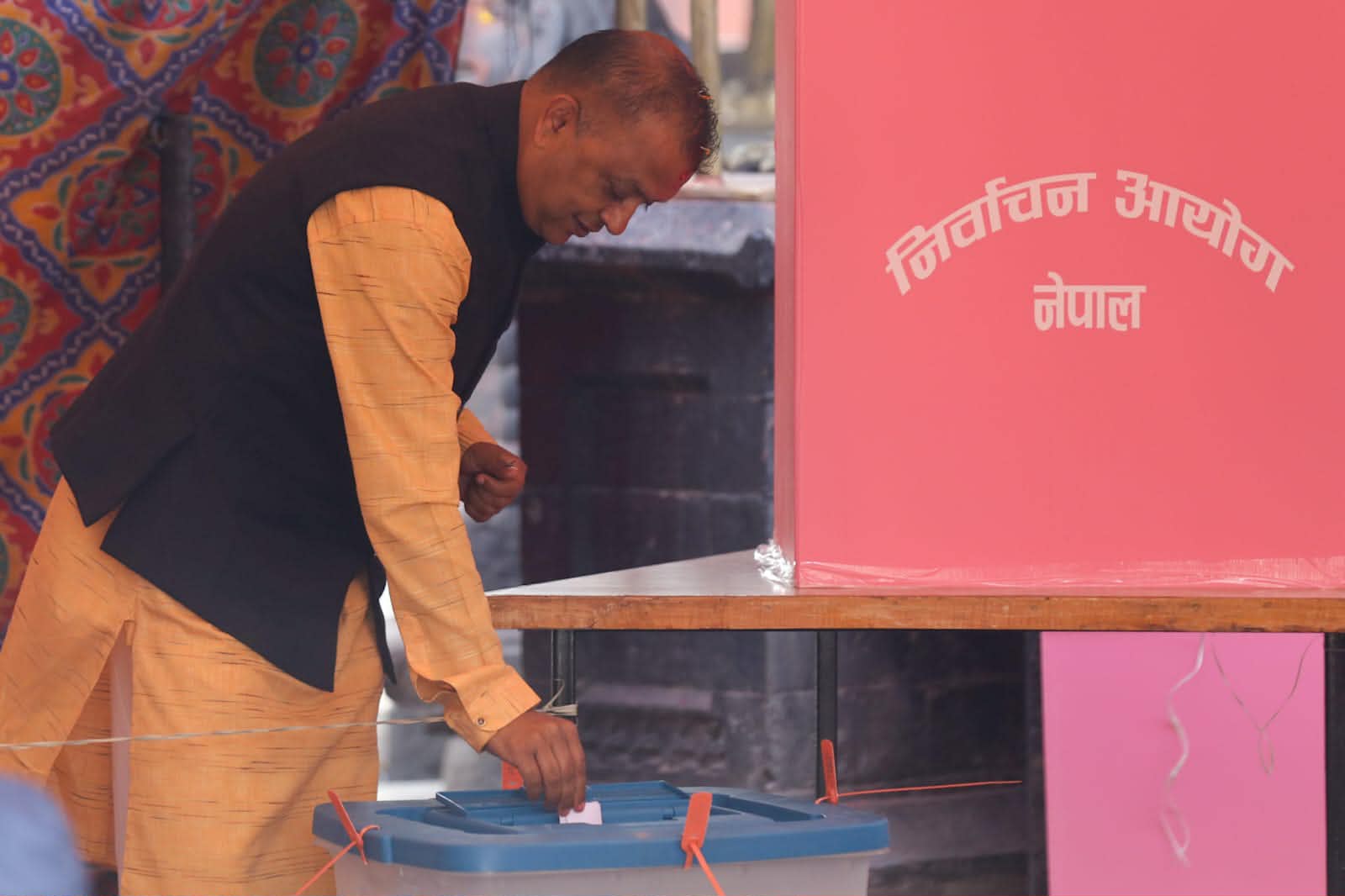
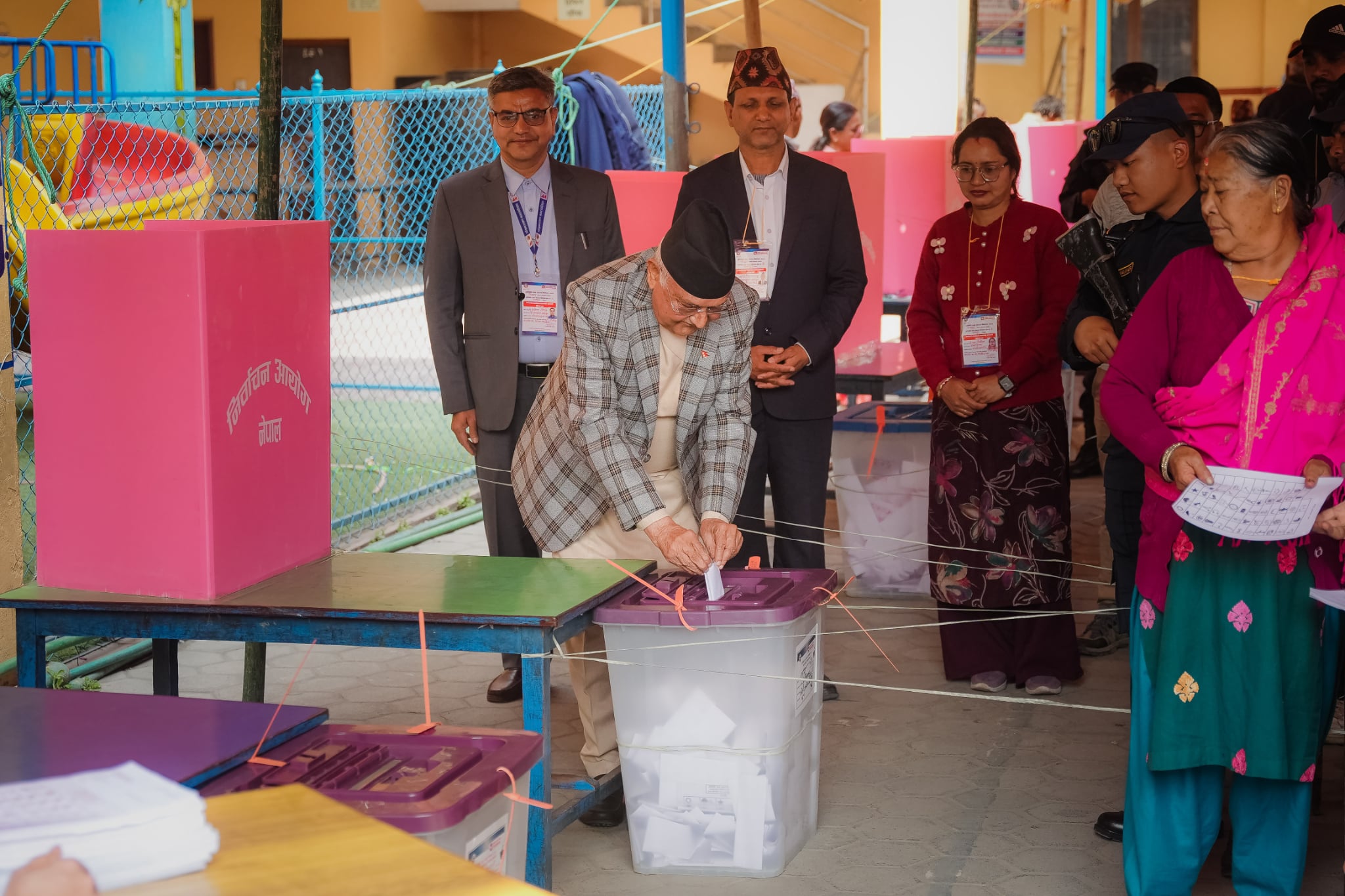
Going by the noise on social media sites, there seemed to be overwhelming support for the Rastriya Swatantra Party (RSP) and its prime ministerial hopeful, former Kathmandu mayor Balendra Shah. Standing against him in his home turf was K P Oli, of the UML who was forced to resign after the 9 September protests.
Although the UML was fielding a tried and tested leader, the Nepali Congress (NC) has tried to carry forward the GenZ aspiration for change by putting forward its new party leader Gagan Thapa as its prime ministerial candidate.
The lower-than-average turnout appears to have been driven by several factors: a public that is apathetic towards the older parties but is not yet convinced by the capability of the new. Limited time campaigning, and the over-idealistic manifestos of the parties does not seem to have fired up the electorate.
The low turnout is also a reflection of massive outmigration from rural districts, and the requirement that voters had to go to their own home constituencies to vote. And since the Election Commission could not organised ballot by mail or online voting, most of the estimated 4 million voters abroad also could not cast their ballots.
To be sure, Nepalis abroad do represent an anti-incumbent vote bloc, and they have influenced families and friends back home through social media. The trend towards RSP and younger candidates is therefore a rejection of the old, and a protest vote against the legacy parties rather than full support for the new ones.
Many migrants who were coming back to vote were also stuck in West Asia after the war broke out between Iran and Israel-US. Airlines have had to make drastic rerouting plans, and at least 21,000 flights have been cancelled.
The conflict will affect petroleum imports including LPG and aviation fuel, if it continues any longer. Although our reliance on fossil fuels is declining, thanks to the increased electrification of transport and cooking, the shortage might be the first crisis for the new government of Nepal to tackle.
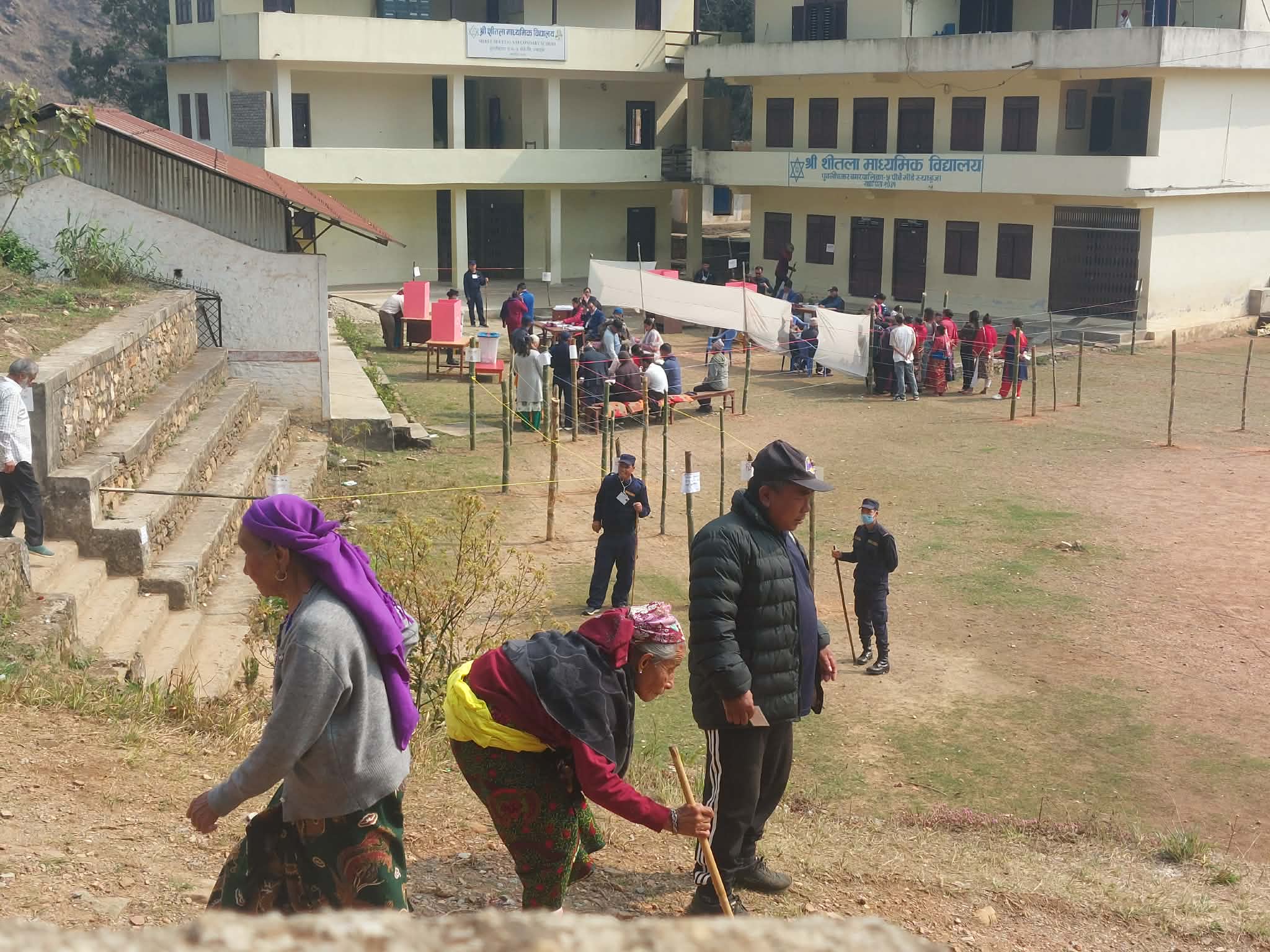

There were 18.9 million registered voters nationwide, and the 60% turnout this time follows a declining trend, possibly making it the lowest in Nepal's polling history. In the first federal election in 2017, the turnout was an impressive 67%, which dipped to 61% in the 2022 election, although it was slightly higher in the municipal election.
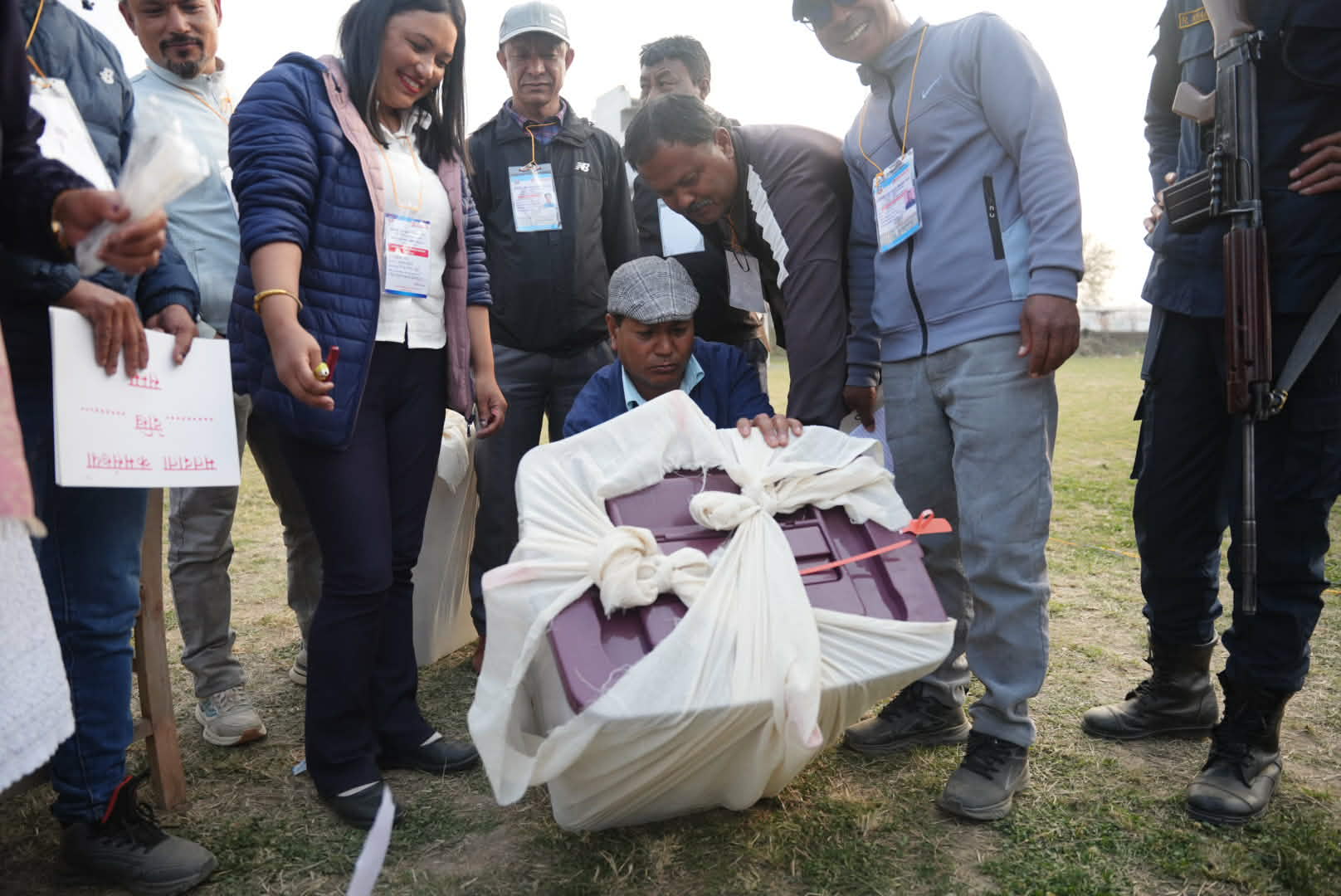
The EC has started counting the votes on Thursday evening and hopes to have the winners of the FPTP candidates out within 24 hours, however the tallies of the Proportional Representation ballots for the parties may take up to a week.
Many have praised the interim prime minister installed six months ago by the GenZ movement, former chief justice Sushila Karki for conducting the polls on time as promised—a task that looked impossible until a few months ago, especially considering how Sri Lanka and Bangladesh suspended their electoral processes for a long time following their own youth uprisings.
Balen Shah also took to his social media to commend Karki. He wrote: 'हजुरको नेतृत्वमा आज लोकतन्त्रले जितेको छ । #आमा' (Democracy has won under your leadership. #mother).
After casting her vote from Kathmandu on Thursday, Karki said: “I have fulfilled my responsibility towards the nation, let us hope the people’s wish for stability and prosperity will be fulfilled by the new elected government.”