
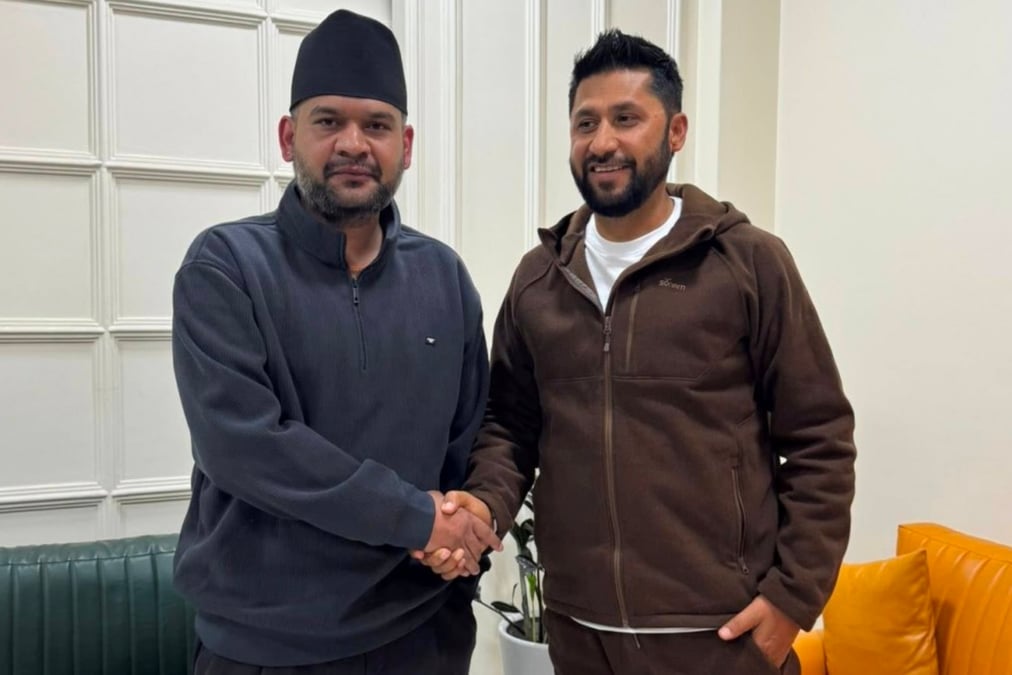
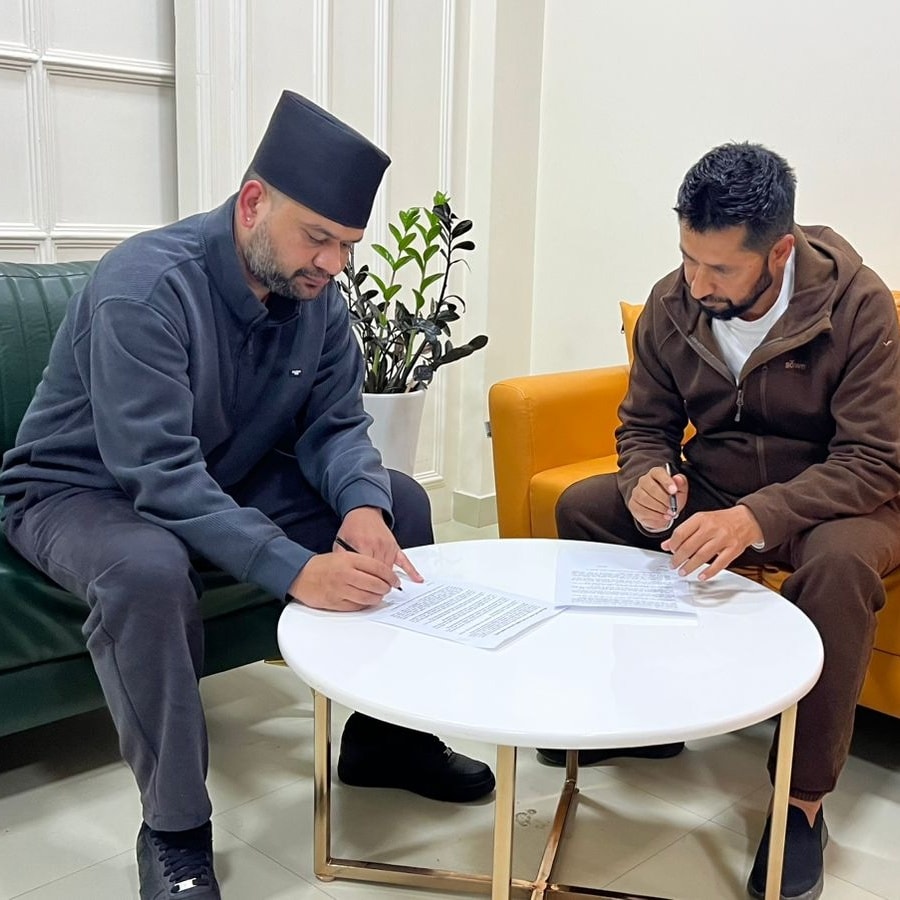
After a week of to-and-fro that culminated in all-night bargaining, two populist young figures in Nepali politics agreed at 4AM on Sunday to join forces ahead of elections in March.
Rabi Lamichhane of the RSP, who came out of jail a week ago, has forged an alliance with Kathmandu mayor Balen Shah. Both are keen to ride on the GenZ wave that radically changed the direction of Nepal’s politics that has been dominated by three mainstream parties for the past three decades.
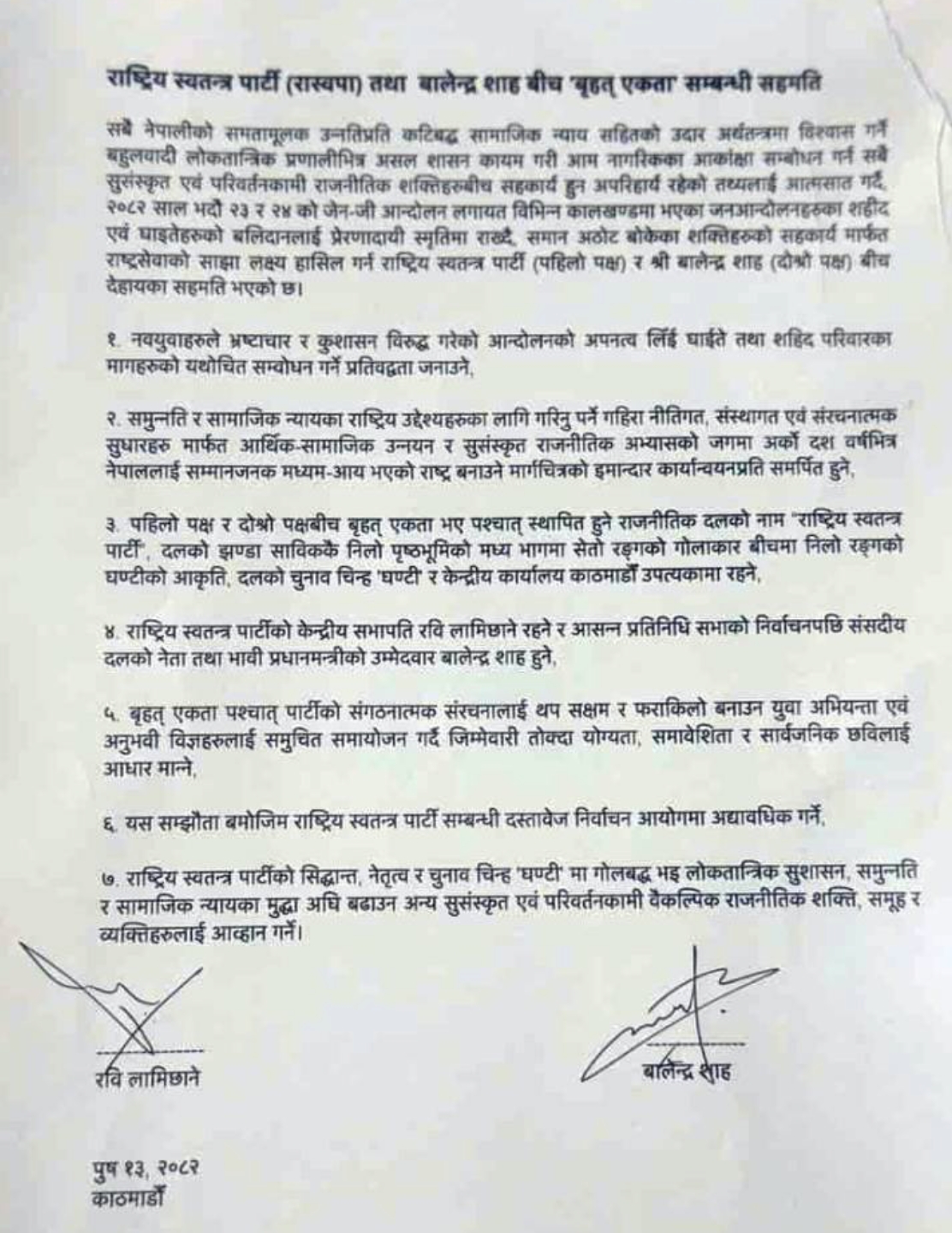
Under the 7-point deal, Lamichhane will still head the RSP, while Shah has been promised prime ministership if the party wins a majority in the federal elections. Shah will also be the parliamentary party leader. The RSP will keep its name and election symbol.
“Agreements must be made not on the basis of what leaders want, but on what the country needs,” Lamichhane wrote on social media announcing the alliance. The RSP chair is said to have put his own prime ministerial aspirations on hold to ensure the Kathmandu Mayor's support for the March polls.
This is an alliance of convenience. Lamichhane requires the backing from Shah’s youth voters to face the legacy parties, while the mayor needs a political platform. Ultimately the prospect of leading not just Kathmandu but Nepal itself appears to have been the deciding factor for Balen Shah. The Kathmandu mayor is reportedly keen to contest the election from Jhapa against former prime minister K P Oli in his constituency.
The two have much in common. Lamichhane, a former tv anchor, returned from the United States and launched the RSP as an alternative party four months before elections in 2022. He served as Home Minister twice in Pushpa Kamal Dahal's coalition government before being jailed for defrauding cooperatives depositers. He made a jail break during the September protests, returned to prison voluntarily, and was released on bail last week.
Balen Shah stood as an independent candidate for mayor of Kathmandu in local elections in 2022, and was catapulted to victory because of anti-incumbent protest votes among urban youth.
Both campaigned on social media, pushing a populist anti-corruption agenda and against the governance failure of the three establishment parties — the same logic that drove the GenZ protests in September that escalated into violence and brought down the UML-NC coalition.
Even as government buildings smouldered on 10 September, GenZ members were strongly urging Balen Shah to be the interim prime minister, but when he declined they voted on Discord for former chief justice Sushila Karki.
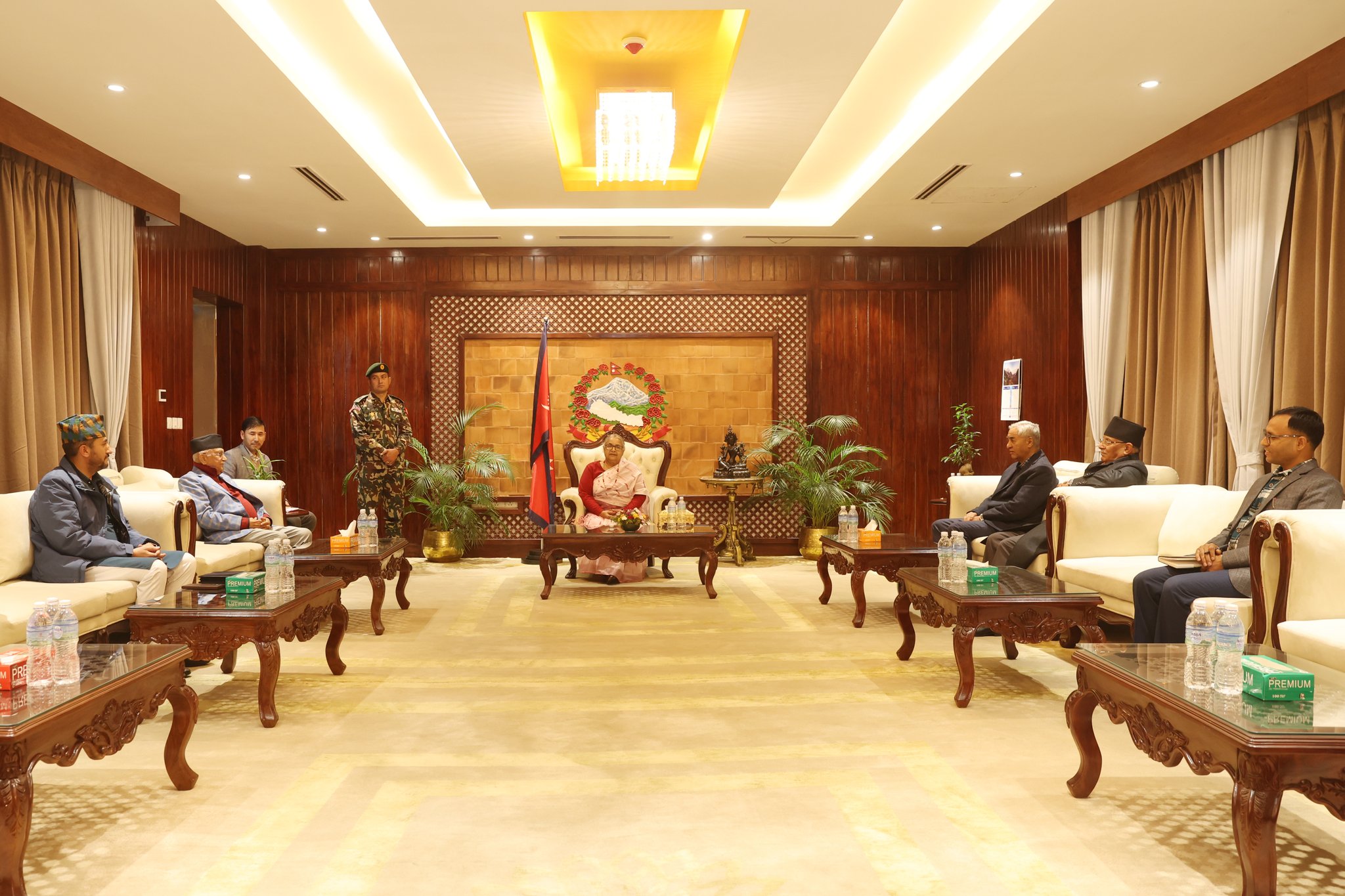
With just over two months to go for elections on 5 March, Prime Minister Karki has been trying desperately to get the mainstream parties on board. She has met twice with the top leaders of the UML, NC and the NCP. All three parties have been dealing with internal power struggles, and the UML appears to be the most reluctant to face elections.
The UML’s former prime minister K P Oli has refused summons by the Judicial Inquiry Commission charged with investigating the massacre of protesters on 8 September and the arson and vandalism the next day. Then home minister Ramesh Lekhak is scheduled to give his deposition to the Commission this week.
The legacy parties appear to be taking the threat from the Rabi-Balen partnership strongly, and have been trying to forge an electoral alliance so they do not compete against each other.
They are relying on traditional vote banks among the rural electorate, and calculate that alternative forces will cancel themselves out. They could also be hoping that Balen Shah’s erratic behaviour and Rabi Lamichhane’s prison conviction will put voters off. A total of 837,094 first-time voters have been registered in Nepal ahead of the elections.
The Kathmandu mayor is an engineer and rap artist, and had till now been reclusive, preferring to post on social media rather than face the press. His late-night online posts have been impulsive: like the one urging that Singha Darbar be burnt down, or another one recently in which he used the f-word against the US, China, India and the mainstream parties. He later deleted both posts.
Lamichane and Shah had also been negotiating with Energy Minister Kulman Ghising’s newly-forced Ujyalo Nepal Party, but the bargaining did not go well because Ghising refused to fight elections under the RSP banner. If the three had been successful in coming together, it would have been a formidable alliance.
There are misgivings about the RSP-Balen Shah deal, even among some GenZ who see the two prominent men dividing up the power structure as just the kind of political culture they wanted to reform. Many are already predicting exactly the kind of clash of egos between the two alpha males that characterised Nepali politics since the restoration of democracy in 1990.
In the coming days, as with most political change in Nepal, there will be much speculation about the geopolitics behind the Rabi-Balen deal. Balen Shah’s angry post against India-US-China as well as his past nationalistic pronouncements on Nepal’s territorial dispute with India over Kalapani will be recalled, while Beijing has misgivings about the antecedents of some GenZ figures.
Dharan-mayor Harka Sampang, who has also formed his own political party, has already pronounced the Rabi-Balen deal as being “foreign backed”.