
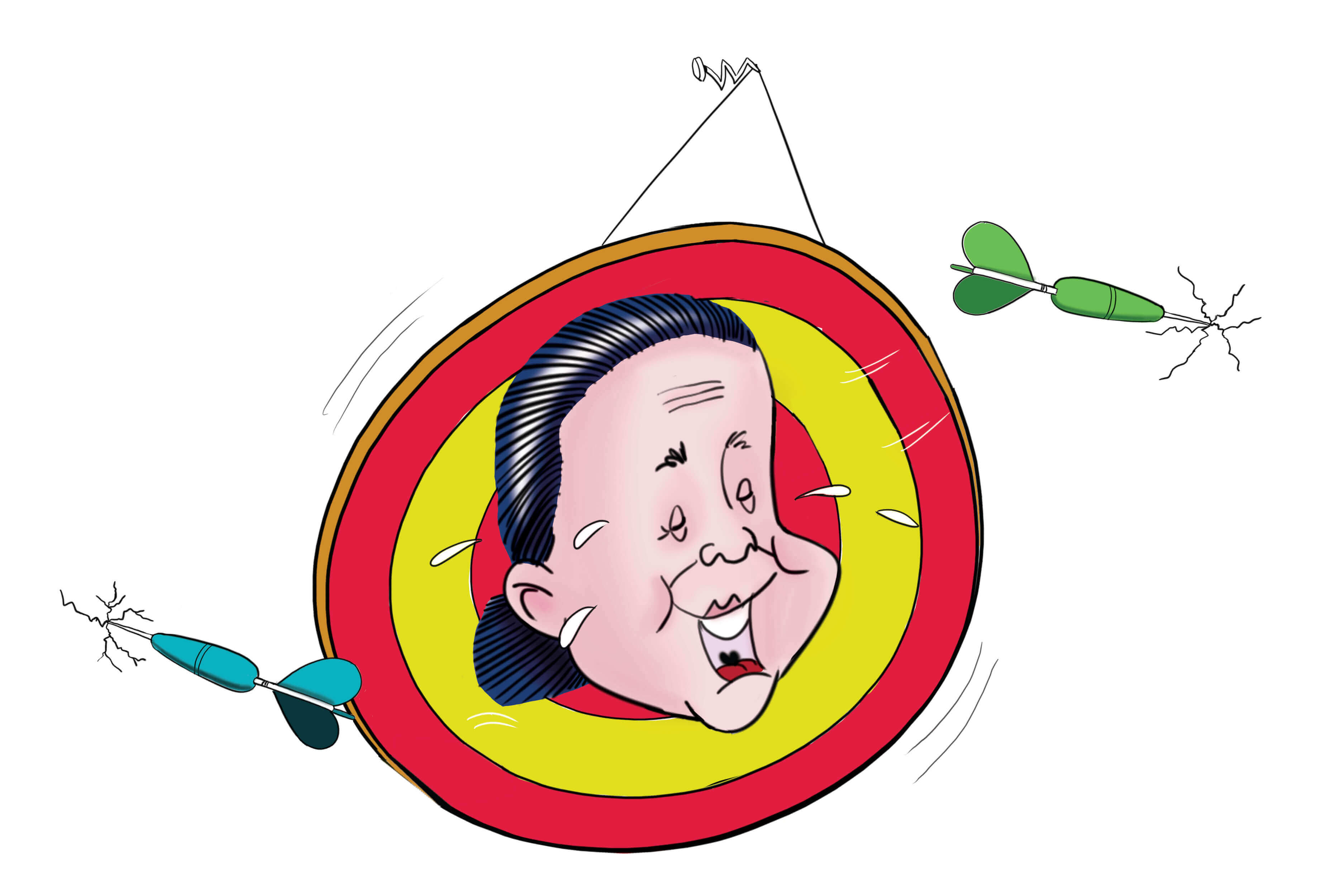
An ongoing impasse over the Speaker at the House of Representatives has once more brought to the fore the power struggle within the ruling Nepal Community Party between an ailing prime minister and a prime minister-in-waiting. And in this battle of the alpha males of Nepali politics, it is the appointment of women in decision-making positions that is the casualty.
The post of the Speaker has been vacant since the former speaker Krishna Bahadur Mahara was arrested on charges of rape of a parliamentary colleague in September. Nepal's Constitution requires that the Speaker and deputy must be of different parties and different genders.
Read also: Crushers of justice, Editorial
Current deputy speaker Shivamaya Tumbahangphe is from the former UML component of the ruling party NCP which wants her to resign so that it can make a political appointment. Women's rights activists and politicians have termed this discriminatory. But the feisty Tumbahangphe, who is the only woman politician in Nepal with a PhD, has refused to resign until now.
There has been tremendous support for her also on social media. But parliament's winter session has been postponed again and again -- the last time in 12 January even though there was no need to do so.
"Our laws clearly state that the deputy speaker can conduct the parliament session in the absence of the speaker," says Rojnath Pandey, spokesperson of the parliament secretariat. "The parliament sessions have been postponed due to undisclosed reasons, at the deputy speaker's discretion."
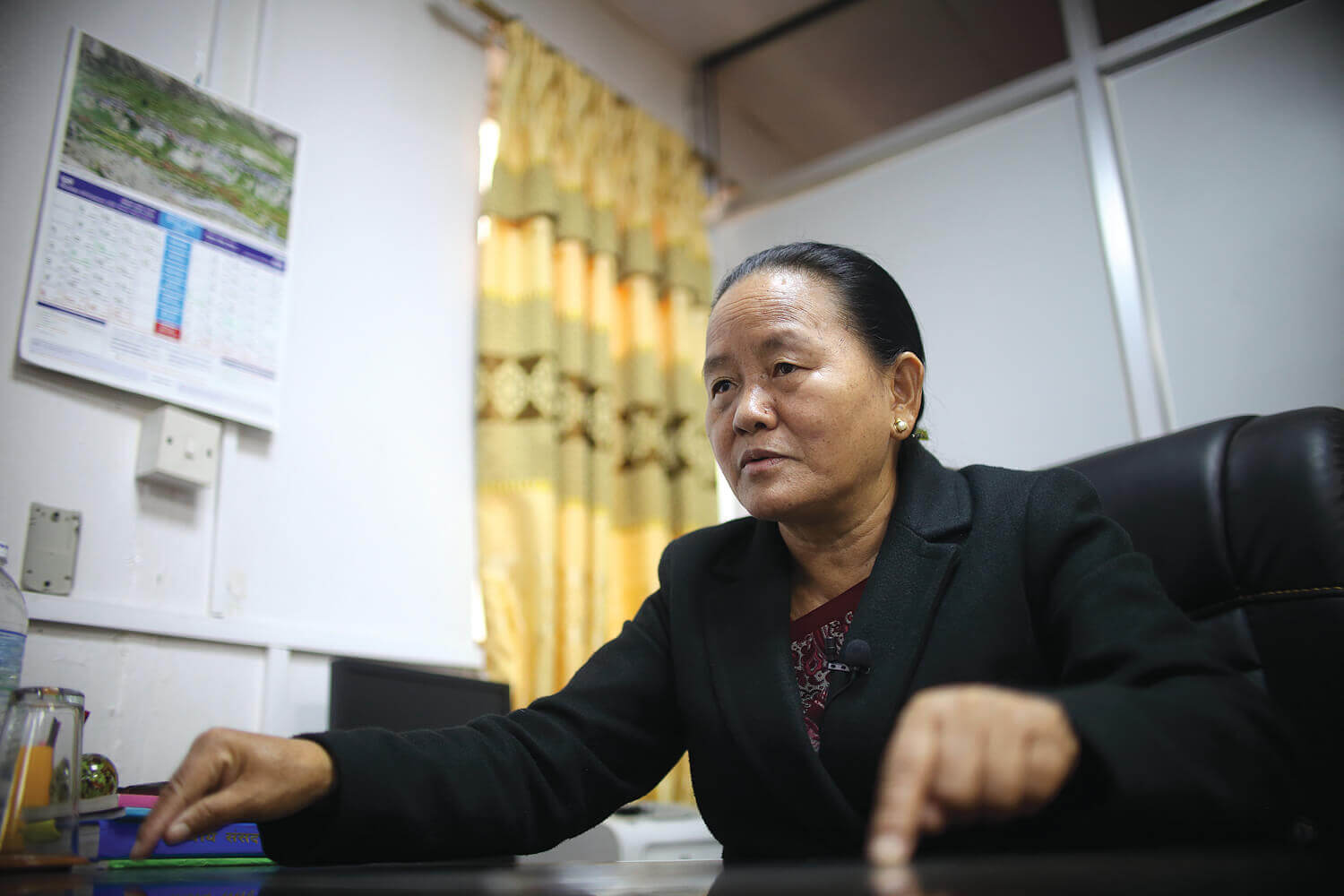
Tumbahangphe is scheduled to begin the process of Speaker election at the next session, which NCP cannot contest as long as she is the deputy. Speculation is rife that the NCP is pressurising her not to call the Parliament session on Wednesday until she herself resigns and clears the way for NCP to contest. Speakers and deputy speakers are supposed to resign from their political parties so that they can lead the parliament impartially, but currently the parliament is caught in a deadlock on the whims of the ruling party.
"It appears that an invisible hand is directing acts of national importance, which reflects badly on our political system," says political analyst Bipin Adhikari. "NCP has no legal or moral authority to ask Tumbahangphe to resign or to stall parliament proceedings, since she no longer belongs to the party. If Tumbahangphe is forced to bow down to party pressure, it would imply that only party loyalists can become speakers, and the impartiality of the position would degenerate in future."
Tumbahangphe herself has echoed that argument, and told reporters she is now an impartial official of the House of Representatives, and is accountable to the House rather than to her political party.
"I have sworn an oath to lead the House of Representatives, and I will not leave it headless by resigning. Why should I be sacrificed because Mahara committed a mistake?" she asks.
Many say that she is being asked to do so because she is a woman. NCP has advocated for gender equality in the past and even includes it prominently in its party manifesto. But it is often accused of not staying true to its words and not letting women leaders grow.
"This is political violence, caused by a culture of patriarchy and egoism in politics," says Renu Adhikari, a women's rights activist. "This is breeding dissatisfaction among junior women leaders, and top leaders should beware. It is high time they realised that it is not so easy to push women around."