


This year marks the 50th anniversary of diplomatic relations between Norway and Nepal, and also the 60th anniversary of cooperation with Nepal in renewable energy. Our people-to-people contacts go back even further. Now, Nepal and Norway have renewed their joint commitment to mitigate and adapt to climate change.
Norway and the regional partnership of ICIMOD (International Centre for Integrated Mountain Development) are also long-term partners. Since 1993, Norway has been working with ICIMOD through its Nepal headquarter to develop better solutions for the Hindu Kush Himalaya region to address challenges related to climate change on poverty alleviation. We have been partnering with ICIMOD for 30 years, and this week we signed a new agreement for continued support.
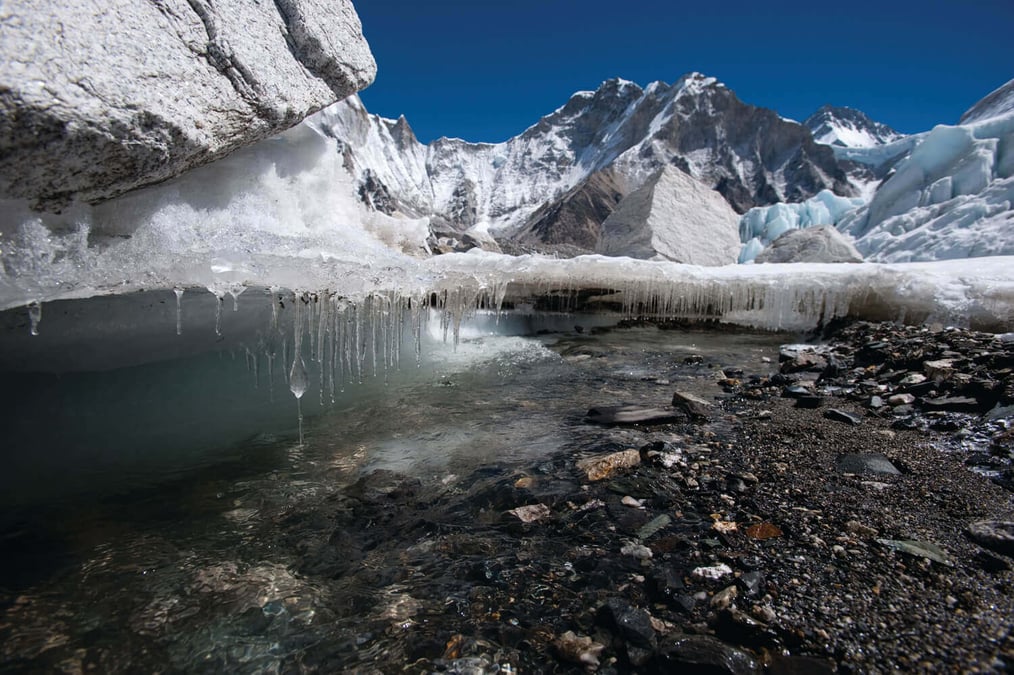
Norway and Nepal are geographically far apart, but as countries close to one of the three poles we share commonalities. Not least when it comes to the effects of climate change. The Hindu Kush Himalaya and the Arctic are affected by climate change; snow, ice and glaciers are melting, and the frozen land is tawing - changing the ecosystems and impacting the way of life for the people living in these areas.
The triple planetary crises of climate change, biodiversity loss, and pollution are amplified in the Hindu Kush Himalaya. Pollution originating from Southeast Asia is affecting both the Himalaya and the Arctic due to long range transport by the wind. Global action is needed to reduce these effects to save nature and the people living there.
The Hindu Kush Himalaya stretches across eight Asian countries from Afghanistan, Bangladesh, Bhutan, China, India, Myanmar, Nepal, to Pakistan. The rivers that flow from this mountain range support the lives and livelihoods of nearly two billion people living downstream.
An incredible diversity of flora and fauna provides a range of ecosystem services. A region of extraordinary diversity of peoples, topology, and nature, holds the largest reserves of fresh water outside the polar regions largely in the form of frozen water. That is why it is known as the Water Tower of Asia.
The Norway-ICIMOD partnership is rooted in a shared affection for mountains, affection for the people that live in the mountains, and the opportunities that come from sustainable use of the mountains, for instance in hydropower and farming.
The partnership focuses on increased resilience of farming practices to a changing climate, the revival of drying springs, the protection of fragile mountain ecosystems, and assessment and reduction of disaster risk.