Min Ratna Bajracharya is one of Nepal’s leading news photographers, but was introduced to the craft by chance. Visiting Australia in 1985 at age 19, a friend gifted him a camera.
His first shot was of, what else, the Sydney Opera House. Thus began a life-long passion for photography that would take him to the frontlines of Nepal’s recent history from the people’s movements, the Maoist conflict to the royal massacre.
His very first published photograph in The Commoner was of those accused of shooting journalist Padam Thakurathi in 1987. Back then, photojournalism wasn't yet a profession, pictures had to be printed in darkrooms from negatives, then converted to expensive zinc blocks for grainy black-and-white reproduction on paper.
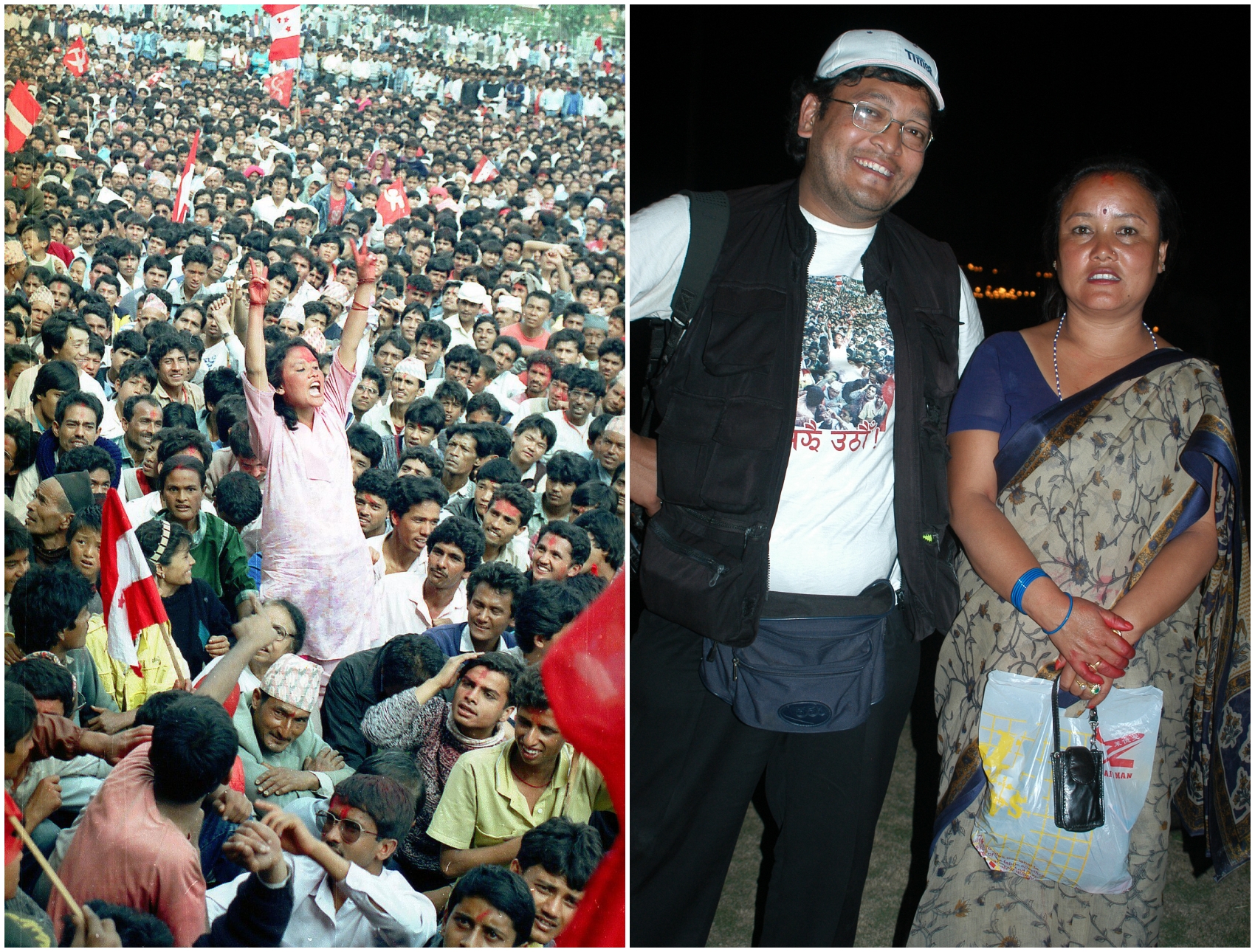
Bajracharya is 61, and the photo that really made him famous was one of student activist Durga Thapa as she leapt above the crowd during a victory rally after the 1990 People’s Uprising, shouting, “Long live democracy.” This could be called Nepal’s first GenZ protest.
The iconic image captured the spirit of a country and people who had outgrown the absolute monarchy. Says Bajracharya: “In my career, I have learnt that photojournalism can be a powerful catalyst of change, usually for the better.”
Bajracharya’s career itself spans a revolution in technology from manual black-and-white film cameras to colour slides, the transition to digital, and now the age in which everyone with a mobile phone is a photographer. Bajracharya has never regarded the camera as a passive instrument, but as an agent of change.
He tells us: “AI is already transforming photography once again, and not necessarily for the better. There is no substitute for being there yourself to capture reality.”
Bajracharya has also served as president of the Nepal Forum for Photojournalists (NFPJ), and inspired new generations of Nepali photographers. Training in photography technique is just half the story; it is even more important for photojournalists to ask what they want to achieve with the craft.
There is much knowledge to pass on about how photography casts light on the daily struggles of people in the shadows, but also serves as the eyewitness to the movers and shakers of history.
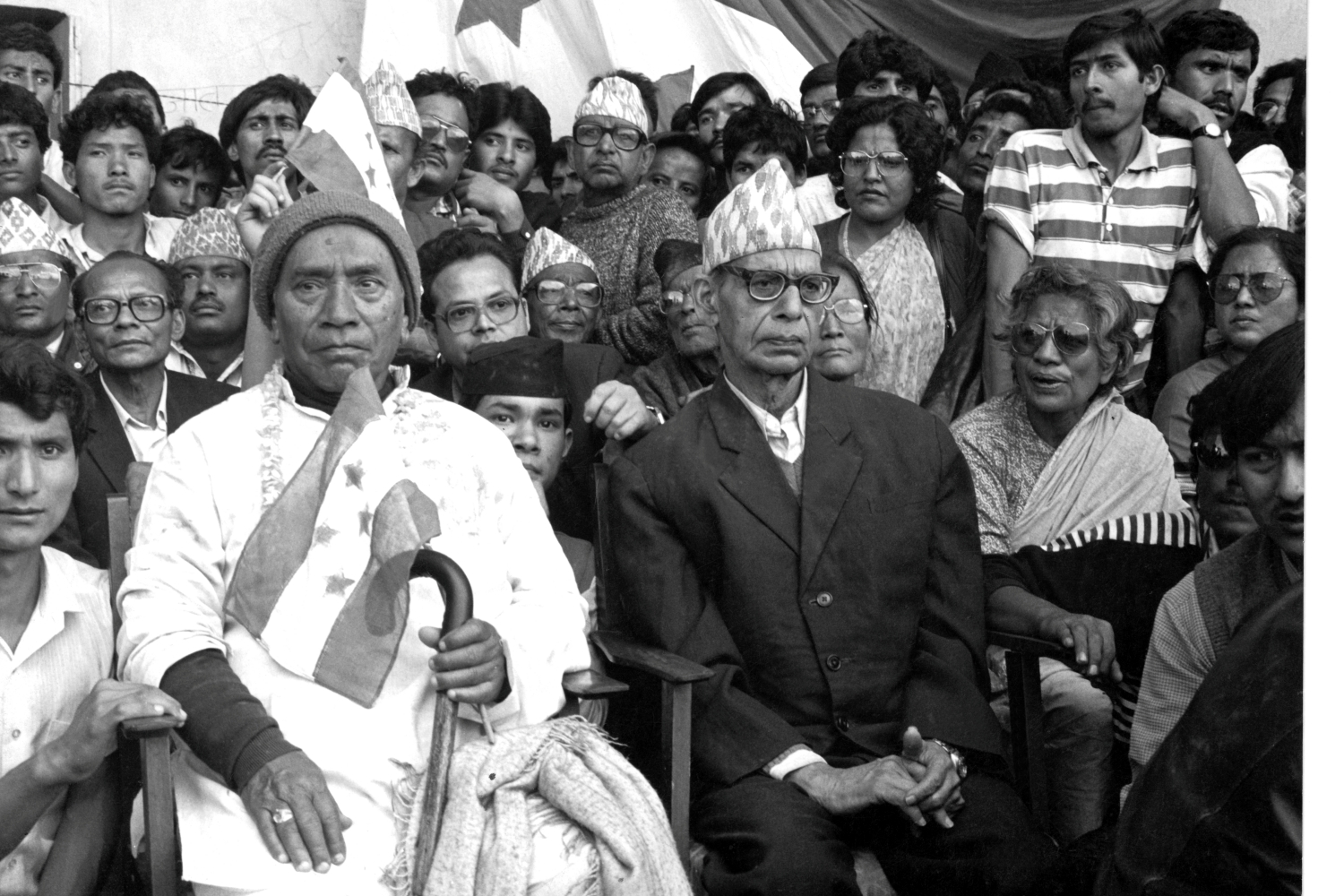
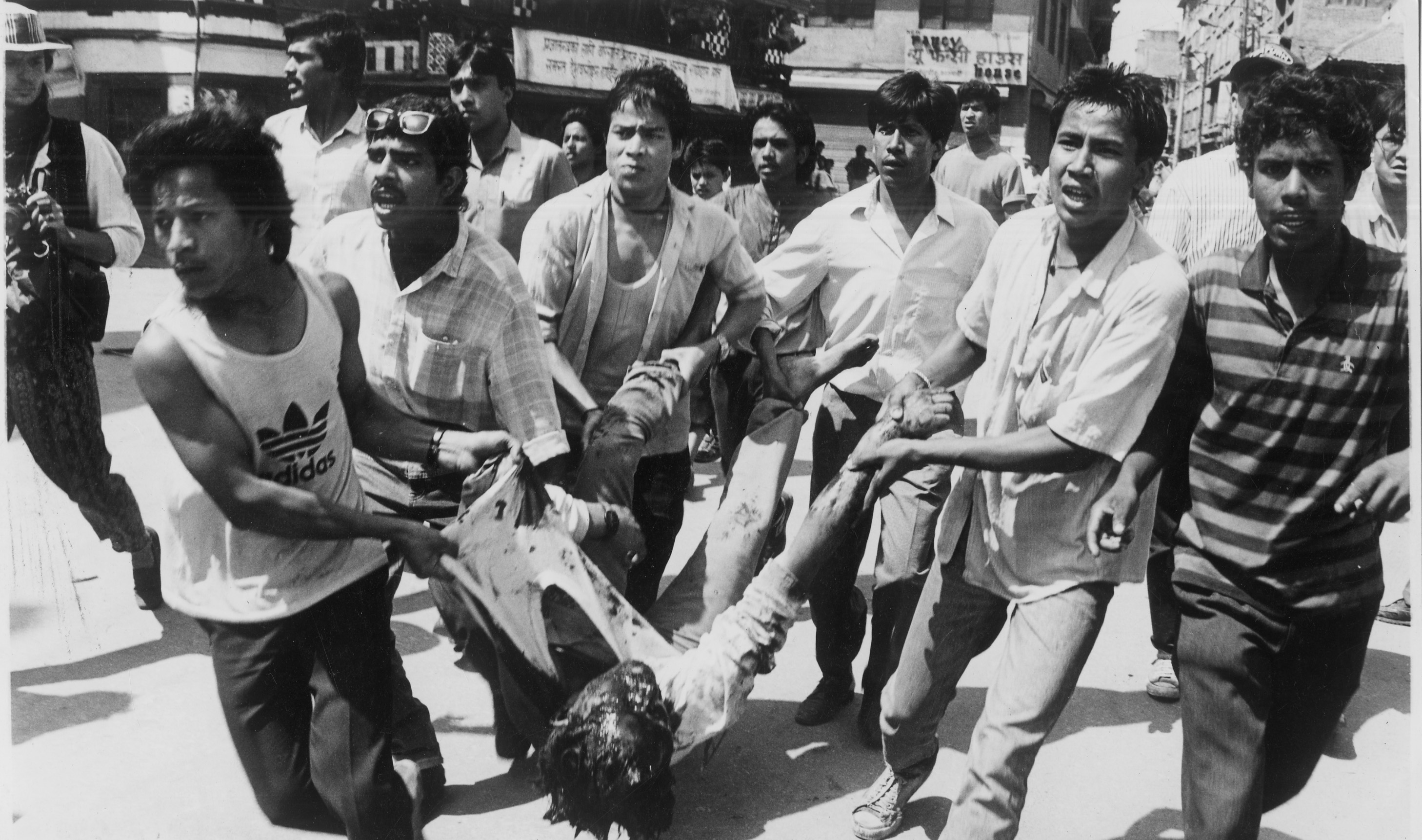
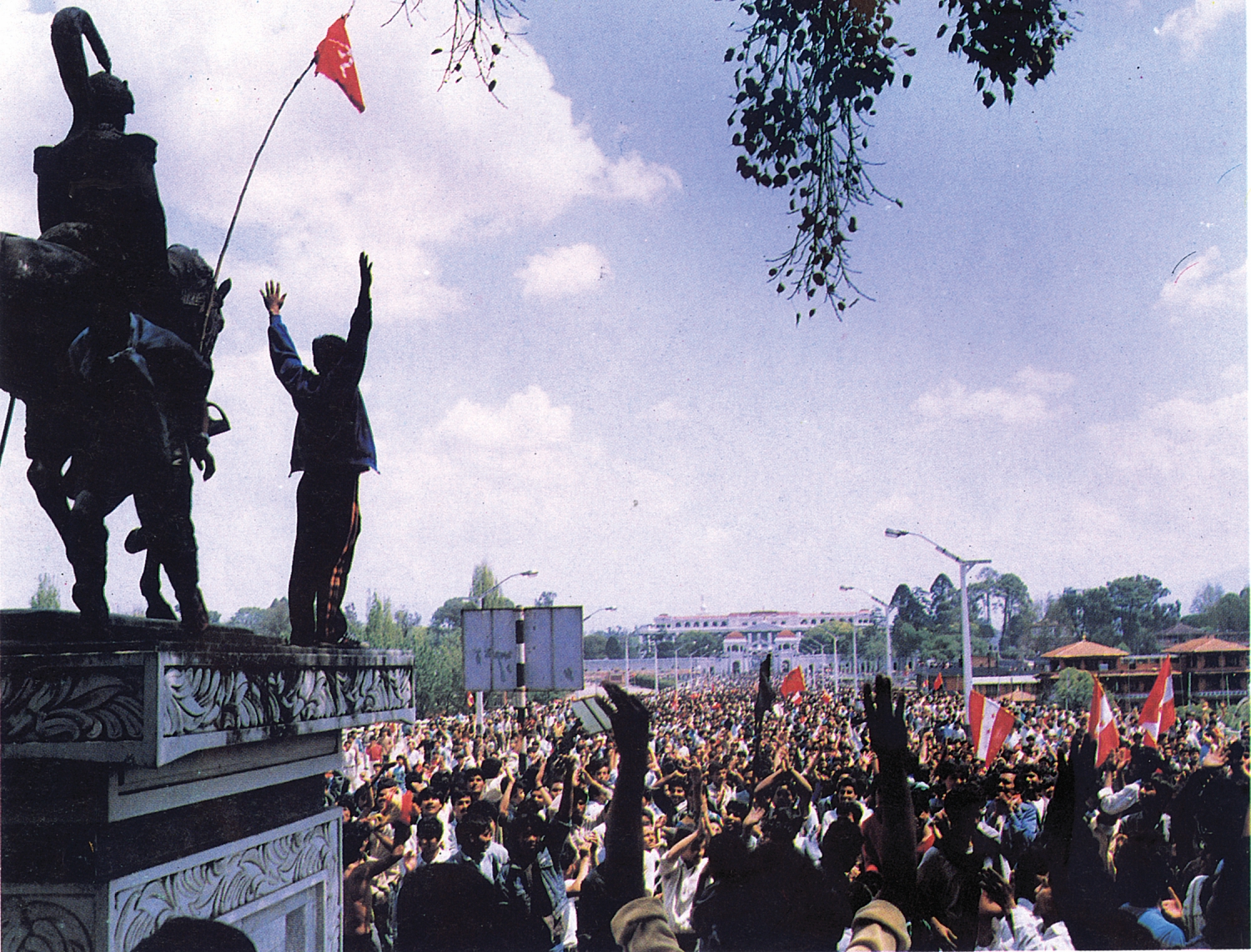
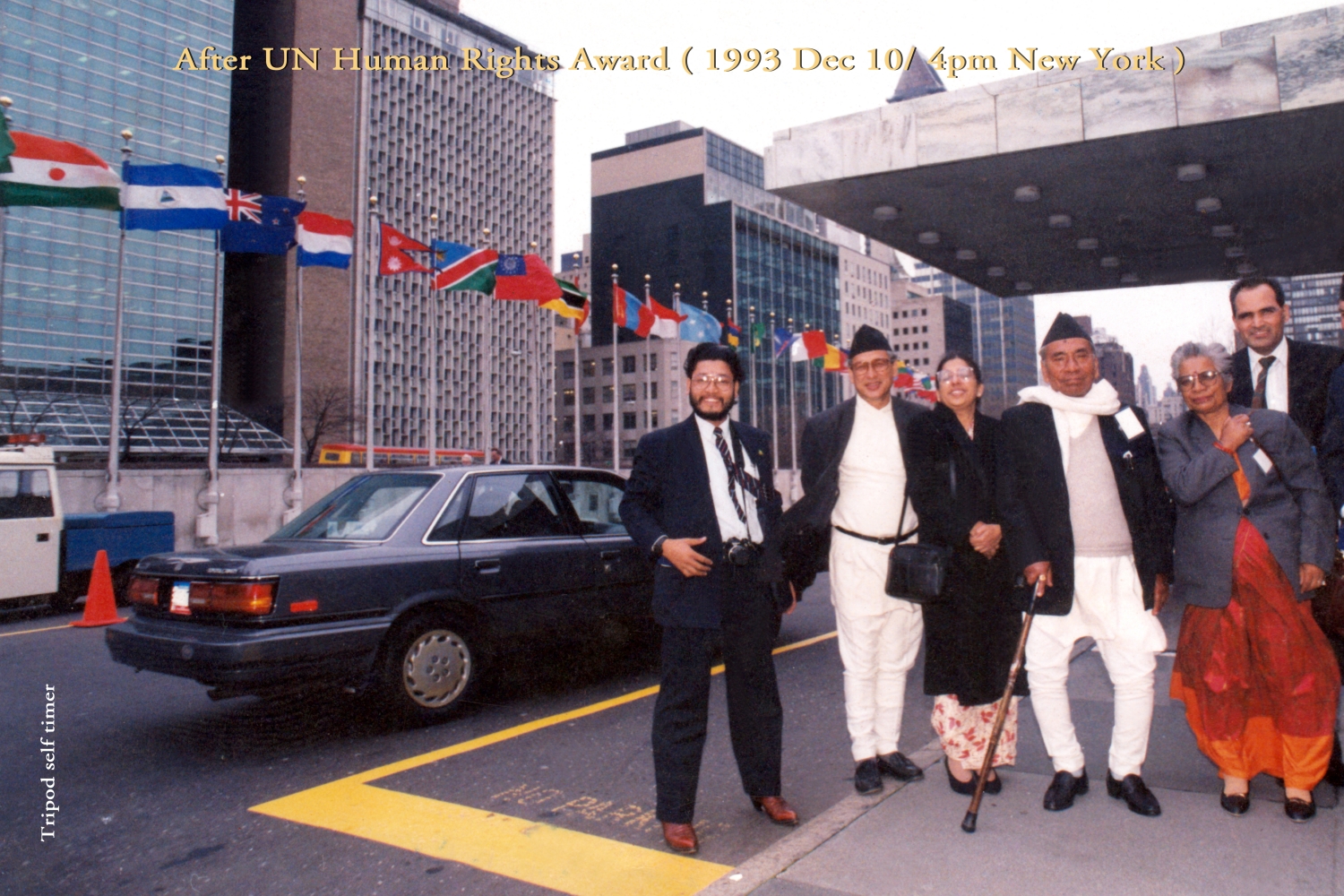
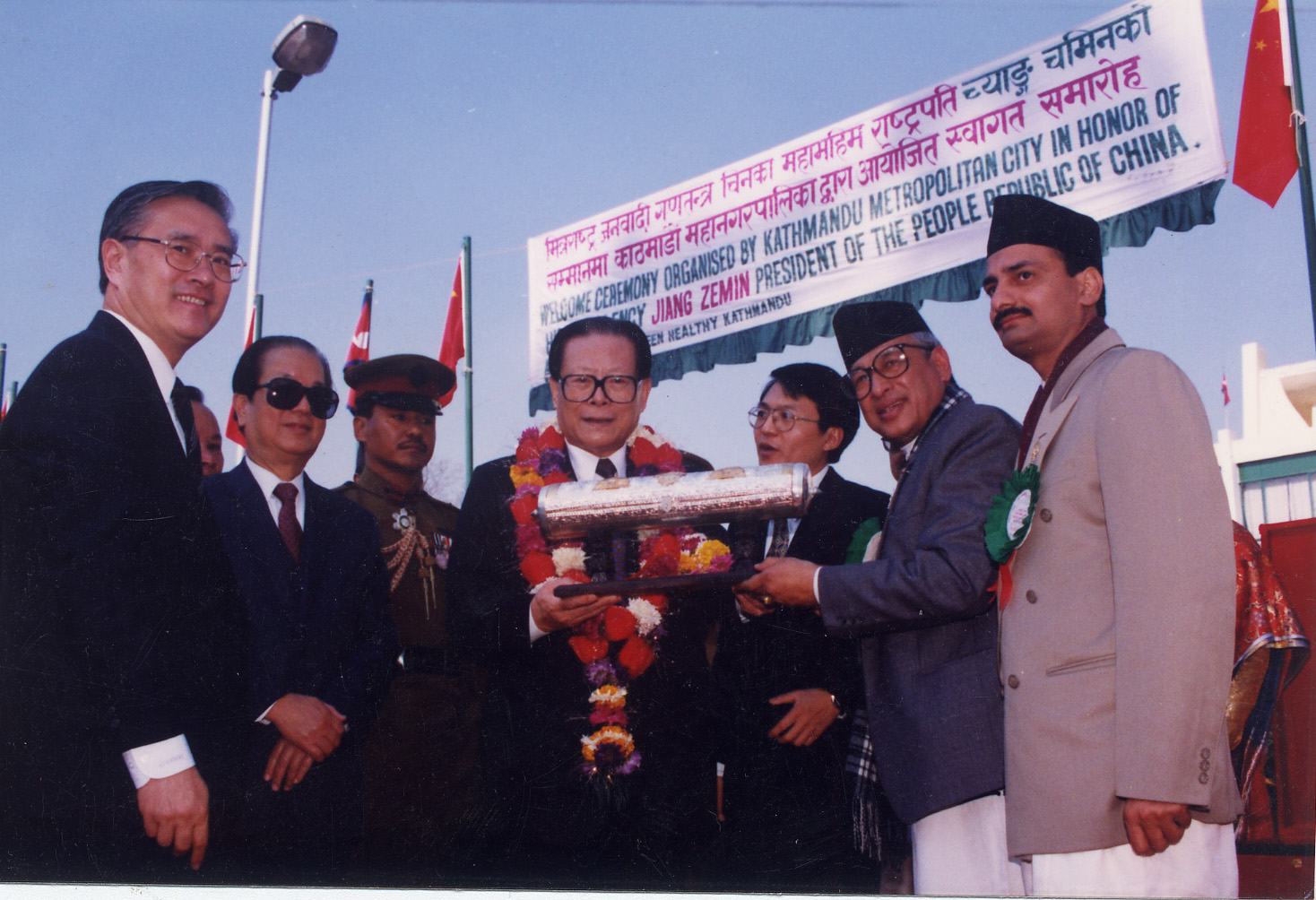
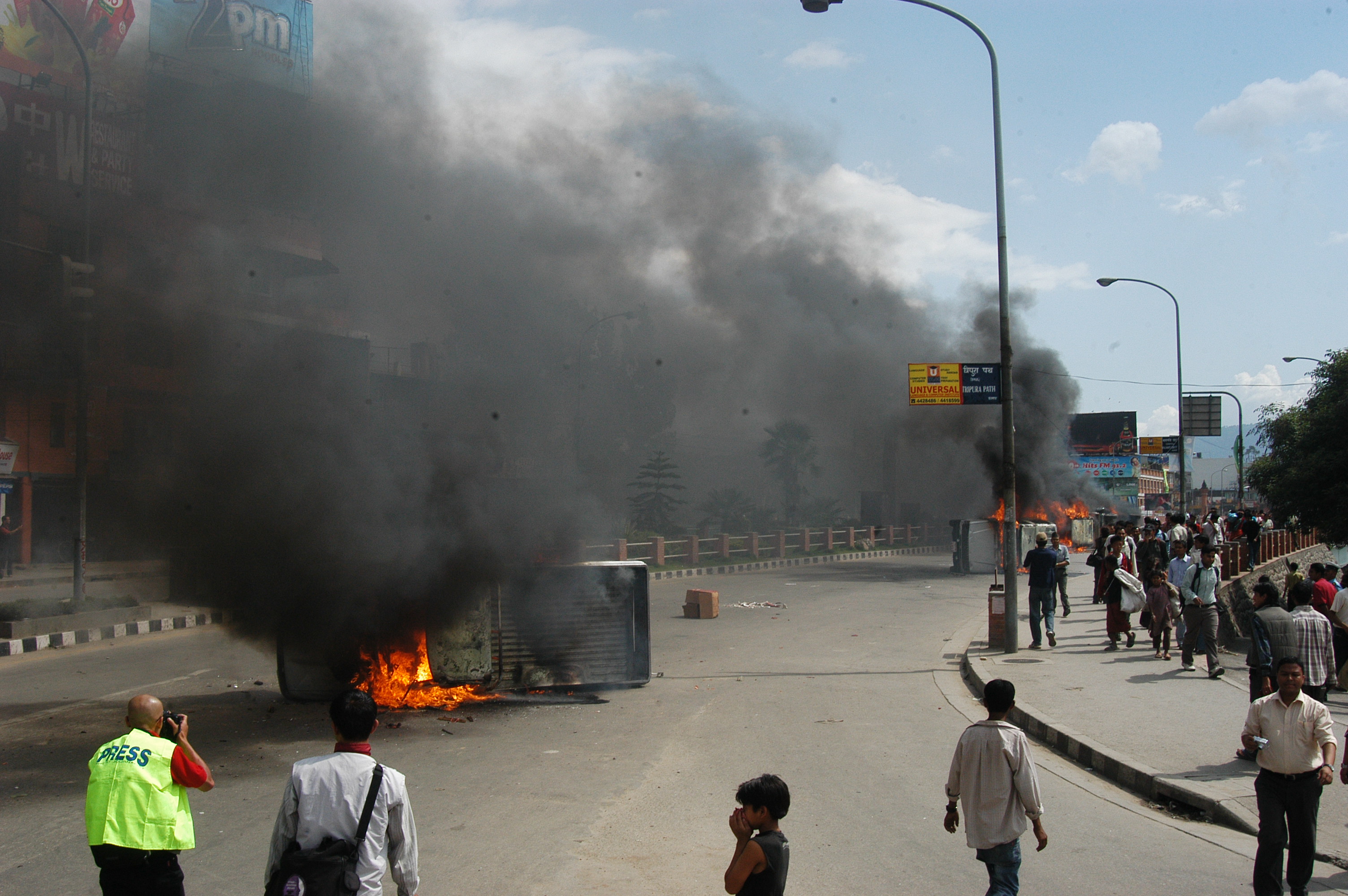
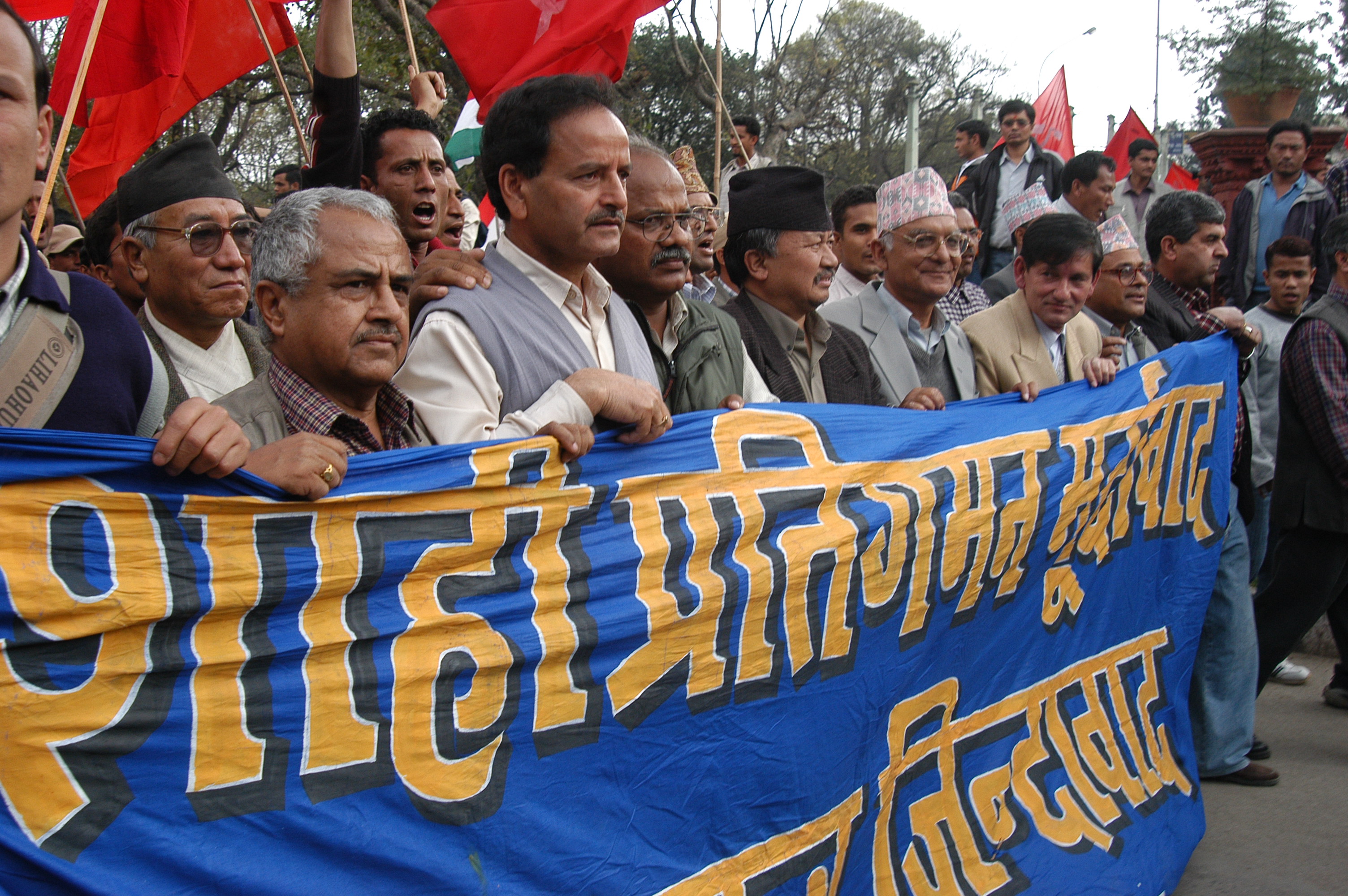
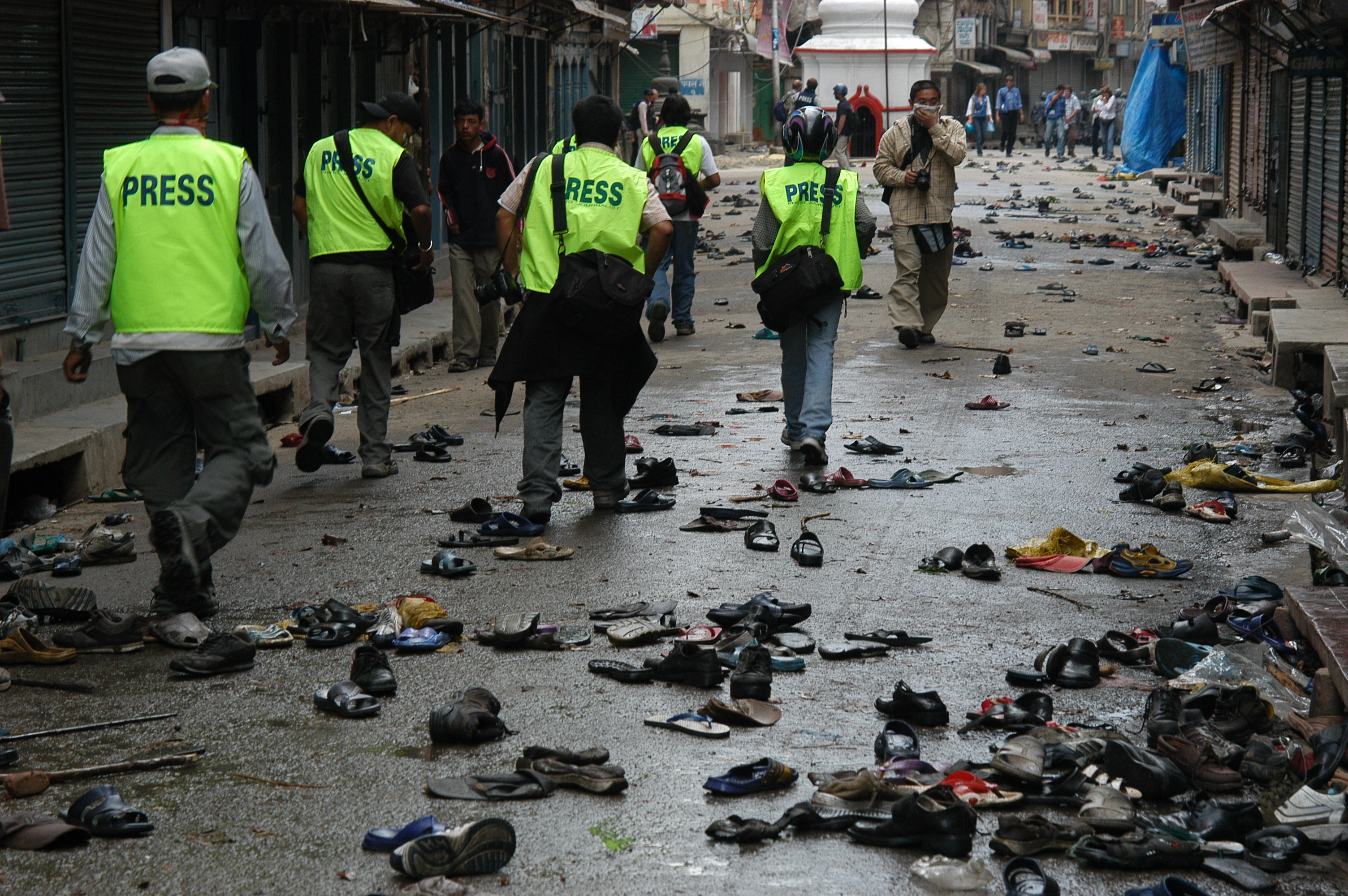
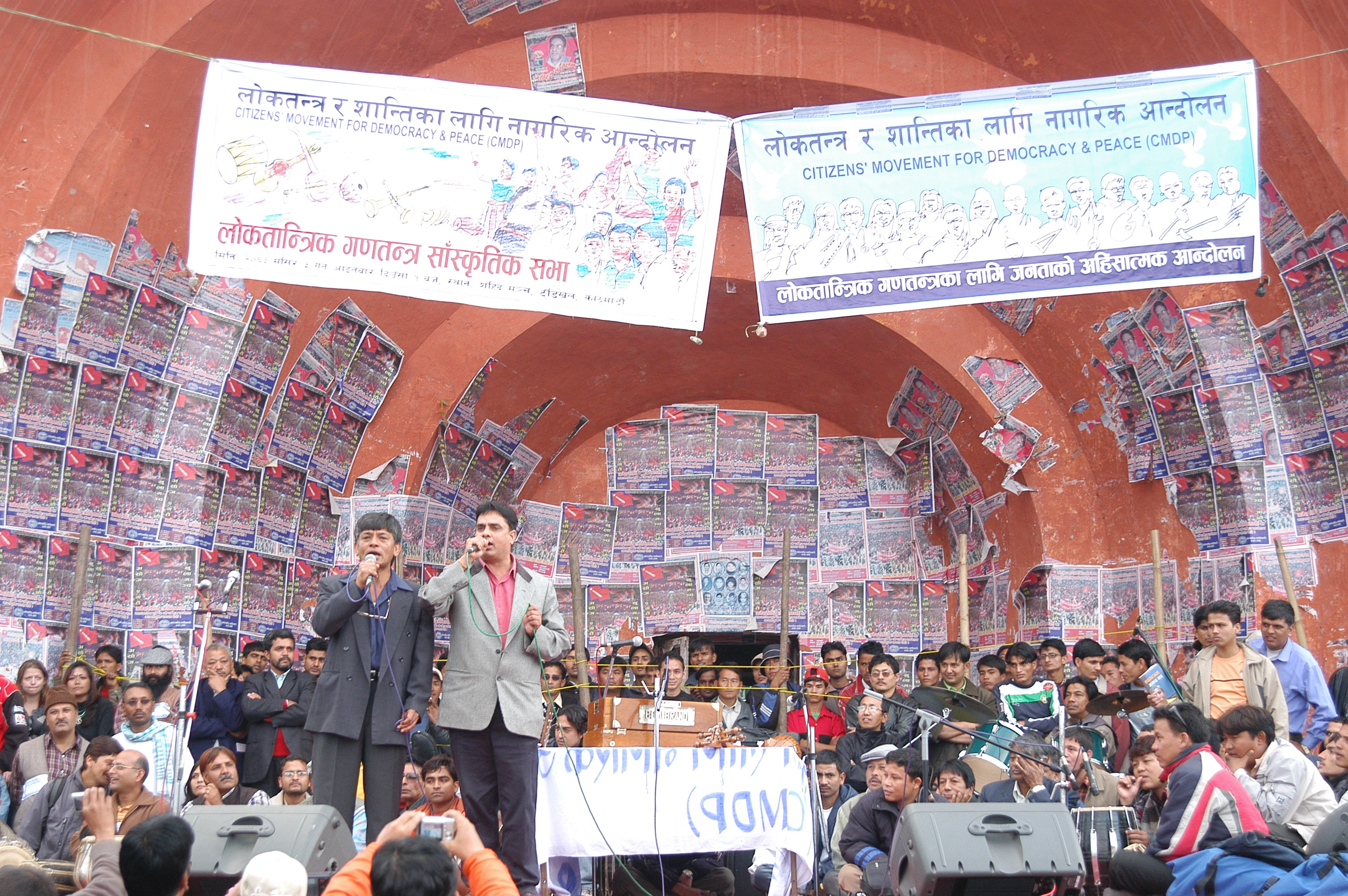
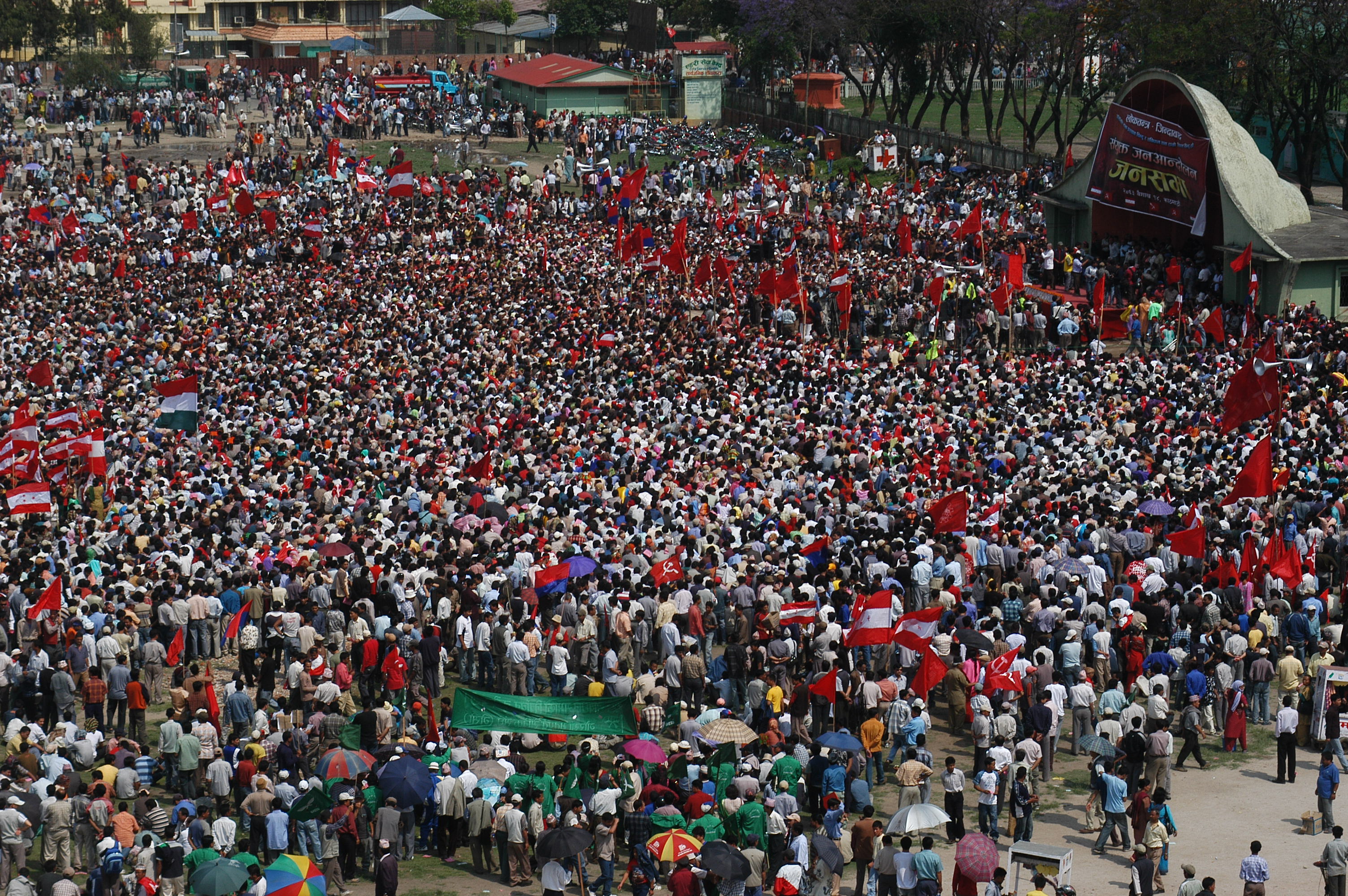
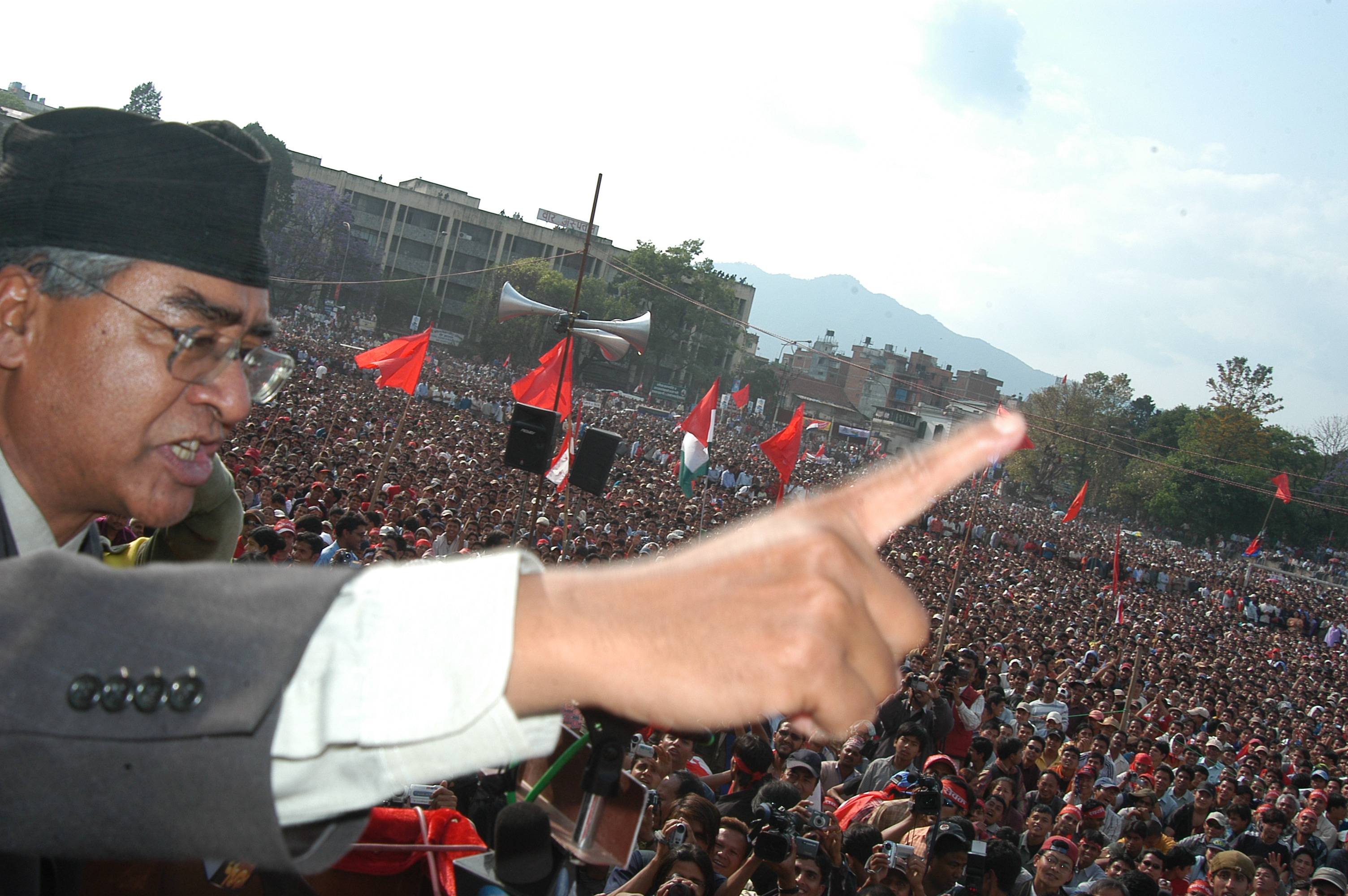
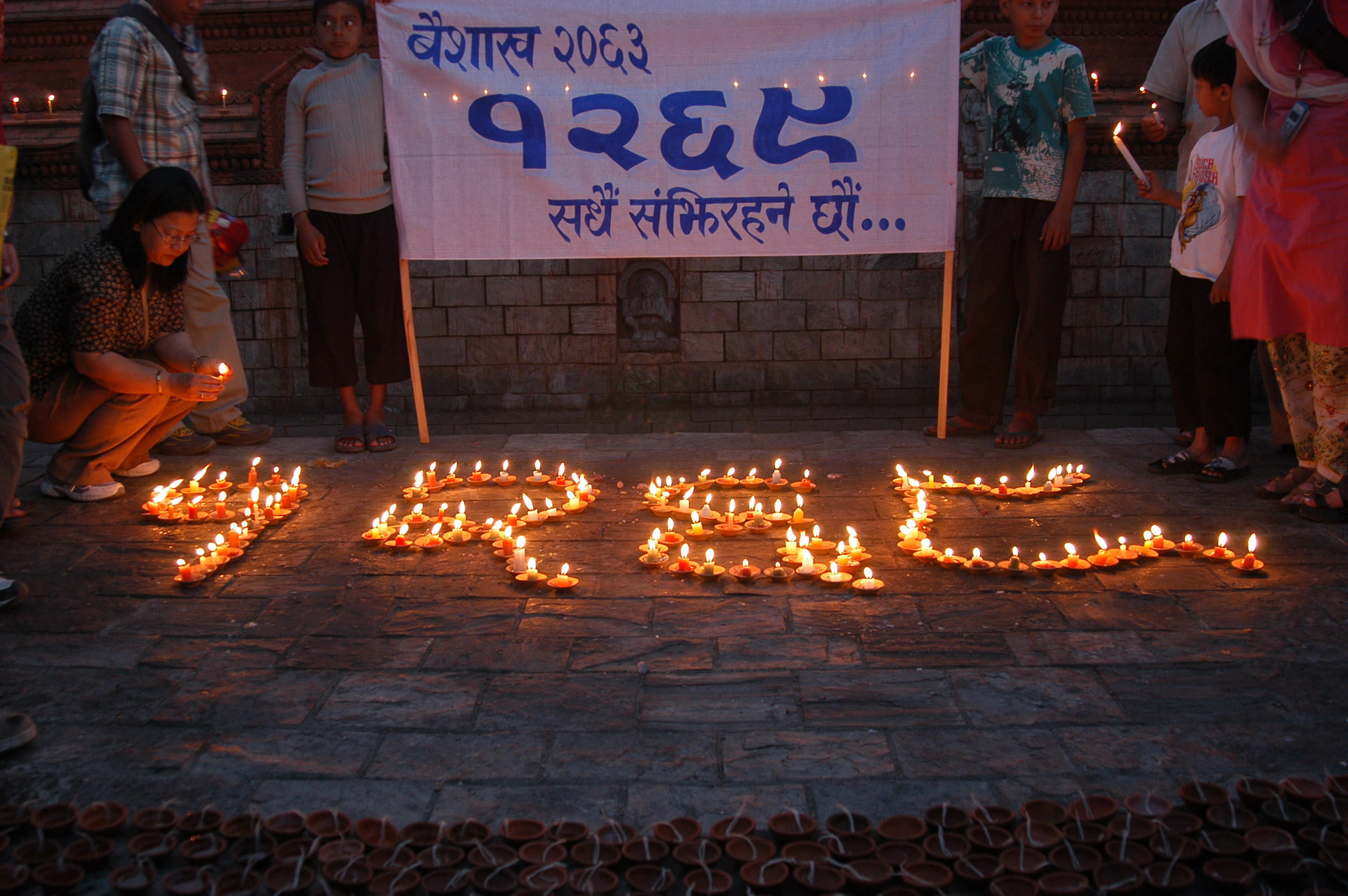
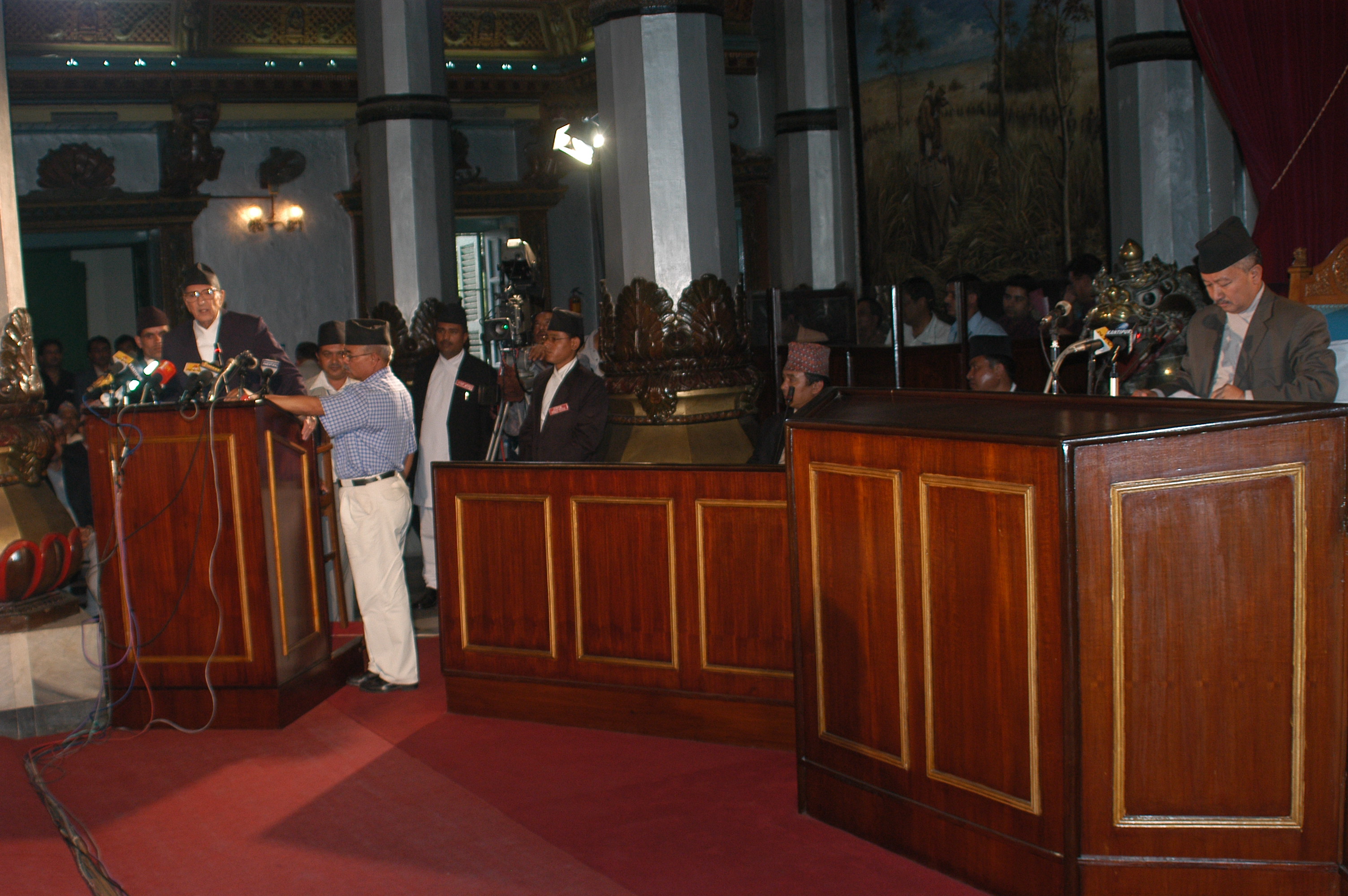
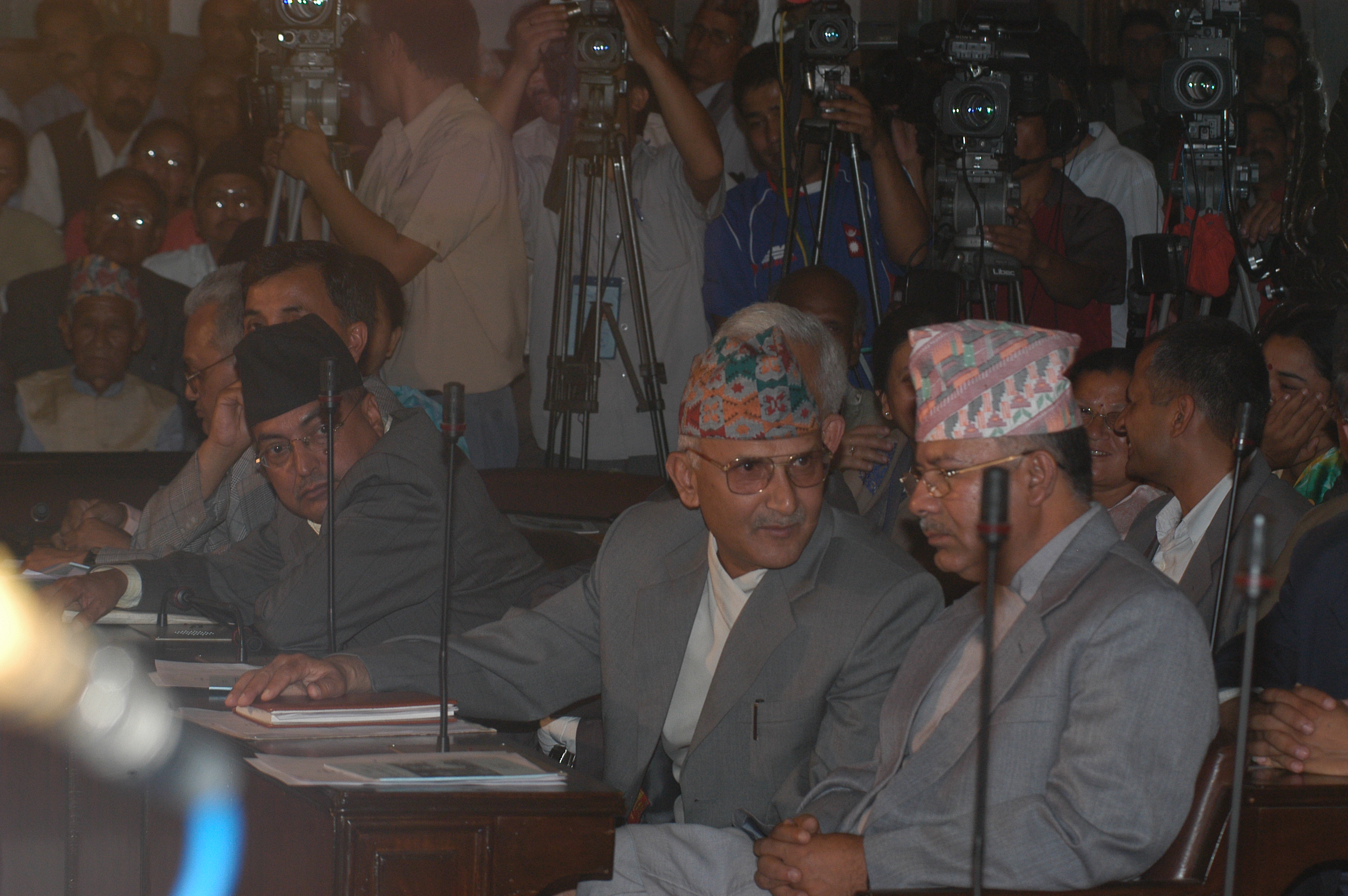
NC leader Ganesh Man Singh, Manmohan Adhikari of the UML, Mangala Devi Singh, Shailaja Acharya, Sahana Pradhan, J N Asrit, Bishnu B Manadhar, and Tulsi Lal Amatya at the Khula Manch on 6 April 1990. ALL PHOTOS: MIN RATNA BAJRACHARYALocal youth in Indrachok trying to take a severely injured Novel Khadka, a street vendor, to Bir Hospital during the 1990 People’s Movement demonstrations.Protesters at a victory rally heading towards Singha Darbar on 6 April 1990.Durga Thapa, 22, as she leapt up during a victory rally on 9 April 1990 in Khula Manch to shout “Long live democracy!” Photographer Min Ratna Bajracharya had to climb a telephone pole to take this image. Bajracharya and Durga Thapa (right) at an event 16 years later to commemorate the victims of the Maoist war at Maitighar Mandala in 2006. Photo: DEEPAK BAJRACHARYAGanesh Man Singh flanked by his wife Mangala Devi Singh, Kathmandu Mayor Prem Lal Singh, Ambassador Jayraj Acharya and his wife Usha, and Min Ratna Bajracharya after a UN Human Rights Award in New York in 1993.Kathmandu Mayor Prem Lal Singh welcoming then-President of the People’s Republic of China Jiang Zemin in 1996.A Nepal Telecom vehicle was torched in Thapathali during the height of the Maoist conflict in 2001.A demonstration by the seven-party alliance in Ratna Park against King Gyanendra’s direct rule in April 2006. Pictured here: Krishna Prasad Sitaula of Nepali Congress, Lila Mani Pokhrel of Janamorcha, and Subhas Nembang of UML, among others.One of the last protests during the Second People’s Movement against King Gyanendra’s direct rule occurred in Kathmandu's Bhotahiti on 22 April 2006. As police charged protesters marching to the Royal Palace, a massive thunderstorm triggered a stampede as people ran for cover, abandoning their shoes.Comedian duo Madan Krishna Shrestha and Hari Bansa Acharya performing a satire skit at the climax of pro-democracy protests on 24 April 2006.The mass gathering at Khula Manch on 27 April 2006 after King Gyanendra restored Parliament and the ceasefire.NC’s Sher Bahadur Deuba addressed the crowd in Kathmandu as the pro-democracy movement gathered strength. Deuba went on to become prime minister five times. After his house was burnt down on 9 September 2025, he has been abroad and returned to Kathmandu last week.A vigil on 27 April 2006 in the memory of people killed and disappeared during the Maoist insurgency. By the end of the war, over 17,000 people were killed.The NC’s Girija Prasad Koirala speaking in the restored Parliament inside Singha Darbar in 2006 after King Gyanendra stepped down. House Speaker Subhas Nembang of the UML can be seen on right.Much younger UML leaders K P Oli and Madhav Kumar Nepal, both of whom became prime ministers later, in the opposition bench during the same parliamentary session.