

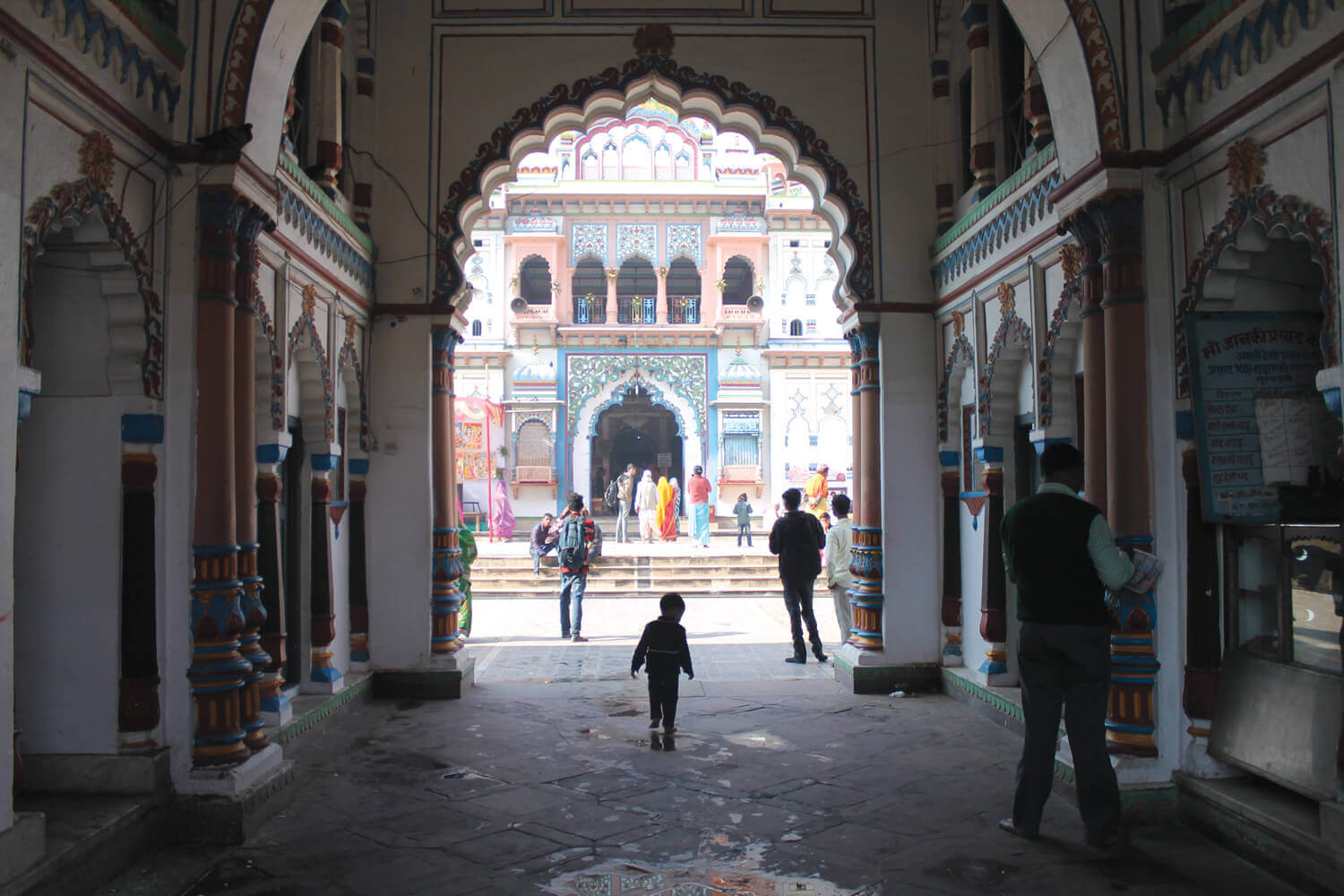
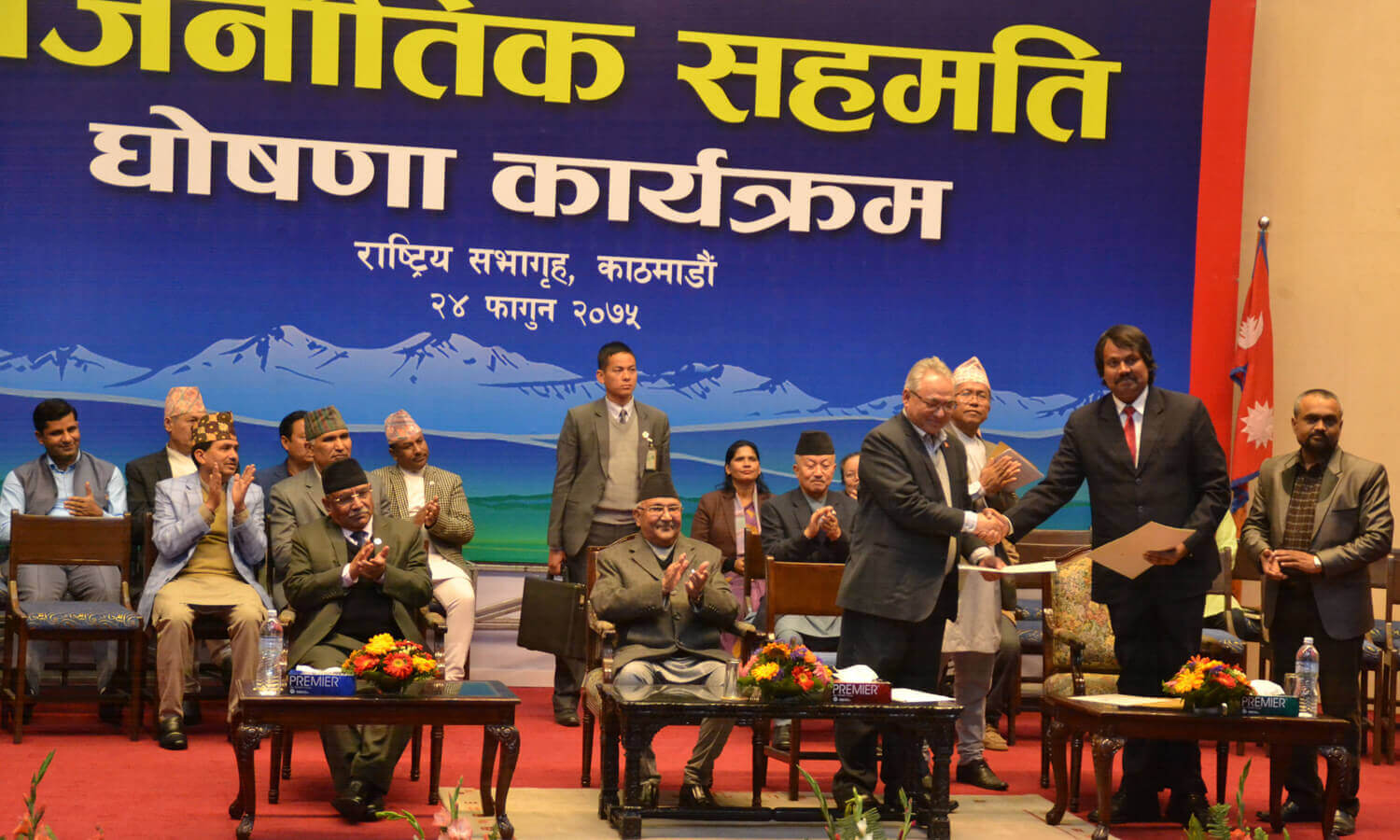
The dramatic announcement in Kathmandu on Friday by C K Raut of the Alliance for Independent Madhes in a joint press conference with Prime Minister K P Oli that he was abandoning secessionism has thrown considerable uncertainty over Kathmandu’s relations with Province 2 under the new federal set up.
Raut’s announcement followed close on the heels of the RJP-N deciding to withdraw its support to the NCP government following the Kailali District Court sentencing lawmaker Resham Chaudhary to life imprisonment for the killings in the district in 2016 that sparked the Madhes movement.
However, in Province 2 in meetings and interviews held during a recent visit many people warned publicly and privately in interviews in Janakpur, Birganj and elsewhere that if the process of decentralisation and devolution did not accelerate, then there would still be support for another C K Raut.
As an avowed separatist, Raut had been subject to considerable attention over recent years, and was recently detained and obliged to appear before the courts on several occasions. On 7 March he was released from detention by the Supreme Court which thereby effectively overturned previous decisions by the Rautahat District Court, the Birganj bench of the Janakpur High Court, and by the Supreme Court itself on 3 December. Despite his release, the Supreme Court had also told the Rautahat District Court to continue its investigation into his activities.
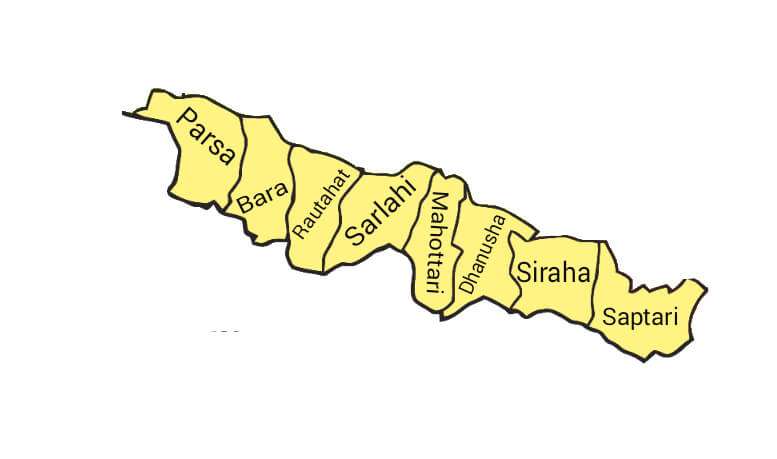
Raut already has a significant following in Province 2 even if he has now renounced his commitment to separatism. Further delays and impediments to the genuine democratic transfer of power and resources to the elected government of the province risks increasing the demands of those with more extremist views and consequently the likelihood of violent protest.
It is clear now, nearly two years after the elections for the federal, provincial and local assemblies, that ‘federalisation’ poses major challenges in Nepal. However it also provides new opportunities for genuine decentralisation and for the devolution of powers, resources and responsibilities – if the central government is really prepared to pursue this agenda.
As one who was always opposed to the idea of ‘state restructuring’ to create a new layer of political representation and bureaucracy, while effectively demolishing the existing structure involving districts, village development committees and municipalities, I am not surprised by the difficulties involved in such radical transformation.