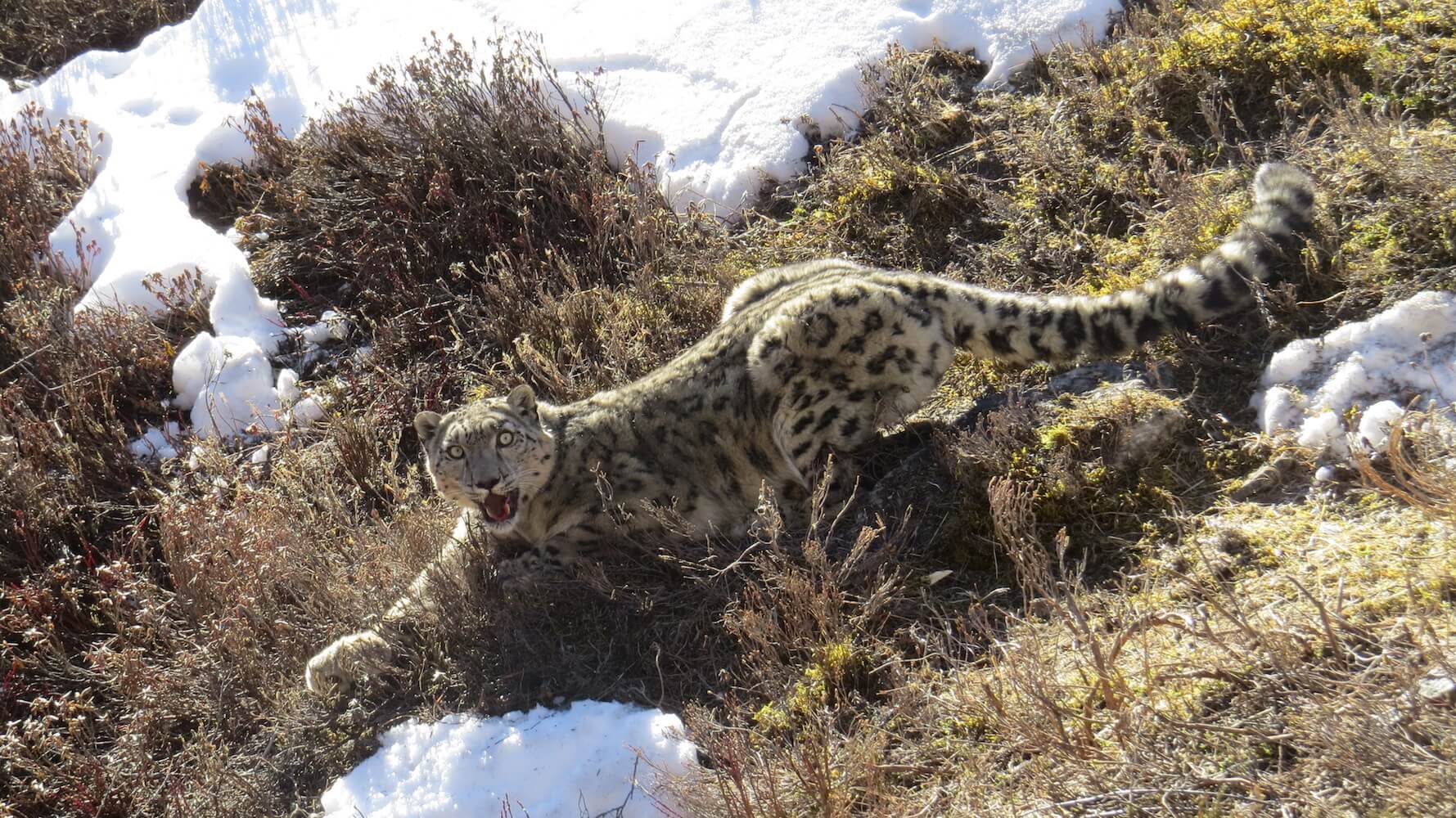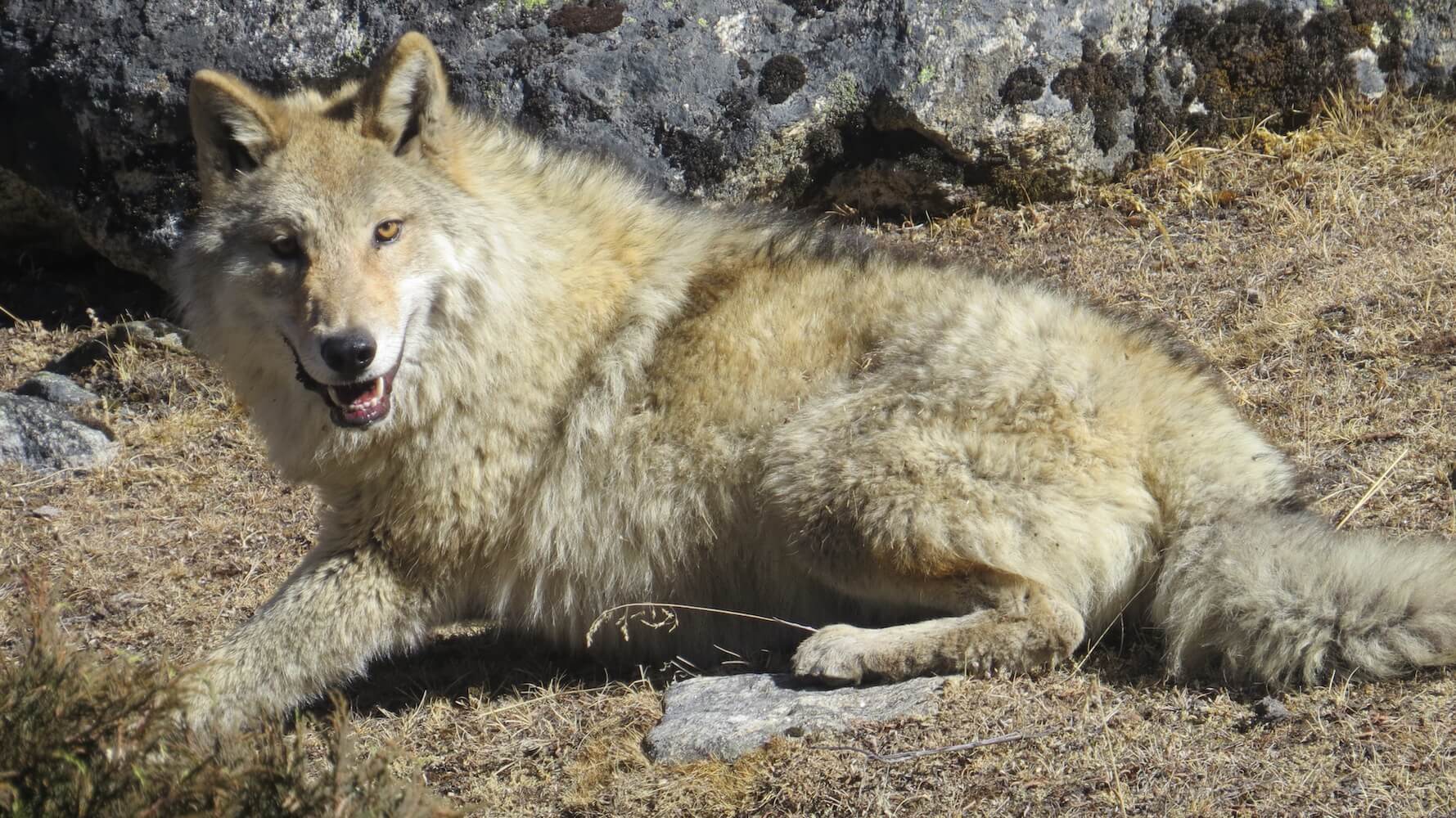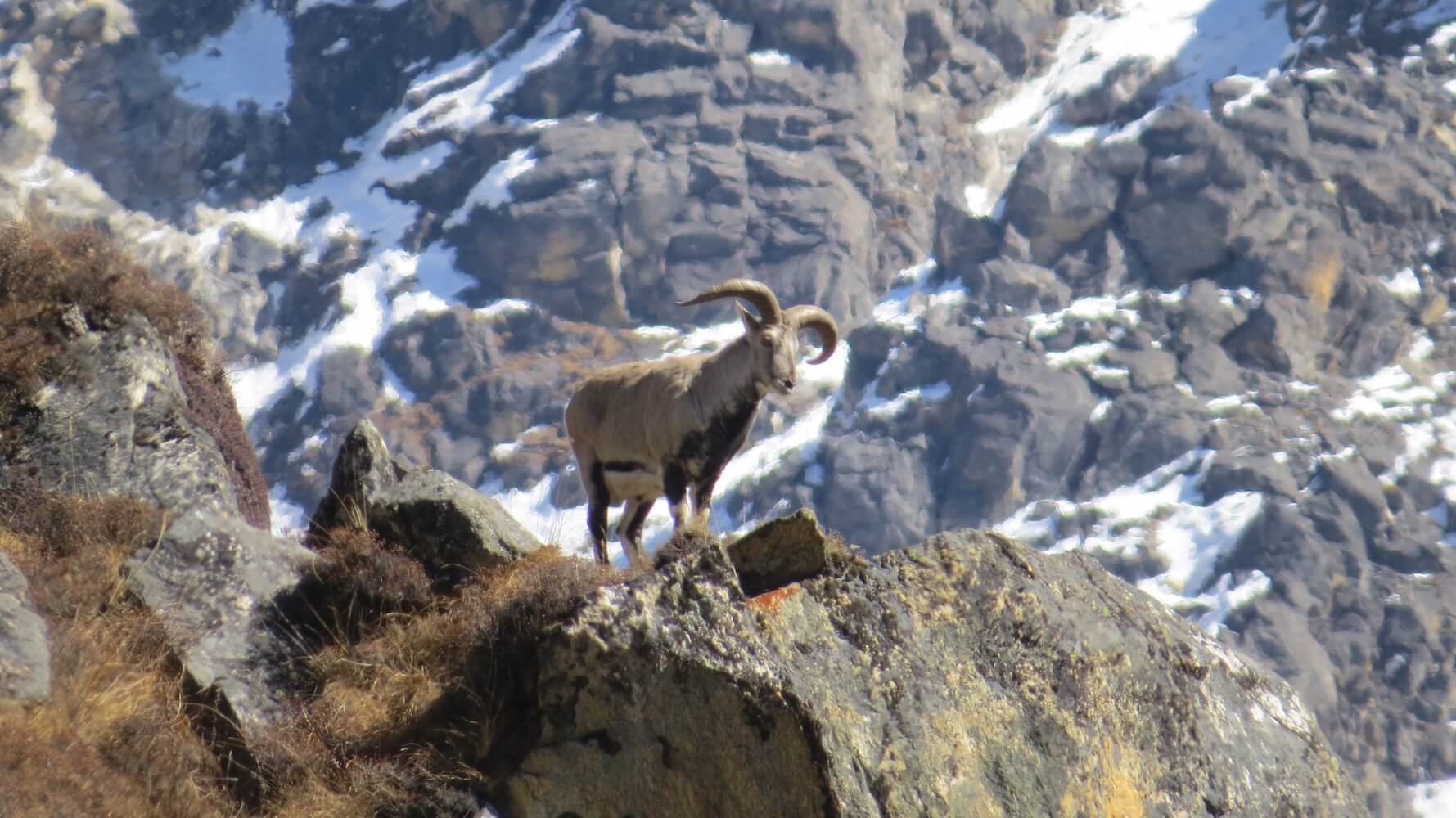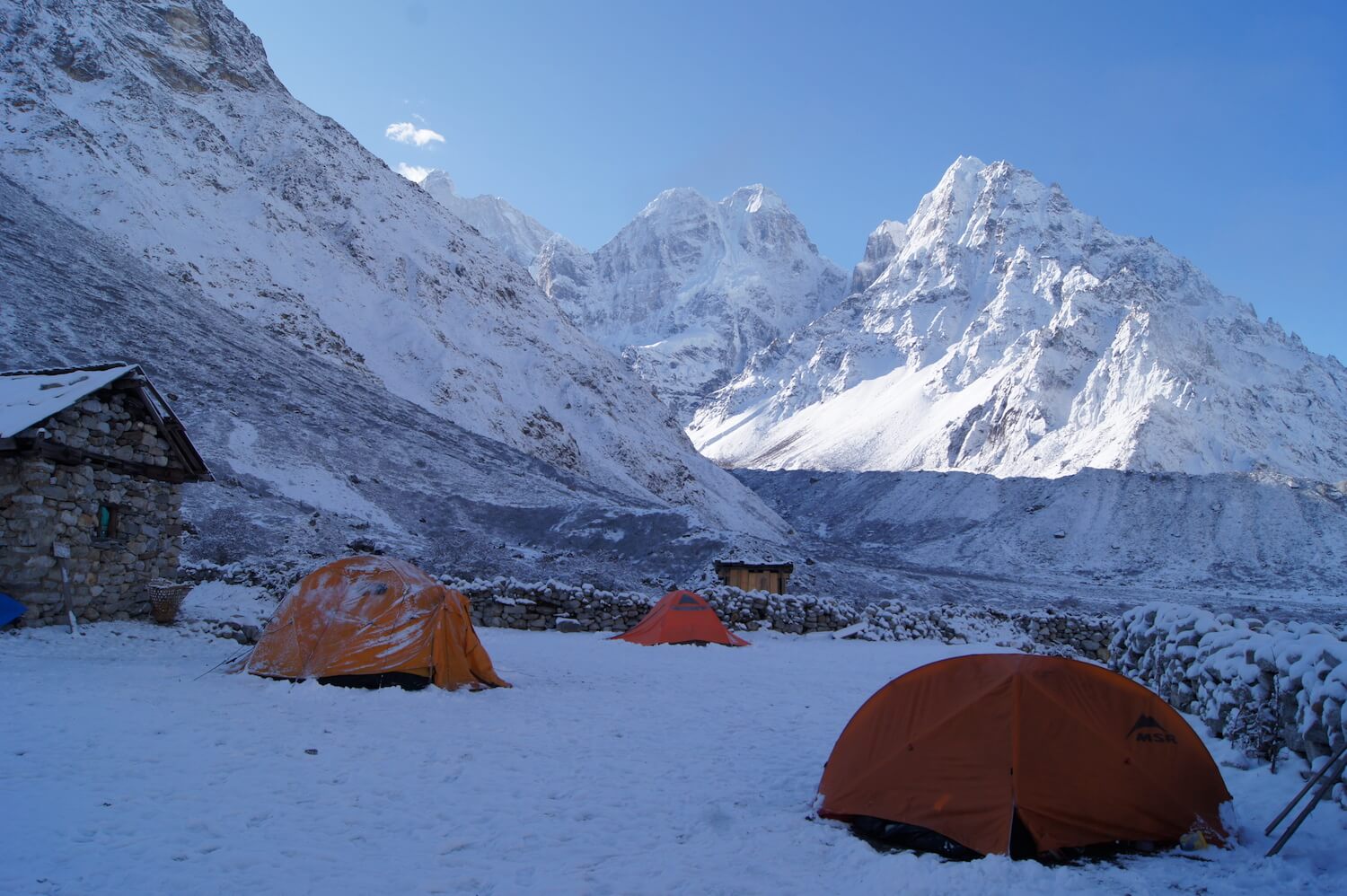
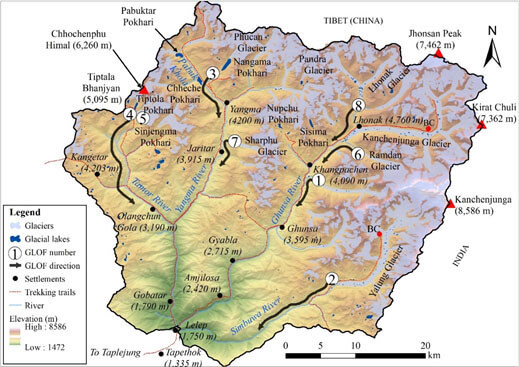
Tucked in the sacred Himalayan landscape of the northeastern corner of Nepal, the Kangchenjunga Conservation Area (KCA)is home to the world’s third highest mountain ecosystem. It is also Nepal’s first conservation area managed by the local community.
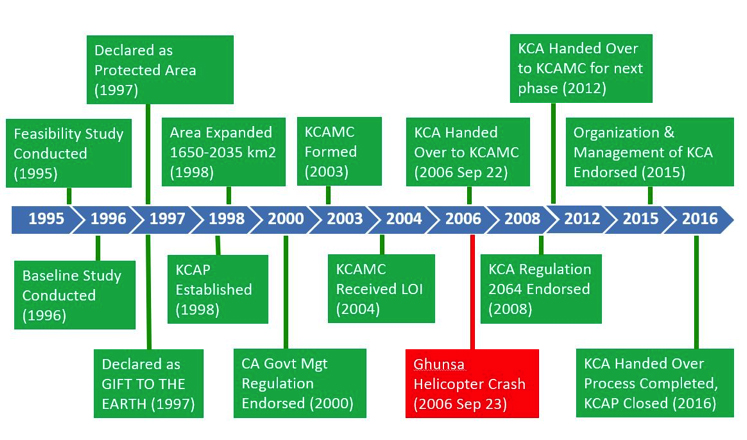
It was declared as ‘A Gift to the Earth’ by the Nepal government in support of the World Wildlife Fund (WWF) Living Planet Campaign in April 1997, and has a long-standing history of perseverance, resilience, and of striking a balance between conservation gains for people and nature.
The KCA’s 2,035 sq km area hosts a vast assortment of biological diversity, it is part of the Eastern Himalayan Global 200 cross-border eco-region, and millions of people downstream depend on it and its water towers.
Recognising the significance of the region, there have been integrated efforts to protect its biodiversity and improve livelihoods of local communities. WWF Nepal’s engagement in the KCA dates back to 1995, when it first conducted a feasibility study followed by the inception of the Kangchenjunga Conservation Area Project (KCAP) in 1998.
It was rolled out in partnership with local communities under the leadership of the Department of National Parks and Wildlife Conservation. After almost a decade, the government of Nepal undertook the historic step of handing over management responsibilities of KCA to local communitieson 22 September 2006 -- making it the first protected area to be managed by the local community in Nepal.
Community driven conservation hinged on the notion of increased community participation in decision-making and natural resource management, which has allowed the KCA to address key challenges such as forest degradation, human snow leopard conflict, and gender inequality.
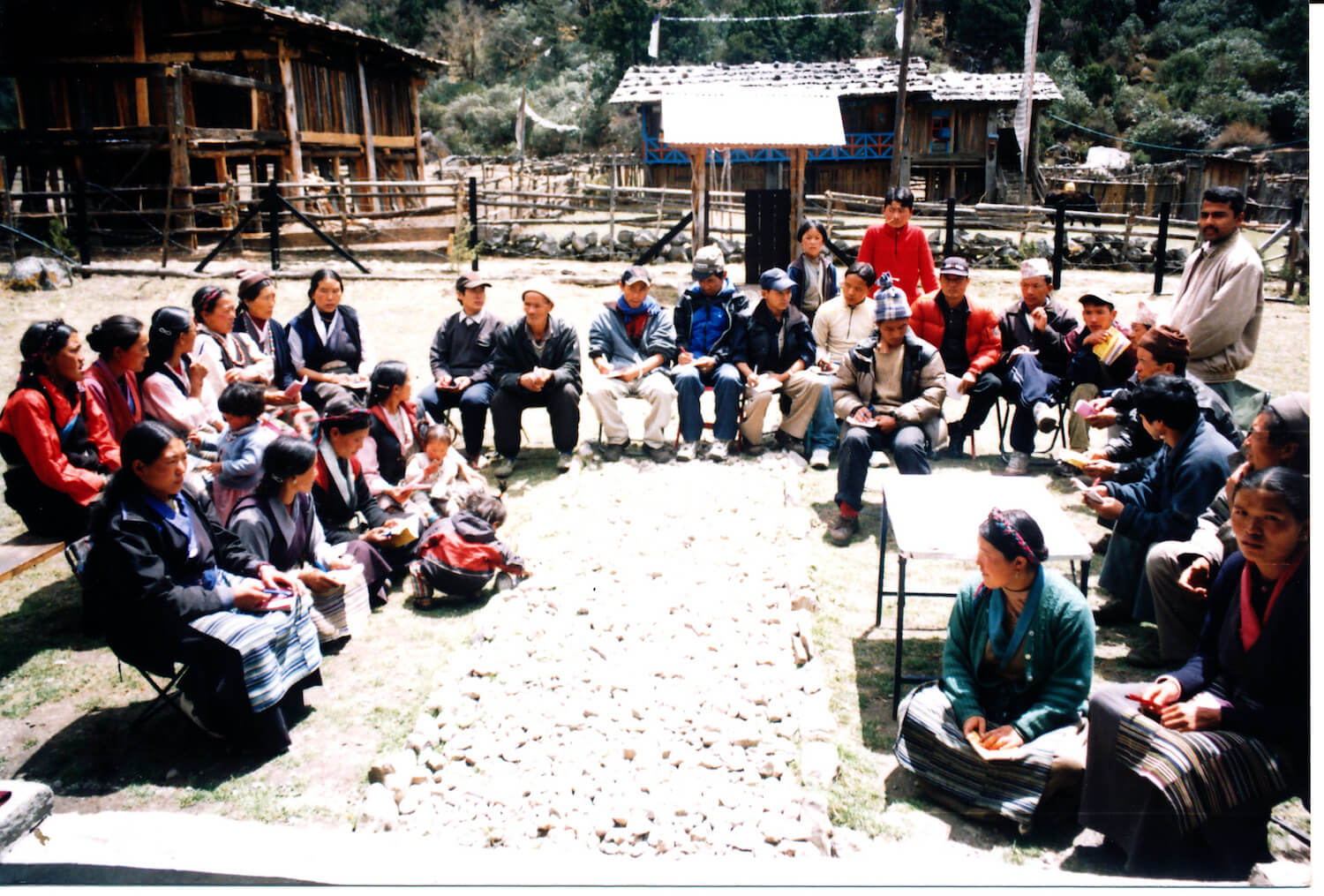
These initiatives have been critical in promoting women’s empowerment by enhancing their role in nature conservation and decision-making, particularly in natural resource management. Since its inception, KCAP has supported 35 Mothers’ Groups and helped them secure a critical role in decision-making and management.
Starting off as a small network, the Mothers’ Groups have expanded to include a wide spectrum of activities including support for non-formal education to the older generation, and education for girls. There are cleanliness and health-hygiene programs, childcare, and initiatives to promote financial independence of women through saving and credit schemes.
The Mothers’ Groups are a model for translating the rights of the women over natural resource management into action, and provide scholarships to girls from low income families through an endowment fund of Rs5 million in each group. It supports income generation activities and provides scholarships for students, particularly girls from vulnerable households. So far, 206 girls have benefited from scholarships.