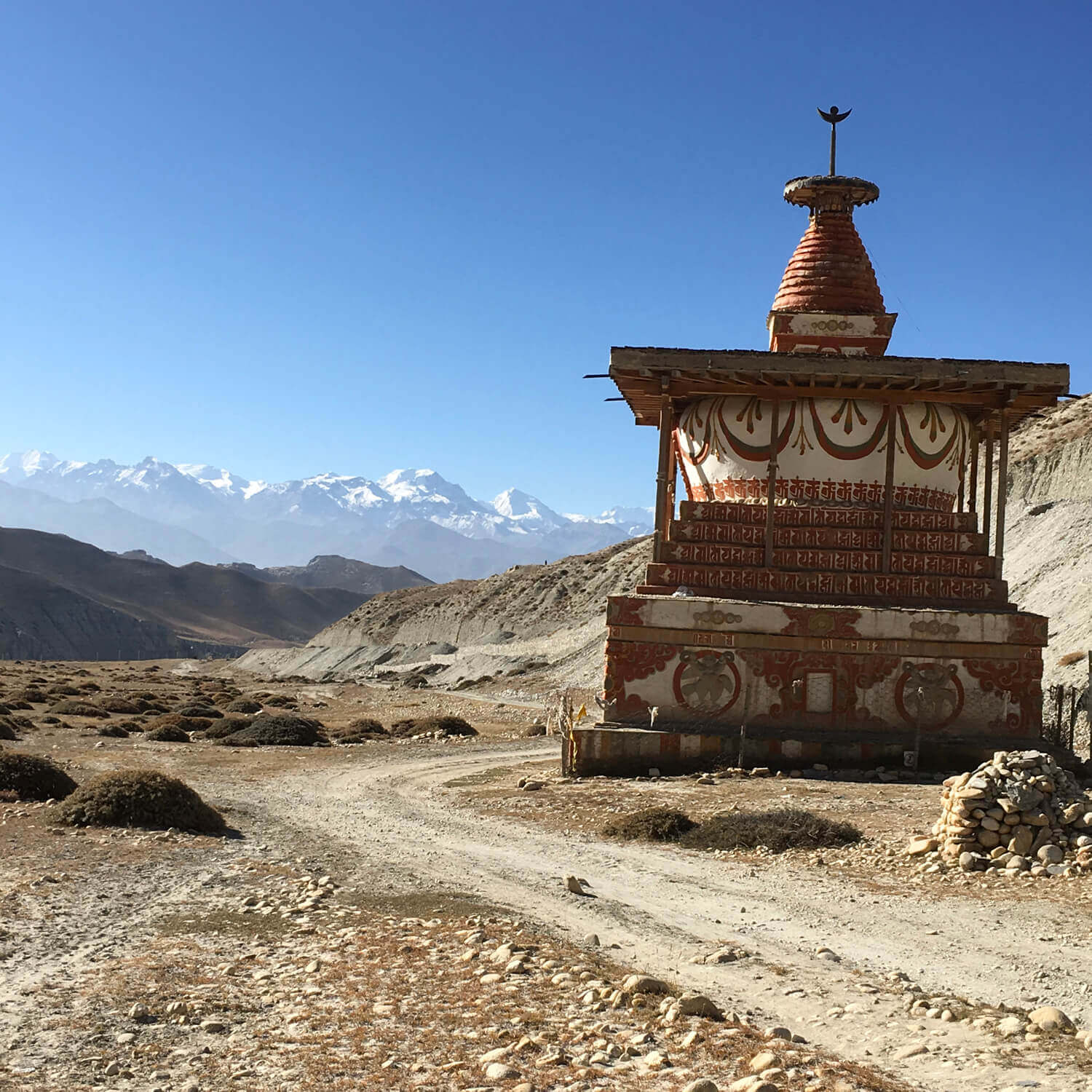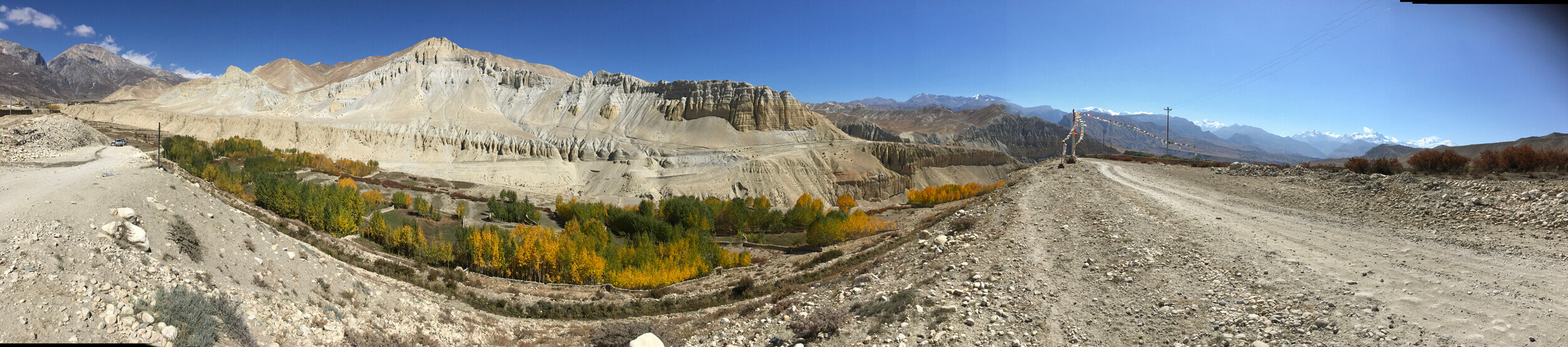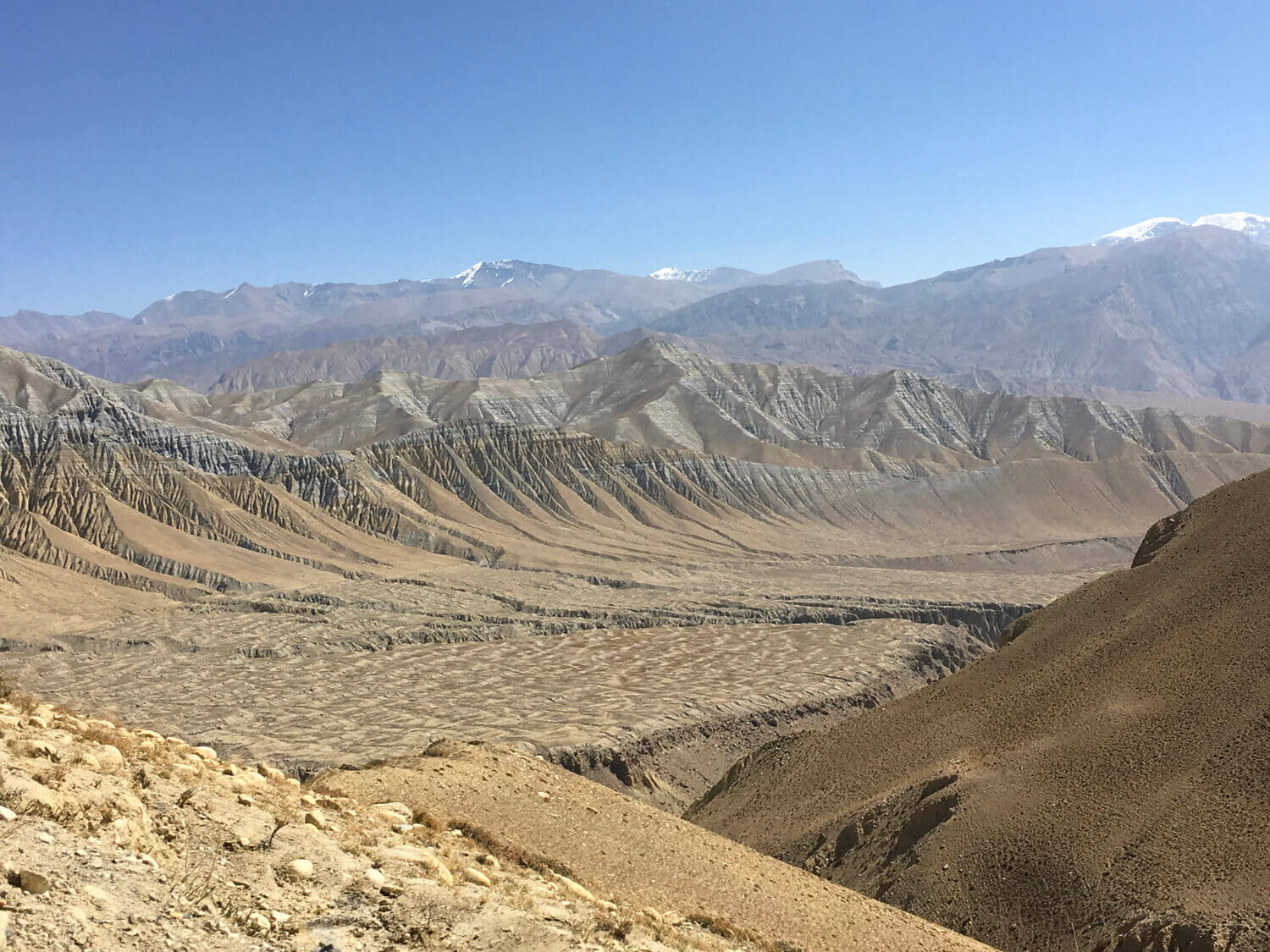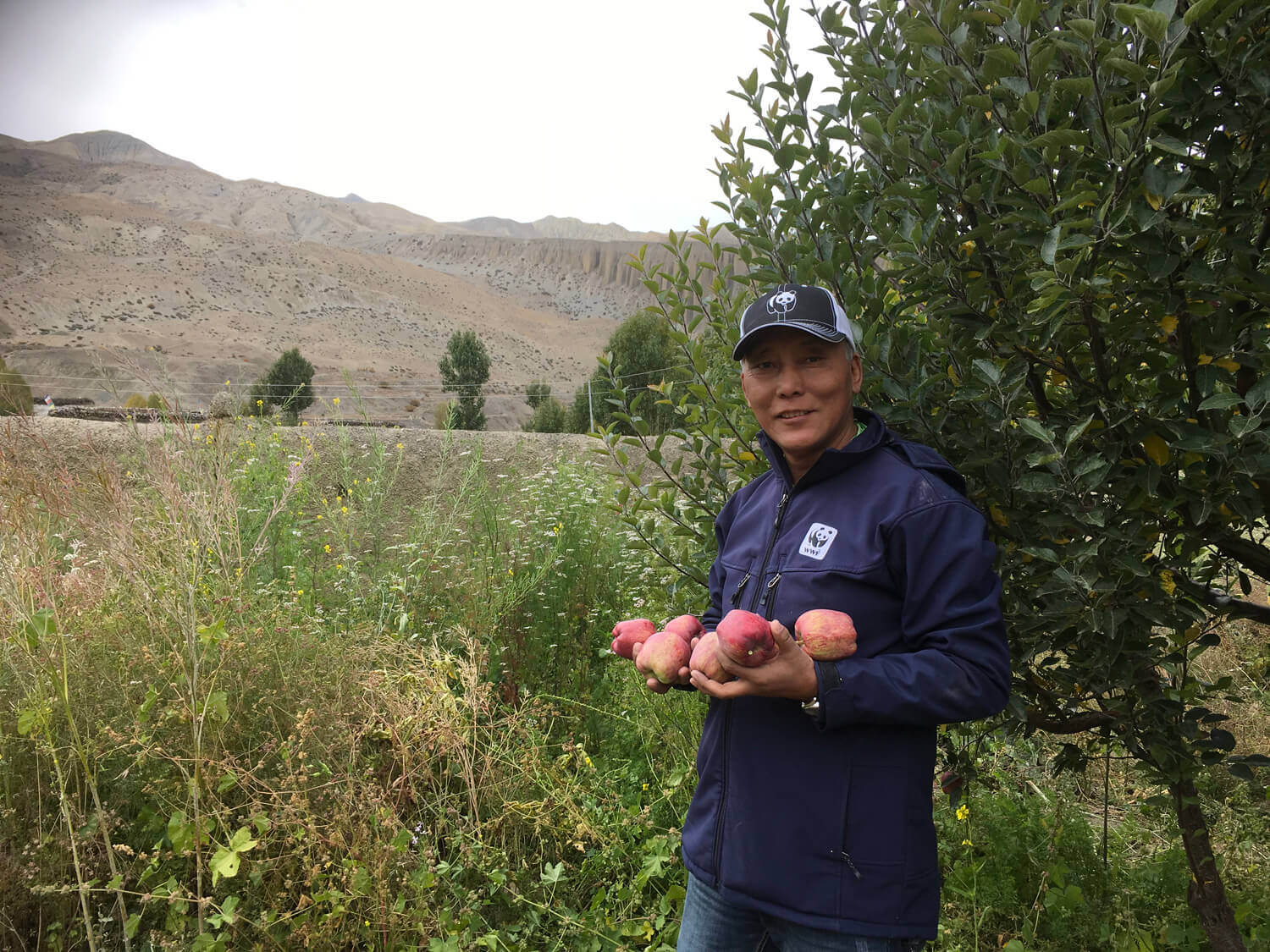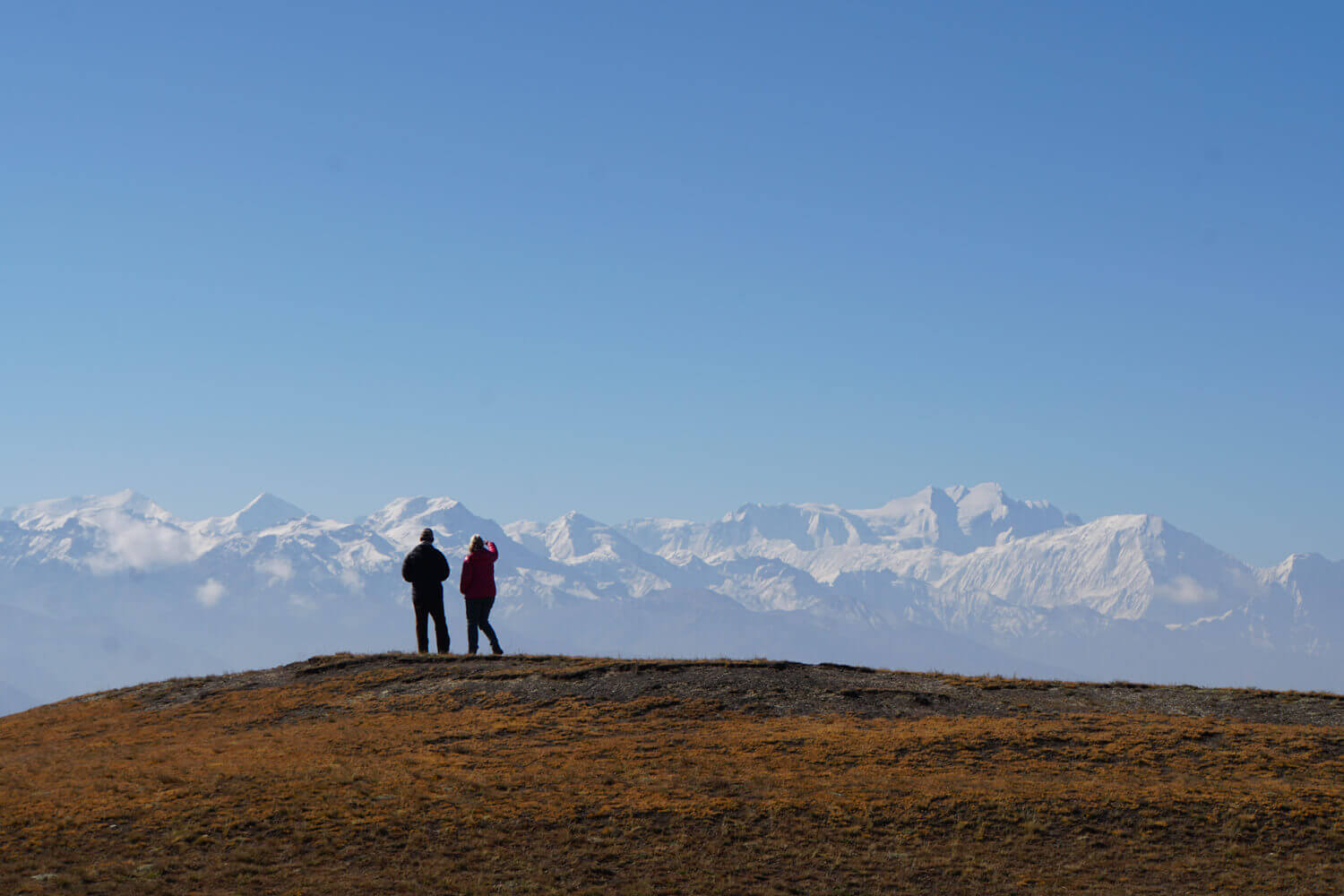
As the road meanders uphill towards my village of Dhee in Upper Mustang, I recall my childhood amidst these mountains. Life was hard then, things people take for granted now were privileges only few could afford.
I walked 11 days to Pokhara for my SLC exams. Seeing cars was magical. We were more likely to see helicopters in Mustang than vehicles.
There was only one primary school in whole Kingdom of Lo then. It was a six hour walk away, and the only secondary school was in Jomsom, three days away.
Thanks to the secretary of the late King of Mustang, Chandra Bahadur Thakali, I stayed with his family in Jomsom paying his family a rent of Rs310 a month in 1976. That was a what a full-grown sheep cost then.
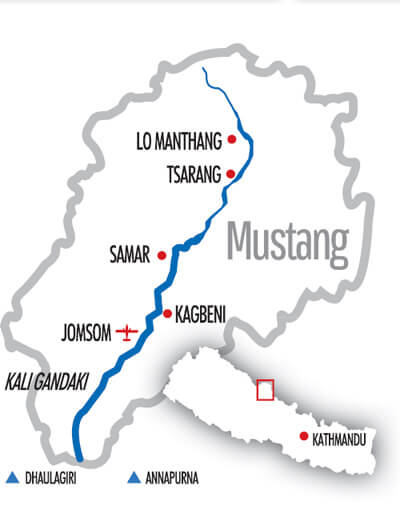
Mustang was a restricted area, outsiders were rare. Today, there are western trekkers, Nepalis on motorcycles all on the motorable road that joins Lo Manthang to Jomsom. In fact ‘domestic tourists’ are more visible than non-Nepali visitors.
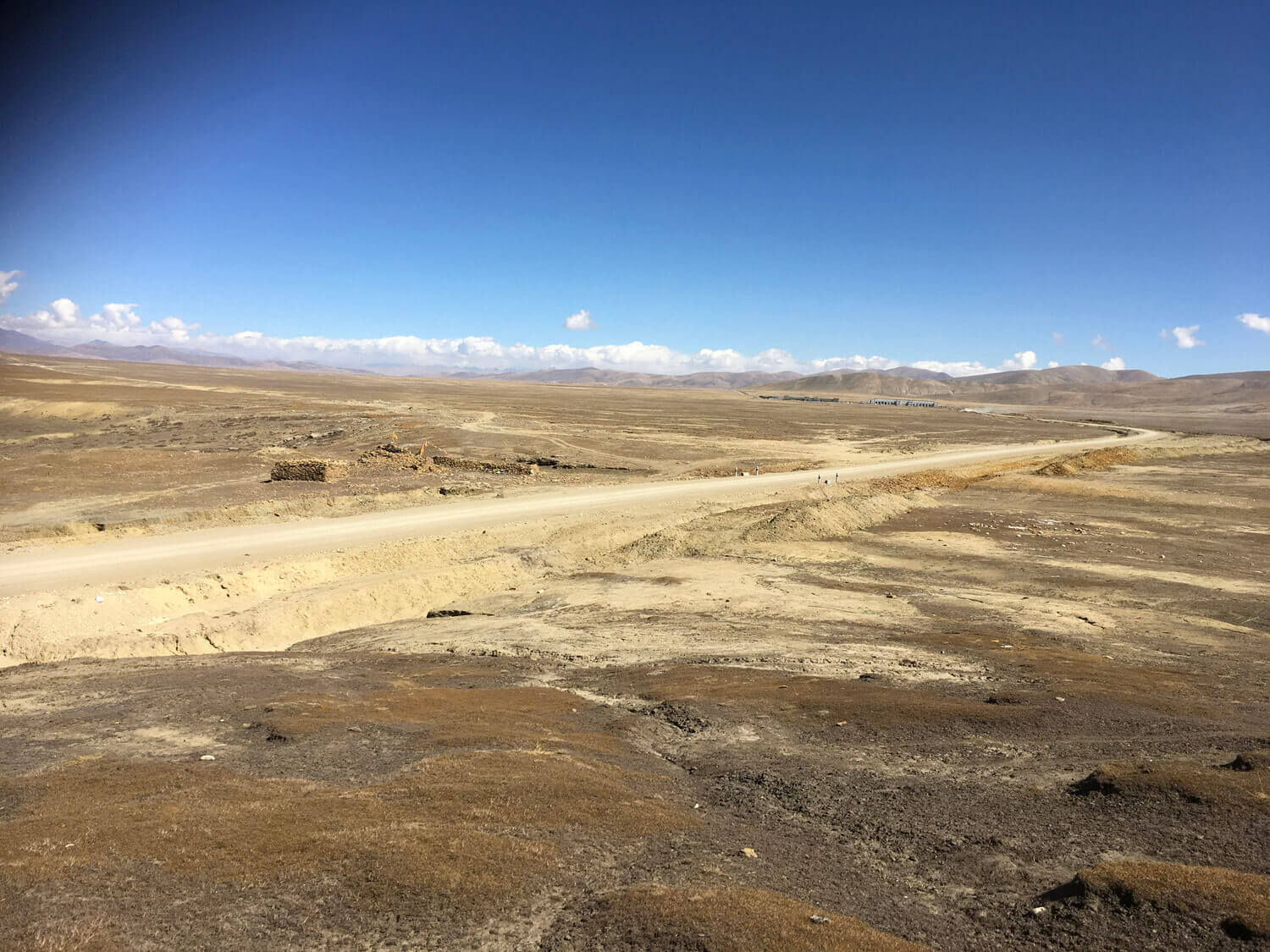
And that is the biggest change in Mustang today: The Road. Accessibility has accelerated change in this kingdom within a republic. The 11-day trek from Pokhara can be done in one day – the highway may be precarious but it is a new lifeline.
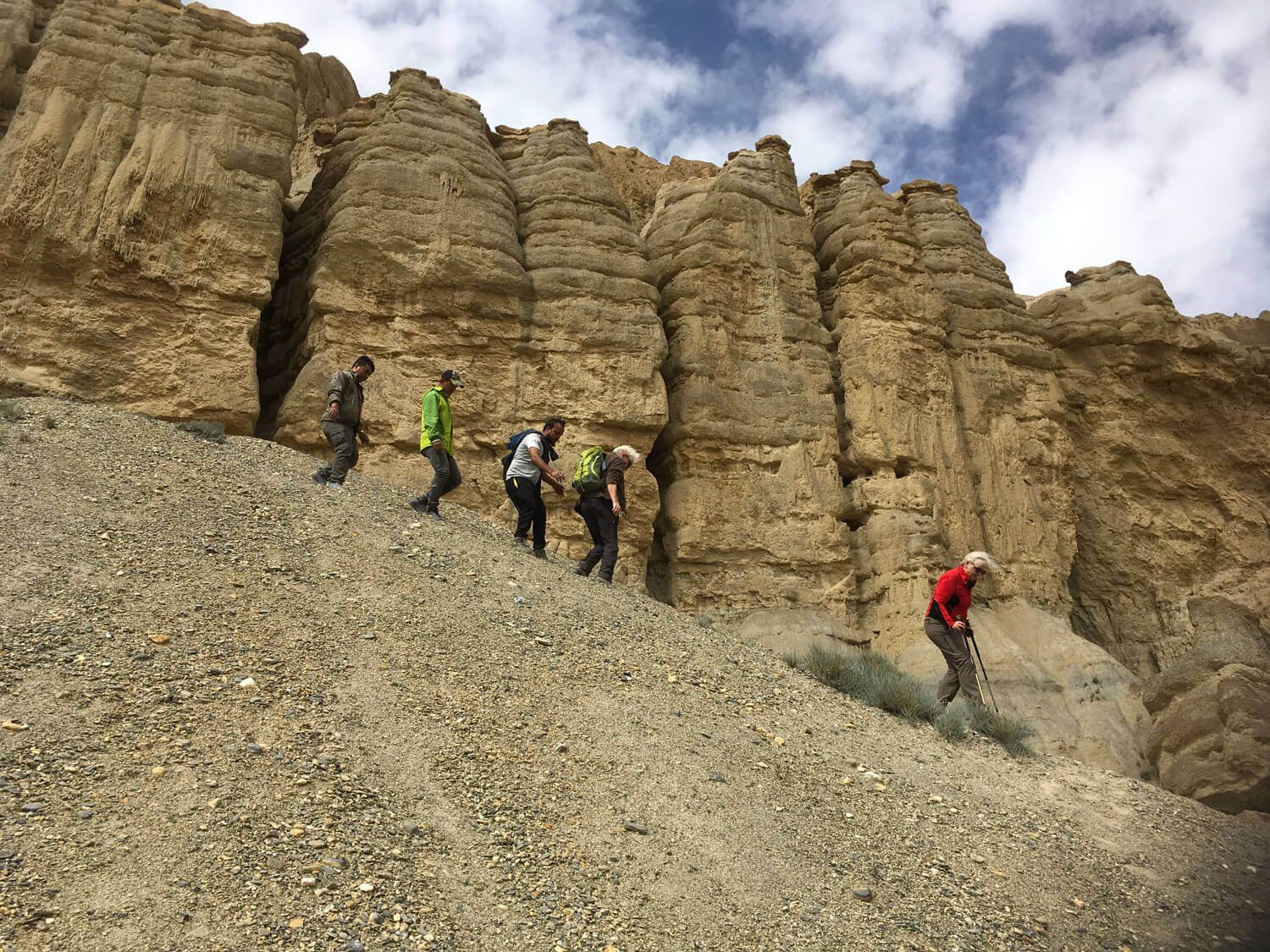
Subsistence agriculture and pastoralism have been replaced with trade, and now with outmigration and tourism. The road connects Mustang’s pristine culture, stark beauty and fragile ecosystem to the outside world.
Accessibility has also helped upgrade health facilities, improve education and brought modern everyday necessities which were nearly non-existent in the past. With no knowledge or access to primary health care, locals mostly depended on traditional amchis healers. With modern medicine and better nutrition, most health indicators have improved.
Food was always a scarce during my Mustang childhood. Mules, horses, yaks, people and sometimes even goats had to travel for a week days to transport grain to the villages, making it expensive.
Although we ate nutritious local produce like buckwheat, beans, wheat, potatoes and barley, the road has brought processed and packaged food. However, the road has also contributed to food security by bringing down the cost of grain and other essentials.