
Read Also
In the driving seat, Shreejana Shrestha
Songs of rebellion, Smriti Basnet
Power to women, Bineeta Gurung
Nepal is going through a dramatic demographic shift. The country’s fertility rate is approaching replacement level — although the momentum of population growth will continue for another generation, it will stabilise thereafter.
This demographic transition of low birth rate and higher life expectancy is accompanied by the biggest population migration in the country’s history. The hill districts are depopulating at staggering rates, having lost between 15 to 25 per cent of their inhabitants in the past 10 years as people migrated to cities, plains and abroad for work.
Nearly 20 per cent of Nepal’s population is away at any given time, and considering that the migrants are mostly young men, this could mean that up to half the men in the 20-35 age group are essentially missing from their families, communities and society.
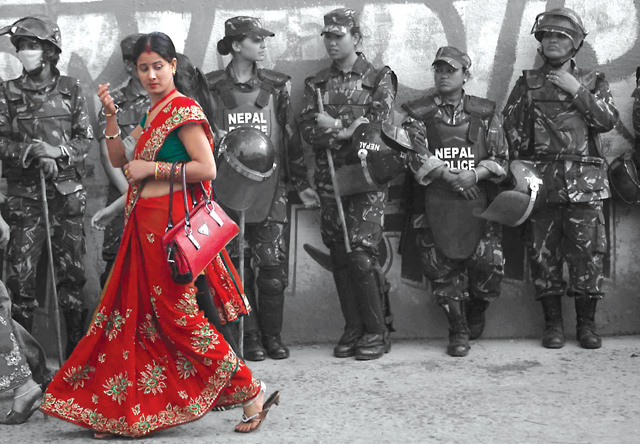
This brings us to the other ongoing societal transformation: the gender shift. Families and communities in rural Nepal are being run by women. With most men gone, rural Nepal has been feminised. The number of female students in high schools and colleges is at an all-time high. Women are moving into jobs traditionally considered the domain of men: driving public transport, and engaging in masonry, carpentry and construction, especially in the earthquake-affected districts. The feminisation of the workforce is subtly empowering women, providing them with cash income and new confidence, and bolstering their sense of self-worth.
Gender activists are not particularly fond of Tij — the annual celebration by daughters, wives and sisters — which this year falls on Sunday, 4 September. Their criticism is of the practice by women of fasting for the wellbeing and longevity of their husbands. It is absurd, particularly in this day and age, that women should be culturally required not to eat so that their husbands will be well-fed.
However, Tij has traditionally also been a celebration of sisterhood and solidarity, a one-day rebellion characterised by deliberate defiance against male dominance. Could it be that some Nepali women today consider the Tij fast as a hunger strike against patriarchy? Going by the lyrics of the new duets that have been released in the run-up to this year’s festival, there is open ridicule of menfolk as lazy, good-for-nothing spoilt brats (see page 7).