
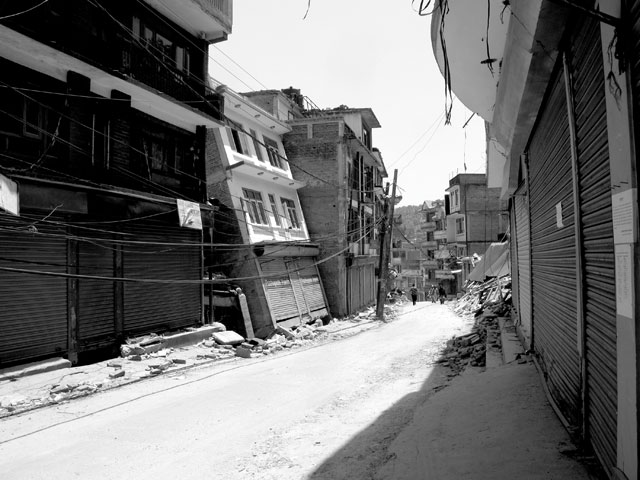
There are two things we can now say about the deadly earthquake that struck Central Nepal on 25 April leading to tragic loss of life and property: a) It was not a surprise, and b) It could have been far worse. Himalayan seismologists agree that the quakes did not sufficiently release seismic energy beneath us, and that this earthquake should spur us to be better prepared for the really big ones to come.
Kunda Dixit
Relief work is going on, supplies haven’t reached many remote settlements and hospitals are still having to cope with the backlog of wounded. So, it may still be a bit premature to analyse the response to the disaster by the state, the international community, non-governmental groups and individuals to this disaster. Even so, some lessons could also have a bearing on ongoing relief and help streamline it before the rains arrive mid-month.
For about 10 years before the earthquake, scientists and international agencies had been warning the Nepal government to step up preparedness, set up a Disaster Management Authority, start retrofitting schools and hospitals. Alarm bells were ringing about just how unprepared we were to a disaster that everyone knew was coming. During the 1996-2006 conflict, Nepalis had to deal with the day-to-day disaster of war, and earthquakes were not a priority. Since 2006, the constitution, peace process and power games have preoccupied politicians and the media, leaving them too distracted to plan for a future quake.
Even so, the awareness campaign was starting to have an effect. Funds were being pledged, exercises held, contingency plans drawn up, communities had started stockpiling emergency equipment and pre-positioning supplies. We were preparing to be prepared when the earthquake struck on 25 April.
There were many factors that kept the death toll far lower than expected. First of all, at M7.8 this wasn’t a ‘Big One’ and it didn’t strike at night when most people would have been home. The intensity and duration of shaking was just below the threshold for ferro-cement failure, so brick and clay mortar buildings went down and only badly-built concrete structures collapsed. Also, the dry season and over-extraction of groundwater had lowered Kathmandu’s water table which meant that the Valley’s soft soil did not suffer liquefaction.
Striking just before noon on a Saturday saved at least 75,000 lives – of children who would have been in the 5,500 schools that were completely destroyed. Many of their parents were in the fields, digging potatoes, harvesting wheat or weeding the cornfields. A quarter of the men in the 15 districts have migrated out, which also lowered the death toll.