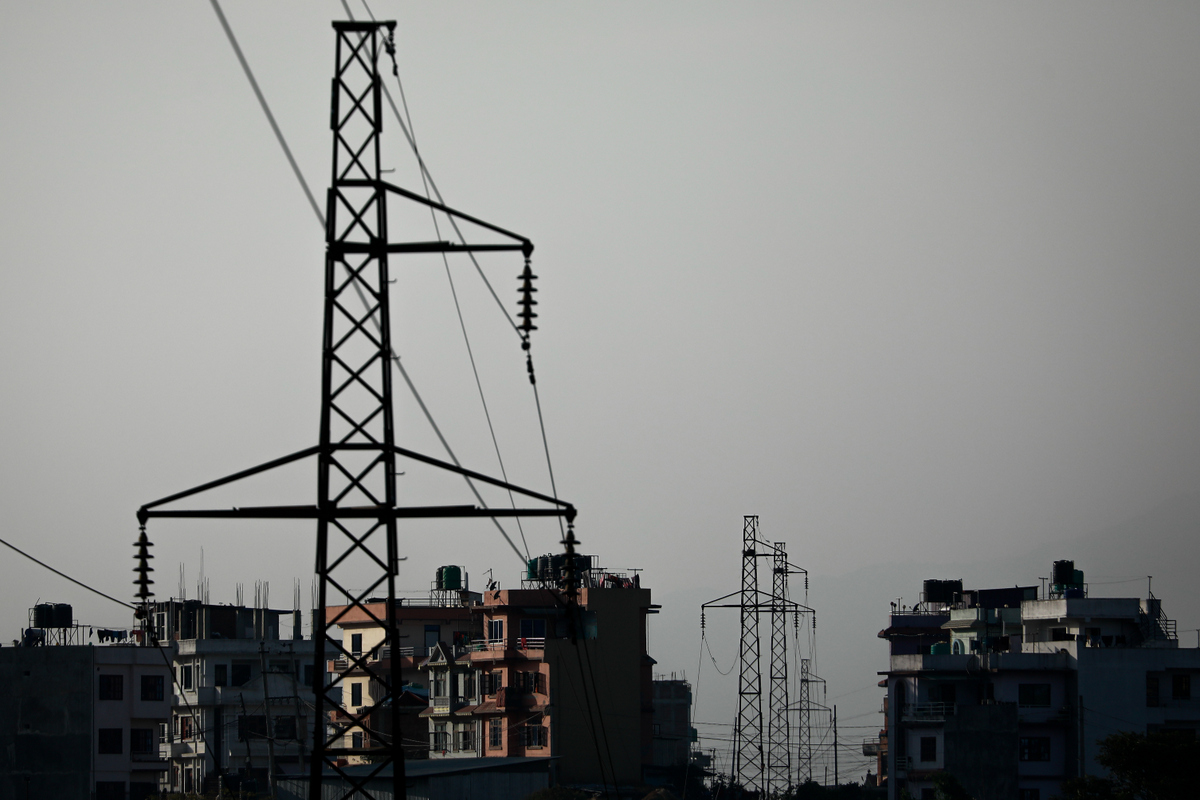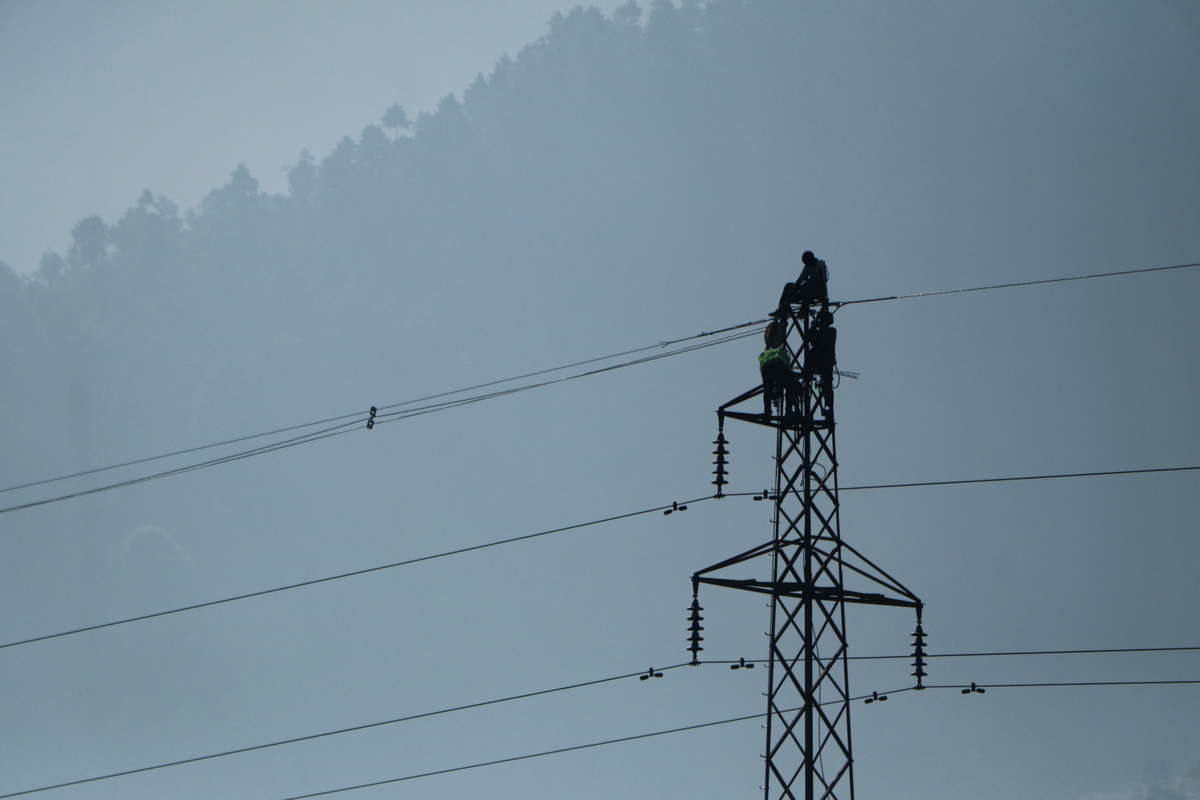
A country is being offered its largest ever infrastructure grant, but is torn between accepting it or not. The donor nation appears more eager to give the money than the recipient to take it.
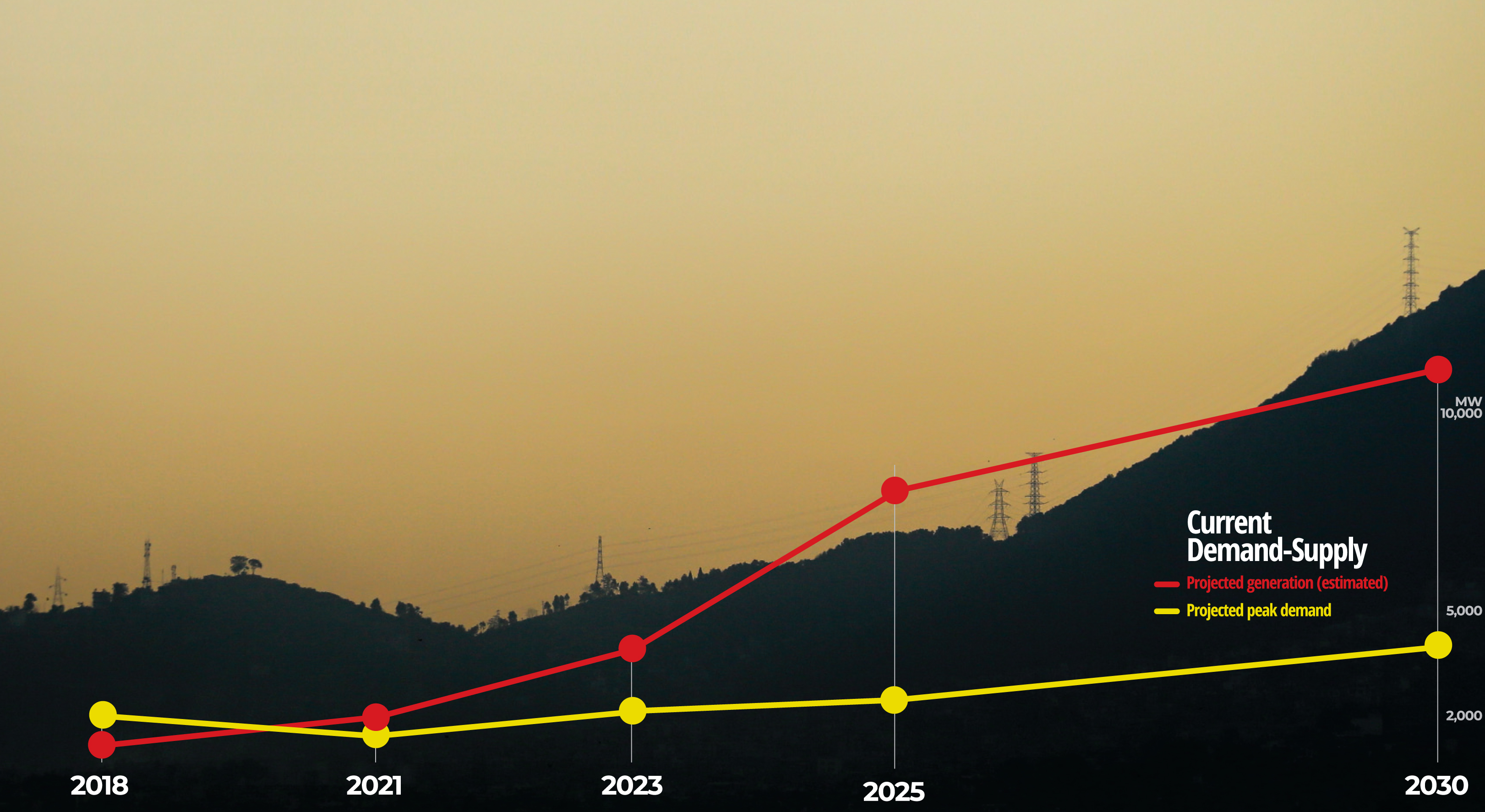
That, in a nutshell, is what is happening to the $500 million Millennium Challenge Corporation (MCC) grant from America to upgrade Nepal’s power grid and highways. Political leaders opposed to the MCC have weaponised it to strike at rivals to such an extent that they cannot now backtrack – even though generated power is already being wasted because of the lack of transmission capacity.
The tussle over the MCC in Nepal has geopolitical undercurrents because of growing Sino-US tensions. Frequent visits to Kathmandu by US functionaries are an indication of just how important the project is for Washington – even though its official line is that it is up to Nepal to take it or leave it.
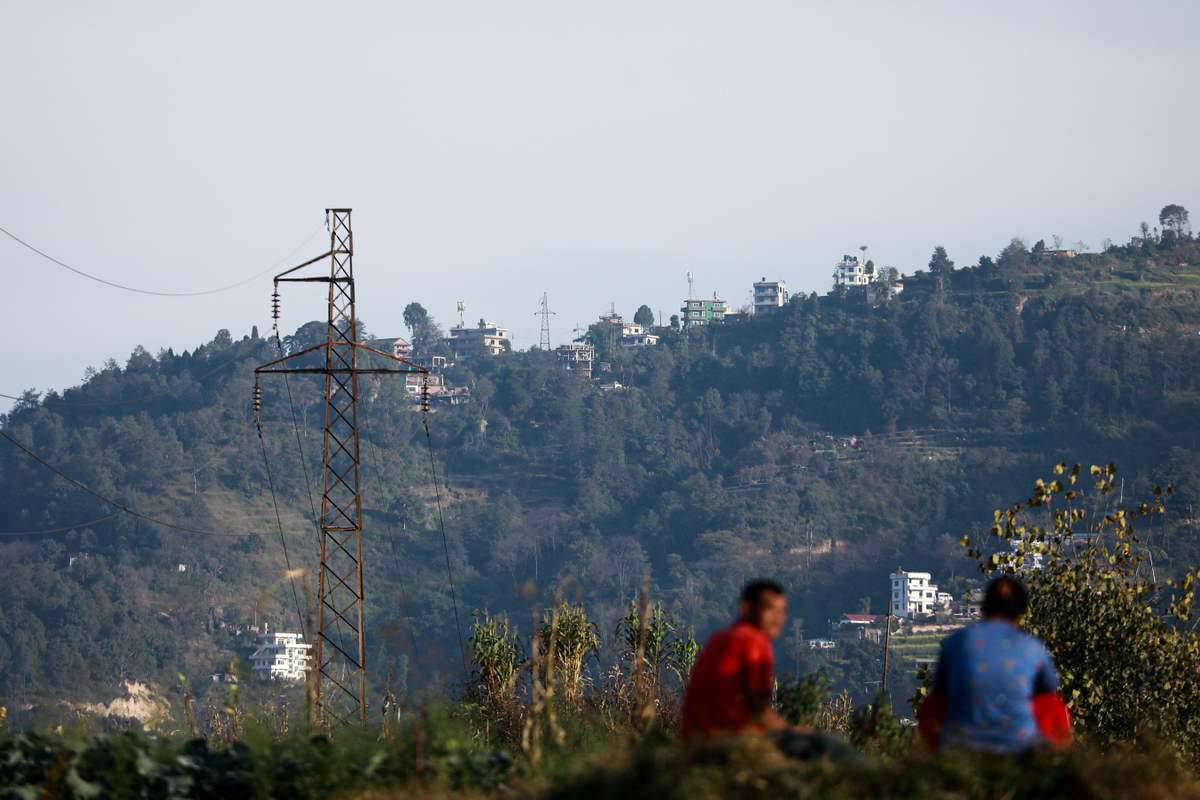
The US Assistant Secretary for South and Central Asian Affairs Donald Lu and his deputy Kelly Keiderling are both in Kathmandu this week to meet Prime Minister Sher Bahadur Deuba and other leaders. These visits follow a 4-day trip in September by Fatema Z Sumar, Vice President of Compact Operations at the MCC.
The Americans seem genuinely mystified about why a country like Nepal that needs all the help it can get to develop its infrastructure, and which stands to lose billions in wasted hydroelectricity in the coming years because of the lack of transmission lines, should be so hesitant about their grant.
Officially, the US Embassy said in a statement this week that Lu and Keiderling were in Kathmandu as part of a regional trip to discuss ‘climate change, Covid-19 response and strengthening democracy’. The MCC was pointedly not mentioned.
Read also:
Nepal’s precious electricity going waste, Anita Bhetwal
Missing links in Nepal’s MCC debate, Jeevan R Sharma and David Seddon
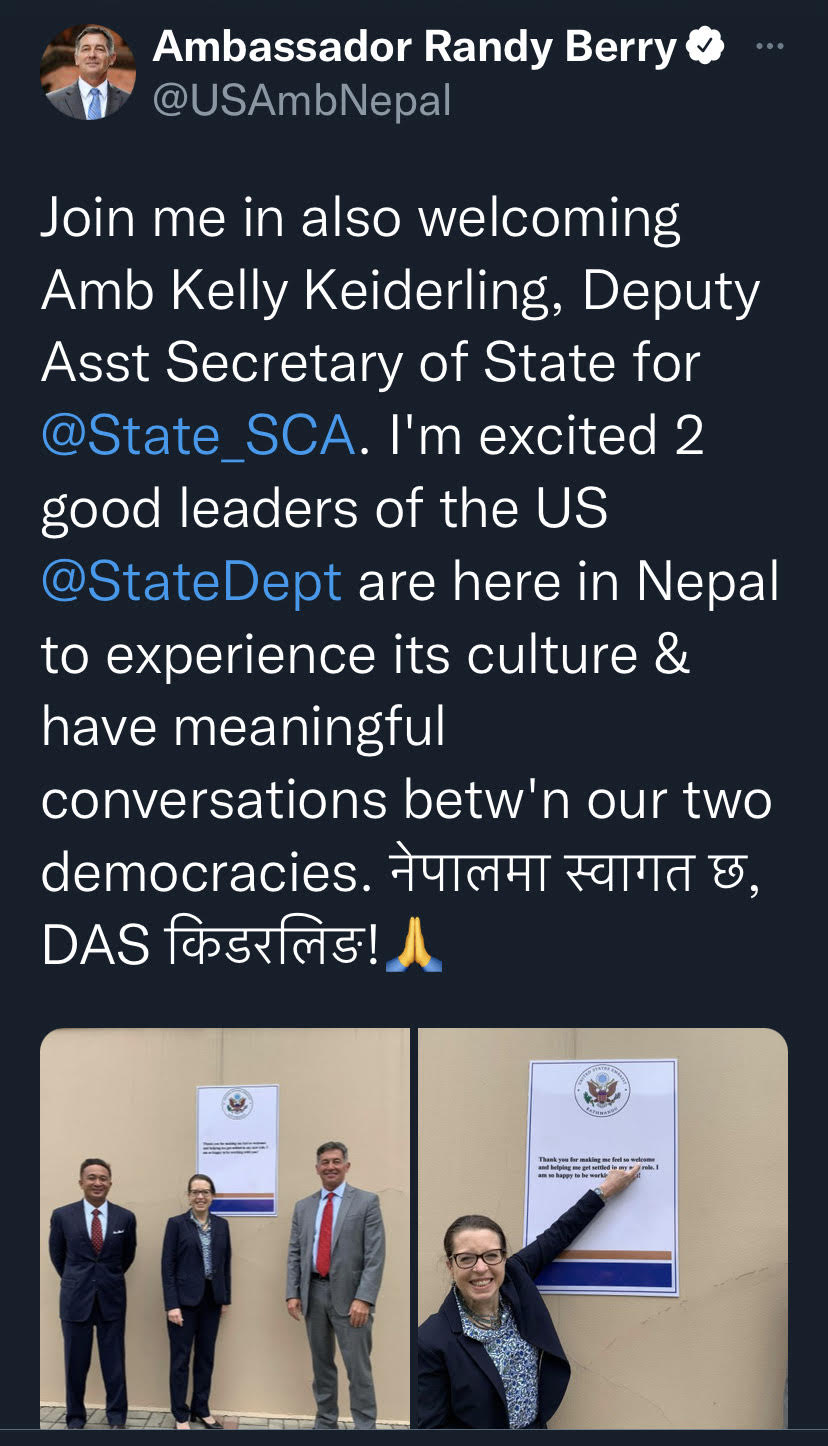
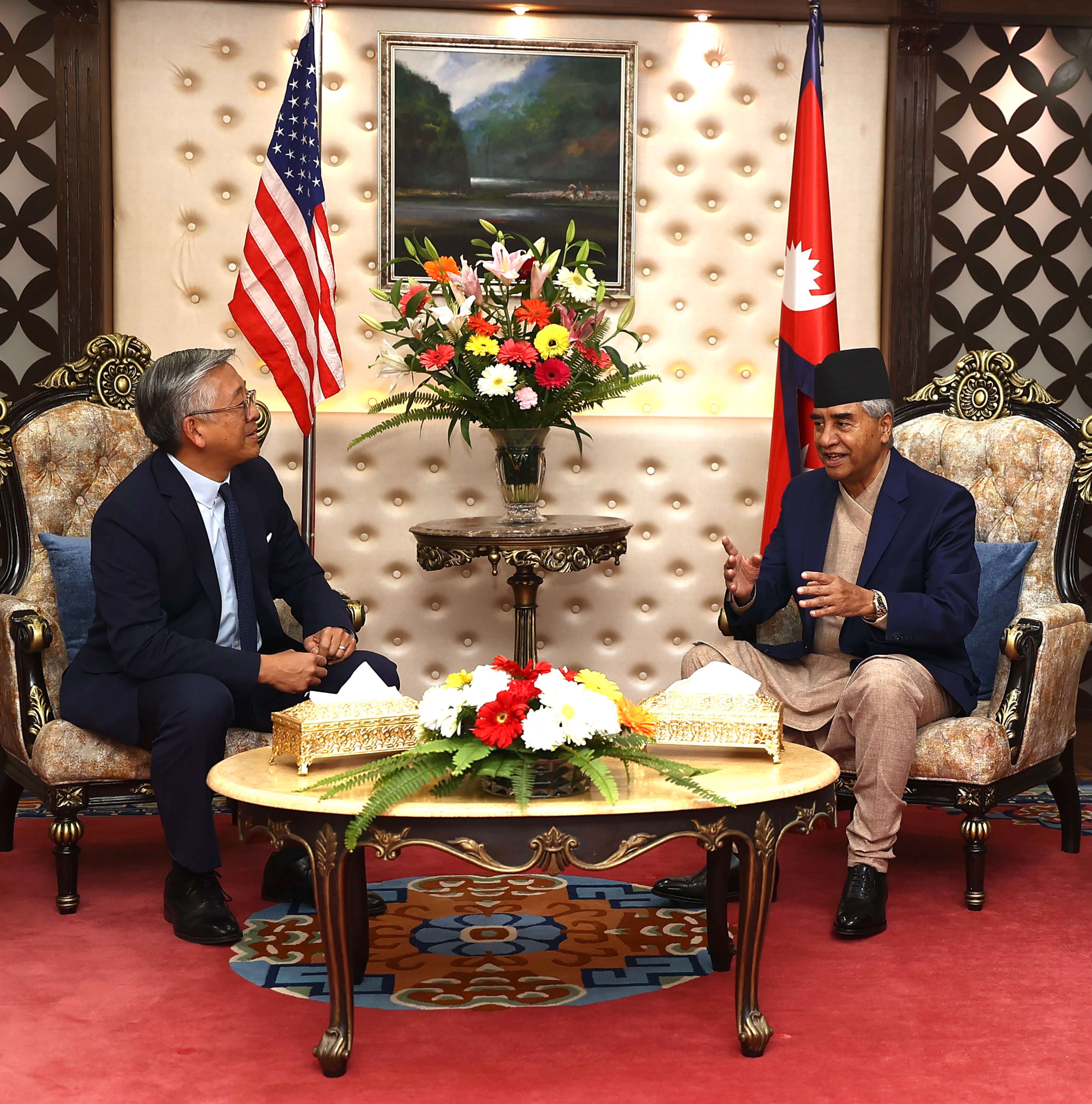
Lu has been posted before in New Delhi, and is a South Asia hand. Diplomatic sources say MCC is definitely going to figure prominently in his discussions here, which will be a follow-up to the short interaction Prime Minister Deuba had with US President Joe Biden in Glasgow two weeks ago during COP26. Deuba also met the deputy chief of the MCC Alexia Latortue, and told her that he and the leaders of his five-party coalition supported the MCC moving ahead.
On his return from Glasgow, Deuba told the press that he and Maoist leader Pushpa Kamal Dahal had written to the Americans assuring them that they would push MCC ratification. Dahal subsequently backtracked, saying he had only agreed to amendments to the contract. One source said Dahal told party insiders he did not want the controversy to weaken the coalition, and cost votes in elections.