The Himalayan mountains are known as a treasure trove of medicinal plants, many of which have not even been scientifically studied. But one rare tree with proven anti-cancer property is on the verge of extinction, and needs urgent protection.
Maire’s yew (Taxus mairei or Lauth Salla in Nepali) is a conifer that used to be abundant in the mountains of central Nepal. Because of unsustainable harvesting, there are less than 500 mature trees left in the wild.
Yews have healing properties for several ailments, but it is for its anti-cancer property that it is most valued, and that is also why the trees are being over-exploited. Their leaves, bark and trunks contain a compound called taxol, proven to inhibit the growth of new cancer cells.
Maire’s yew is one of the three Taxus species found in the country. While Taxus contorta is distributed from west to central Nepal and Taxus wallichiana (Himalayan yew) is found in central to east Nepal. But it is the rarest Taxus mairei is found only in Kavre, Makwanpur and Sindhuli districts in the mountains near Kathmandu Valley.
Taxus mairei is classified as ‘Vulnerable’ in the IUCN red list and categorised and as critically endangered species in Nepal.
However, although poachers and their suppliers harvest them at night to smuggle them out, most local people till recently used to be unaware of its value.
Even though I worked in conservation in Nepal for a decade, I myself had never paid much attention to the diversity of yews in my country. It was only when I was at Oxford surrounded by English yews (Taxus baccata) that I grew curious about the species back home.
This led me to research the mid-mountains of central Nepal in 2018 to estimate wild population of Maire’s yew and harvesting practices of local communities.
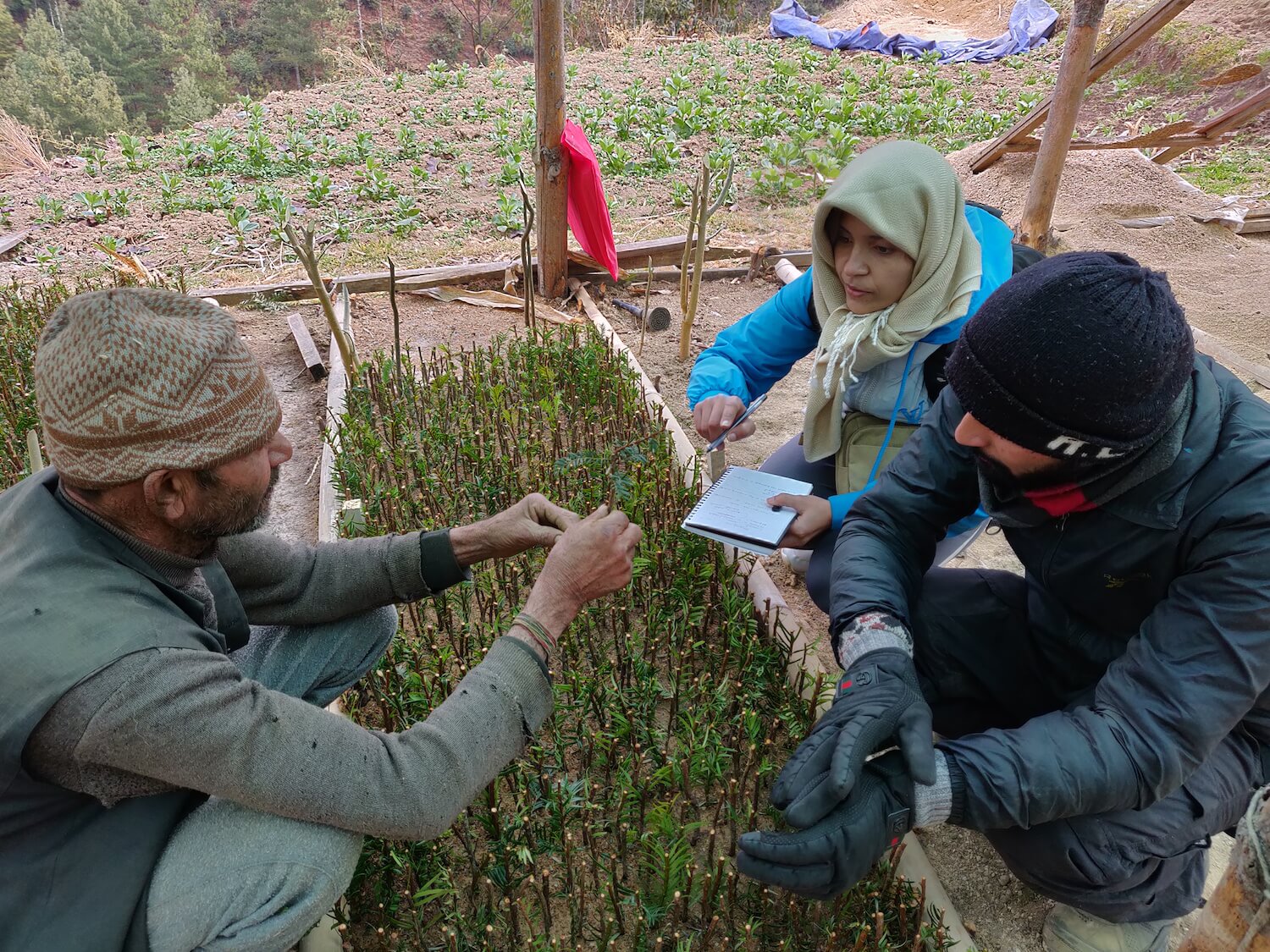
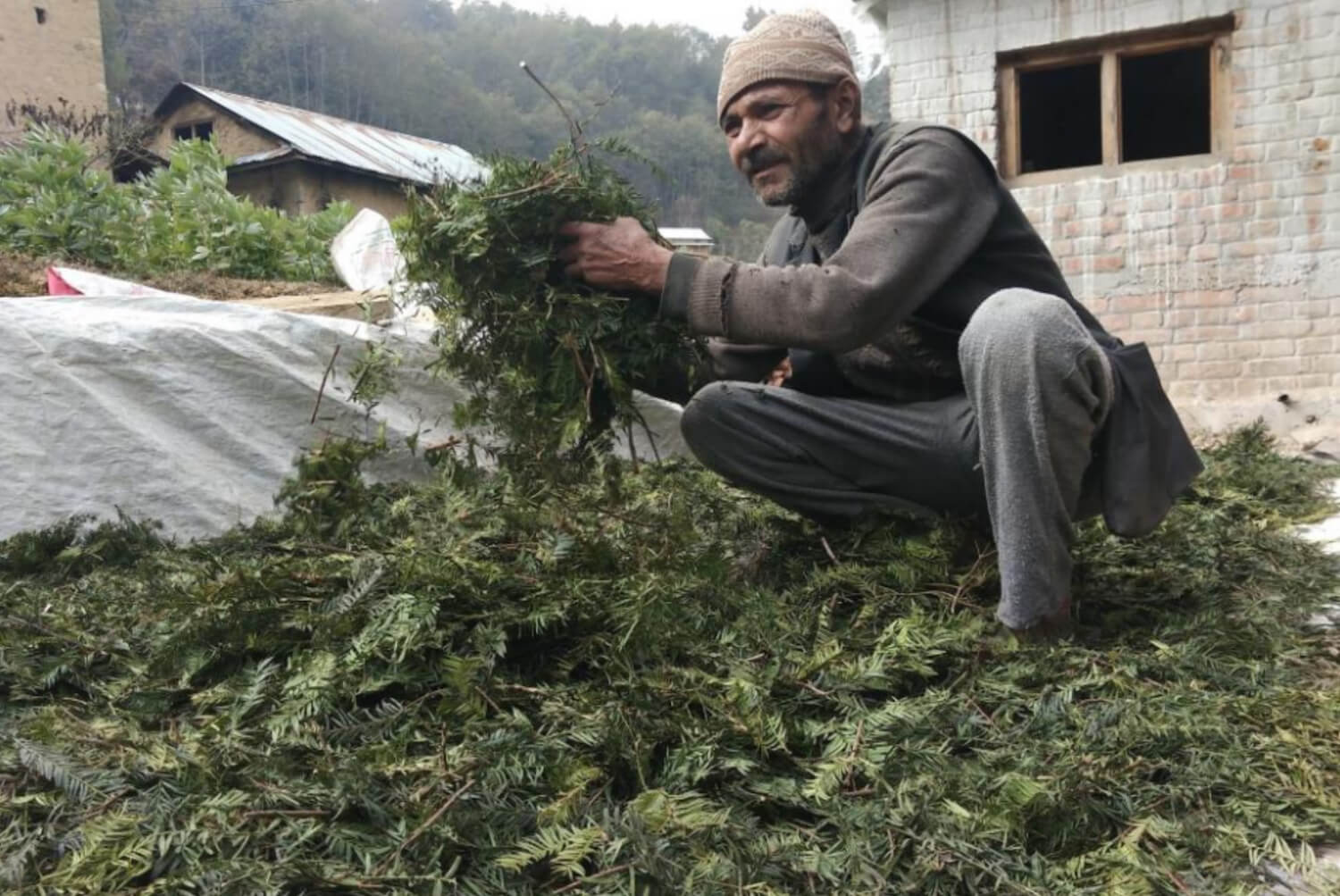
I still remember that day clearly: it was raining, we were tired of travelling on a motorbike along a treacherous road in Dhungkharka of Kavre in search of what locals call Lauth Salla.
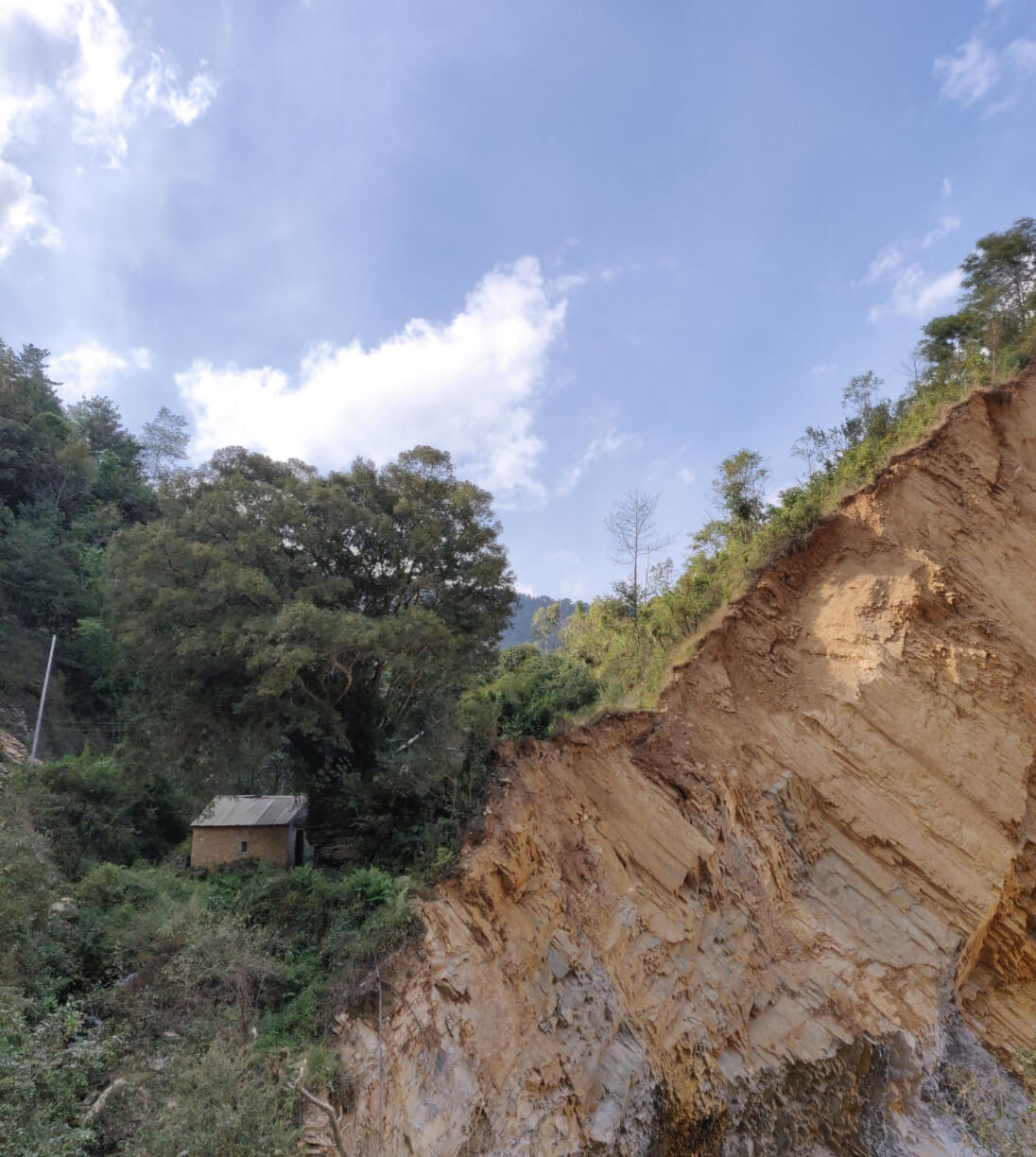
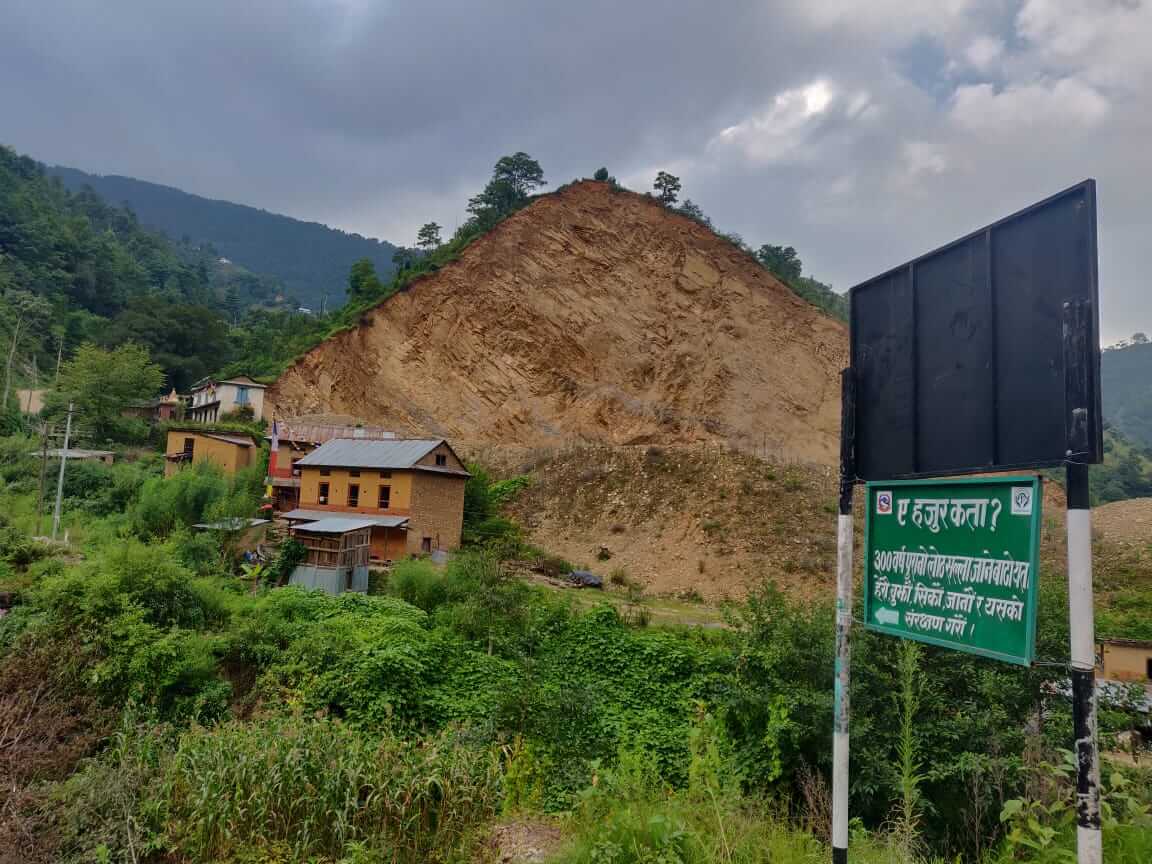
After six hours, a local farmer pointed us to a stone quarry where a few excavators were busy gouging out a slope. He took us to a tree growing next to a water mill right next to the quarry.
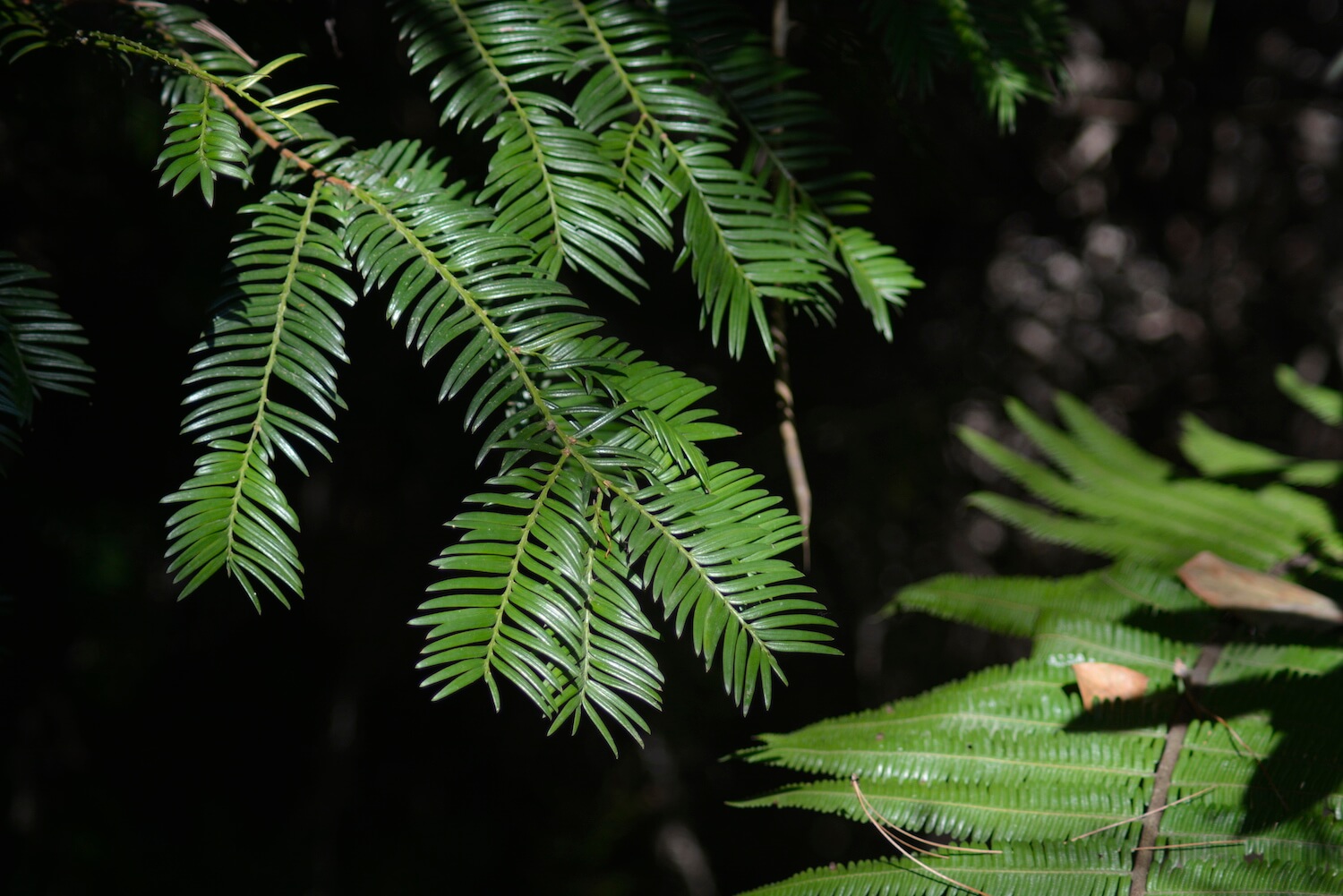
It had dark green needle-like leaves, arranged spirally in two flat rows either side of the stem, and had a pleasant smell. Unlike the Himalayan yew, it had unclear and fewer bud scales. Its bark was covered in dust from the quarry, turning reddish grey from brown and had numerous bruises from being hacked by axes.