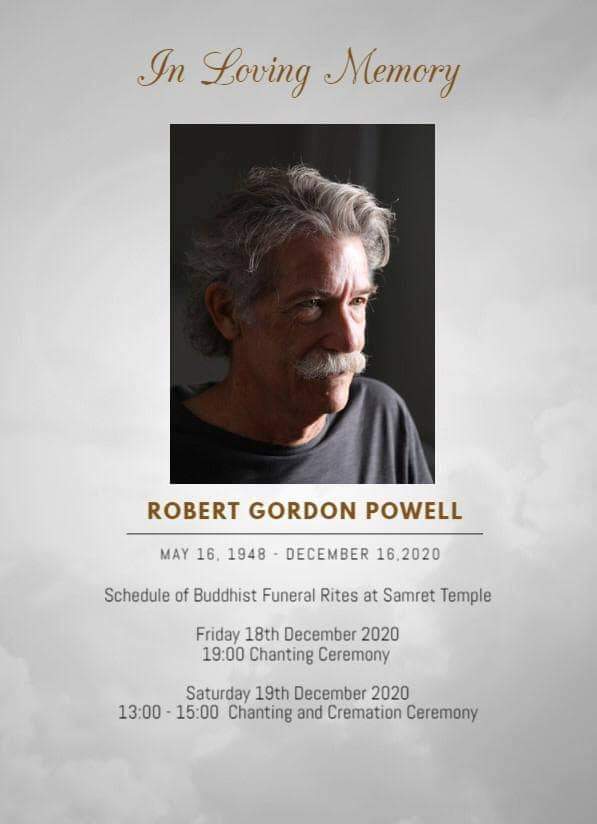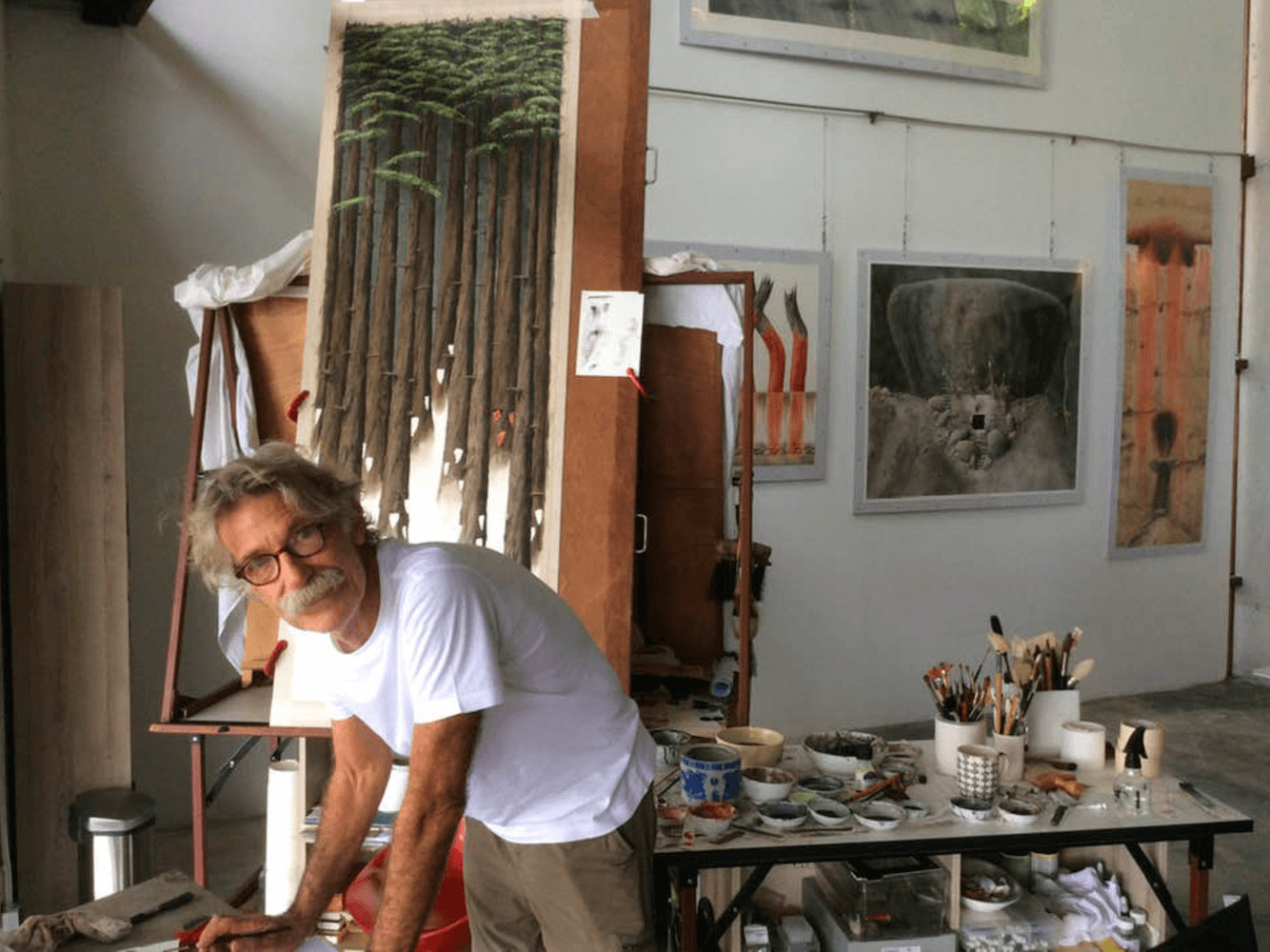
Last Wednesday, 16 December 2020, marked the passing of a visionary artist who shared his unique perceptions of Asian architecture, art and culture with the world.
With an eye beguiled by beauty and a heart attuned to the strange and ineffable qualities of physical heritage, Robert Gordon Powell was a magician with pen, pencil and brush.
Born in Australia in 1948, Rob was teaching art and studying architecture when the Baul clan from just divided state of Bengal in India, came to perform songs, dance and rituals in his university town.
This initial introduction to the human-spirit world deeply intrigued him, and the Bauls, who stayed at his home, recognised in him a kindred soul. Laxman Das Baul invited Rob to visit their Bengali village.
Arriving at the teeming Howrah train station, riding the branch line through idyllic rice paddies and ending with an hour-long rickshaw ride deeper into mud-walled thatch-roofed villages, the young man from ‘down under’ was transported into an utterly different reality.
While sketching and experiencing life in Bengal, Rob heard that Ladakh had recently opened to foreigners, and determined to visit there as well. His camera disappeared en route, being fate’s way of telling him that hand drawings were to be his primary means of documenting what he encountered.
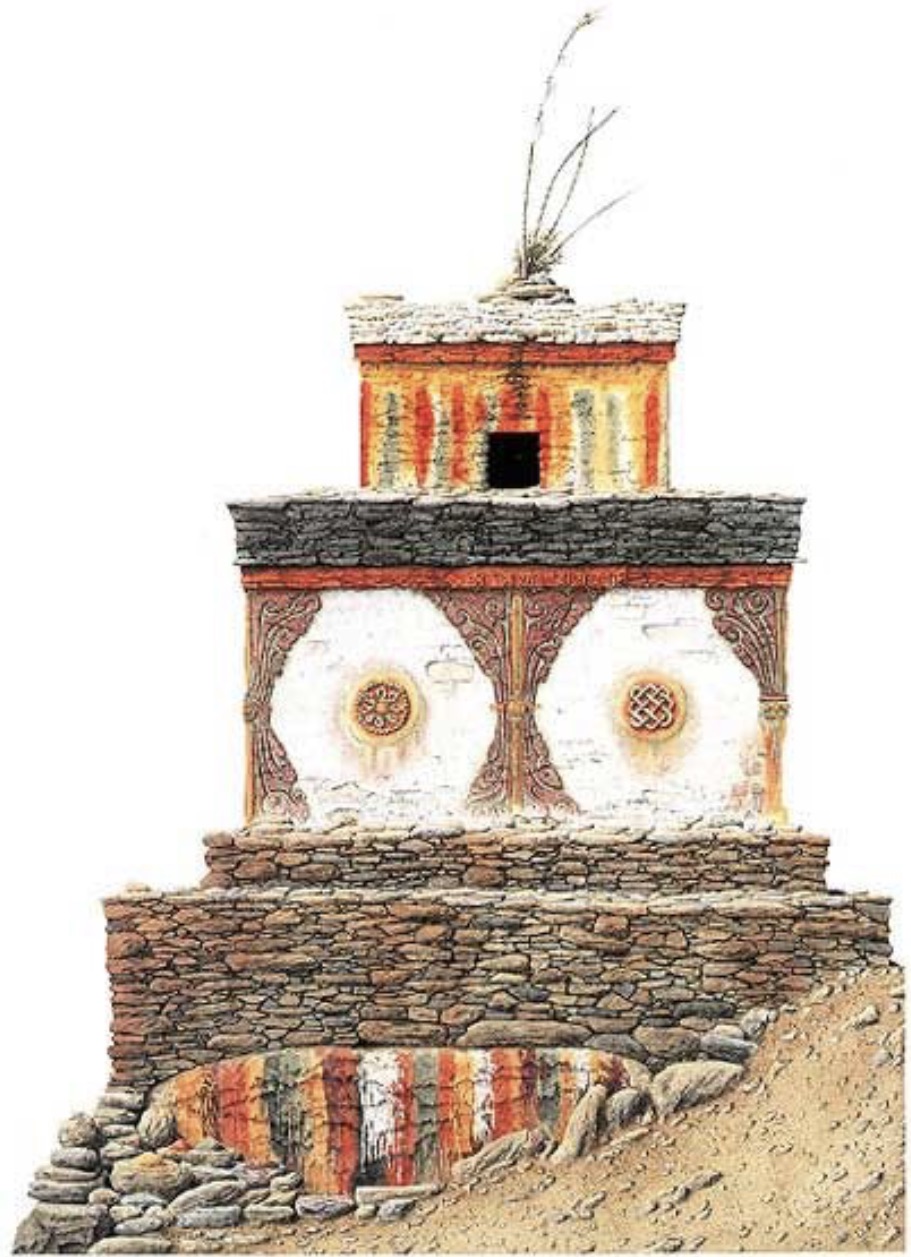
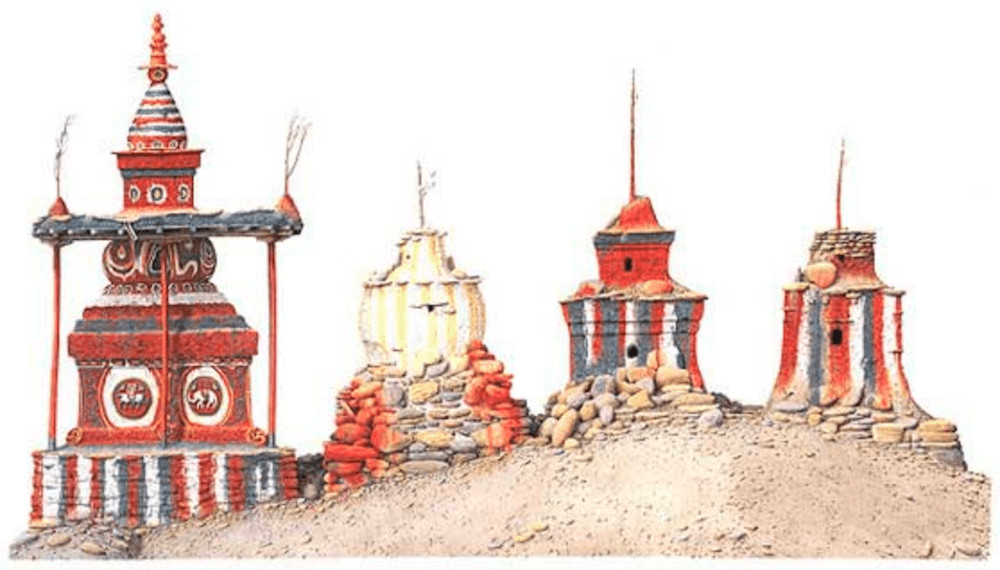
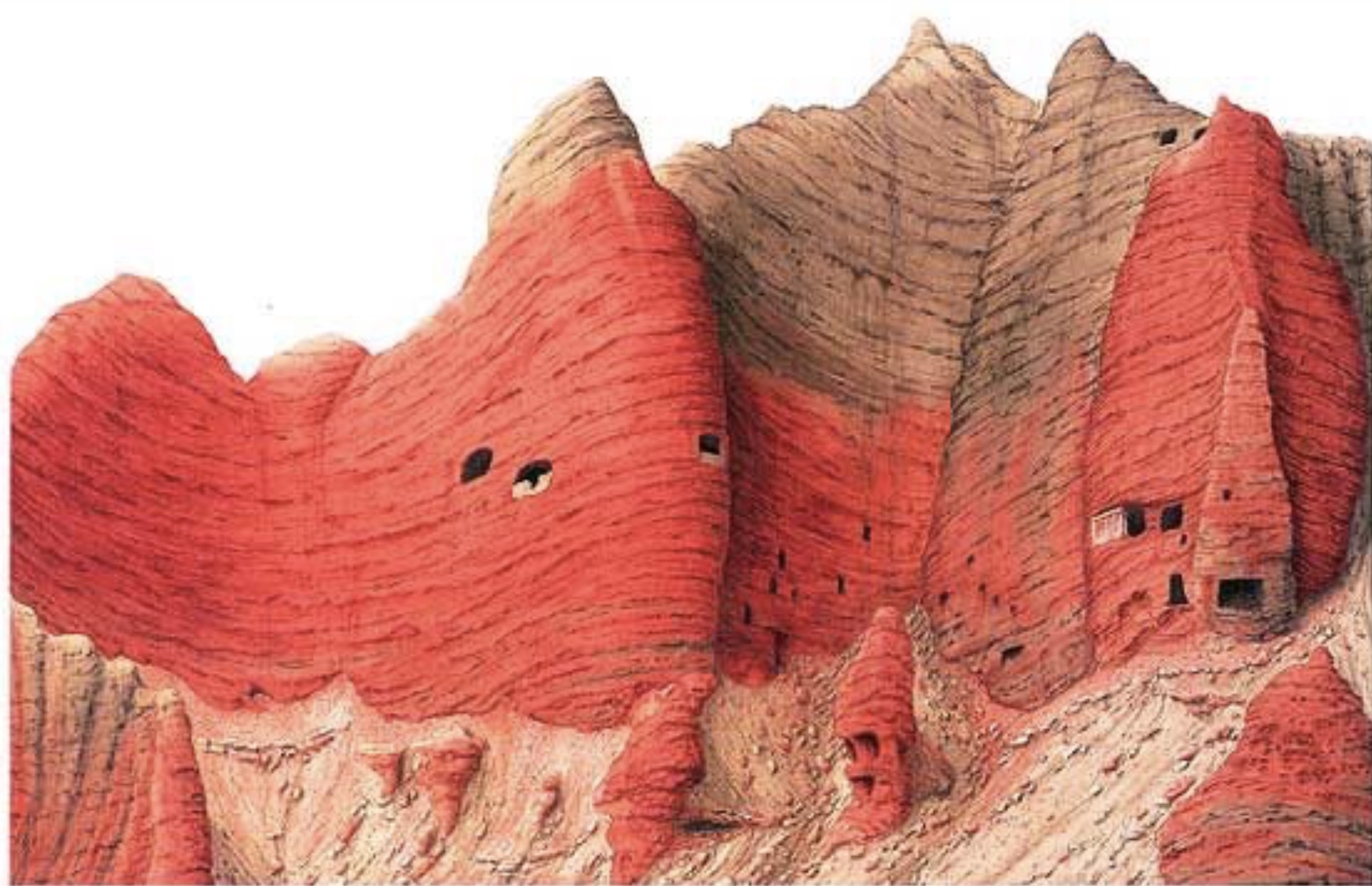
This foray immersed him in Himalayan culture which became his most famous subject matter. He first documented Ladakhi buildings painstakingly with dots, the lightest possible method of rendition, well-suited to a patient artist and perfectly suited to the high mountain light, soft palette of colours and often eroded surfaces of Ladakhi architecture.
Rob recorded architecture in Swat and Kalash Valleys of Pakistan, evolving a still detailed but faster illustration of light and shadow through cross-hatching in ink.
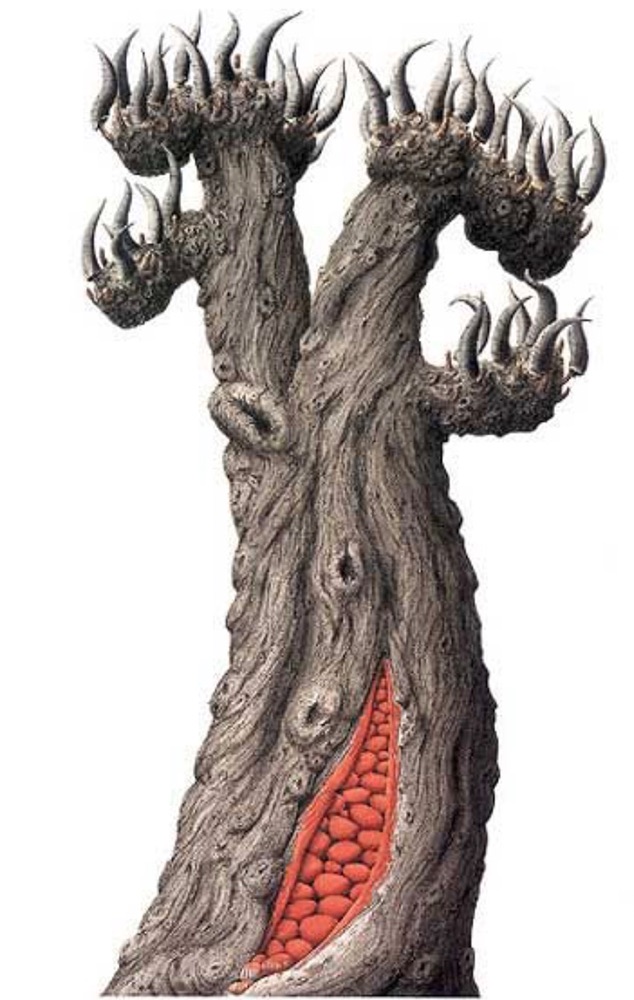
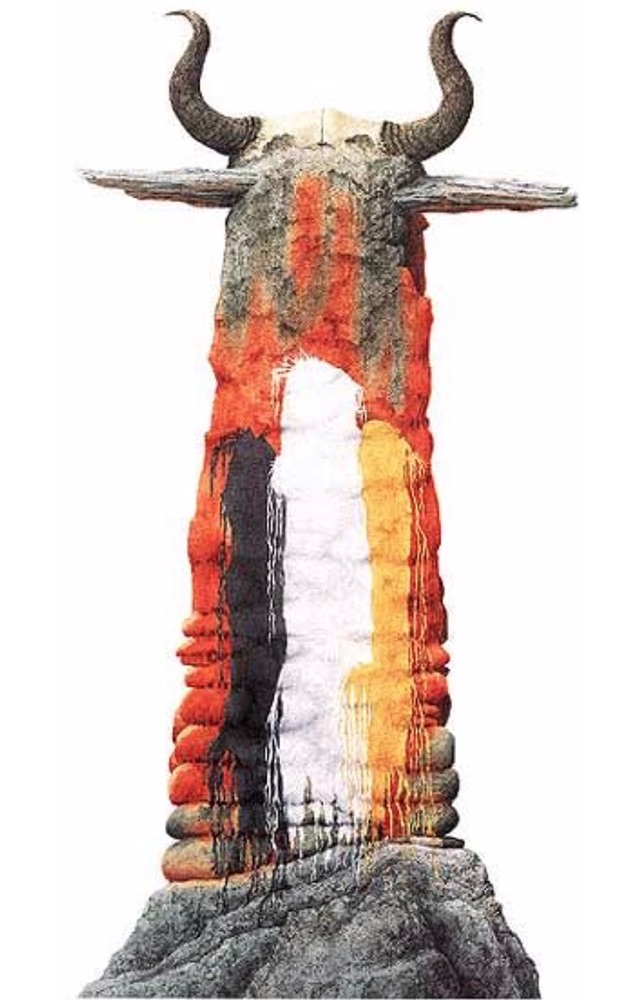
He documented the shamanistic culture of Western Nepal, portraying the initiation of a female shaman who meditated all night on a makeshift perch of perilously few small branches lashed high on a pole above her village. He drew drums, amulets and drumsticks - ritual implements that shamans used to mesmerise the world and captivate those journeying with them.
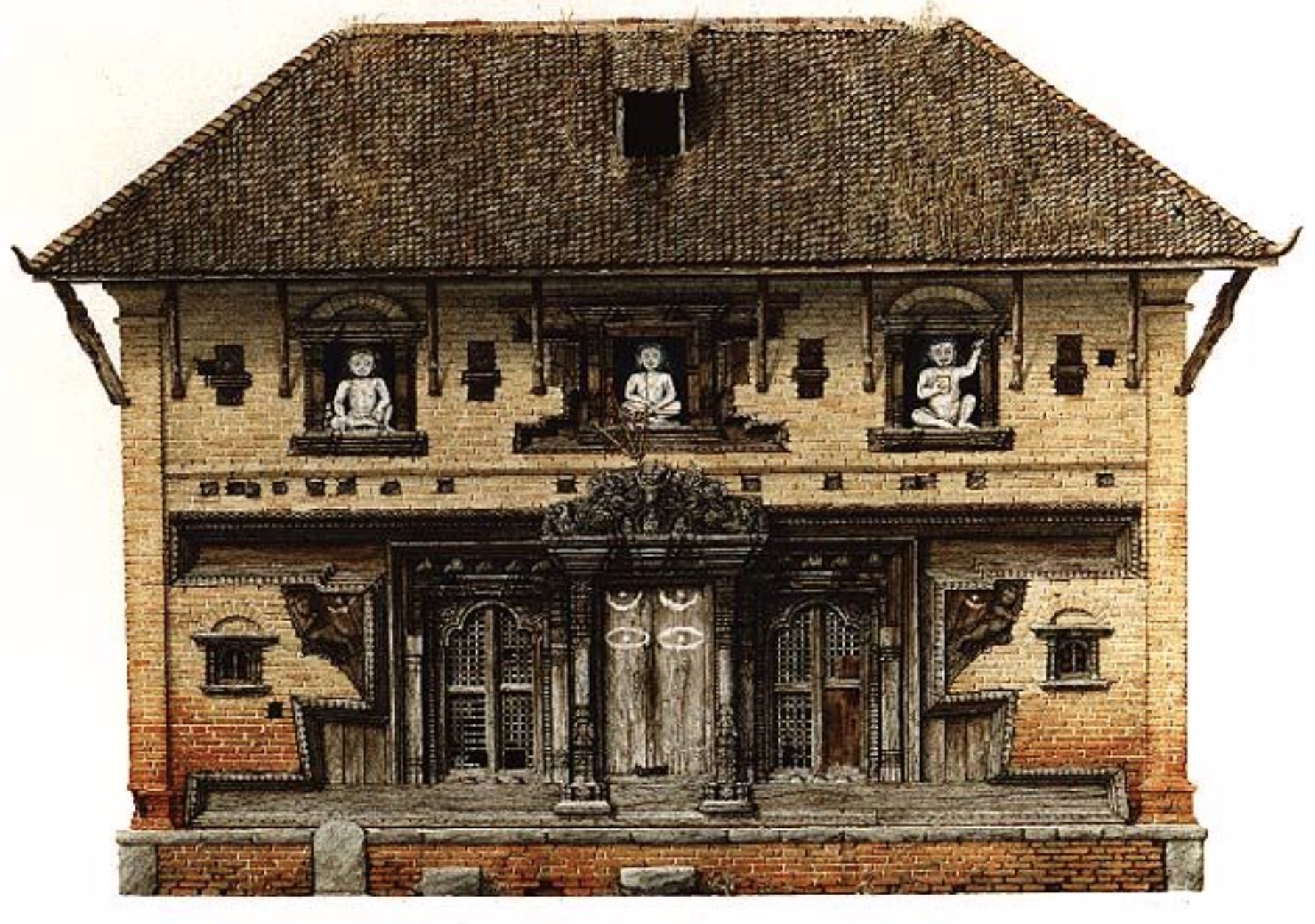
These ethnographically rich locales were sparse in material comforts, and Rob found his way to Kathmandu to more comfortably complete and develop paintings from his sketches. Here he became familiar with the Newa brick, wood and plaster architecture of the Kathmandu Valley. He recognised that temples and residences follow traditional shapes, incorporate sacred proportions, and create a feeling that resonates with community, professional, and visitor.
He turned to red pigment watercolours to depict the रातो माटो brick and tile work, and used browns, creams and greys to show how time tempers wood, plaster and stone. He was commissioned to design the Green Pastures Hospital in Pokhara, a comely complex resembling monastic quarters in layout, with the warm detailing of a traditional, welcoming inn.
Early in Rob’s three decades in Kathmandu, he encountered the German government’s largest development project in the world at the time – the restoration and conservation of the traditional city of Bhaktapur.
Fortuitously meeting its leader, the Austrian conservation architect Götz Hagenmüller and his wife Ludmilla before they departed on holiday, they commissioned Rob to produce eleven drawings of Bhaktapur, including the Kuthu Math priest’s house that they would later renovate as their exquisite residence. These drawings were exhibited at the Vajra Hotel art gallery.
The most challenging piece was a small Kuthu Math room which had been used for years for distilling छ्याङ beer. The first sketch showed it cluttered and with blackened walls. After careful cleaning, Rob painted it as the three-century old puja room it originally was — every inch of wall richly decorated with sacred Krishna-Lila murals.