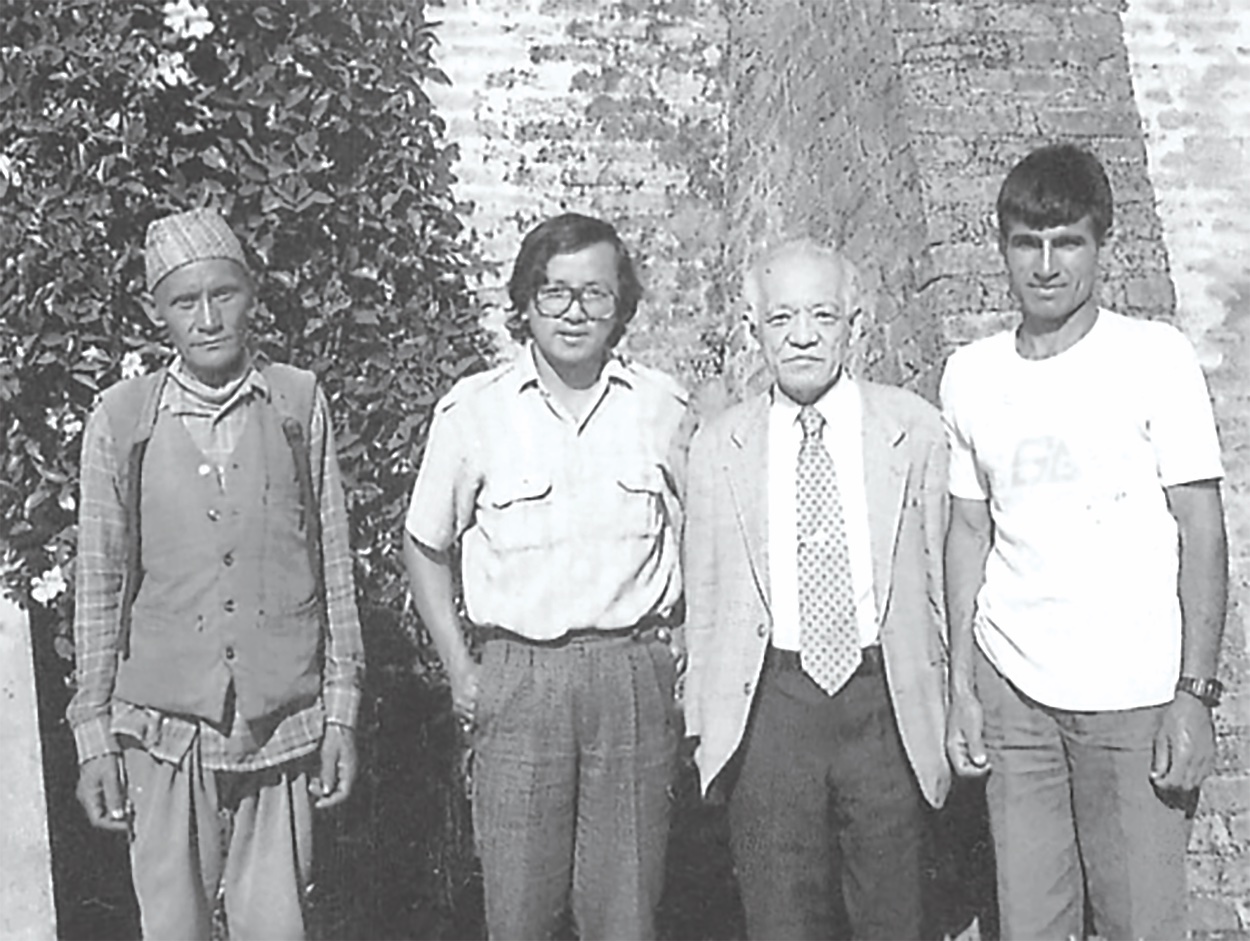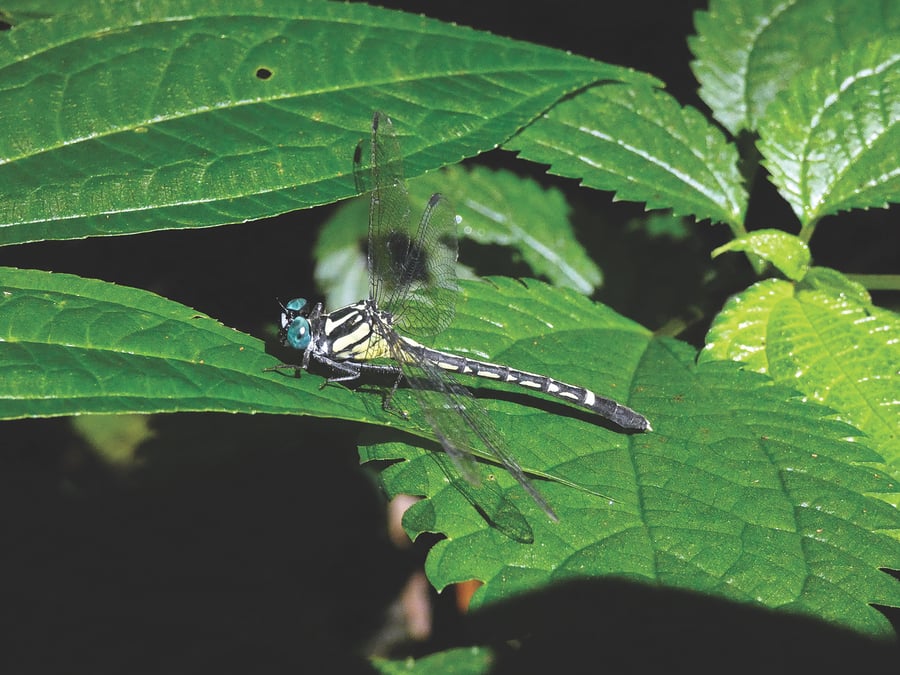
Mahendra Singh Limbu was retracing his steps up the Mewa Khola in 2018 when he and fellow lepidopterist Karen Conniff saw what looked like a new species of dragonfly sunning itself on a leaf.
It was a female, but to ensure that it was indeed a new species they also had to find a male. So, they returned a few months later to the same spot with a scenic waterfall in the middle of a forest alive with songbirds and an orchestra of crickets.
They took separate tracks along the brook, minutely inspecting leaves and pools. Limbu spotted a dragonfly and quickly took a photo, and gestured to Conniff to come over. They both examined the distinctive stripes on the dragonfly’s back: it was the same species, but more importantly, it was a male.
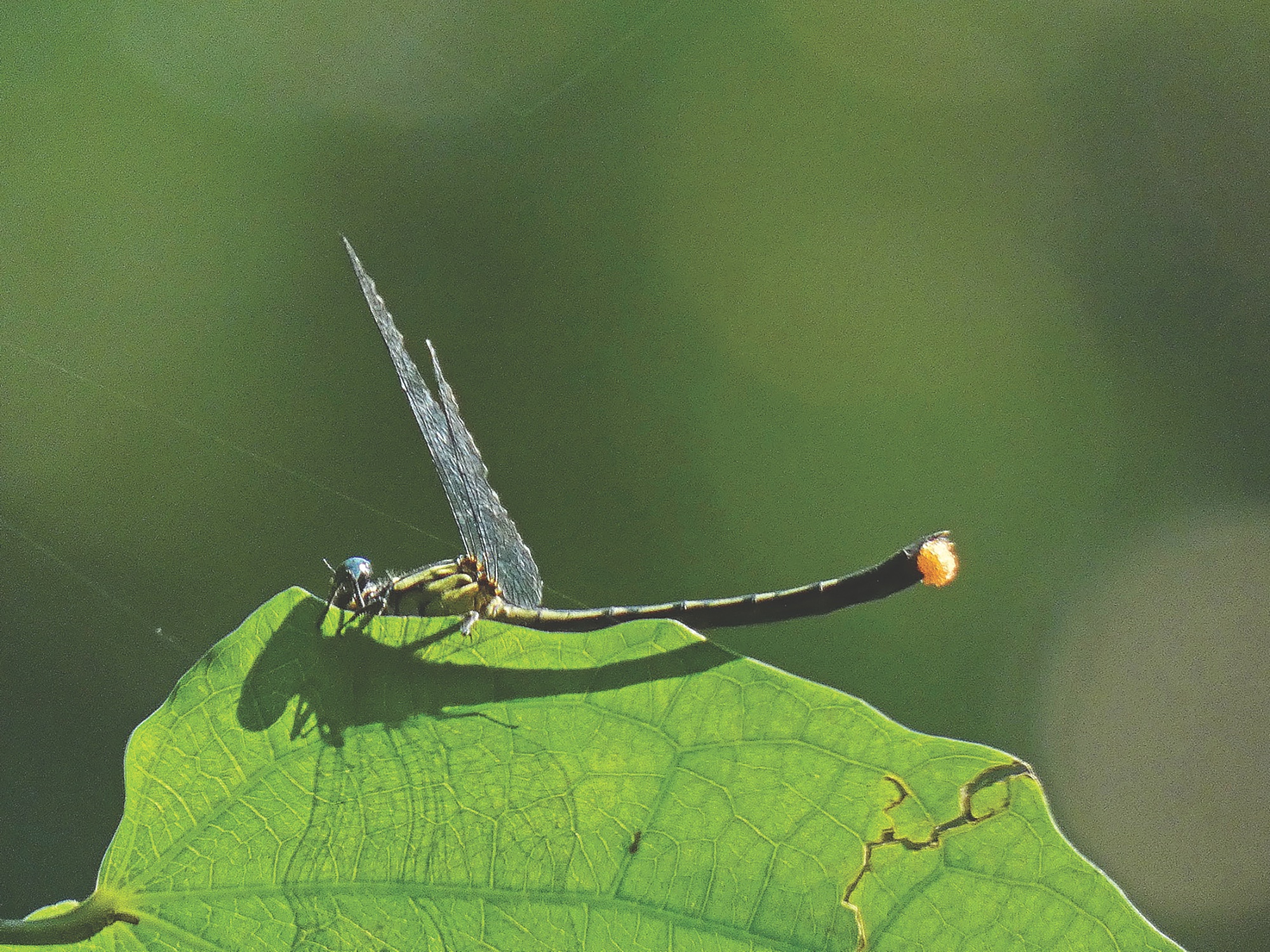
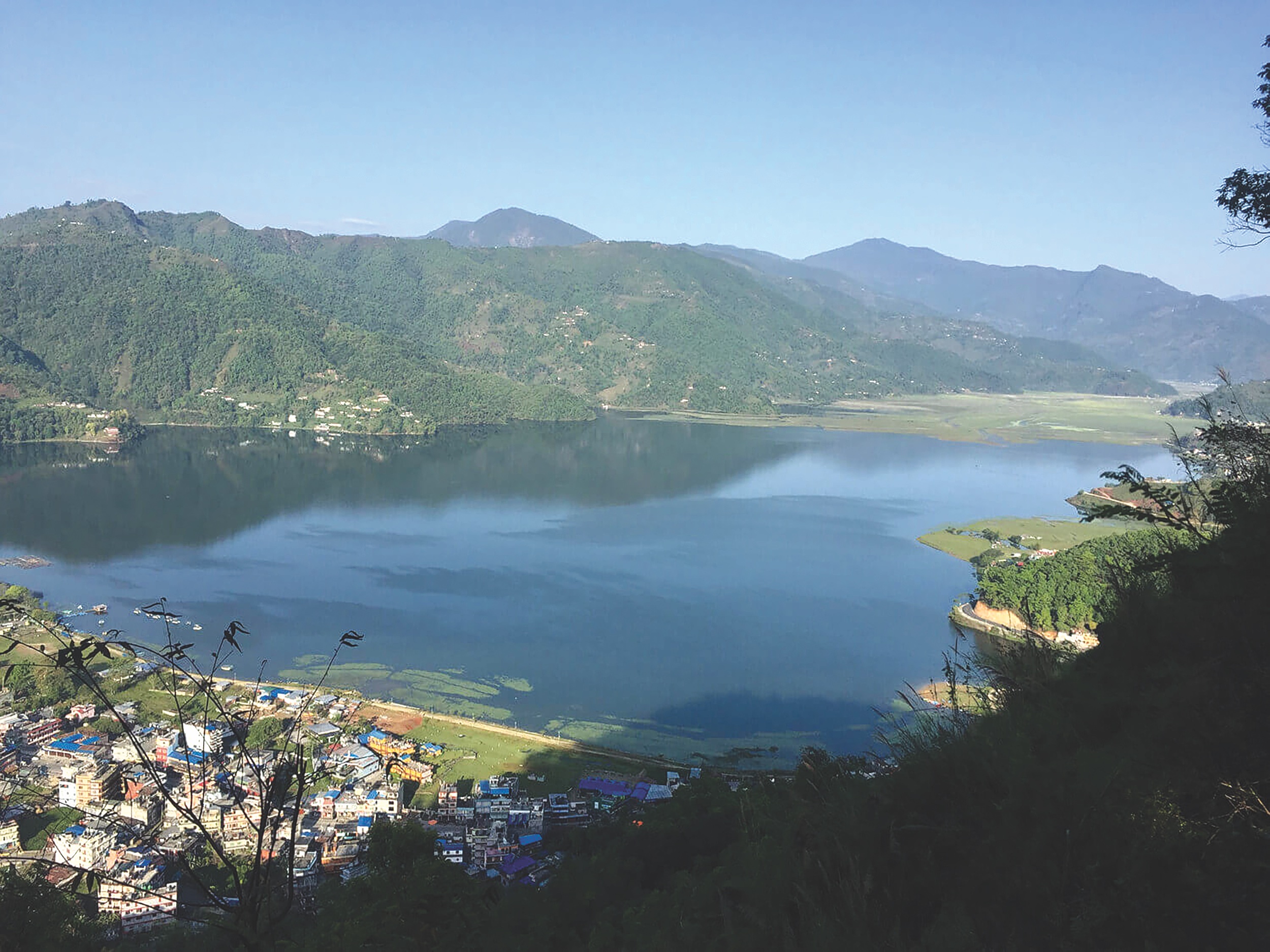
Conniff submitted her paper to the German scientific journal, Odonatologica, where after peer review it was published and the Microgomphus phewataali was officially recognised as a new dragonfly species endemic to Nepal. Its scientific Latin name is derived from Pokhara’s famous lake near where the dragonfly with the distinctive green and black patterns on its back was found.
There are more than 5,000 species of dragonflies and damselflies, of which 140 have been recorded in Nepal -- some of them found nowhere else in the world. Like Microgomphus phewataali there could be many more dragonflies in Nepal which have not even been classified yet.
Conniff has now returned to the United States, and Limbu continues to research butterflies, moths and dragonflies in Shivapuri, Pulchoki and other forests around Kathmandu Valley. He often comes to Pokhara to exchange notes with another butterfly expert, Colin Smith who has made Nepal his home and is known by his friendly nickname Putali Baje.
In his last trip to Pokhara, Limbu returned to Mewa Khola to see how the dragonfly habitat was surviving against the city’s rapid urbanisation. What he found was worrisome.
“It was much dirtier than five years ago,” Limbu said. “There was no water tumbling over boulders. The waterfall in the middle of the jungle had gone dry.”
The slope was a tangle of pipes extracting water from further upstream to supply houses and lodges below, and Mewa Khola was dead.
He made a desperate and futile search, but not only could he not spot the Microgomphus phewataali, but there were very few other butterflies and dragonflies in the undergrowth.
In an interview with Nepali Times in 2018, Karen Conniff had already predicted: “The habitat of the dragonfly faces extreme stress from water overdraft for Pokhara’s rapidly growing tourism centre. The habitat could vanish in a few years if people do not stop drawing water from there.”
For Limbu, the elation over the discovery of their new species is now overshadowed by a sense of dread about what lies ahead for Nepal’s endangered, and yet undiscovered, butterflies and dragonflies.
Much of the dragonfly’s life cycle is spent underwater as larvae after hatching from eggs that are laid in clear still water near streams. Some larvae live for up to seven years underwater before maturing into winged adults. They live only a few weeks during which time they fly around to mate and procreate.