As with every new year, 2025 also brings new fashion trends. Ever-changing styles prompt people to follow a handful of global brands.
The fashion industry is designed for quick turnover, and the planned obsolescence of what is currently ‘in’. Even with greater public consciousness about the environment, the industry has seldom responded with more sustainable choices of fabric, better treatment of its labour force, or efforts to reduce waste.
The global fashion industry accounted for 10% of all carbon emissions in 2019, and it is the second-largest consumer of water, according to UNEP. Which is why there is now a move towards ‘sustainable fashion’ so consumers can make choices that benefit both the planet and the people making the products.
“Sustainable fashion is a lifestyle choice,” explains Meena Gurung, founder of Bora Studio, which uses natural fabrics and dyes in its clothes. “It’s about how we live and what we choose to wear, being humble, being content with what we already have, and finding happiness in simplicity.”

But Gurung is not too fond of the term ‘sustainable fashion’ because she feels that the concept has been commodified, turning it into a marketing buzzword to greenwash products that are actually about greenbacks.
She adds: “True sustainability requires conscientious decisions made by both seller and buyer.”
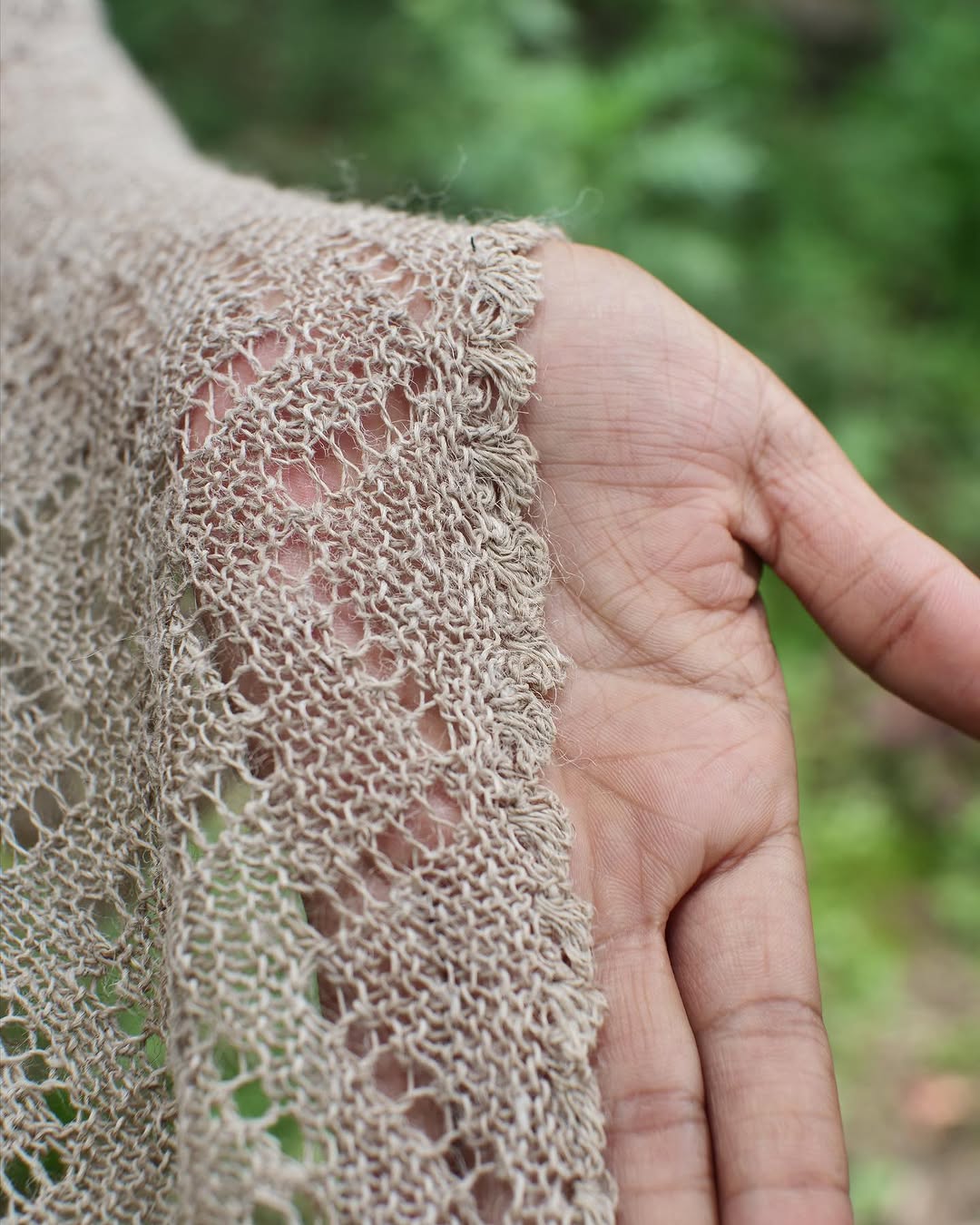
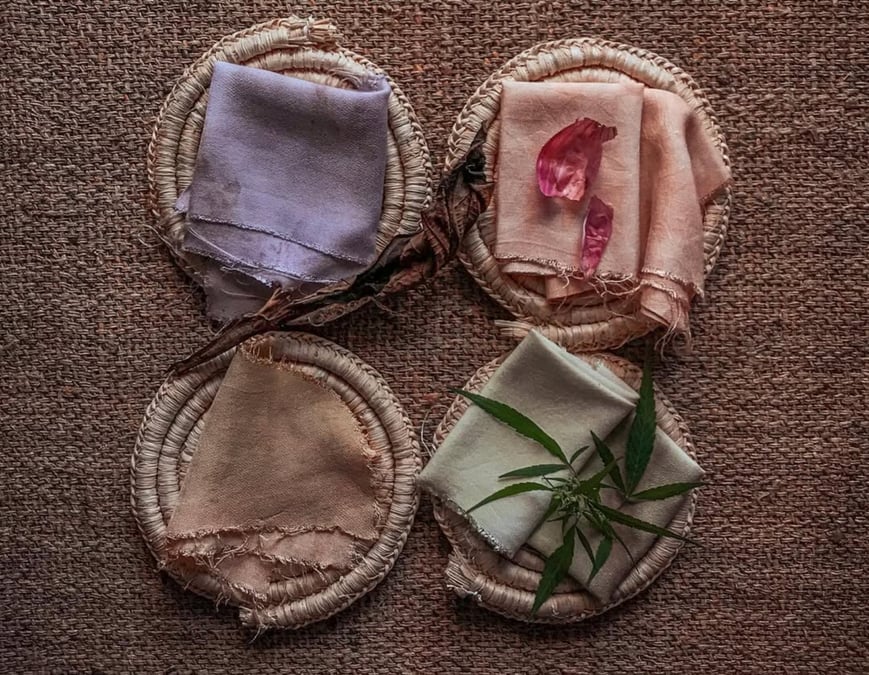
Since 2017 at Bora Studio, Gurung has been exploring natural, locally sourced fabrics like hemp, bamboo, nettle and raw silk, along with plant-dyeing and botanical printing. These fabrics provide eco-friendly alternatives to conventional textiles and require less resources like water and chemicals.
Read also: Alternative lifestyle, alternative art, Alisha Sijapati
The other fabric from Nepal that is finding buyers worldwide is सिस्नु nettle, which can be a game-changer, as it grows in abundance even in wild, dry areas and regenerates quickly. Hemp also grows wild, and has proven to be a popular raw material for clothing and bags. Bamboo grows in abundance all over the mid-mountains, and among its multiple uses, its pulp can also be turned into an organic fabric.