

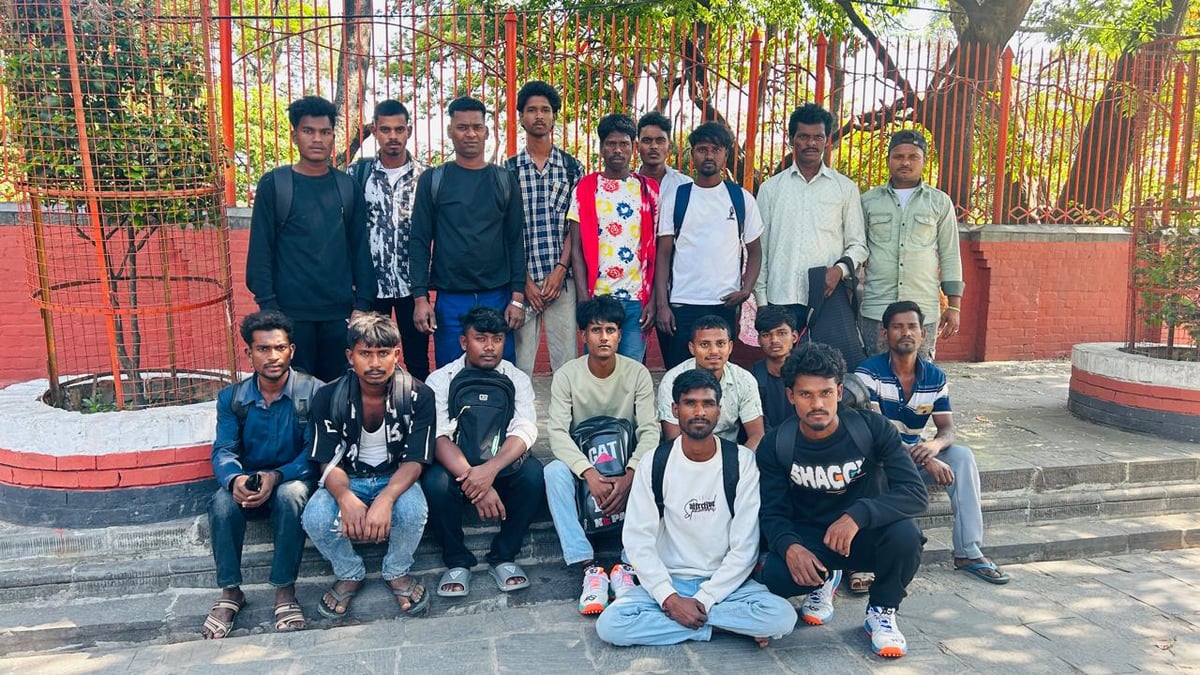
Research has pointed to the importance of networks in facilitating migration. That is what took us to Nepal’s marginalised communities with ethical recruitment drives to make good migration inclusive while helping create networks so migrants can benefit from overseas opportunities.
For example, youth from the Musahar community in Mahottari who could benefit from ethical recruitment were identified in ‘
. By the time another recruitment drive took place a couple of years later, the Musahar youth took things into their own hands.Two of the candidates now in Malaysia, Lalit and Abhinash, created a WhatsApp group and guided their friends throughout the process. Of the 20 Musahar youth who applied, 11 passed. This means they can migrate without paying anything, while traditional recruiters can charge over $3,000 for similar jobs.
The applicants figured out the logistics and interviews on their own under Abhinash and Lalit's guidance, unlike the first time when we had to guide them closely at every step.
Abhinash went to Malaysia two years back and has not just saved money, he is now a mentor to aspirants from his community on the right way to migrate and how to avoid fraudulent agents.
While building such networks is important to level the playing field, social networks especially TikTok are also important in ensuring information reaches everyone and not just the privileged few.
Abhinash's experiences will be useful for aspirants across Nepal if
is used correctly to convey practical messages around ethical recruitment practices and the need to avoid fraudulent agents.In an
before he first left Nepal, he told us that people in his village do not believe him when he says that migrating without paying fees is possible. Now he is living proof that it is possible, and helping others follow his example.With networks and credible information, perceptions
with exposure to real-life examples of ethically recruited workers, including those in their networks from their communities, or via online testimonies.The nine Musahar applicants who failed will also hopefully be more careful when they choose their next opportunity. Good information and networks give workers more agency to navigate the recruitment process and avoid falling prey to fraudulent hands and misleading promises.
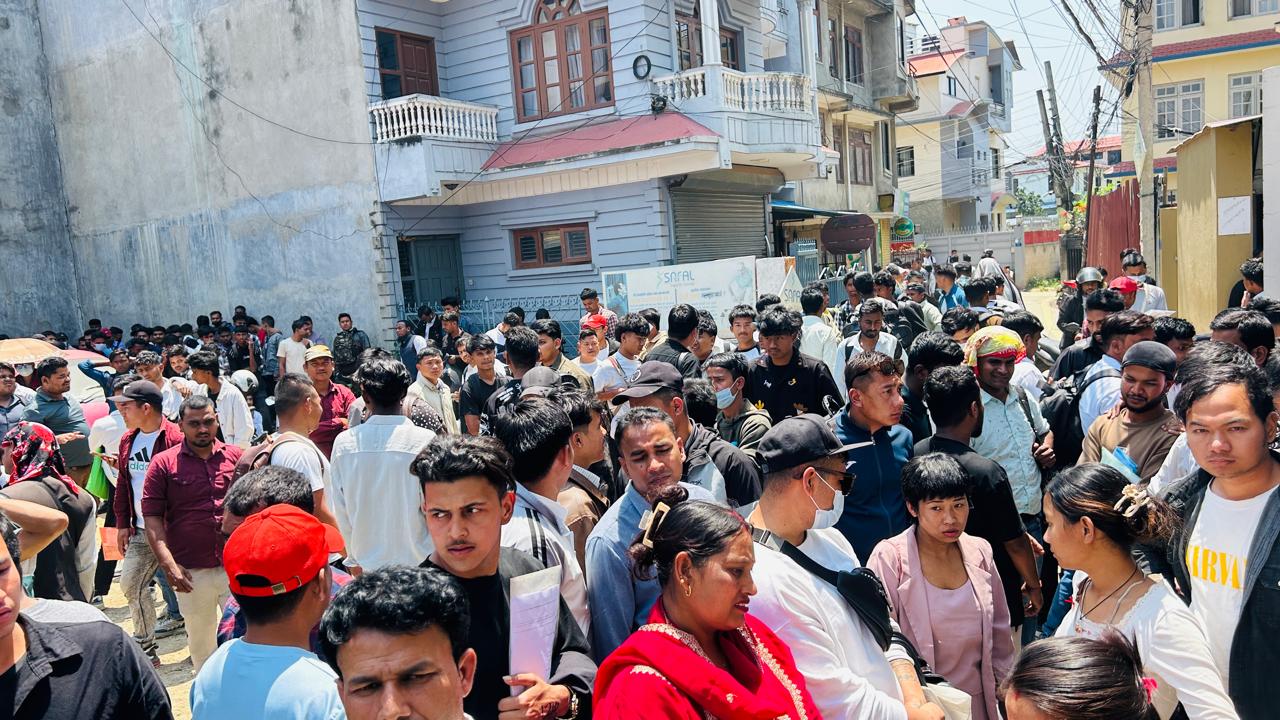
We have interviewed dozens of aspiring migrants who are repeat applicants that had previously applied for ethical job opportunities and were not successful. They did not jump to a paid drive that would have been easier to access which they were treating as ‘the last resort’ if all other attempts fail.
With collective effort from recruiters, employers and workers, a lot can be done to promote ethical practices and crowd out exploitative actors.
The downside, of course, is that social media has also empowered fraudulent recruiters who deceive applicants and use fake job advertisements.
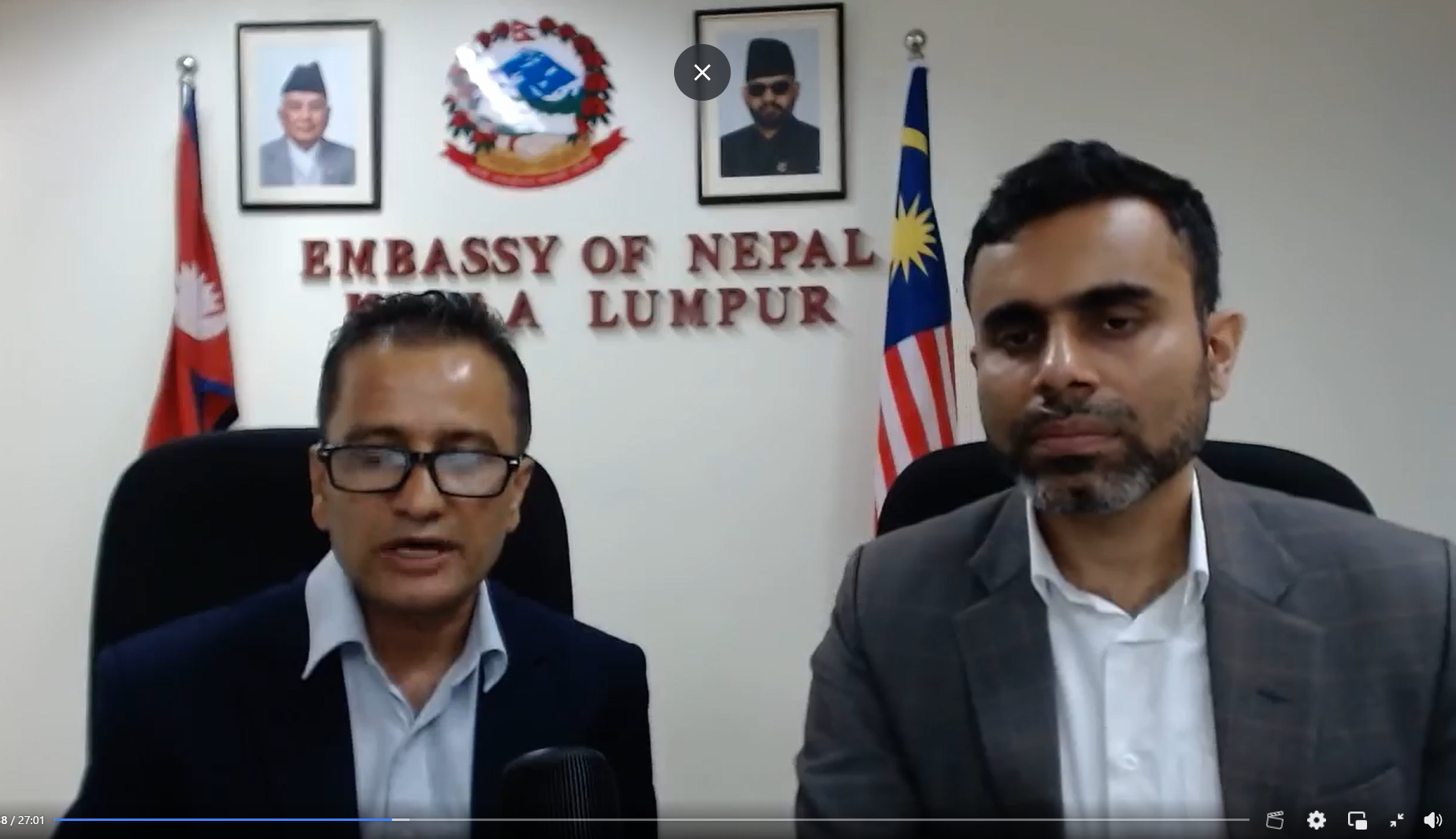
Social networks can also strengthen the government's service delivery. Marking International Workers' Day on Friday, labour attachés and counsellors in Nepal’s missions overseas are using social media to connect with migrant workers via live programs.
This practice, which is expected to be weekly, has been ongoing in Malaysia for the last six years since Covid, while a few other embassies also do it on a need basis.
As simple as the initiative sounds, it is low-hanging fruit like this that makes a difference to migrant workers in their day-to-day lives and makes the government's presence felt in the countries where they work.
The sheer number of migrants means that phones at embassies will not get picked up, especially during times of crisis when there is demand for credible information. Workarounds are needed, and social media live programs provide one such solution to cast the net widely to reach diaspora spread across the country in hundreds of thousands.
Under Secretary at Ministry of Foreign Affairs Pratik Karki, who had held such live programs in Malaysia, said: "This is a very helpful format as many people have language issues understanding formal announcements, and the program allows migrants to directly connect to individuals."
Migrant workers face similar issues, and social media live sessions and their recordings help answer them collectively. Migrants may have queries about processes like passport or labour permit renewals, existing laws, or new government initiatives. Two-way conversations are allowed in these sessions, and migrants can interact among themselves, creating a sense of community.
The Nepal Embassy in Malaysia had been running a dedicated radio program targeting Nepali workers. When the budget ran out, the embassy switched to social media live sessions, a cheaper and more effective alternative. Migrants can ask questions directly, receive immediate responses, and engage with officials in a way that felt personal rather than broadcast.
Awareness raising via social media also complements the one time mandatory pre-departure classes in Nepal before a migrant leaves the country, which are important for sharing information about laws, policies, and available resources.
But there may be limitations in how much a worker already emotional about leaving family behind and excited about their new journey can absorb when a large amount of information is presented at once. While pre-departure classes are important, information also needs to be continuously fed to workers so they remain updated, aware, and connected and social media is powerful that way.
Karki says live programs are not the silver bullet, but an important information-sharing tool that need not be limited to migrants overseas but could also serve as a way for the government to remain connected with its citizens here in Nepal as well.
There are challenges: the person conducting the live sessions might miss questions in the chat, receive negative comments or personal attacks, or sometimes say something inadvertently that they cannot take back.
Says Karki: "I personally enjoyed conducting the live sessions, but it may not be everyone's cup of tea, especially for introverts."
Upasana Khadka heads Migration Lab, a social enterprise aimed at making migration outcomes better for workers and their families. Labour Mobility is a regular column in Nepali Times.