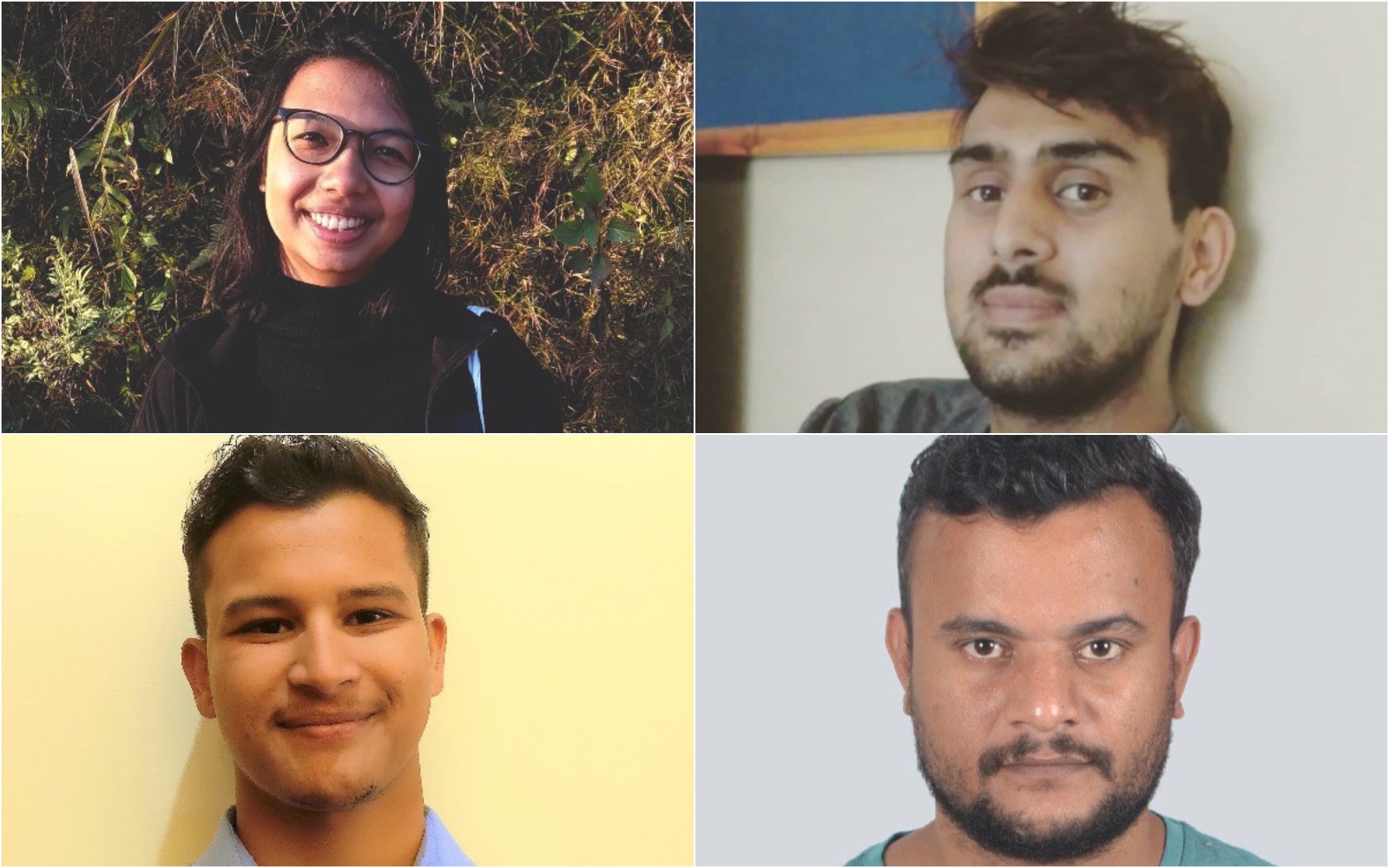
When she heard in March that she was accepted for a master’s degree in urban management in The Netherlands, Surena Shrestha was ecstatic. Then Covid-19 happened.
Her classes at Erasmus University are scheduled to start in September, there are uncertainties about visa and flights. But the biggest barrier for her and thousands of other Nepali students is the bureaucratic barrier of obtaining a No Objection Certificate (NOC) from the Ministry of Education.

"Without the NOC I cannot get the bank to transfer my fees, apply for a visa and buy an air ticket. Which means that my acceptance into the university could lapse,” says Shrestha.
The Ministry of Education requires every student going abroad for studies to obtain an NOC – a document that gives the government an inordinate amount of power to monitor and regulate overseas studies for Nepalis. Using Covid-19 as an excuse it stopped issuing NOCs since March.
Migration certificate, Prakriti Kandel
Last year alone, the ministry issued 63,000 NOCs to students, and nearly as many students this year have been deprived of that essential piece of document that they need before they can arrange for travel and admission.
Frustrated by the delays, many students have deferred their admissions and are taking a gap year. Some students have chosen to get their fees paid by friends and relatives abroad.
Ankit Dahal was accepted by the University of West London for a master's program in Cyber Security. Classes started in July, and Dahal is attending them online but adds: "I am paying a lot of money for the experience of studying abroad. If I wanted to get that degree here, I would get it for a fraction of the amount."


For other students, even online classes are not a viable option. "I am an engineering student and need to be in a lab, so getting started on online classes here does not work for me," says Biraj Khanal, who is supposed to be studying at TU Kaiserslautern in Germany for a master's in commercial vehicle technology.
Online classes may widen digital divide, Madhu Sudan Dahal
Some universities have agreed to defer admissions until the next semester. However, this does not always guarantee a seat, which leaves students like Surena Shrestha worried.
She says: "Many of us are in competitive fields and are applying to highly sought after universities. I may not be able to attend if the admission is deferred."