Nepal went through a protracted internal armed conflict from 1996-2006 after the Communist Party of Nepal (Maoist) launched a rebellion to liberate the country from feudalism and monarchy.
However, serious human rights violations and abuses were committed by both sides: the state security forces as well as the guerrillas. Over 17,000 people were killed on both sides, and more than 1,300 people are still listed as missing. The families do not know whether they are dead or alive, or who was responsible for their disappearance.
The Comprehensive Peace Agreement (CPA) put an end to the conflict on 21 November 2006, with both sides agreeing to hold perpetrators accountable, and provide truth and justice to victims, including a commitment to investigate the whereabouts of those who were disappeared.
However, 14 years after the ceasefire, these promises remain unfulfilled. This photographic project focuses on the families of the victims of the conflict to mark the International Day of the Disappeared on 30 August.
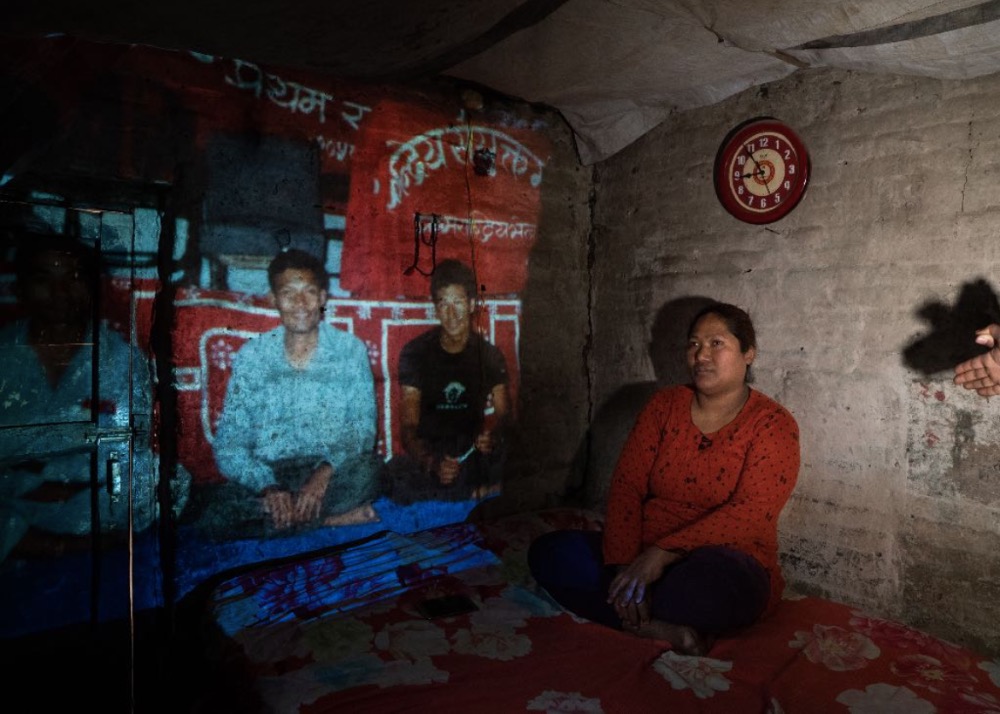
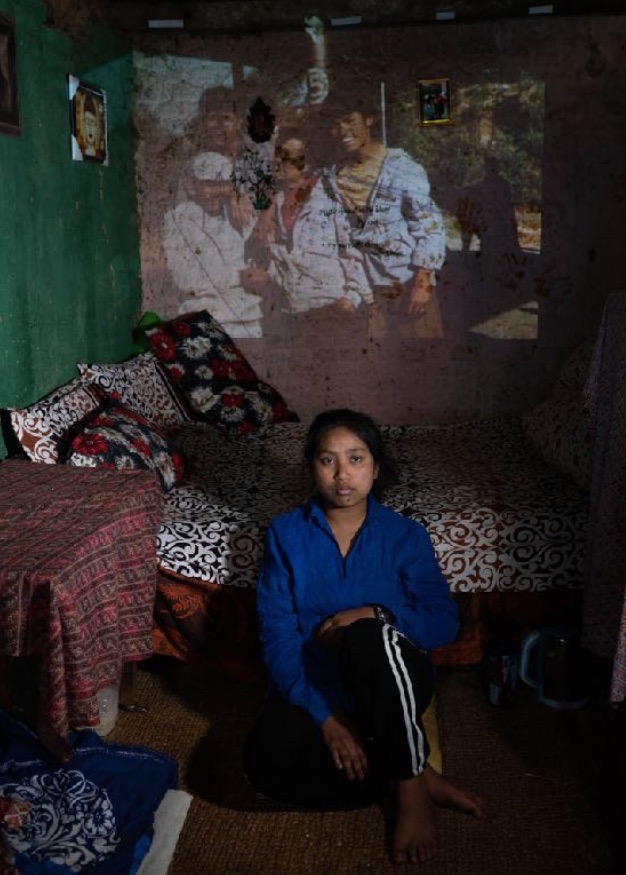
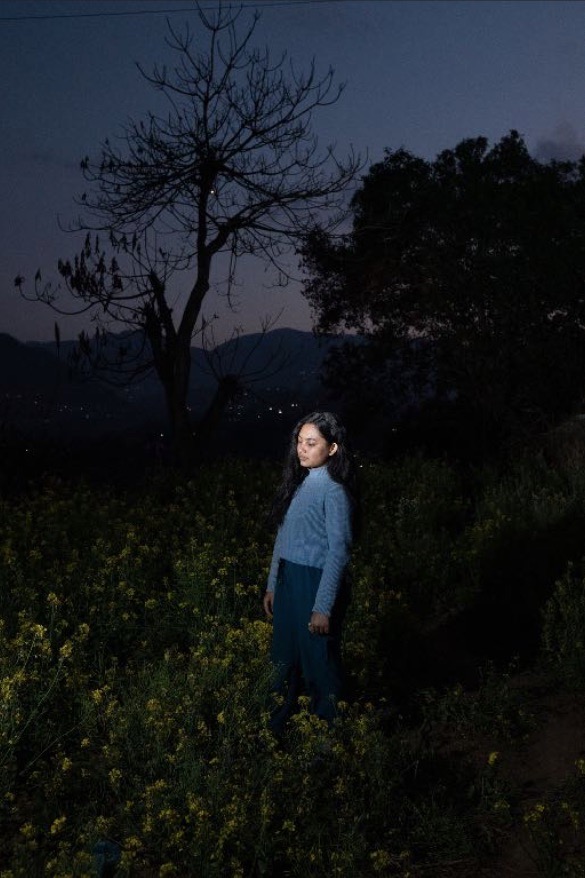
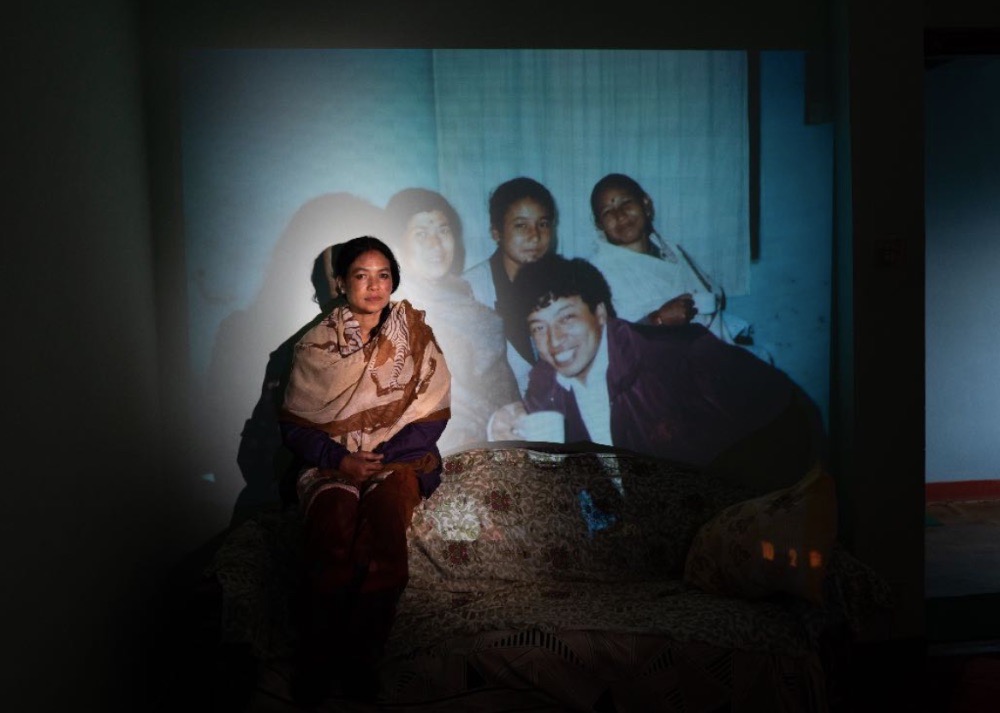
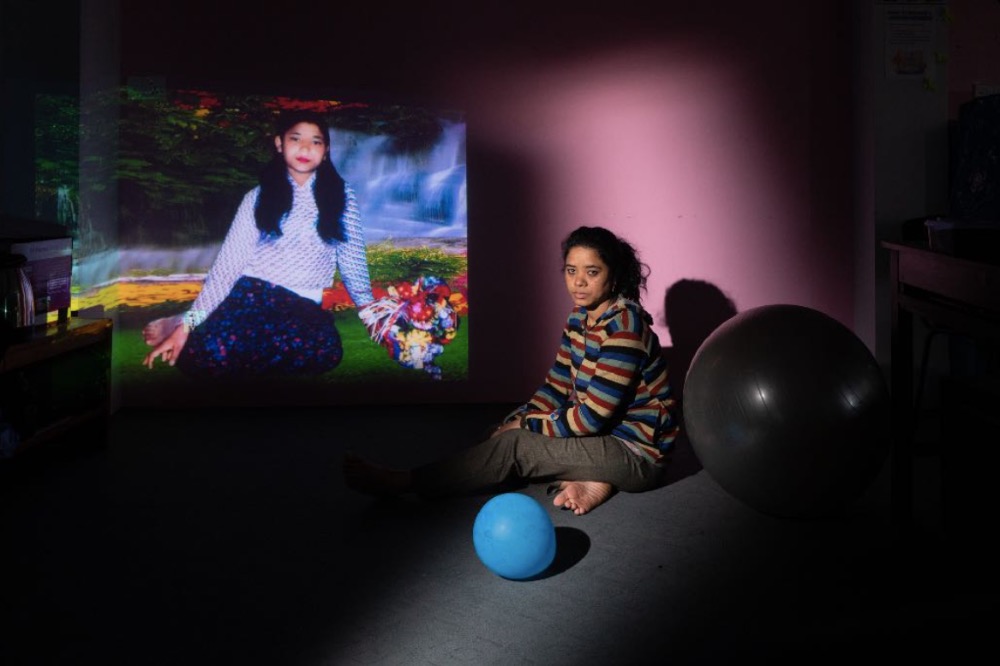
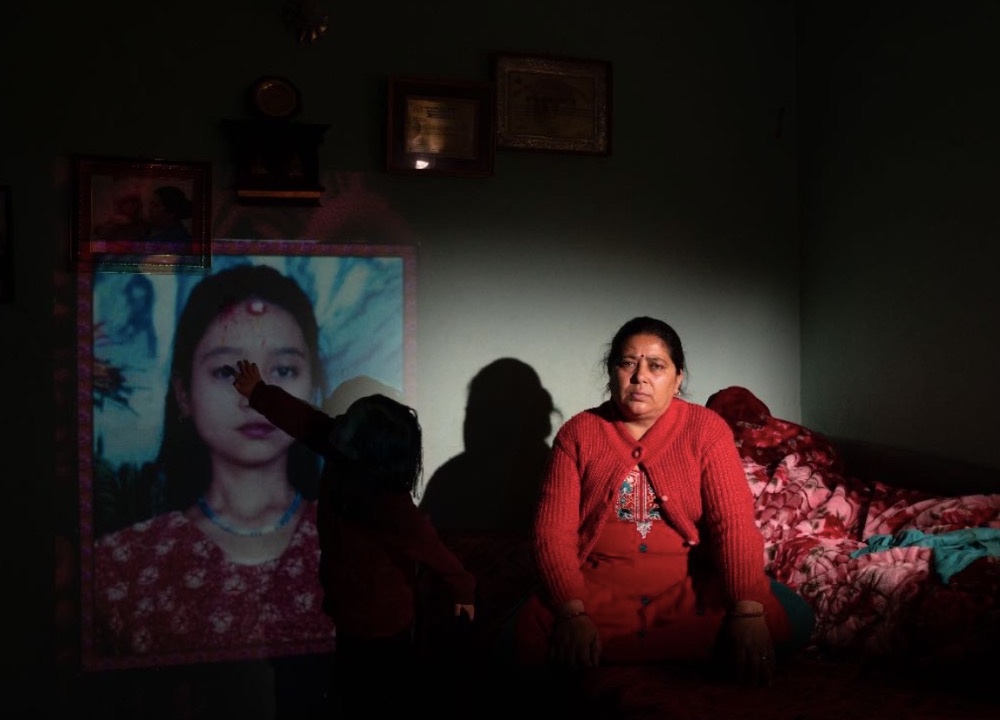
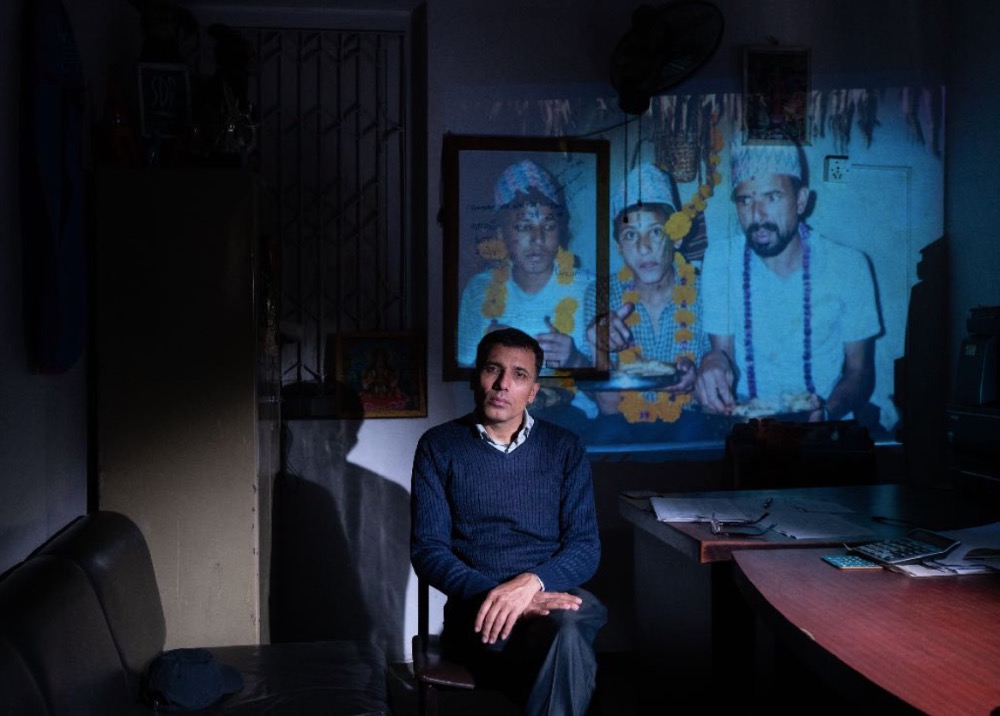
My image making process involves a ‘family reunion’ in which people who lost family members are alongside projections of old family photographs which include missing family members. The passage of time, of existing and not existing, is layered within a single image.
---
Rekha Bastola
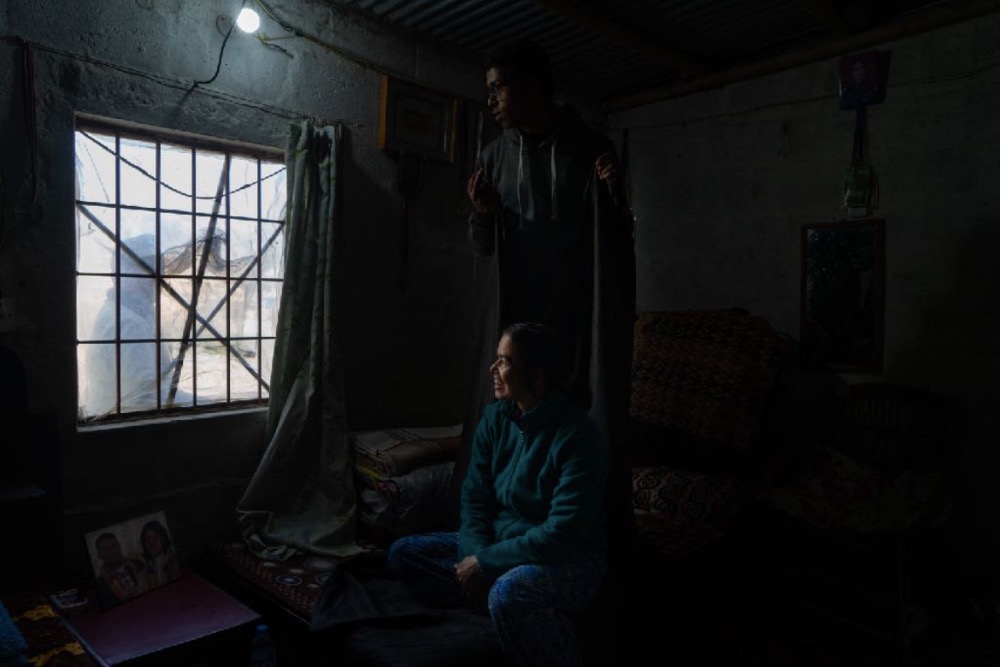
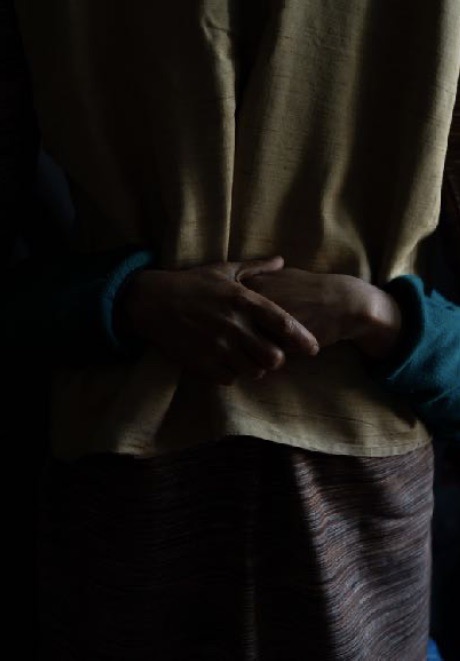
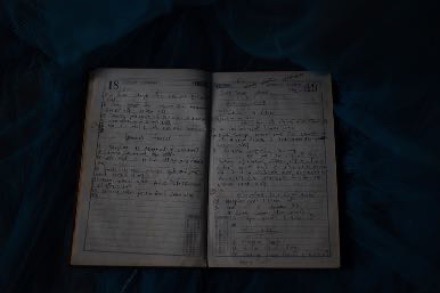
Rekha looks out her window while I was trying to capture her portrait, her nephew holds a backdrop from behind. This is the only picture of her husband that Rekha has. As Maoist commanders wanted by the government, their wedding was held secretly with only a few comrades attending. Four months after the wedding, her husband was arrested by security and never came back.
Rekha brought up her husband’s nephews and niece. She remains single, believing that her husband will eventually come home some day.
Nijala
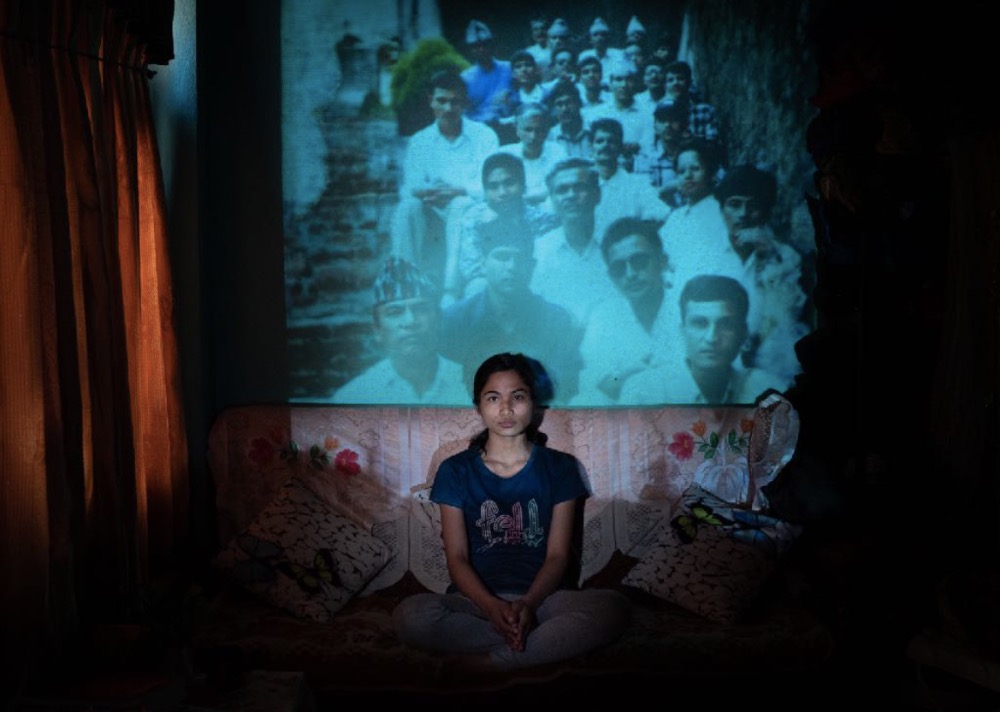
Nijala sits in front a picture of her father, taken during a festival. Her father was captured twice by the security forces, and later disappeared for being a Maoist. She was just one year old. Her mother Rubi, thinking she would be next, went underground. After the 2006 peace deal, Rubi married again and gave birth to a boy.
Bimala Dhakal
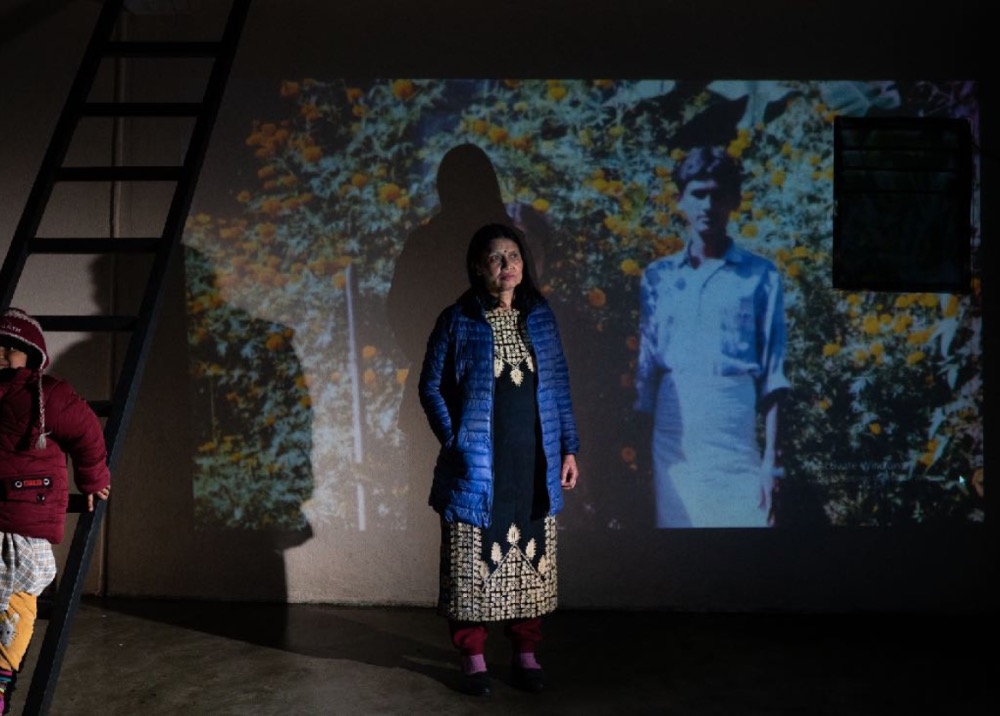
Bimala Dhakal poses for a portrait alongside the projected photo of her husband Rajendra Prasad Dhakal who was a human rights activist in Gorkha, and was disappeared in 1999 during a trip to Tanahu. She looked for her husband everywhere, and was herself arrested and tortured by the army. She never found him. Bimala rarely talks about her husband in front of her children, only when something reminds her of him.
Bibek Dhakal
Bibek poses for a portrait alongside a photo of his father Rajendra Prasad Dhakal projected to the wall behind him. He was only nine months old when his father was disappeared in 1999. "Sometimes, when I smile or sing out loud, my mother tells me that I look just like my father," Bibek says.
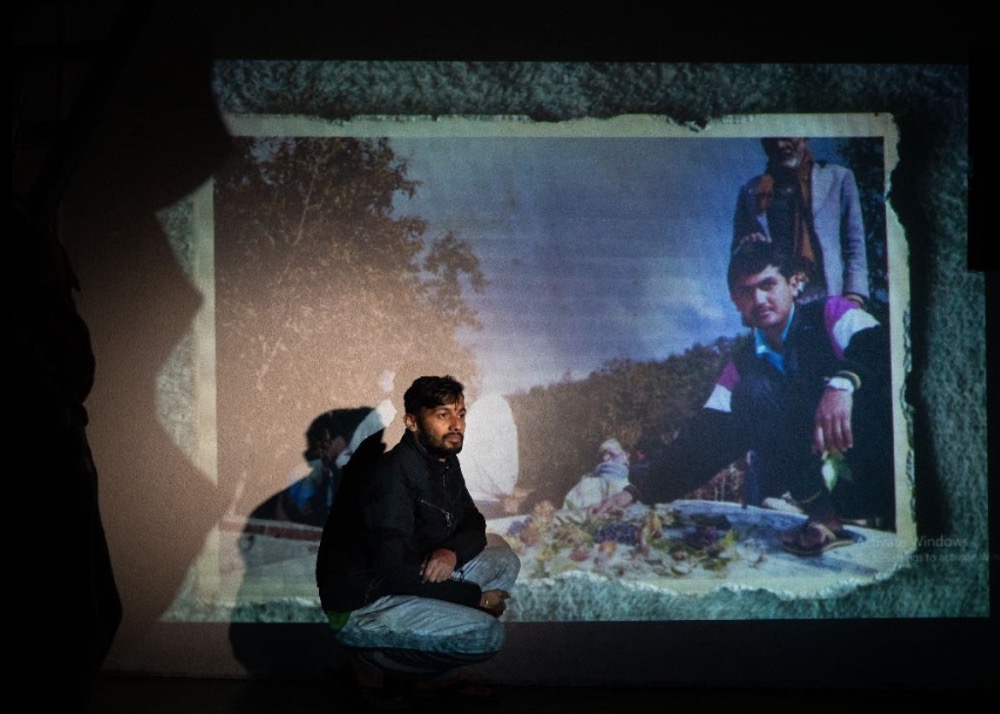
Maina Karki
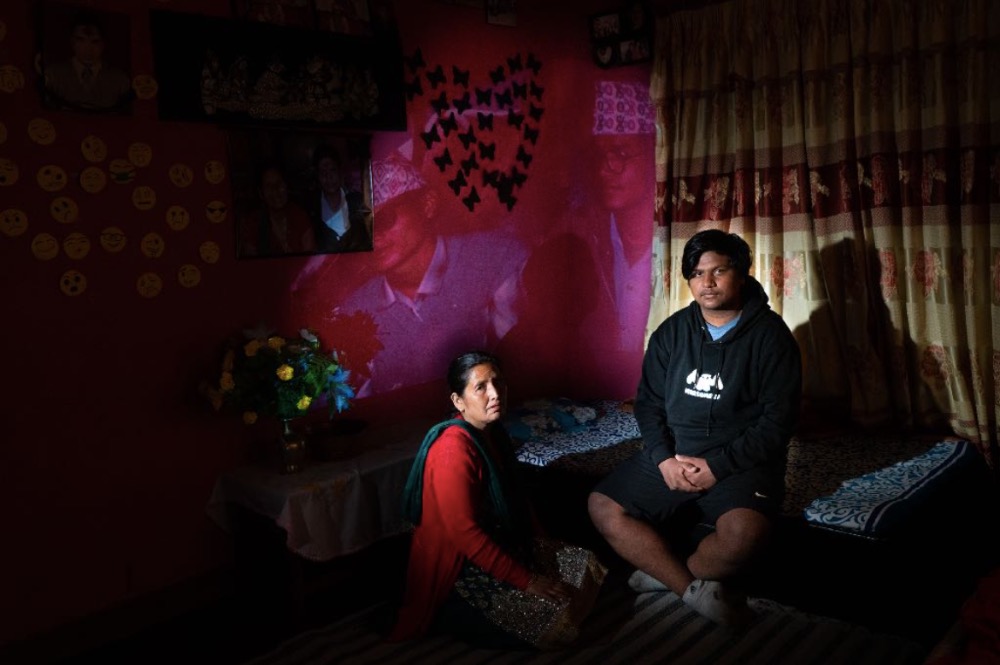
Maina Karki and her son sit in front a picture of her late husband, who was a sociology teacher in a government school. He was detained twice by Maoist guerrillas for refusing to give them a donation, and killed the second time. The police report said he has been shot four times.