The Euro 2020 matches are live on television, and many are watching the replays the next morning. But what is really going viral in Nepal these days is a short program of grandmothers playing a football match in the mountains of Lamjung district.
Two teams made up of members of the local Mother’s Group of Siurung village face each other on a school football ground. The clip of the match is on social media accounts of the web series Herne Katha, and is accompanied by a running commentary, complete with slow motion replay of a free kick that is saved by goal-keeper Yoju Gurung.
“We saw the grandchildren playing, and I thought why shouldn’t I also have a go at it before I die,” says 67-year-old Gurung.
आजको फुटबल खेल पनि सुरु हुनै लागेको छ । आमा समूह दुई वटा टिममा बाँडिएका छन् । रेफ्रीले खेल सुरु भएको संकेत गरिसकेका छन् । लताकुञ्ज विद्यालयको रंगशालामा भइरहेको खेल हेर्न खचाखच दर्शक उपस्थित छन् ।#chhotokatha #hernekatha pic.twitter.com/QwD7FHIWoM
— Herne Katha (@hernekatha) June 14, 2021
Posted on YouTube and broadcast on Kantipur Television every alternate Tuesday at 6:30pm, the web series Herne Katha has uplifting stories of struggle, survival and triumph — a message especially important at a time when Nepalis are suffering such hardships.
Manjuliya Devi walks briskly through her village Morang district, going house to house to cut the hair and trim beards of residents. She has little time to waste, wedding guests are lining up. Her son wants his elderly mother to stop working, but Manjuliya Devi says she will not stop.
Near the Dang-Rolpa border, Yam Bahadur Gharti and his young son Purna Bahadur work in the districts’ coal mines, deep in the belly of the scraggly hills. Father and son have taken a break for lunch, and talk about families back home who depend on their earnings.
In Surkhet, a clan of Raute nomads prepare to pack up their settlement and move on to the next in Surkhet. Their timeless method of Swidden farming is now threatened by roads and monetised markets.
In Marpha of Mustang district, village elders are alone in the village below Dhaulagiri with their livestock and dogs. Everyone else has moved down to Kathmandu or Pokhara to escape the harsh winter.
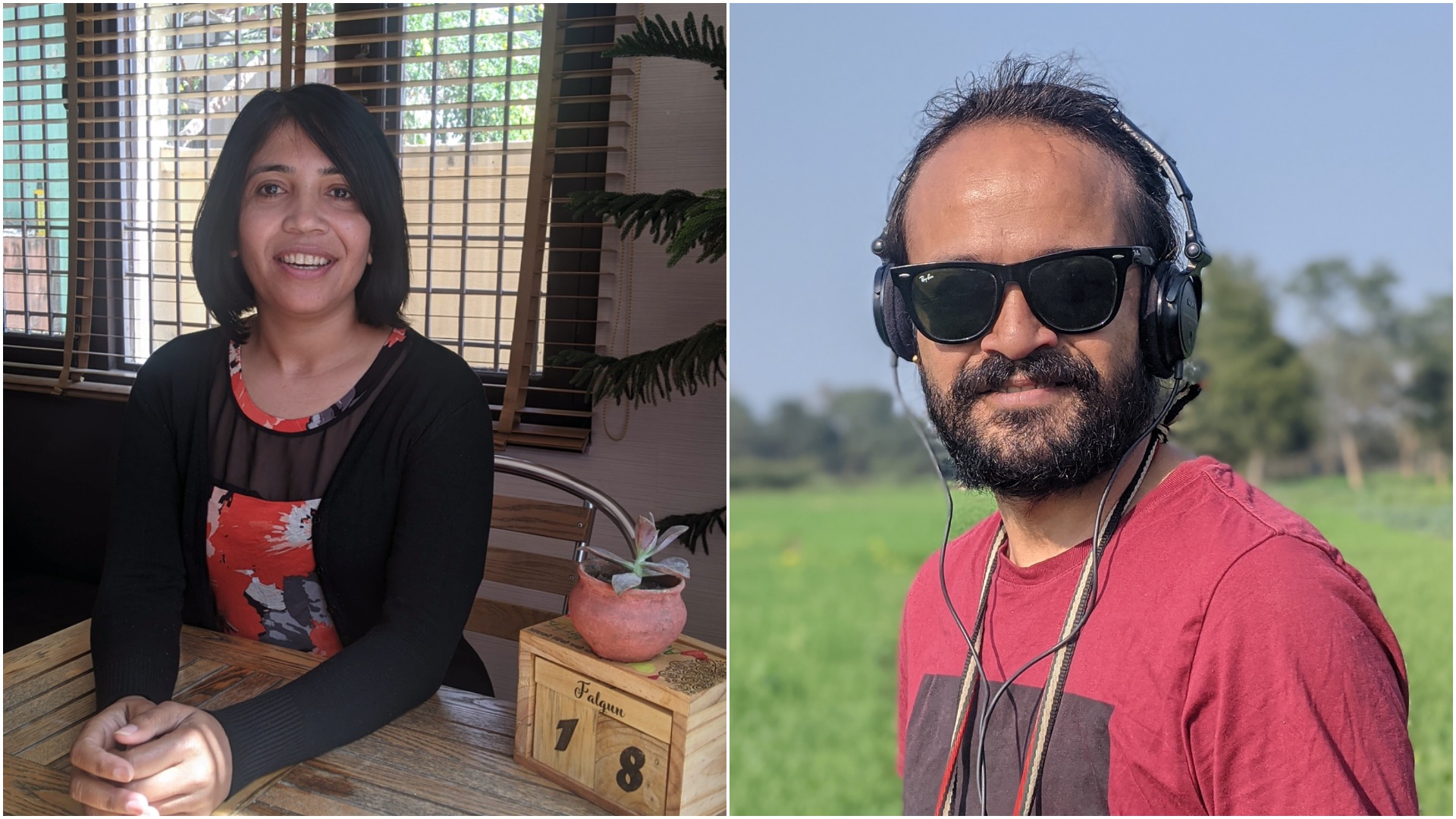
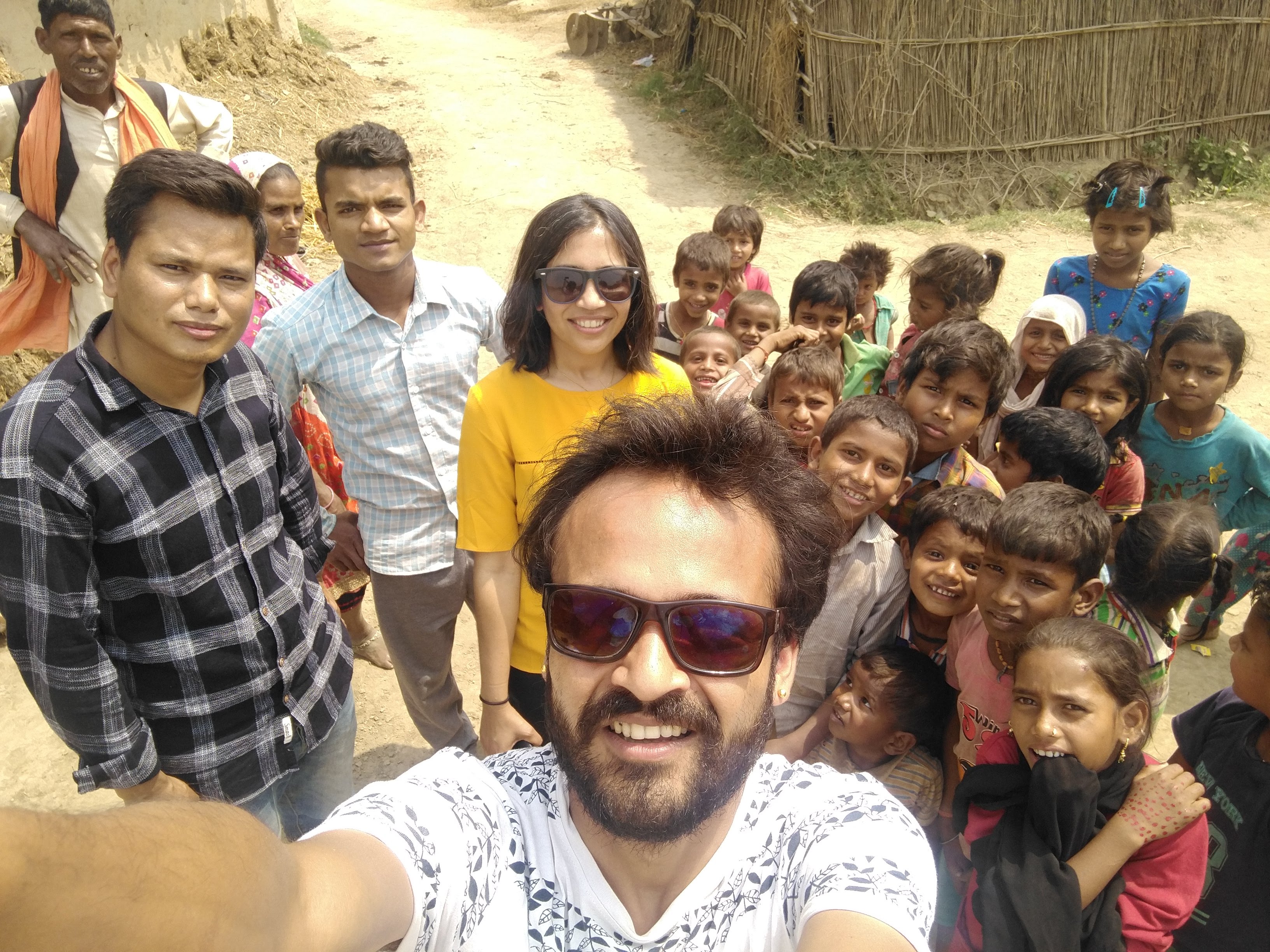
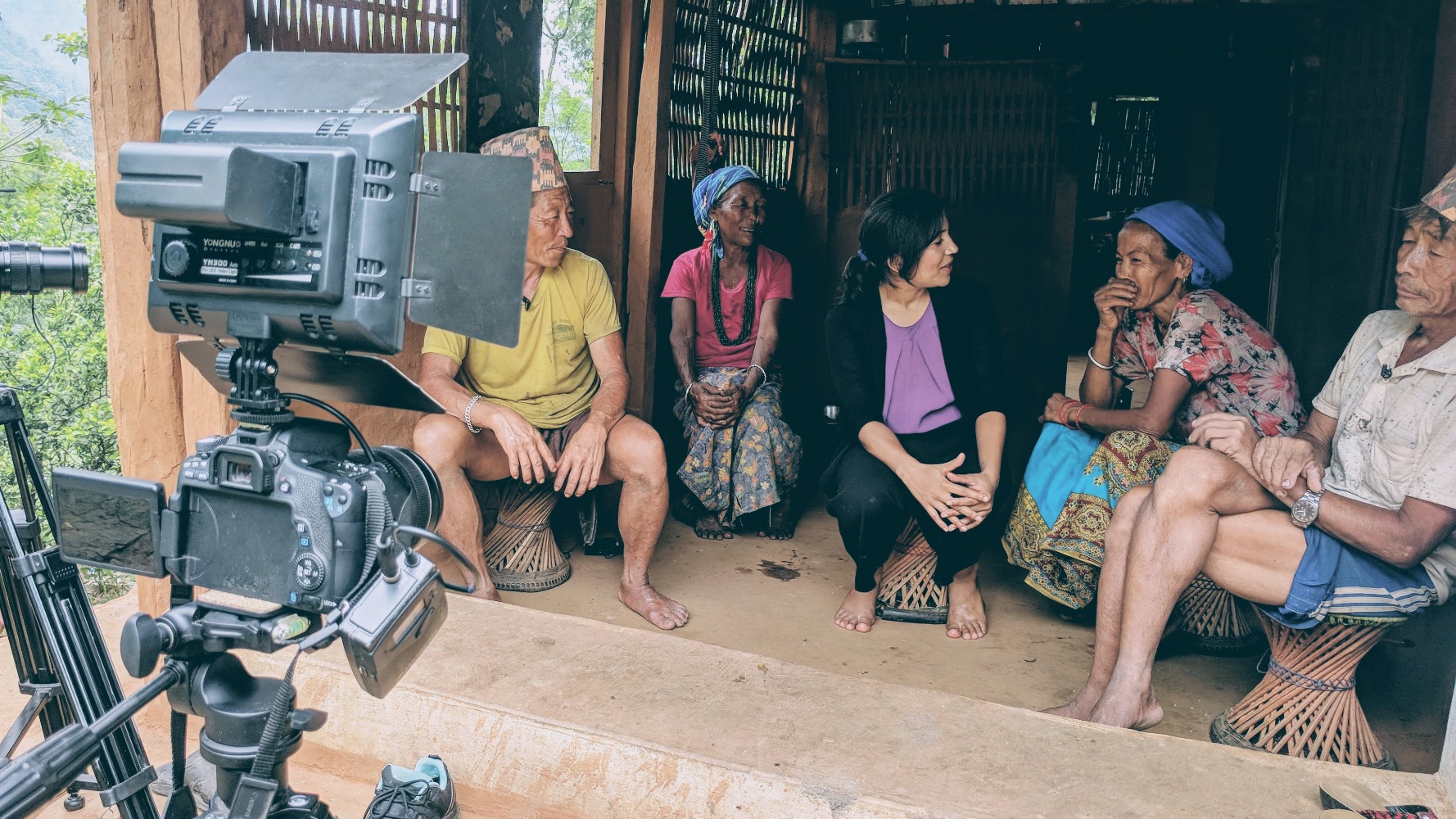
These recent programs on Herne Katha unite Nepalis by showing us the lives of other Nepalis, providing hope and optimism at a time when most have little of both. The series that began airing in 2018 is created by ex-BBC journalists Bidhya Chapagain and Kamal Kumar who are constantly on the road to the remotest corners of Nepal to profile ordinary Nepalis living extraordinary lives.
Kumar and Chapagain met in 2003 when they took up a job at the same radio station. Kumar had come to Kathmandu after high school and enrolled in a journalism program, having, as he puts it, fallen into journalism. Chapagain had also always wanted to be a journalist. As their careers progressed, their paths would constantly cross.
“In those early days, our work almost exclusively involved going to the Reporters Club and waiting around for the politician of the day to give their speech,” recalls Kumar.
Chapagain nods, adding: “Or we would have to go to hotels to cover workshops and conferences.”
They are seated, Chapagain on the floor and Kumar on a beanbag chair, and complete each other’s sentences with the ease of two people who have been colleagues for a long time.
In locked-down Lalitpur, their office is quiet but for the sporadic rain outside and the occasional click of the mouse as the editor, Sandesh Pariyar, works in the other room on an upcoming project.
Kumar and Chapagain both worked for BBC Media Action’s debate program Sajha Sawal as producers. Chapagain would eventually become the presenter of the popular show, a role that propelled her to celebrityhood.