
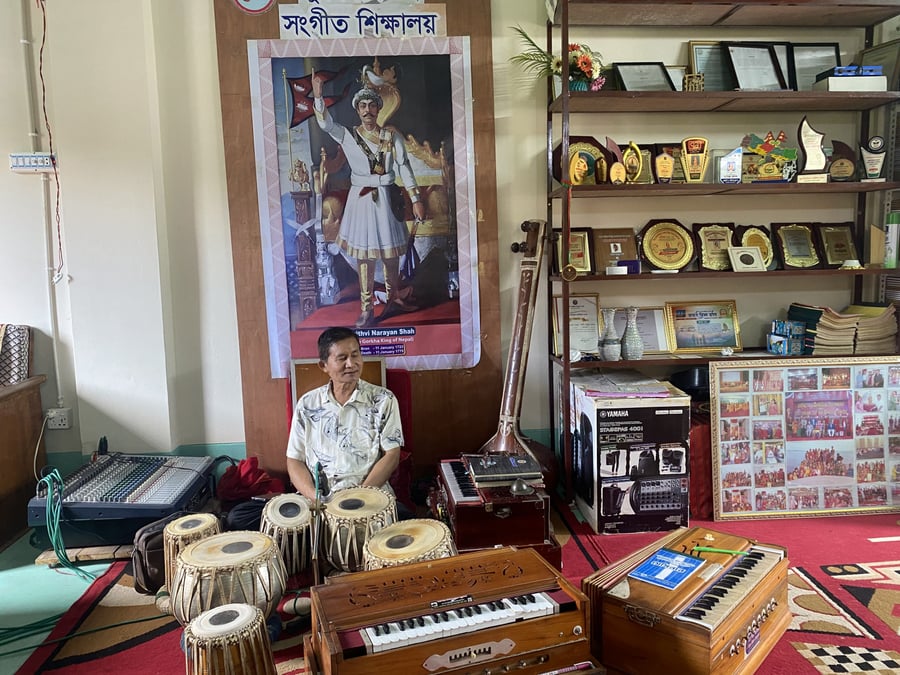
In the hill town of Rangamati in eastern Bangladesh, in the neighbourhood of Contractor Para along Jail Road lives Manoj Bahadur Gurkha, a cultural activist and musician who was born and raised here.
His ancestors were brought here 200 years ago by the British military to subdue the indigenous people in the hilly jungles between India and Burma. The area was largely self-governing, and even the Mughals hadn’t ventured here to rule directly, preferring to collect a trade tax in the form of raw cotton from the indigenous chiefs.
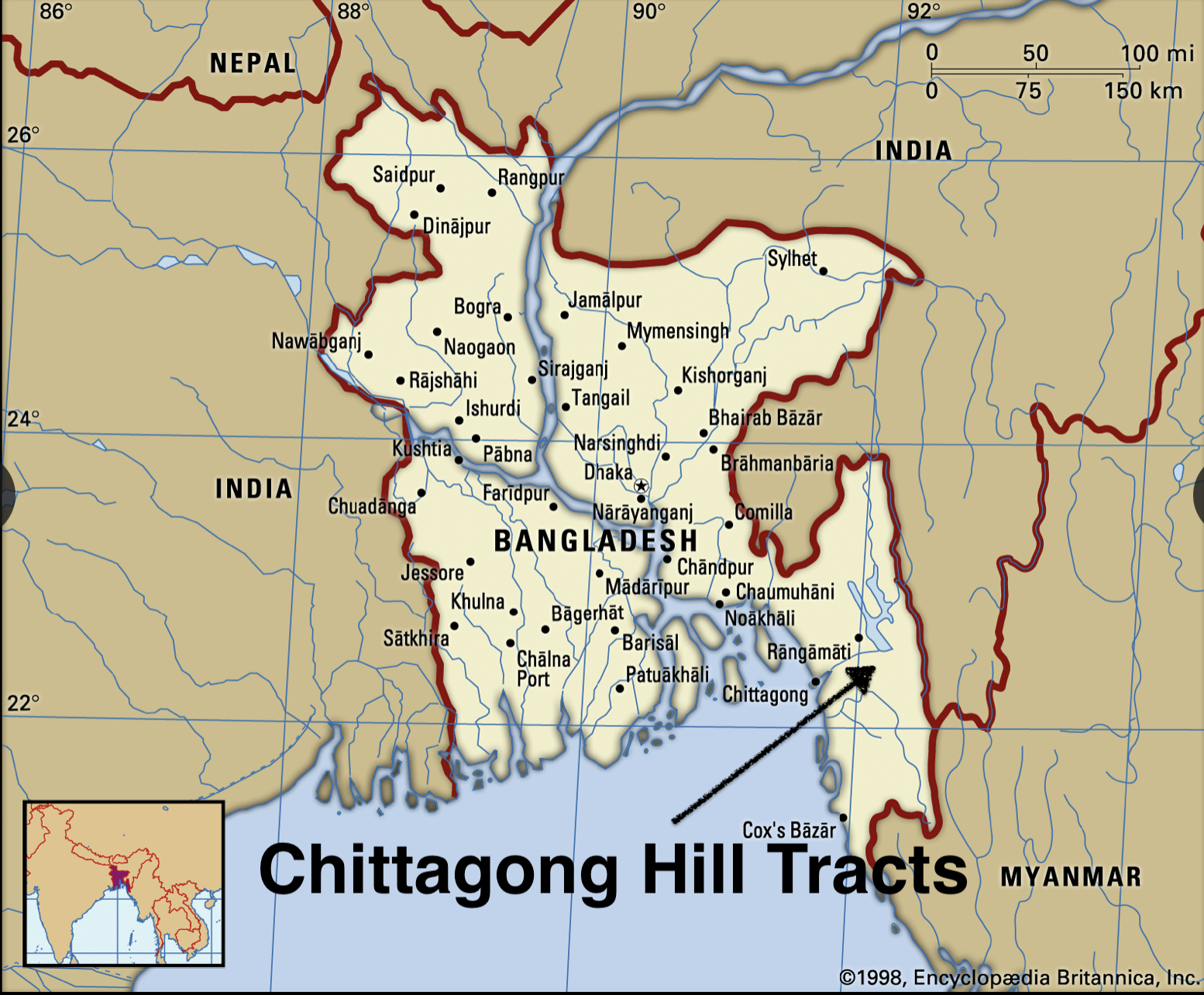
The British colonial administration later named this remote area 'Chittagong Hill Tracts' when it annexed, and separated the hilly region from the greater Chattogram district in 1860. These hills were the ancestral land of the Kuki, Lushai, Senduj and other indigenous groups who lived largely undisturbed by the politics of the plains.
But conflict in the Arakan region of Burma brought waves of refugees to seek safe haven in the hills. This rapid growth in the resettled population created ethnic tension across the Chittagong Hill Tracts with a cycle of violence between 1837-1854.
The British military faced practical difficulties in this environment, their soldiers were accustomed to the plains and struggled in the steep, densely forested hills. The Kuki, for their part, knew their home terrain well and used it to their advantage. After several unsuccessful attempts to quell the rebellion, the British realised that their regular forces were ill-suited for mountain guerrilla warfare. They needed a force naturally adapted to the environment.
“The British had no experience fighting in the hills and jungles back then,” explains Manoj Bahadur, speaking in Bangla. ”In their heavy leather boots, they were useless on the slippery mountain clay. They fell into the Kukis' traps and were easily outmanoeuvred. To fight fire with fire, the British decided to deploy the 2nd Gurkha Regiment from the British Indian Army.”
AYO GORKHALI
The British first started recruiting Nepal’s soldiers after the Sugauli Treaty ended the Anglo-Nepal War of 1814-1816, Soon after, Nepalis were fighting in the Afghan Campaign of 1847 and were instrumental in quelling the Indian Mutiny of 1857. Gurkhas served in both World Wars, including in pushing back the Japanese from Burma in 1945.
They still serve in the Gurkha Rifles of the Indian Army, Brigade of Gurkhas in the British military, in the Gurkha Contingent of Singapore Police, in Brunei and Oman. (The word Gurkha is an anglicised version of Gorkha, the principality that was the original name of unified Nepal).
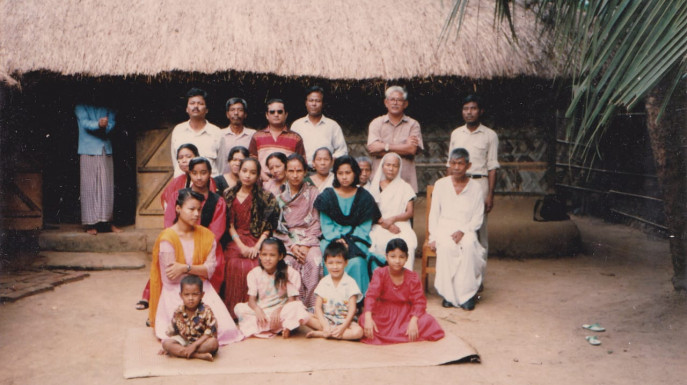
The Gorkhalis of present day Bangladesh have lived here for at least seven generations, descendants of the soldiers who stayed on. Says Manoj Bahadur: “There is a fundamental difference between us and the other hill communities who migrated to the hills fleeing conflict. But we did not come here of our own accord, our forebears were brought here to fight.”
British expansion into Bengal began in earnest following the Battle of Plassey in 1757. As they consolidated their hold over what is now Chittagong, the East India Company’s attention turned toward the rugged, forested region tucked away between Tripura in what is now India, and Arakan in present-day Burma. This area was known as the Kapas Mahal — a name the Mughals gave because the indigenous people grew cotton.
Captain T H Lewin, the first Deputy Commissioner of the Chittagong Hill Tracts, provided a first-hand account of Gurkha soldiers in his book ‘A Fly on the Wheel’. He described the 1871-72 Lusai Expedition, where the 2nd Gurkha Regiment, commanded by Colonel H Macpherson, arrived at Kassalong (a forest in Rangamati) to quell the rebellion.
Lewin was struck by the efficiency of the soldiers from Nepal, describing them as 'splendid little fellows' who operated with ‘a quiet, disciplined intensity’. Their fighting style was unlike anything the local tribes had encountered. Raised in the rugged mountains of Nepal, the Gurkhas were masters of the hills and forest and would scamper up high into the upper branches of trees on sentry duty, and wait for hours in silence, observing enemy movements.
This combination of mountain-hardened endurance and specialised tactics eventually brought the conflict to an end. The Lusai, realising they could not defeat a force that was as comfortable in the jungle as they were, agreed to a treaty to end the conflict in the Chittagong Hill Tracts.
However, the British administration did not fully trust that the peace would hold, so they devised a plan to use the Gurkhas as a permanent protective barrier. In the conclusion of his book, Lewin explains that he sought permission from Calcutta to bring emigrants from Nepal to colonise the frontier.
These Gurkha colonies were established in the Myinee Valley in early 1873, a northern tributary of the Karnaphuli River. This area had previously been uninhabited because people feared Kuki and Lushai raids. By settling the Nepali soldiers and their families there, the British created a buffer from other warlike groups to the east.
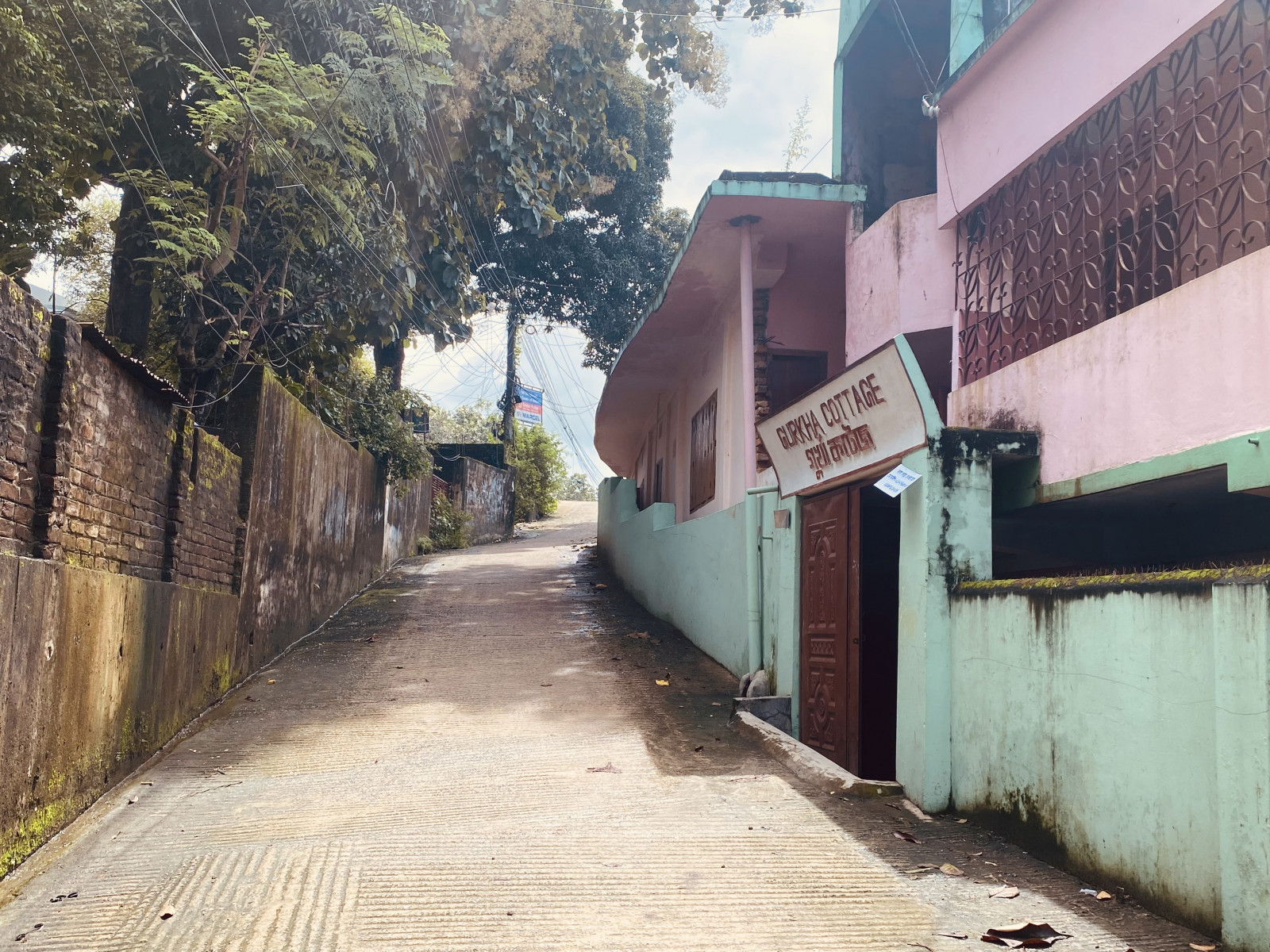
The importance of this settlement was later solidified in the Chittagong Hill Tracts Act of 1900 under which the British designated the Myinee Valley as a ‘special area’, keeping it free from the administrative control of local chiefs. This ensured that the Gurkha settlement remained a distinct, strategic government outpost.
India became independent in 1947, East Pakistan was partitioned and later became Bangladesh, and the Gorkhali families from Nepal were gradually forgotten — left out of the historical memory and never recognised for their role in shaping the history and geography of this region.
“We were brought here by the British to keep the peace, and we did,” Manoj Bahadur says. “Because of that, there is a lingering sense of hurt within our community. Naturally, when your ancestors have made such a heavy contribution, you expect some level of recognition. We came here, we shed blood, and we helped bring peace. Yet today, barely anyone in Bangladesh even knows a Gurkha community exists here.”
The Gorkhalis have also been historically marginalised in mainstream in Bangladesh, and it was only in 2018 that the Ministry of Cultural Affairs in Dhaka finally listed the ‘Gurkha’ us among 50 recognised indigenous groups in the country. Even so, the descendants of Nepali fighters have no representation on the Hill District Council, the Regional Council, or any local administrative bodies that they helped establish two centuries ago.
Many older folk still speak Nepali with a heavy Bangla accent, but they are worried about the younger generation losing the language and customs. They say maintaining their Nepali heritage has become increasingly difficult. A lack of formal education has also hindered the growth of a strong sense of Bangladeshi national identity.
But economic survival remains the most difficult challenge even though following the 2018 recognition, finding jobs has become slightly easier as teachers, in government or the private sector.
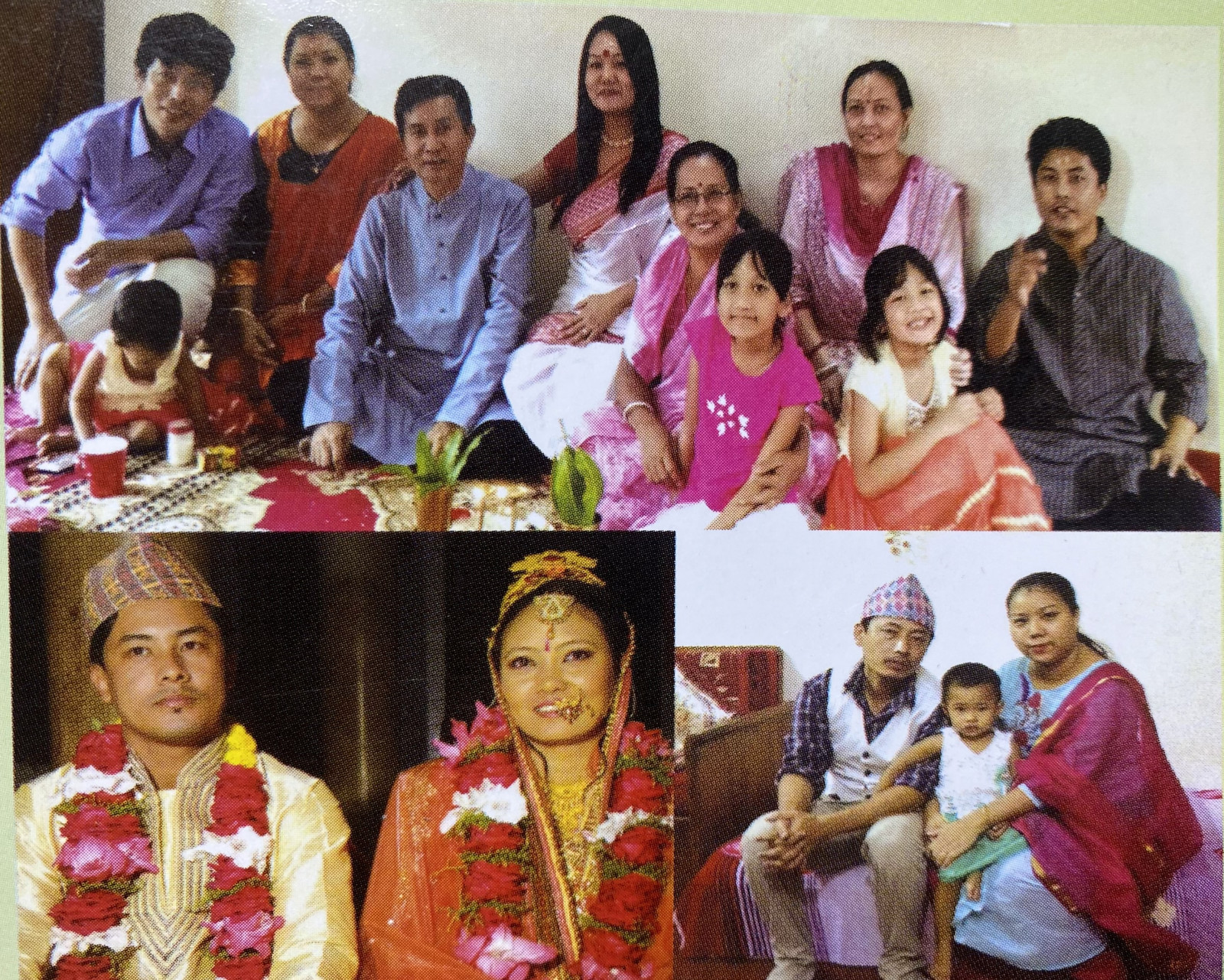
Most of the 30 Gorkhali families in Rangamati keep their Nepali culture alive through music, art and observance of festivals. After the 1947 Partition of India, many returned to Nepal, while others crossed over to India. Governments back home in Nepal also do not seem to know about these remnants of soldiers who fought and died for the British Empire, and are among the nearly 10 million scattered today across India, Bhutan, Burma, Thailand and Malaysia.
The numbers of Gorkhali families is also dwindling because of intermarriage with Bengali Hindus, with indigenous communities of the Hill Tracts, or with Nepalis from Assam because of ethnic affinity. Over generations of isolation, the Nepali spoken by the Bangladeshi Gorkhalis blends with Bengali, evolving into a distinct local dialect, though they still write using the Devanagari script.
While they worship Kali, Durga and Saraswati just like Bangladesh’s Hindus, the rituals and customs still retain their distinct Nepaliness.
Manoj Bahadur notes, “Our customs differ from those in Nepal. Over there, things have modernised but here, we still follow the same traditional rules and rituals our ancestors brought with them two centuries ago.”
Interestingly, Manoj Bahadur observes the birth anniversary of Bhanubhakta Acharya, the earliest Nepali poet with a Bhanu Jayanti event at his music school, Surniketan. But he also hosts events celebrating the Bengali literary giants like Rabindranath Tagore and Kazi Nazrul Islam and has translated their works into Nepali.
“We no longer expect much,” he says quietly. “We are largely to blame for our current situation. But we are finally working to change things. Perhaps we are a little late, but I remain hopeful that the next generation will keep our identity alive.”
Adapted and reprinted with permission from The Business Standard.