
So fierce is the competition between Nepal’s three major parties to have a say in who the next ceremonial president is that it is threatening to break the governing coalition.
Which is puzzling, why are they concerned about a post that is largely symbolic and with residual constitutional powers? Because all the three parties have since 2017 misused (or been the victims of) the misuse of presidential powers.
On Saturday, 25 February political parties will officially register their candidates for the presidential election set to take place on 9 March. There are many trial balloons being floated with names of potential candidates which include former prime ministers, ministers, top party leadership, as well as non-partisan figures.
From the Nepali Congress (NC) the names floating around include Ram Chandra Paudel, Krishna Prasad Sitaula, and even former Prime Minister Sher Bahadur Deuba himself. Possible candidates from the UML include Ishwar Pokharel, Subhas Chandra Nembang, Bishnu Rimal, and Asta Laxmi Shakya.
CPN-Unified Socialist Chair Madhav Kumar Nepal as well as Nepal Socialist Party leader Baburam Bhattarai’s names have also come up in connection with the presidency. Mahanta Thakur of the Loktantrik Samajwadi Party has also been proposed as a candidate.
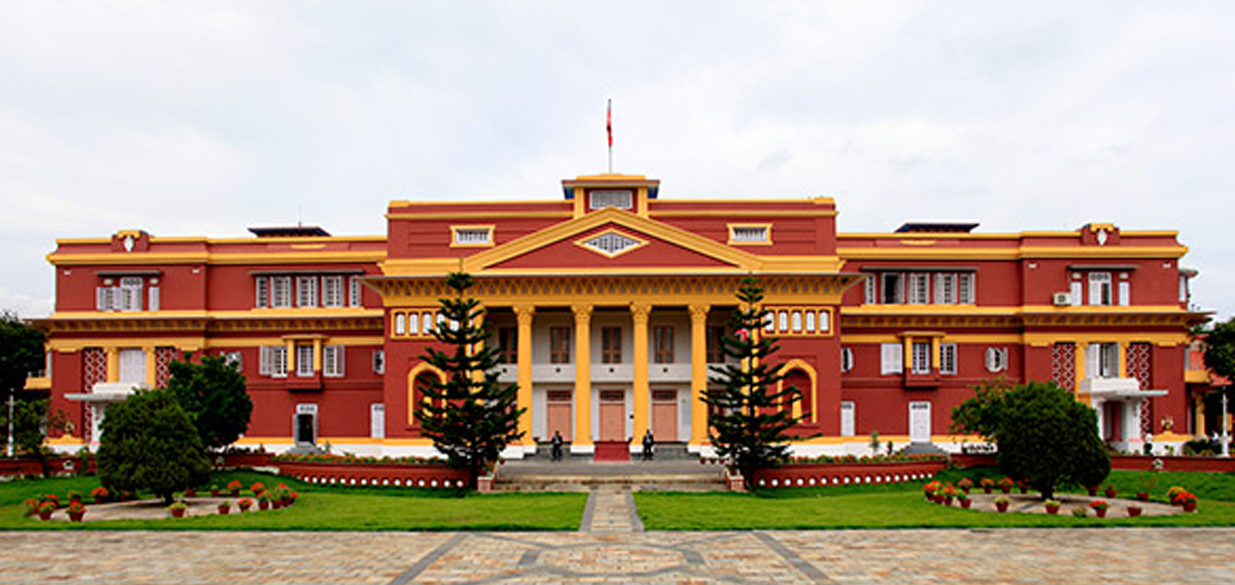
Prime Minister Pushpa Kamal Dahal is in the horns of a dilemma because he has promised the presidency to the NC, UML as well as his own party’s leaders. This means he is bound to disappoint and make enemies of everyone who does not make it to Shital Nibas on 9 March.
Read also: Constitutional President, Editorial
The decision should have been simple. On 25 December, Dahal broke his party’s alliance with the NC and erstwhile Prime Minister Sher Bahadur Deuba to form a coalition with the UML and five other parties, in return for the UML getting the presidency.
But Sher Bahadur Deuba threw a spanner in the works when he gave his party’s vote of confidence to Dahal on 10 January, keeping the door open for future political collaboration between the NC and Dahal’s Maoist Centre (MC).
And while the prime minister has maintained that his coalition will remain intact beyond 9 March, he has refused to guarantee a UML candidate for head of state.