One side effect of the silent skies over past months, other than tipping tourism and aviation into freefall, is that Nepal’s air safety record is greatly improved.
Last week marked the sombre anniversary of the Thai International crash in heavy monsoon rains 28 years ago which took the lives of so many Nepali families, friends and residents.
Almost exactly two months later, a PIA Airbus piled into the opposite end of the Valley at Lele, the nation’s worst air disaster. This time, 167 souls were lost, mostly tourists arriving at the beginning of the season -- so close that the specialist international forensic team were still in-country analysing the confetti-sized Thai aircraft wreckage.
Exasperated with devastation and grief at yet another catastrophe, I volunteered with the British Embassy to help look after distraught relatives of the PIA victims.
Nepal’s dramatic Himalayan terrain and fierce weather patterns make a deadly combination. The deplorable data confirms that the dozens of air accidents since the1992 double carnage occur mostly during the turbulent monsoon months, and involve helicopters as well as fixed-wing aircraft, both international and domestic flights. Usually the pilots have something to do with it and almost all are weather-related, regardless of the season.
Early last year we lost an inspirational tourism minister when the chopper he was travelling in tried to take off from a socked-in hilltop temple intending to dive into clear weather, got caught in a freak updraft, and was slammed sideways against a cliff. There were no survivors and the industry is still reeling from the tragedy.
Along with the minister was Nepal’s most imaginative and daring tourism entrepreneur, Ang Tshiring Sherpa, managing director of Yeti and Tara Airlines amongst his many other ventures. It should never have happened, of course. Known to be fanatic about safety, on that fateful day, 27 February 2019, Tshiring allowed his usual strict flying rules to be compromised.
It is still hard to accept the chill reality that Tshiring is not coming back. He was only 54. Never again would he drop by our house sitting under the garden cherry tree or casually greet me as he crossed Dwarika’s courtyard to lunch. Never again would I be summoned into his expansive office, glowing with carpets, polished wood and glass, and asked my advice in his serious calm manner.
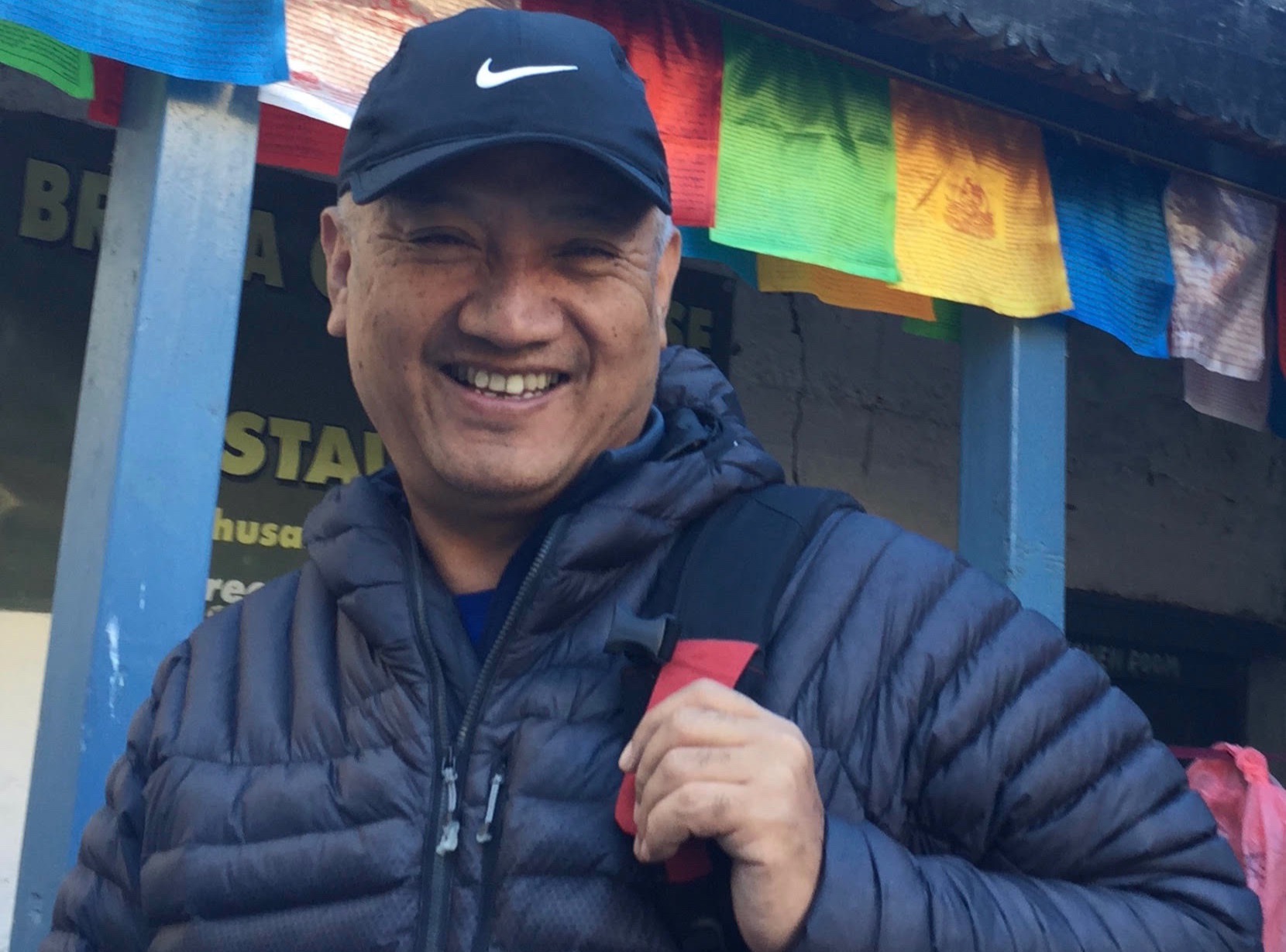
Never again would I see his wry sideways smile as he gently rubbed his stubbled head in that curious distinctive way, attentive, nodding, self-deprecating. Never again would we dine together off the candle-lit polished tables at Le Sherpa restaurant with clients and relatives he wanted me to meet.
Tshiring never wasted words, and I learned to listen carefully. Not once did I see him riled or angry, or indeed anything but thoughtful and measured. Even when I could tell he did not agree with my recommendations -- to refocus the family brand, consolidate companies, or add value by improving service standards -- he was unfailingly polite and patient. “Thank you, madam,” he would smile. He always liked to call me madam, with irony, no doubt.
Tshiring was Nepal’s most innovative and wildly courageous tourism operator, striding fearlessly into deals with a sure instinct and confidence, trusting his powers of persuasion. His office team of competent henchmen and array of associated family members managed his Kathmandu-based empire of airlines, travel agencies, hotels, restaurants, remote lodges, wildlife camps, trekking and mountaineering companies.