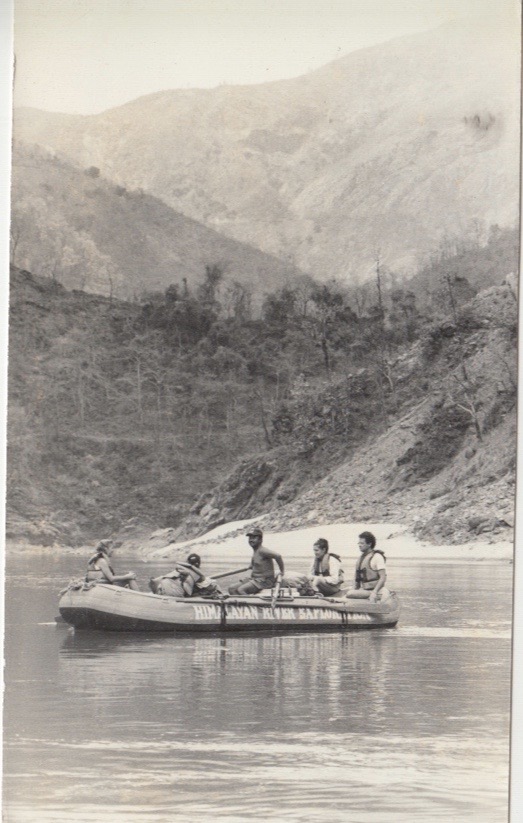
“Oh dear, look what happened to my pants!” We pulled onto the beach and Bill clambered out of the big rubber raft having just emerged from one of the more impressive rapids on Nepal’s Trisuli River. The chilly curtain of cold water and adrenaline rush of surviving Upset without an upset had us all whooping with excitement. Bill’s stylish beige linen trousers had shrunk with the dousing and were clinging to his legs like an unseemly pair of tights.
Bill Gavin was with us on one of the early three-day river runs, to be followed by a few days wildlife watching at Tiger Tops Chitwan. It was 1982 and the road from Mugling to Bharatpur was nearing completion. Villagers along the banks still found our overnight camps a curiosity, and no belching truck fumes polluted the evening beers around a driftwood blaze or disturbed the silent nights under a canopy of stars.
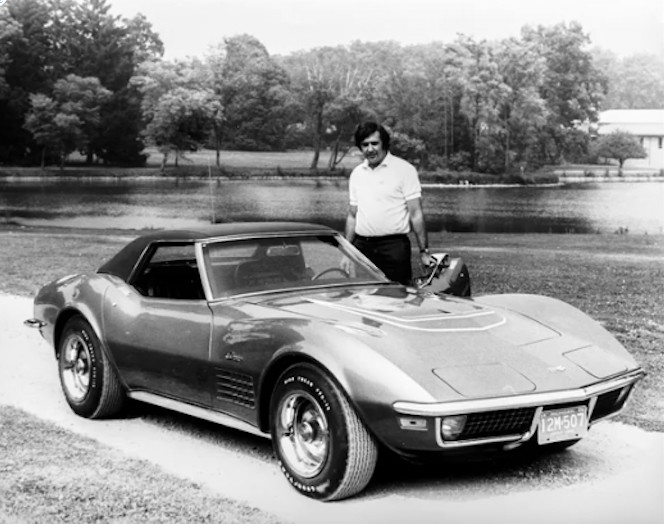
The wild and wonderfully wicked Bill Gavin was a legend brimming with passion, vigour and colour who had exploded into my life as a friend of my louche and much-loved Uncle Terry. Together they haunted the glamorous Grand Prix circuit of the swinging 1960s. Bill writing about motor racing (he was European editor of Car & Driver magazine and biographer of world champion Jim Clark) and Terry managing a Formula I driver who was killed in a crash, as happened all too often in those unsafety-conscious days.
When I hooked up with them in London, Terry was in the music business (signing Dire Straits was his claim to fame) and Bill was big into movies after a spell managing pop groups. The third of this unlikely trio of best mates was Stanley Myers, composer of the haunting Deer Hunter theme.
The story goes that Bill talked his way into movie production starting as the GTO boss’ chauffeur and ending up as the boss, but stories like that abound about Bill Gavin. He toured with chart-toppers The Sweet, New Seekers and Springfield Revival, and did gigs with Gary Glitter. He was almost recruited by the CIA, narrated the 1966 film Grand Prix, managed a Ferrari team, released the first Antipodean movie Picnic at Hanging Rock in UK, took Apocalypse Now to Australia, and helped finance New Zealand’s What Became of the Broken Hearted? and Whale Rider, that marvellous Maori classic.
At the time we were camping riverside on the Trisuli in his terminally shrunken pants, Bill was riding high as the hard-driving distribution and sales wizard on the board of Goldcrest Films, on his way back to London from the Killing Fields’ shoot in Thailand. Goldcrest’s other best pictures included Chariots of Fire, Local Hero and Gandhi, and Bill had his own UK company, Gavin Films.
Bill loved to shock and push the envelope, long before the #metoo generation. He ricocheted between marriages and girlfriends, had three wonderful children, Tom, Panda and the eldest who was saddled with the name Gavin. Yes, Gavin Gavin, whose gorgeous mother Sarah Jane was Bill’s first wife and a Mary Quant model. At their parties you might meet Graham Hill and other racing drivers, Victor Hugo’s granddaughter, Polish film directors with unpronounceable names, or Barry Humphries aka Dame Edna slumped in their sitting room telling cannibal air-crash jokes: “We’re on the last leg of the flight.”