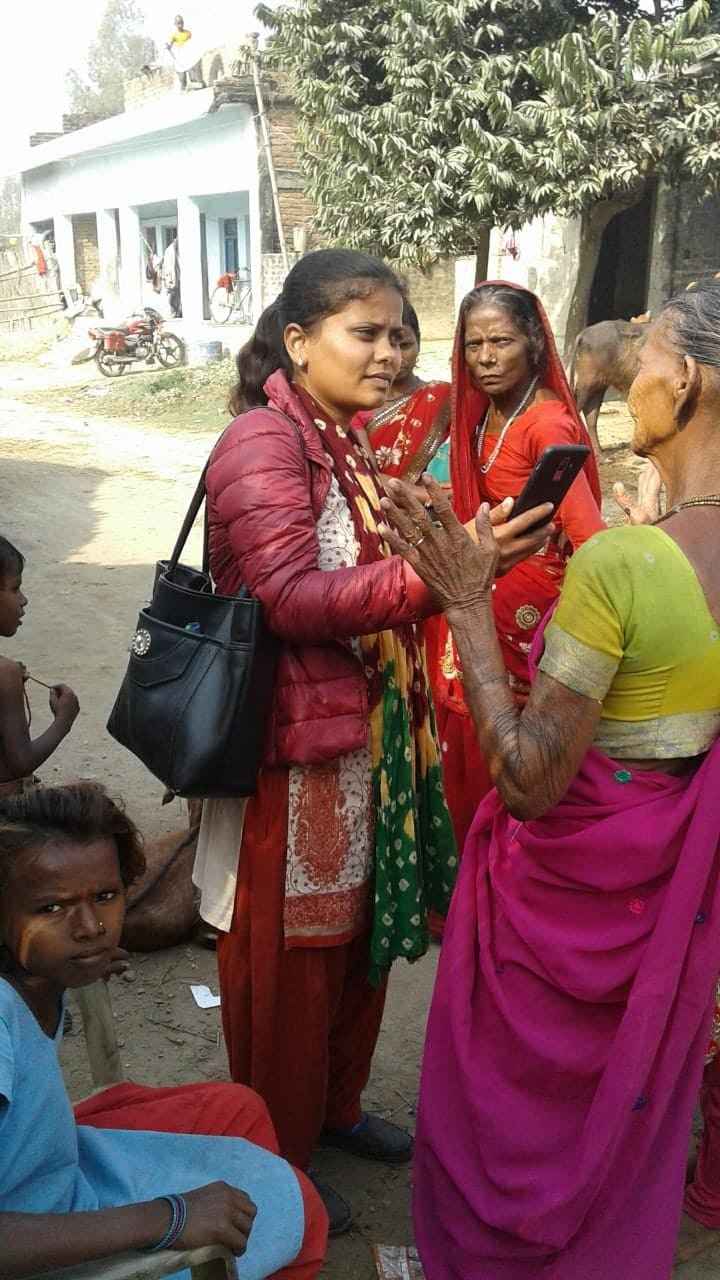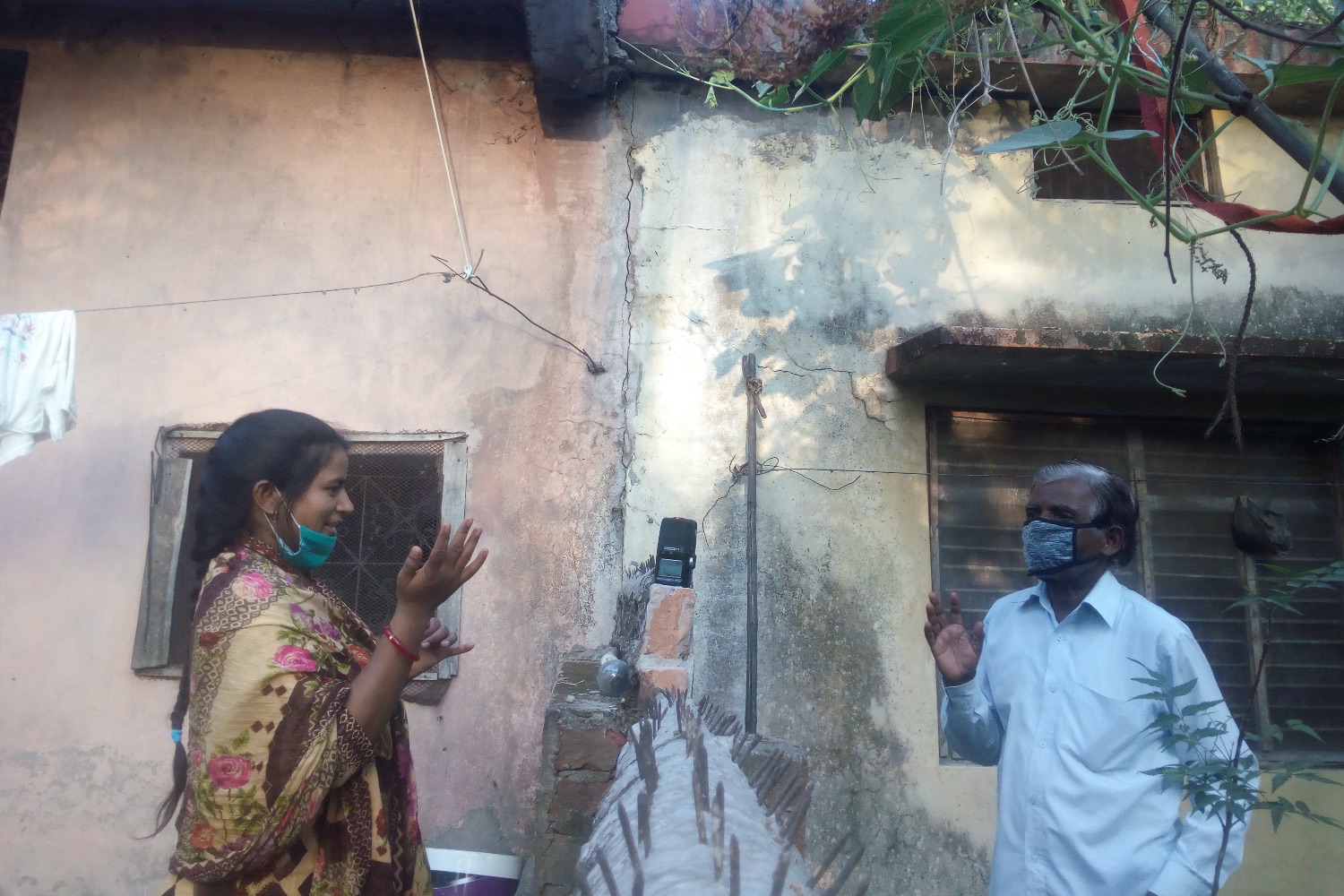
As Nepal experienced the impact of the Covid-19 pandemic just as the rest of the world did, the value of local broadcasters was amplified like never before. Large portions of rural and semi-urban Nepal depend upon local broadcasters for reliable information, a premium product during the pandemic.
The pandemic has also affected the local radios in an existential crisis, with sources of incomes drying up as sponsors themselves experienced a business crisis. The situation was worsened with many community volunteers and staff falling sick. These coupled with lack of adequate connectivity and electricity supply added to the miseries of operation. The work-from-home solution did not work for the local radio stations, especially in technologically challenged areas.
Disregarding the difficulties and withstanding a slow start, community radios continued to broadcast lifesaving information to the most vulnerable.
Broadcasting media, especially community radio is the most accessible form of mass media in Nepal. Community radios operating in locations poorly served by the government and commercial broadcasters are the most important link between the marginalised persons and the public service providers, including government offices, especially in times of a disaster.
Out of the approximately 800 FM radio stations in Nepal, close to half operate as not-for-profit media outlets, mostly in rural and semi-urban locations. Community radios cover almost the entire population of the country. This is not a small achievement by any yardstick, especially when contrasted with Nepal’s fledgling governance and human rights situation.
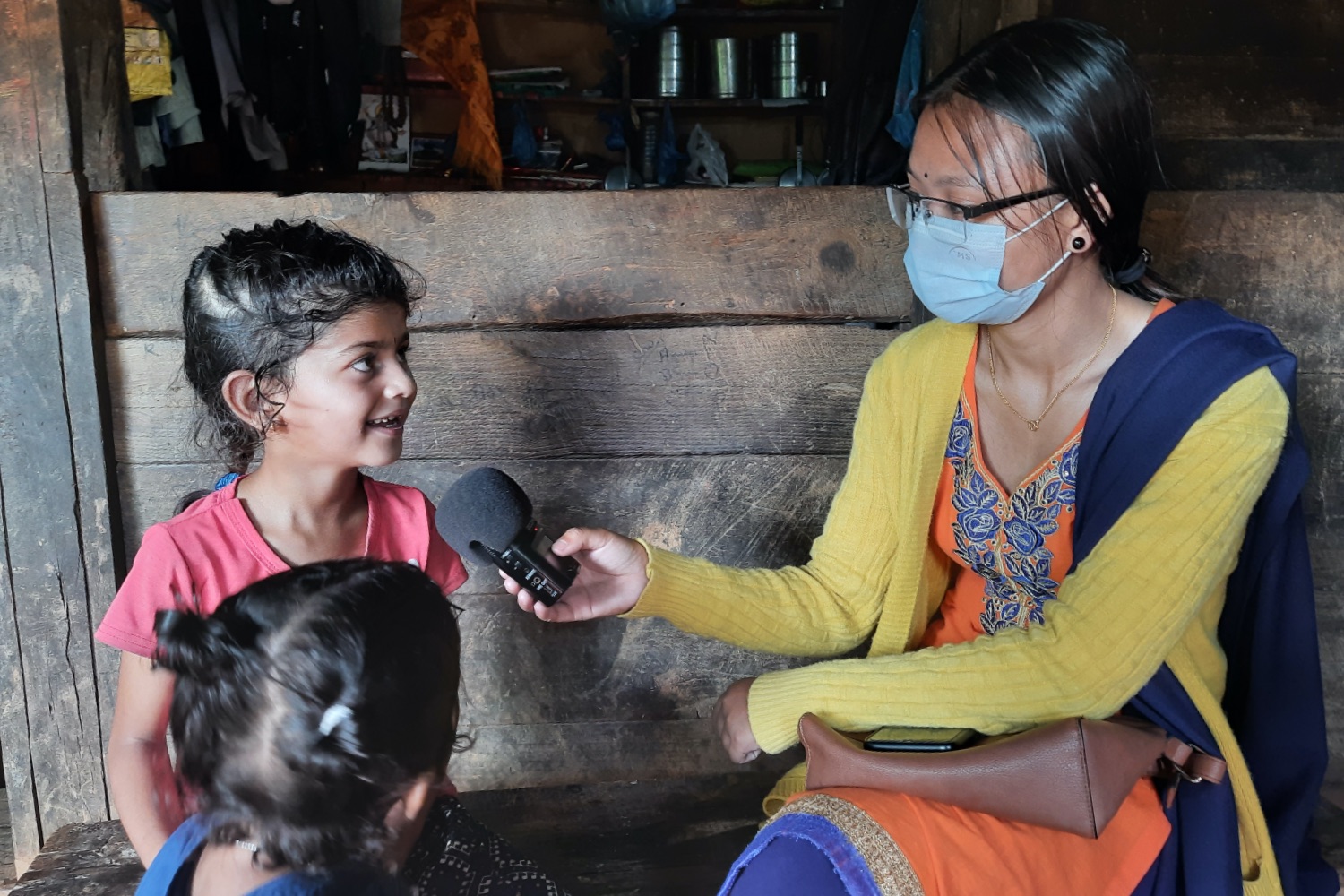
The pandemic also brought to the fore the gaps in the Nepali media ecosystem and the community radio sector.
Next year, the Nepali broadcasting sector will be marking an important milestone. It will be 25 years since the first non-governmental broadcaster Radio Sagarmatha was founded in 1997. By the virtue of being the first non-governmental broadcaster in all of South Asia, Radio Sagarmatha has contributed significantly to Nepal’s fame in the world of broadcasting media.
It is, however, ironic that despite its elevated profile in the country and to some extent internationally, the community radio sector has been left to its own devices. In the lack of any legal recognition by way of a community radio policy and the absence of relevant laws and regulations, the sector is beset with maladies and malpractices. Community radios all over South Asia suffer either a ‘no-policy’ or ‘poor-policy’ situation, and Nepal happens to fall under the latter category.
As the sector gradually comes to term with the pandemic, it is time that renewed attention is given to the call for ‘community radio friendly’ policies. In most of Nepal’s neighborhood, community radios are controlled by applying unreasonable restrictions in terms of transmission power, content, advertisement space and so on, thereby tempting sections of the sector to think that no-policy is better than poor-policy.