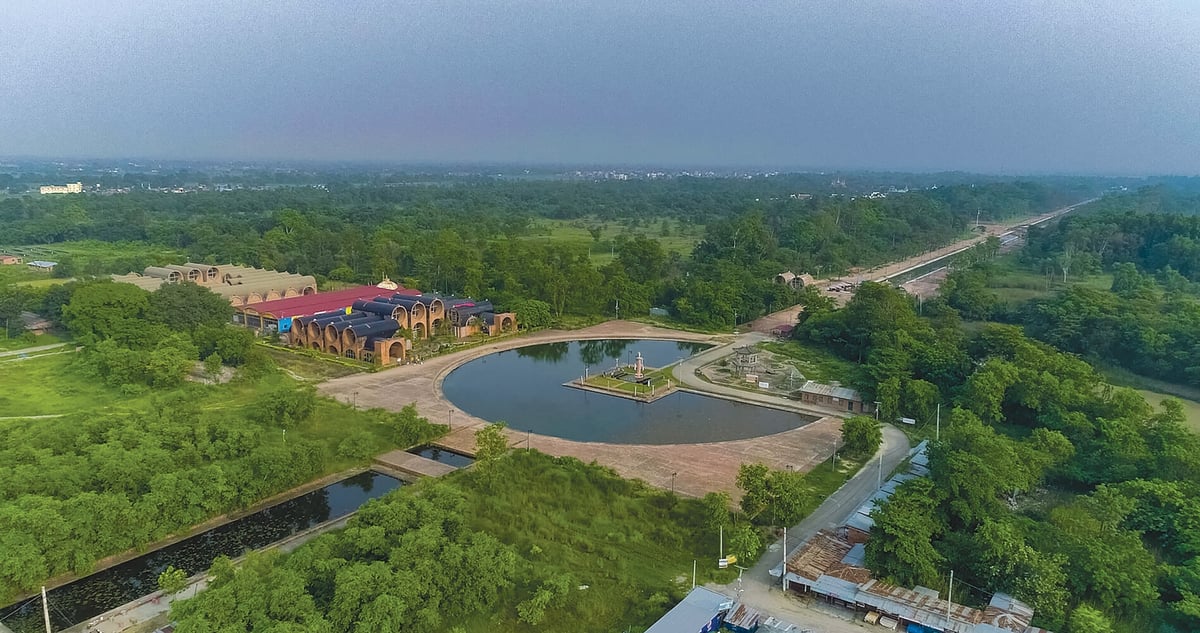
Nepalis are proud to proclaim that the Buddha was born in Nepal, but the over-development of Lumbini may mean that the nativity site could be struck off the World Heritage Sites listing.
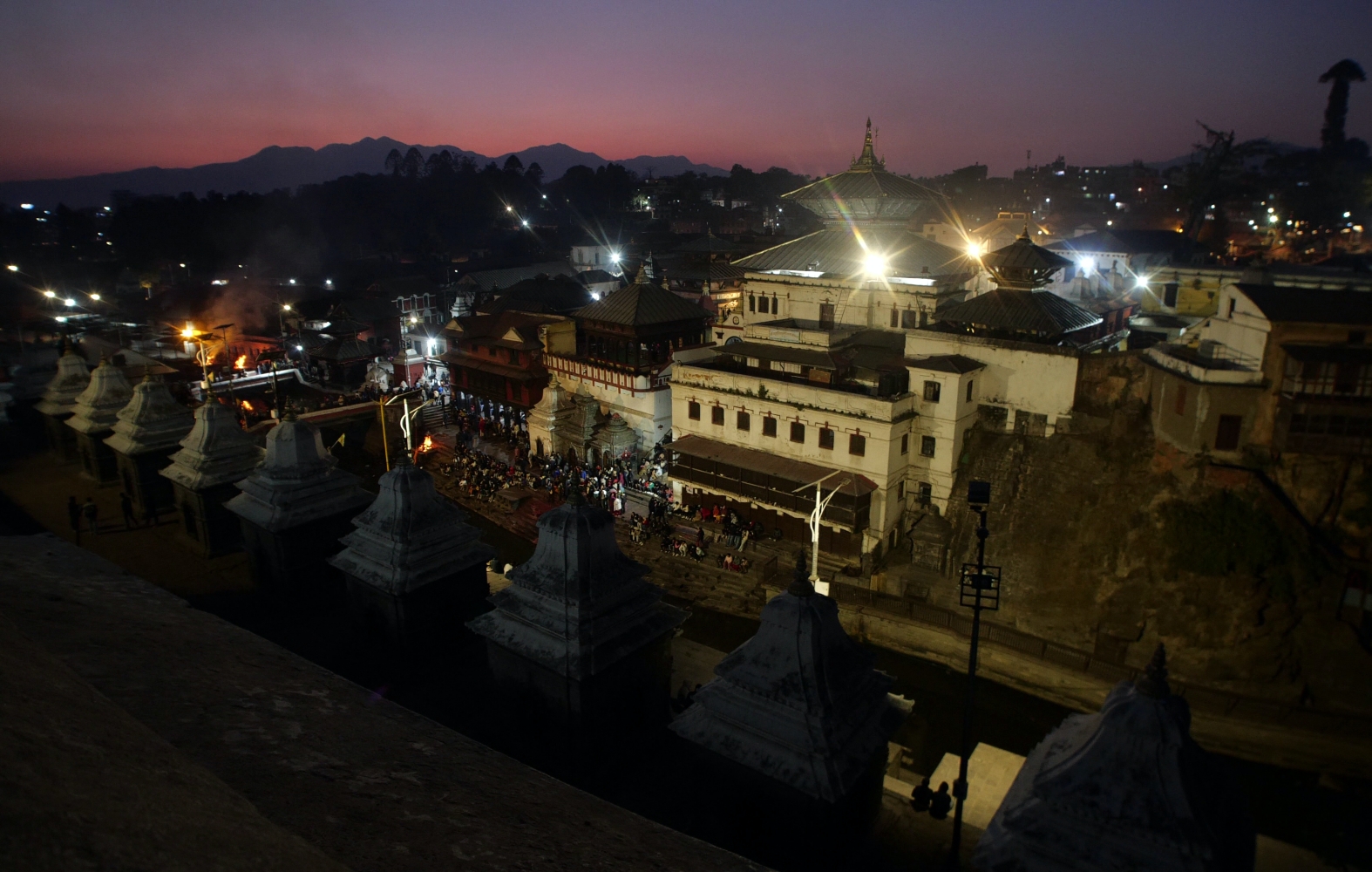
Nepal is internationally recognised for its cultural landmarks and their protection, but corruption, commercialisation and over-development are endangering sites like Lumbini and Pashupatinath Temple.
World Heritage Sites are designated by UNESCO for their historical, cultural or natural significance, and Nepal has four landmarks in the listing: Kathmandu Valley, Sagarmatha National Park, Chitwan National Park and Lumbini.
It is difficult to be struck off the list, but UNESCO can put some landmarks in the List of World Heritage in danger. The spotlight is now on Lumbini and Pashupati because of recent construction.
U Thant, the United Nations Secretary-General from Burma who visited Lumbini in 1977, hired famous Japanese architect Kenzō Tange to devise a masterplan for the site. It has taken nearly 40 years for Tange’s scheme to more or less be put together, but the Lumbini Development Trust (LDT) has been flouting the Tange design.
For example, a concrete and glass structure is coming up right next to Mayadevi Temple, an area of unexcavated archaeological significance. More recently, LDT announced that it was leasing out to a private company for 99 years the sacred Ramgram Stupa, 35km east of Lumbini, one of eight sites in the Subcontinent with corporeal remains of the Buddha.
The plan was cancelled in January by Parliament’s Public Accounts Committee which also demanded a corruption probe into the Rs7 billion deal to lease 81 hectares around Ramgram for 99 years. The deal was to the Singapore-based Moksha Foundation and its Nepali counterpart The Promised Land, owned by Prime Minister Pushpa Kamal Dahal’s landlord’s son.
LDT is now headed by political broker and shady former lawmaker Lharkyal Lama, who was appointed by Prime Minister Dahal despite knowledge about his murky past.
Neither the Ministry of Culture nor the Department of Archaeology had prior knowledge of the Ramgram proposal, and this lack of oversight and accountability has further eroded the LDT’s credibility, increasing concern about conflict of interest and political patronage.After the controversy erupted, an LDT executive committee meeting shelved the Ramgram agreement.