The confusion and chaos that followed the sudden cancellation of repatriation flights on 16 August was just the latest proof that the Covid-19 Crisis Management Committee (CCMC) and the government are working at cross-purposes, thus deepening the misery of Nepalis already burdened with the pandemic and its economic fallout.
The CCMC had already cleared the Civil Aviation Authority of Nepal (CAAN) to issue a schedule of repatriation flights till 31 August. Embassies abroad had drawn up the passenger manifest based on their priority lists. But it abruptly cancelled the permission, giving the lack of quarantine hotels as an excuse.
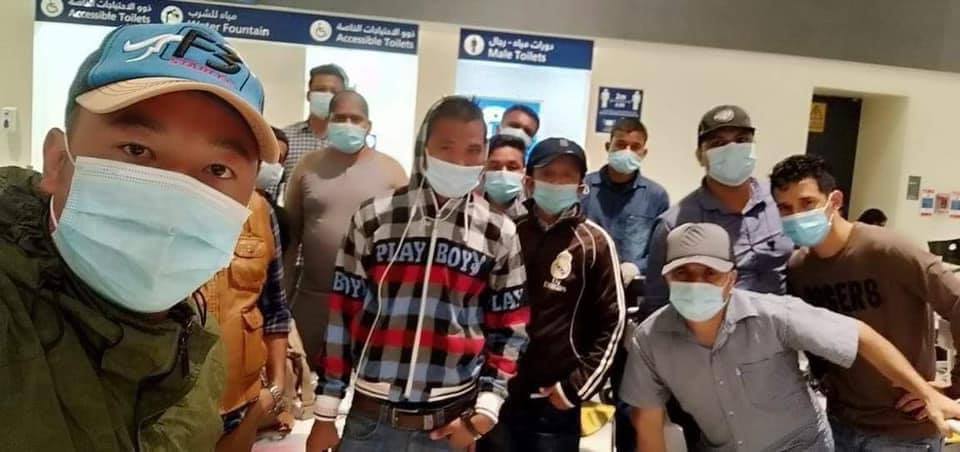
Tens of thousands of Nepali workers who had been waiting for over five months to fly home, and families trying for flights out of Kathmandu were affected. In one glaring case, the ban came into effect while a Nepal Airlines Airbus was en route to Dubai to pick up passengers, and had to return empty on Tuesday. The 266 returnees who had already got expensive PCR negative tests and had been issued boarding passes, had to return to their dorms in the UAE.
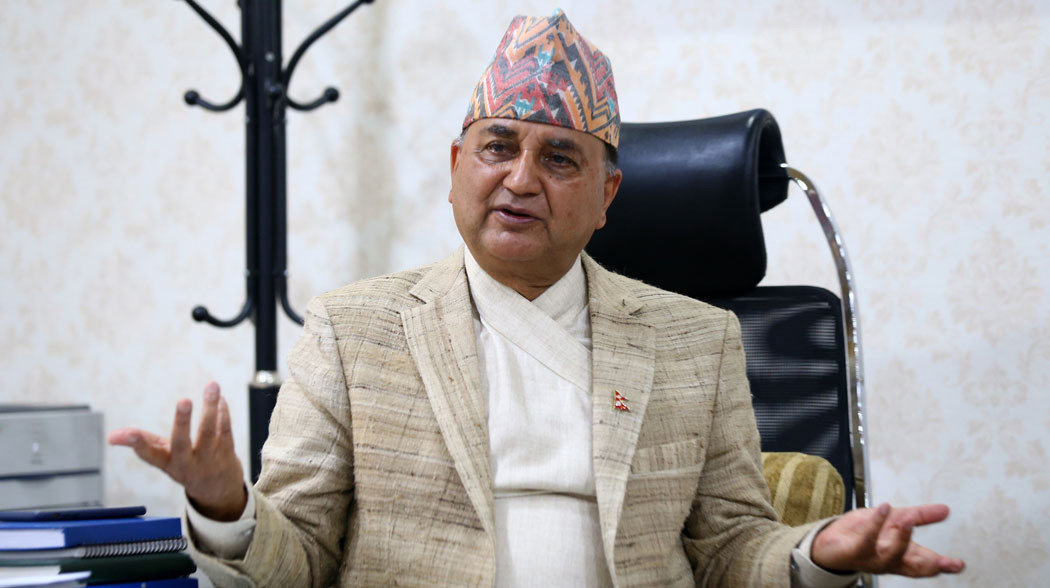
The CCMC is led by powerful Defence Minister Ishwar Pokhrel, who is a close confidante of Prime Minister Oli. Sources in the CCMC said Pokhrel took the decision to ban flights on his own without discussing it in a Cabinet meeting earlier on Monday.
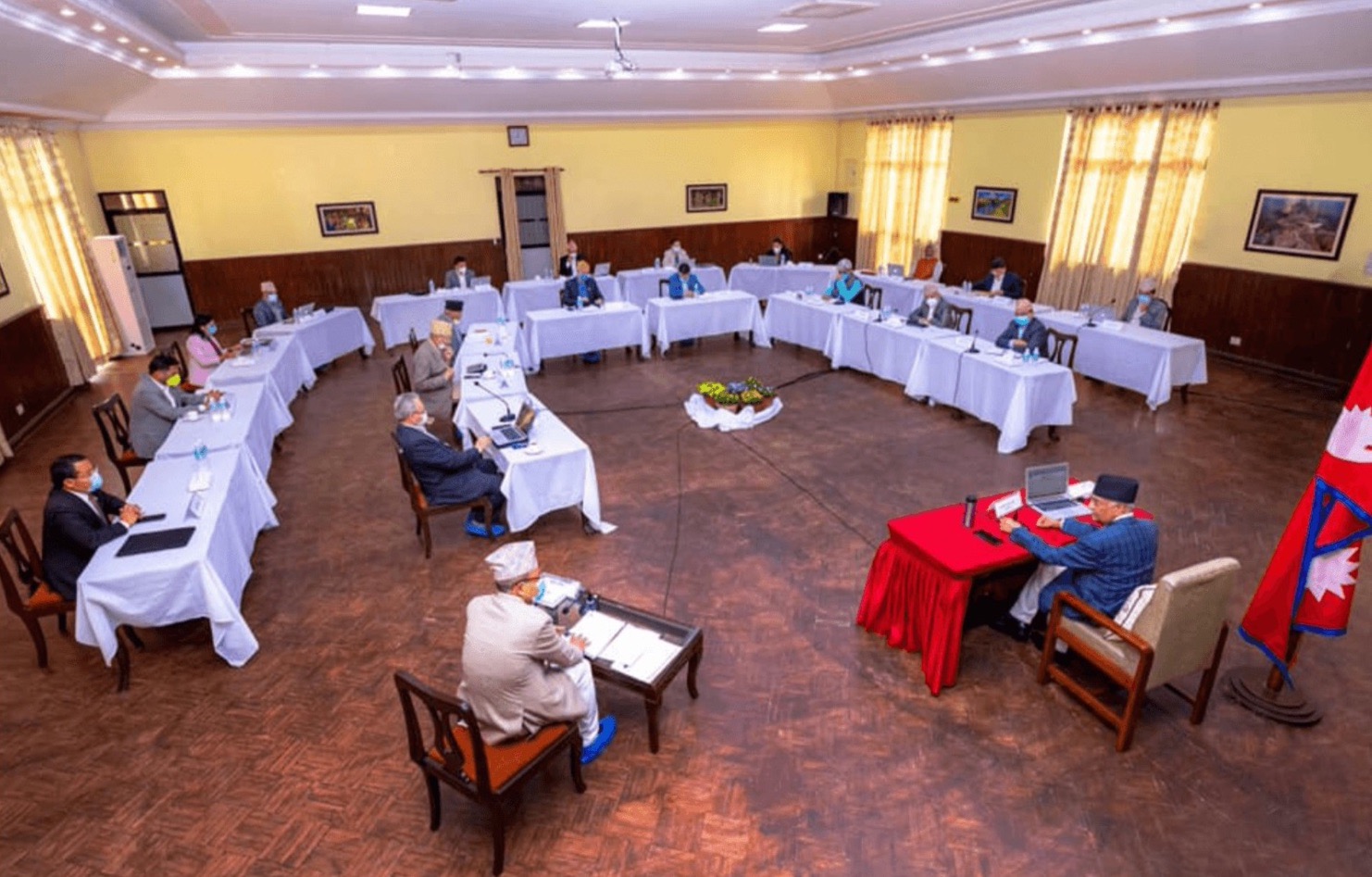
Civil Aviation and Tourism Minister Yogesh Bhattarai was livid, and there was reportedly a heated exchange at a CCMC meeting on 18 August between Bhattarai and Pokhrel. The lack of coordination between the committee and line ministries has gotten so bad that critics have accused the CCMC of running a parallel government – even though the committee itself is made up of the prime minister, health minister, home minister, defence minister, supplies minister and the Nepal Army.
Nepal grapples with bringing workers home, Upasana Khadka
Critics say the CCMC is actually a government within the government that makes ad hoc decisions without consultations with public health and other experts. There have also been questions about transparency even since the committee in its previous avatar in April ordered the wrong test kits at inflated prices from middlemen alleged to be political cronies.
As Defence Minister, Pokhrel then ordered the Nepal Army to manage the transport of arriving returnees from Kathmandu airport to holding centres and to their districts.
He also got the Army involved in procurement of test kits and medical equipment from China, but forced it to go through the same tainted middlemen. At a meeting last month, Army Chief Purna Chandra Thapa testily accused Pokhrel of tarnishing the military’s image by blaming it for delays.
The CCMC has also been accused of bungling on enforcing and lifting lockdowns, not giving clear guidelines about what is allowed and what is not, issuing contradictory protocols for arriving air passengers, and not doing enough to control the movement of people from India.
On the other hand, line ministries have gotten used to passing the buck to the CCMC on everything from permissions for international charters, the reopening of domestic flights, allowing long-distance buses, issuing no-objection letters for students going abroad, allowing private PCR tests, or making private hospitals treat Covid-19 patients. The Ministry of Health, which should be making the critical decisions on control measures, has been sidelined.