
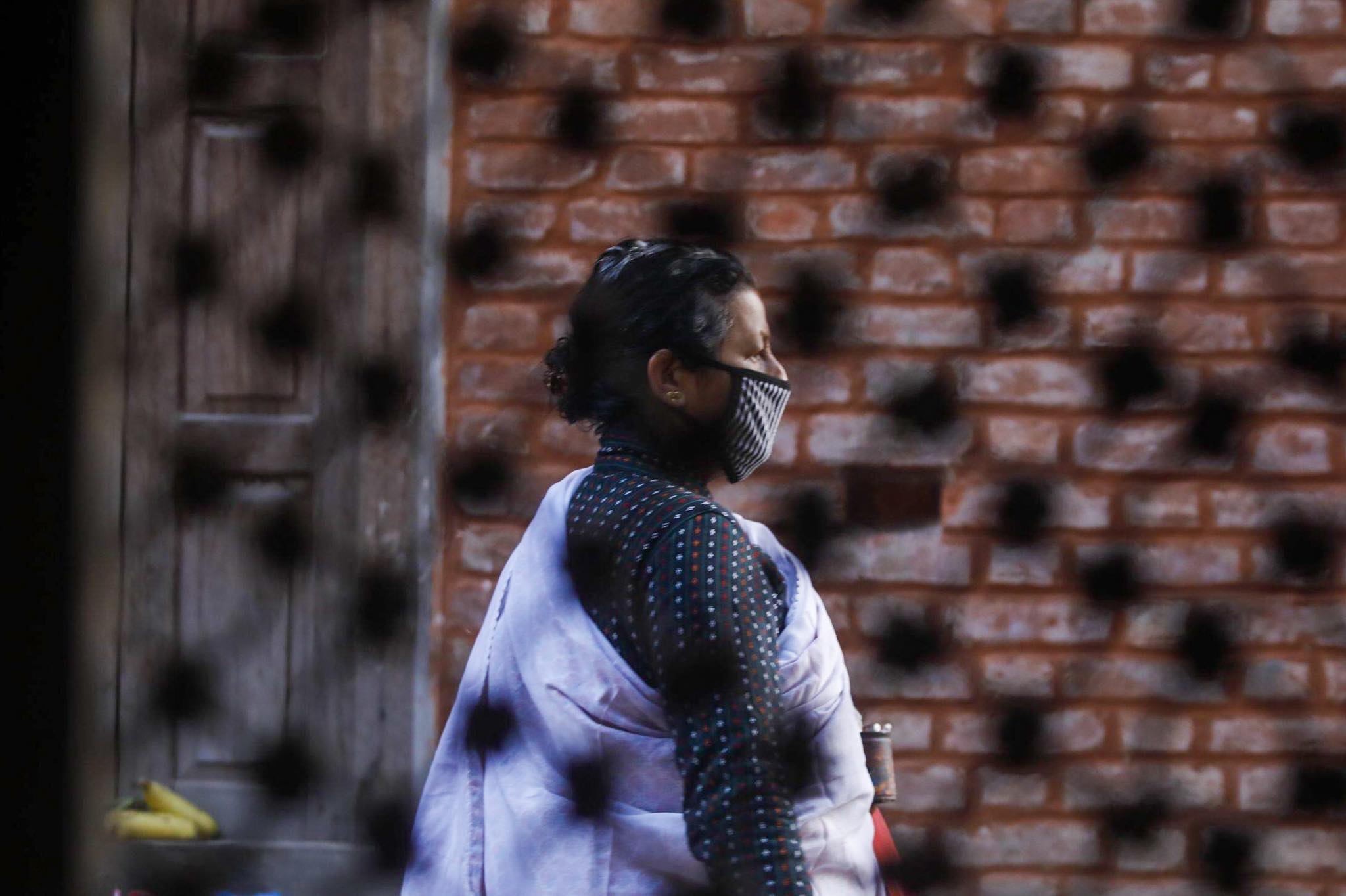
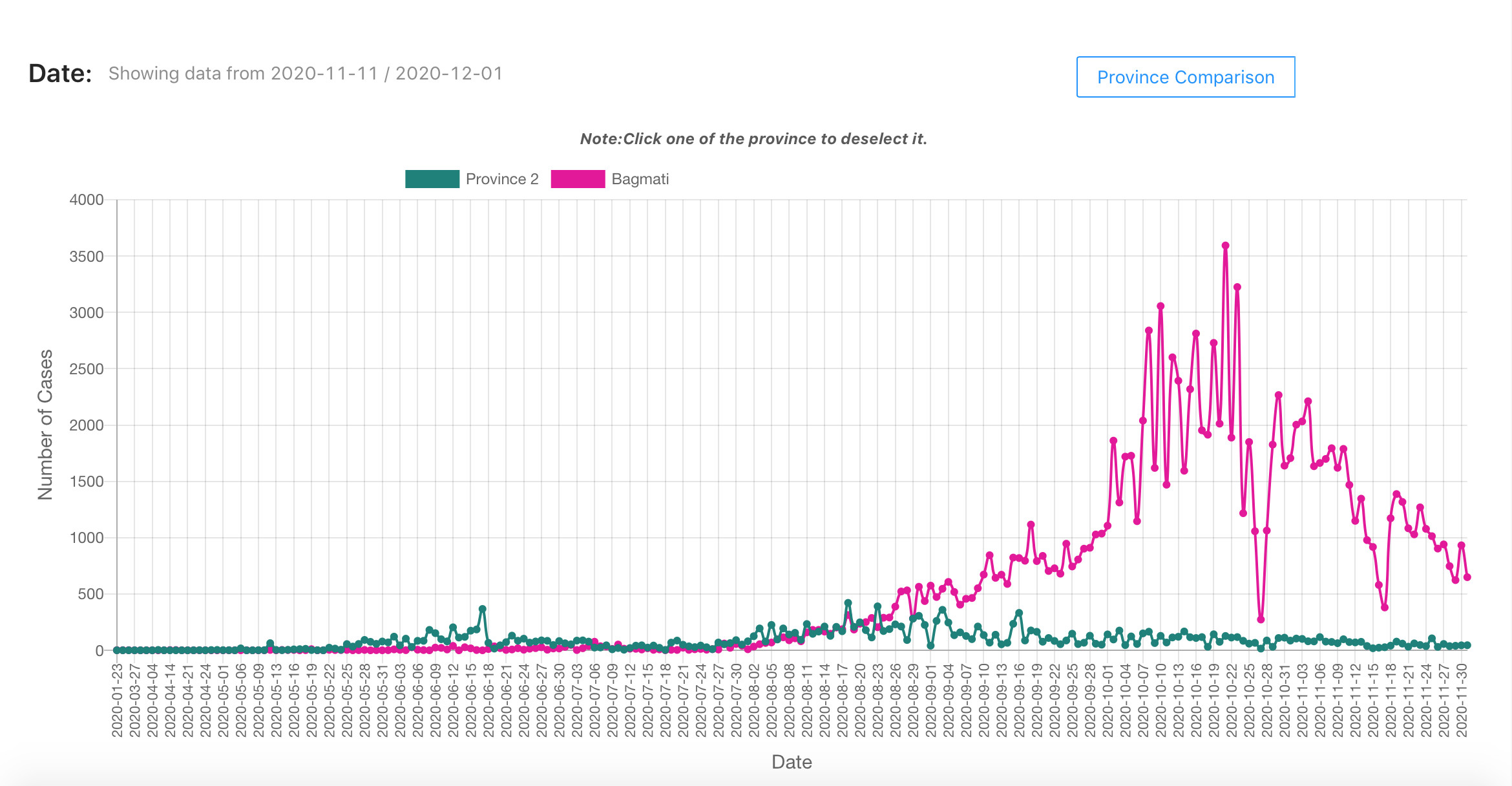
Going by the Ministry of Health figures, Nepal’s Covid-19 pandemic has peaked, and the number of daily cases, the positivity rate and the number of active cases are all going down.
The recovery rate now exceeds 90%.
Is Nepal turning the corner on the pandemic? Experts say no.
The number of fatalities is at an all-time high. There were 29 deaths reported each on Monday and Tuesday, taking the total to 1,538. And the reason the daily case rate is lower is because the government is conducting fewer tests, there is virtually no official contact tracing, and active cases are at home and going to hospital only when they are really serious. These are ideal conditions for community spread.
“The fact that the fatalities are increasing, especially in Kathmandu, won’t allow us to say that fewer people are getting infected. This coronavirus isn’t going anywhere just yet,” explains Sher Bahadur Pun of the Ministry of Health. “Yes, the positivity rate has gone down, but the government has also more or less stopped contact tracing.”
Since the government started charging for RT PCR tests and hospital admissions, patients and their families are reluctant to have tests despite symptoms, and do not want to go to hospital. The rates have remained high because those infected during Dasain-Tihar are developing symptoms. The current marriage season is another super-spreader event.
There are 77 hospitals and labs across the country conducting an average of 9,000 PCR tests a day, which went down from a daily total of 15,000 after the government directive to charge Rs2,000 for PCR tests in public facilities.
The positivity rate went down, which is a good thing – but it happened for the wrong reason. In October a quarter of people tested came out positive, it is now down to 15% despite the onset of the winter season.
“The risk cannot be underestimated based on numbers of infected people by reducing tests itself at a time when increasingly more people are getting sick or dying of coronavirus,” says infectious diseases specialist Pravat Adhikari. “This argument would be valid only if the infection rate goes down despite an increase in total tests. However, very few tests are being conducted at the moment.”
In fact, such hidden positives lead to more unidentified Covid-19 deaths, adding to the risk. It is reckless of the government to still not launch low-cost PCR tests with quick results, adds Adhikari.
The problem is further exacerbated by unmanaged home isolation, and quarantine cases. According to the Ministry of Health, 10,741 people across seven provinces are self-isolating at home, often without much resources or knowledge on how to manage their condition.
Ideally, asymptomatic or mildly symptomatic people self-isolating at homes should have a separate room and a bathroom. Patients should confine themselves in their rooms, wash their own utensils, wear masks while going to the toilet and sanitise it after use and wipe touch points with disinfectant.
Individuals need to keep track of their temperature and symptoms, measure oxygen saturation level if possible, take paracetamol for body ache and fever and make sure to eat nutritious food. One must be aware of danger signs: oxygen level below 93, chest pain, difficulty in breathing and blue tint to lips and limbs.