
The climate crisis is a water crisis – either too much of it, or too little. Droughts have dried up springs, and when it does rain, it comes down to unleash deadly flash floods.
If there was an effective farm irrigation network, reliable and safe drinking water in every village, Nepalis would find it much easier to cope with the impact of the climate emergency. Historical state failure has provided neither, and blaming climate change now is just a convenient excuse to cover up for past neglect.
There have always been droughts in Nepal. For millennia, Himalayan rivers have unleashed catastrophic floods. The climate crisis has just made them worse, as poorly designed infrastructure and settlements lead to more destructive disasters.
Melting icecaps get all the media attention as the world deals with climate change, but it is the state of our streams, rivers, and ground water that affect more people immediately.
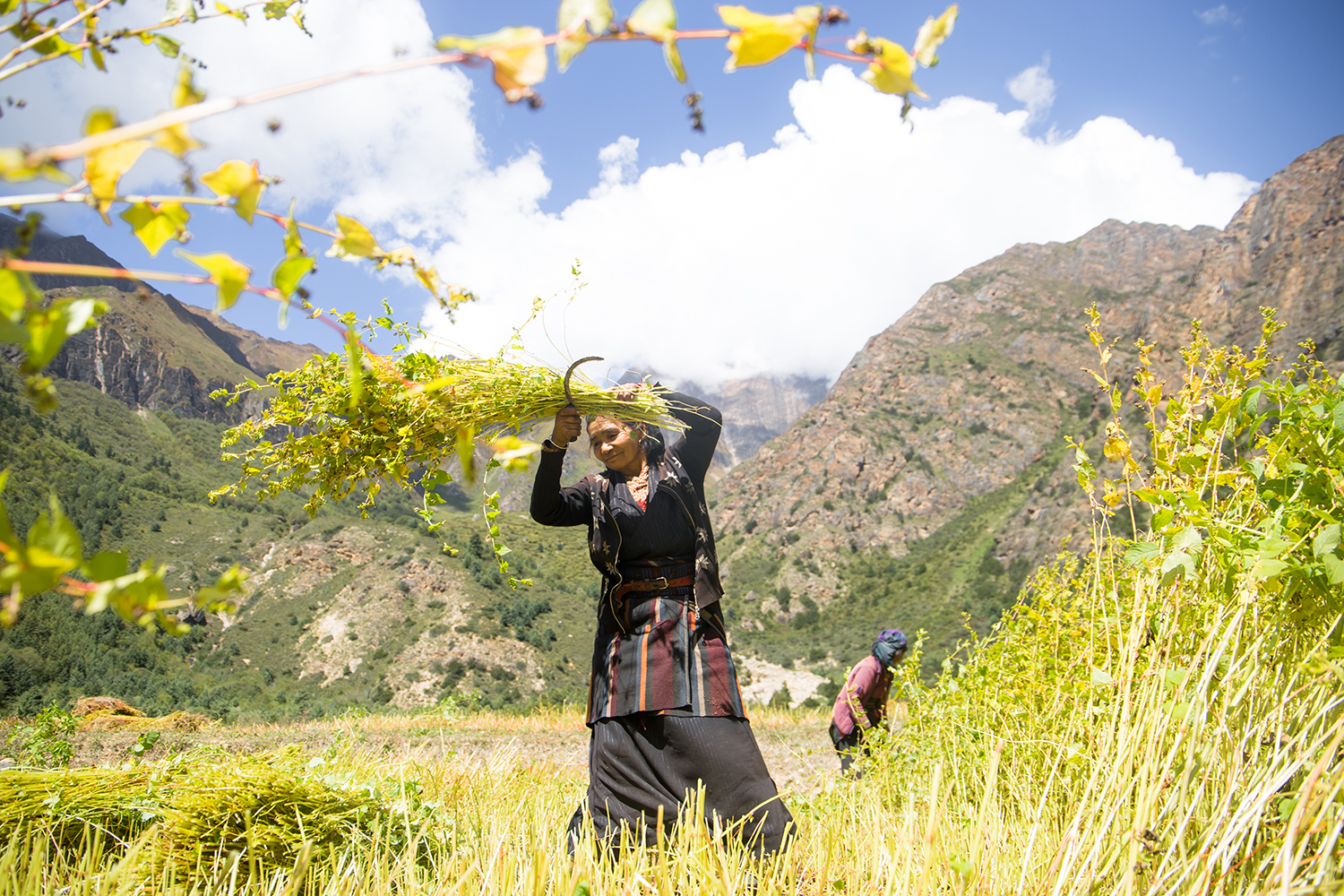
With outmigration of men from rural areas, it is mostly women who are left to farm, raise livestock, fetch water, and care for the household. Even before the climate crisis hit, the work of Nepali women was demanding and undervalued. Global warming has just made their drudgery much worse.
Climate change is a disaster in the Nepal Himalaya, Sonam Choekyi Lama
In Kavre district, women who had to walk a few minutes to fetch water now have to make one hour roundtrips because springs have dried up. With the men-folk gone, women like Namdak Sangmo in our special report from Dolpo struggle to survive after their farms were swept away by a glacial flood.
You do not need to be a gender activist to see how women bear a disproportionate burden from the climate crisis. Across the Himalayan foothills, farm terraces lie dry and fallow. Women are not just heading households now, they also have to make decisions about planting, irrigation, harvesting, grazing, foraging, cooking, and taking care of children.
While remittance money has helped raise the standard of living, extreme events like the deadly floods and landslides this monsoon season add to the misery. Three-fourths of Nepal’s farmers are dependent on rain-fed agriculture, and the combined impact of weather extremes and the pandemic have added to food insecurity.
Increased work for women in the household means many daughters drop out of school to help with household chores. Most of these problems predate climate change, but global warming has added to the challenges women face every day.