As with all spheres of national life that make up our social and cultural fabric, Nepal’s film industry has also been hit hard. Cinemas are closed, shooting has stopped, and there is even less investment in new movies.
As with the global film industry, Nepali producers are also disseminating directly through YouTube and other streaming platforms. Film festivals are being held online.
The Kathmandu International Mountain Film Festival (KIMFF) took place virtually from 10-14 December and had 300 entries this year, out of which 12 films were chosen for the Nepal Panorama and 18 for the international competition.
“Because we went virtual, many people outside Nepal were able to see the films, and the number of entries was surprisingly high even given the times we’re in,” KIMFF director Ramyata Limbu told Nepali Times.
“If you can’t get people to the hall in terms of logistics and time, doing festivals online in this multimedia era would make it more accessible for people who don’t have the time or inclination to make it to the theatres,” says Limbu. “The more accessible we can make it, the more people will take the time to view independent films.
A selection of notable films from 2020:
The Cremator
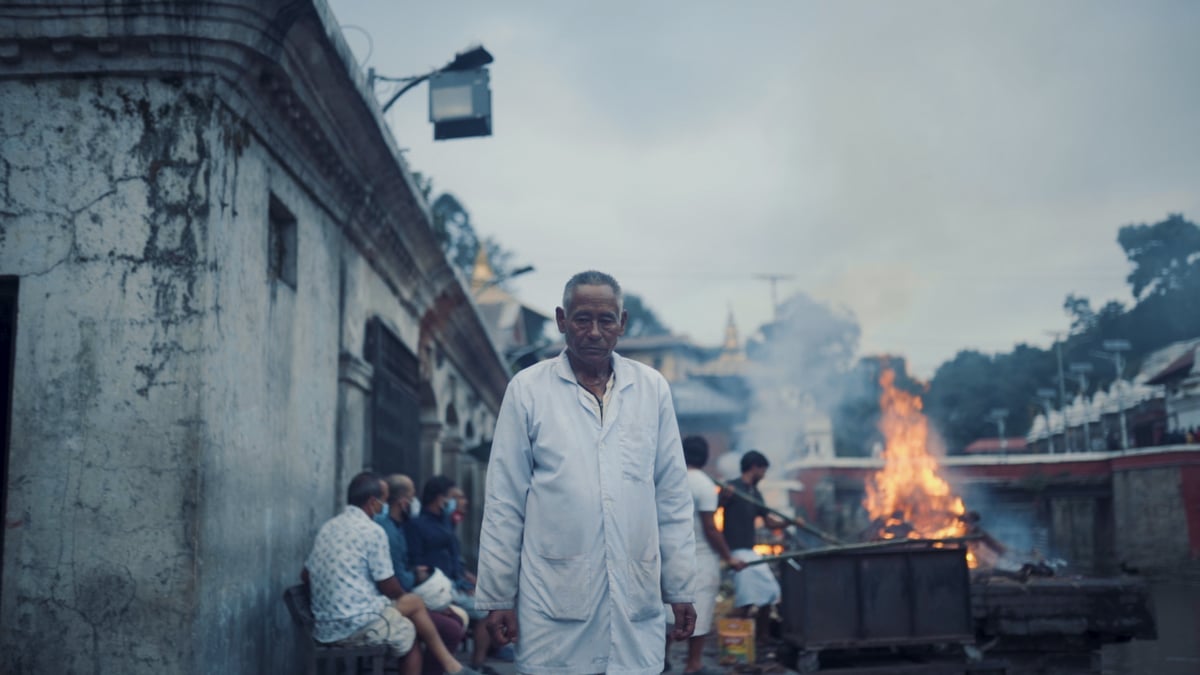
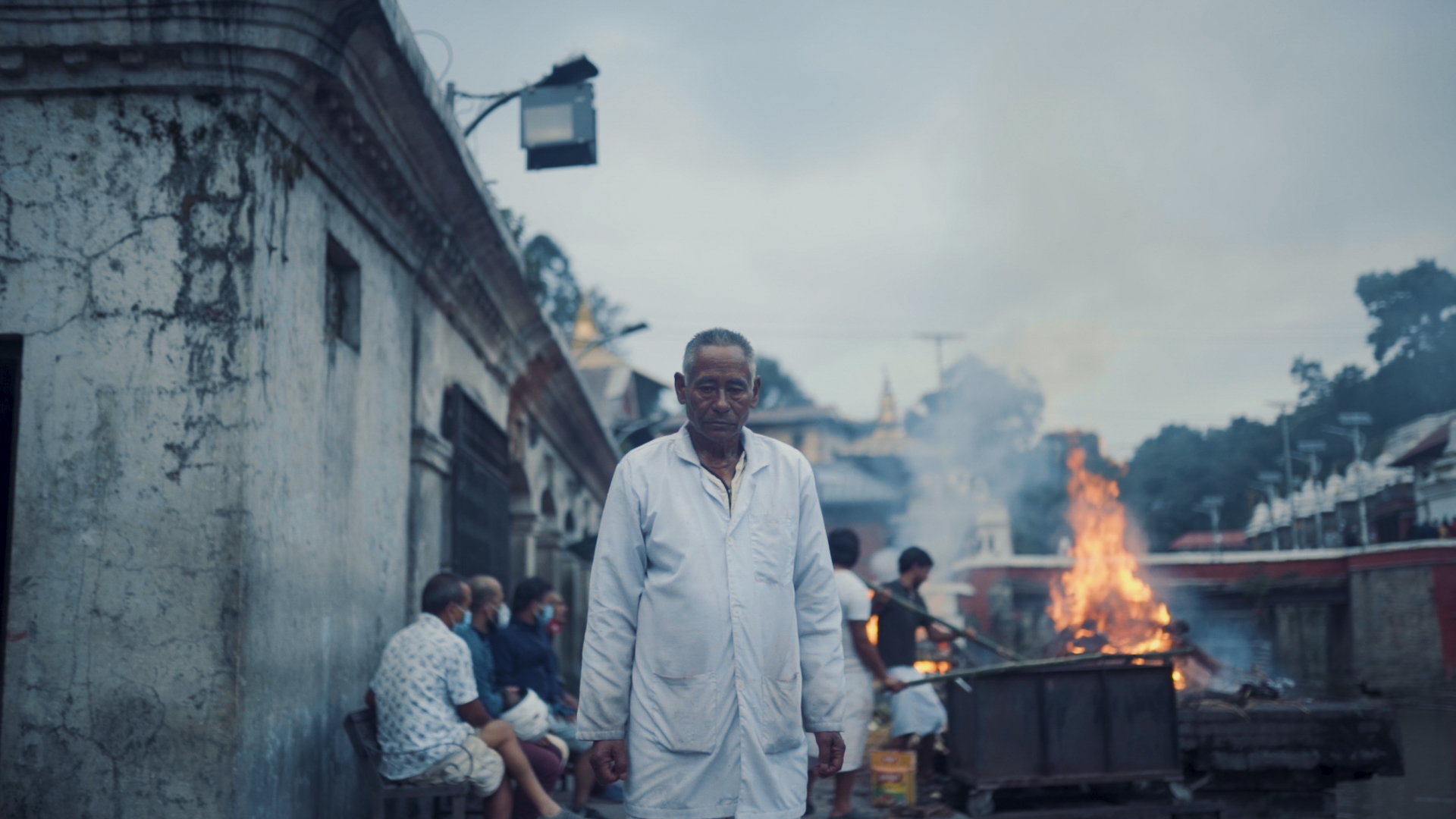
Nishon Shakya’s, documentary which premiered at KIMFF, follows elderly cremator Gyan Bahadur, who is nearing the end of his professional life at the Bhasmeshwar ghat at Pashupati. Gyan Bahadur’s narration of his life is accompanied by powerful visuals of cremations at Pashupati. Caution: Viewer Discretion Advised. Shakya is uncompromising in his visuals of the dead, in a way a macabre reminder of the times we live in.
Gyan Bahadur cremates the dead, a cigarette held tight between his lips, discusses politics, offers medical advice, and tells the story of his life. Having himself lost two of his sons in their childhood, Gyan Bahadur says he makes money off other people’s losses. At times, he is scathing about the living, who like to send off their dead with style but have no words of kindness to the people who help them pass on. Surrounded by mortality, he speaks matter-of-factly about his own death, accepting that he will eventually find his way back to Pashupati and move on from this world the same way he helped countless others.

Day 33
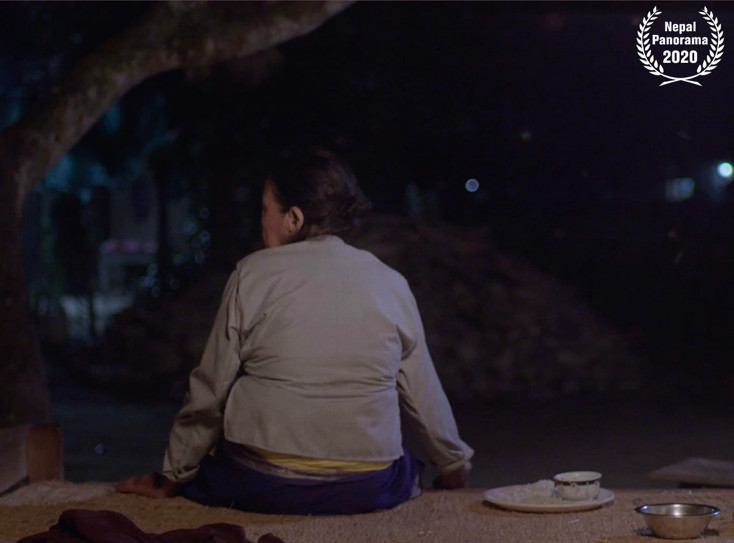
Filmed in the throes of the Covid-19 lockdown, LSM’s (Sailesh RC)
captures a young man’s increasing agitation as he searches for food in his room on the 33rd day of the shutdown. In the barely furnished space, surrounded by empty food containers and an empty wallet, he doesn’t find any. And so, he must settle for anything that he can find within the space that he can move in.The brevity of the film works in its favour — there are no unnecessary drawn-out scenes that attempt to force more meaning or gravitas to the story. There are no dialogues, no angry soliloquies, not one word from the protagonist. The film doesn’t need them. There is just weariness and resignation.
Come Over for a Drink, Kanchhi
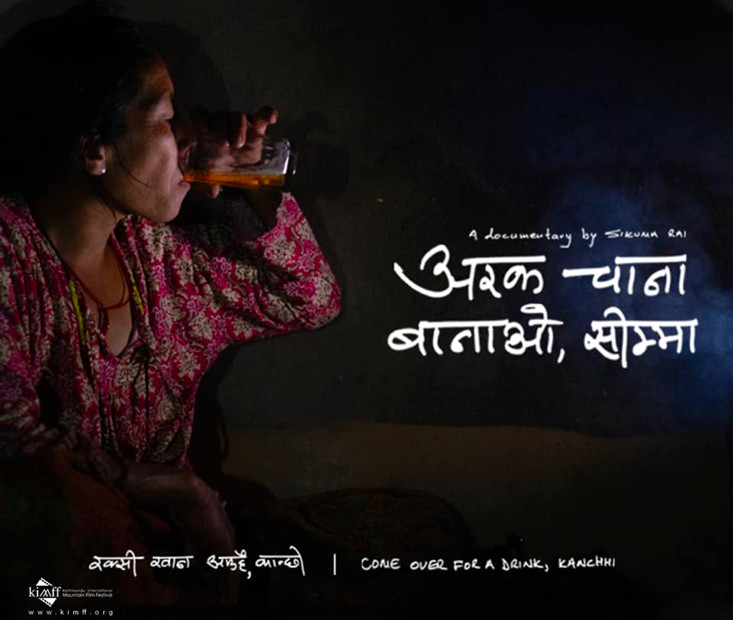
Sikuma Rai’s documentary played at the Pame Film Festival, NHRIFF, and KIMFF. Come over for a drink, Kanchhi is a deeply personal narrative of the Rai women of Bhojpur for whom alcohol is woven into the fabric of their daily lives. The women sing and smile and drink in groups throughout the film, even as they hold immense sadness within themselves. Weathered by the loss of children and loved ones to disease and suicide, they make and drink alcohol to deal with grief and trauma. Because alcohol is as much a part of ceremony and celebration as much as melancholy, the women are not apologetic about drinking.
“There is a big hole in my heart,” says one of the women, who all suffer from depression. In a country where mental health is stigmatised, the film shines a light on how people deal with depression in rural areas.
The Snow Leopards Calling
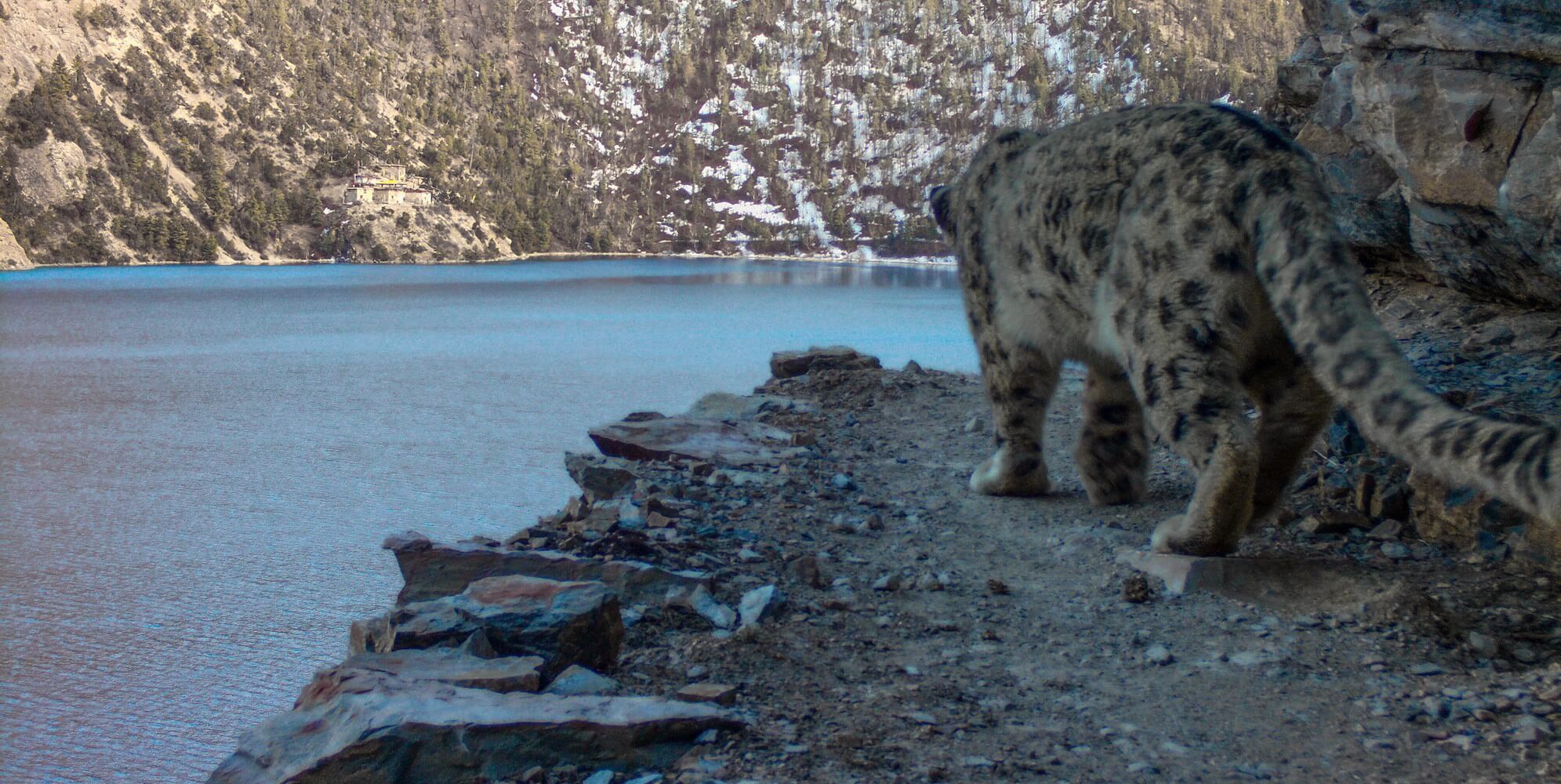
Tshiring Lhamu Lama was inspired to work for the conservation of snow leopards when she saw how the endangered Himalayan cats were tortured and poisoned by locals in Dolpo in retaliation for killing their livestock. Sonam Choekyi Lama’s award-winning short documentary is the story of her sister Tshring’s drive and determination to save and protect a part of her world through snow leopard conservation. Tshiring treks across the freezing, harsh but stunning winter landscape of Phoksundo to capture the movement of Snow Leopards, recognising the importance of the footage for conservation as well as much-needed tourism in the area.