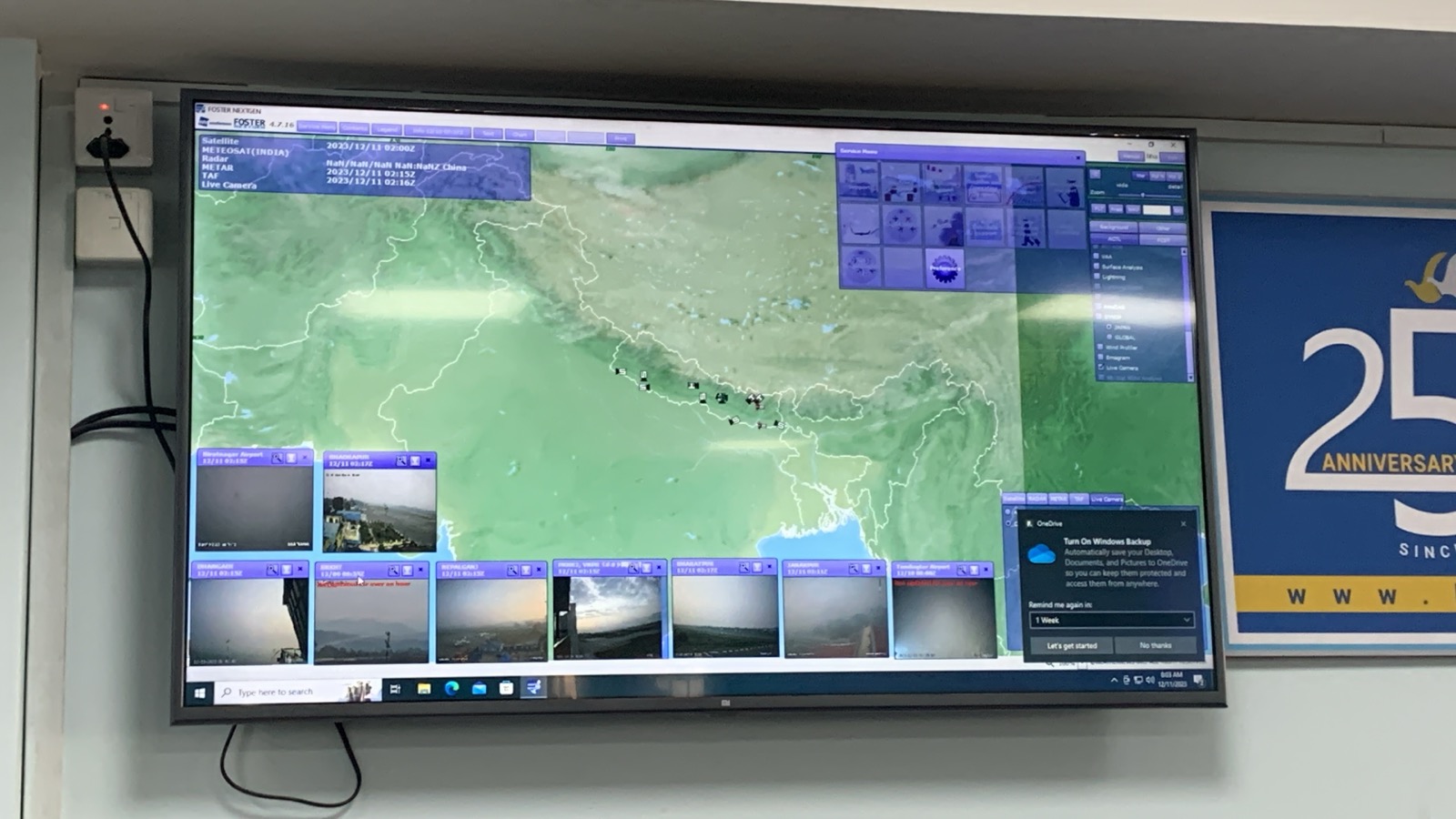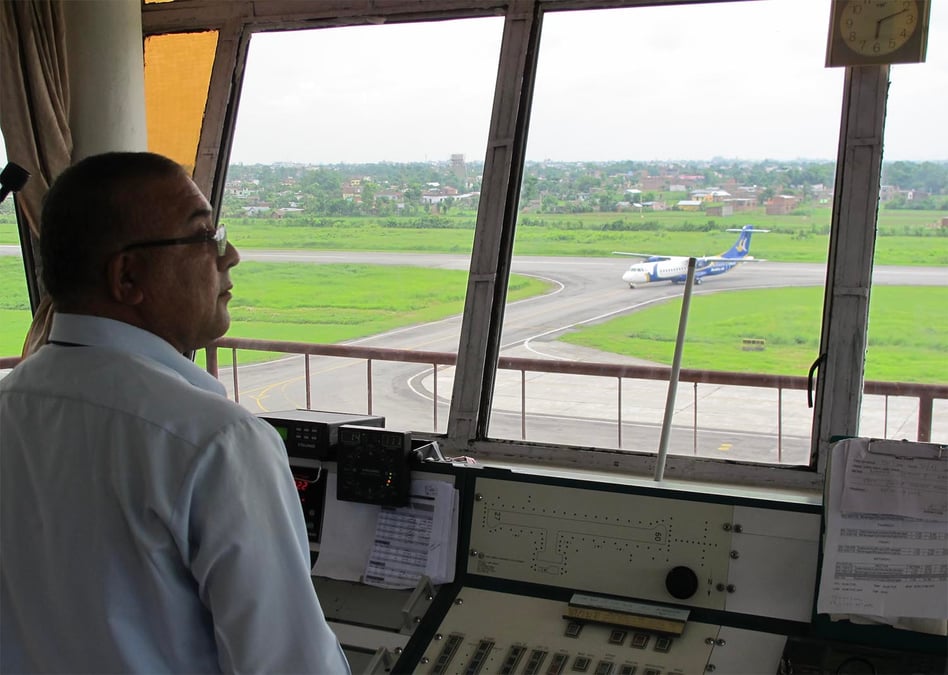
Last week, Nepal’s digital media highlighted the news that a Buddha Air flight from Kathmandu to Nepalganj ended up landing in Dhangadi.
Many readers did a double-take because they were misled by a sensational title which suggested that somehow the crew had got the destination wrong. Not that such mistakes have not happened in the past, but this was a simple diversion due to poor visibility at Nepalganj.
Many Nepali media outlets lack aviation literacy, mistaking aircraft models, getting technical details wrong, or using incorrect aviation terminology, for example calling a normal ‘go around’ procedure an ‘overshoot’ which is actually a runway excursion by an aircraft.
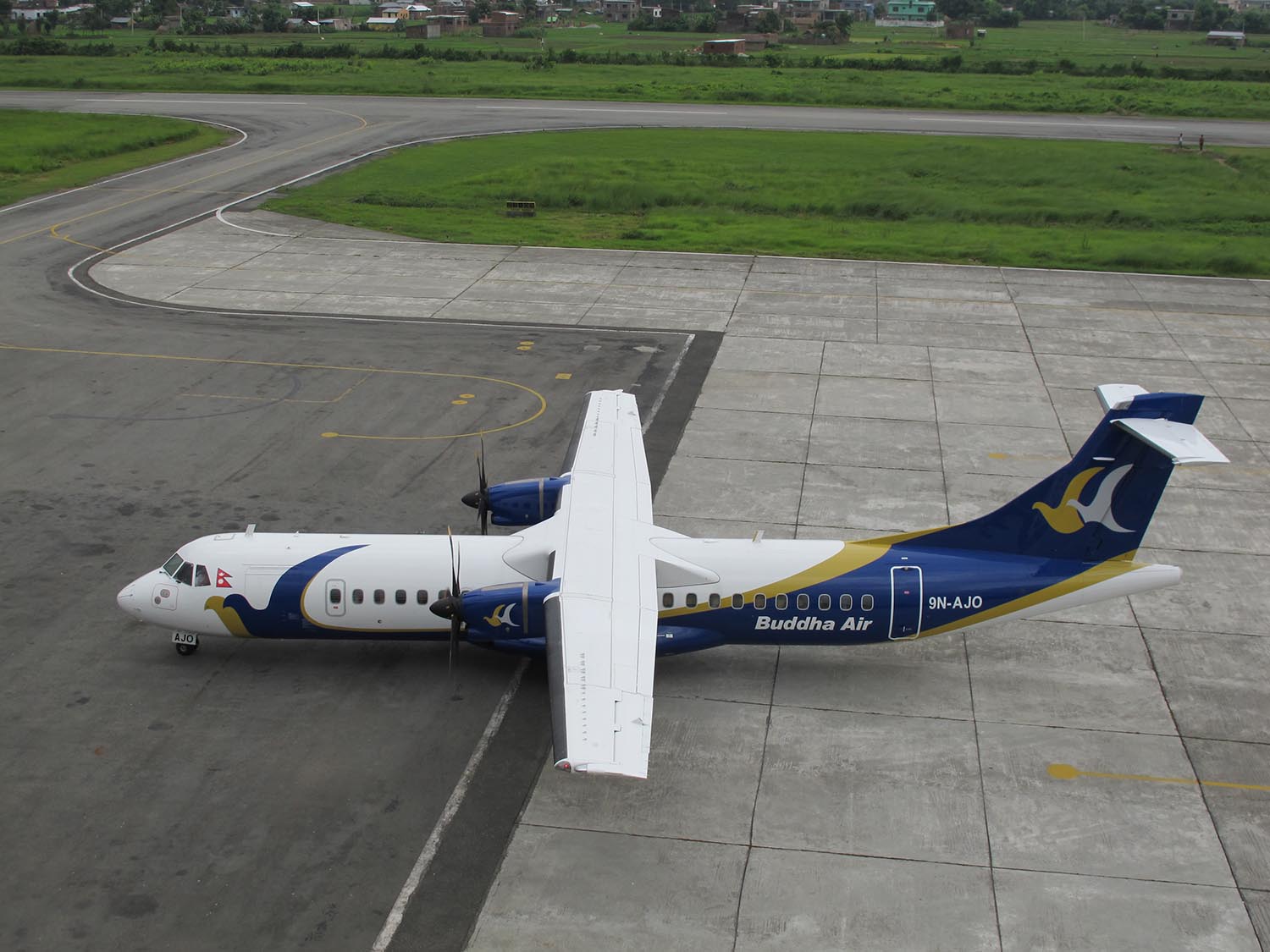
The Kathmandu-Nepalganj flight U4451 was operated by one of Buddha’s ATR-72s and was approaching Nepalganj after a 40 minute flight from Kathmandu when the runway visibility dropped to below minima. The flight crew then decided to land at the alternate airport, Dhangadi which had better visibility and was only 20 minutes away.
A Shree Airlines CRJ700 from Kathmandu to Nepalganj also diverted to Dhangadi for the same reason. Both aircraft returned and landed in Nepalganj after the visibility improved there after a few hours.
As winter sets in, flights are sometimes cancelled due to poor visibility, but more common are delays due weather conditions. This also leads to traffic congestion at Kathmandu airport, as domestic and international flights have to make instrument approaches, thus leading to mounting delays in arrivals and departures throughout the day.
Read also: Onset of winter leads to flight delays, Nepali Times
In winter, visibility below minimum at airports is caused by temperature inversion that traps polluted air at ground level. Inversion is especially pronounced in the mornings in Kathmandu, Pokhara and Tarai airports. In fact, at the peak of winter, the entire Indo-Gangetic plains including the Tarai is blanketed by thick fog that does not lift for days.