
Himal Khabarpatrika, 20-26 July
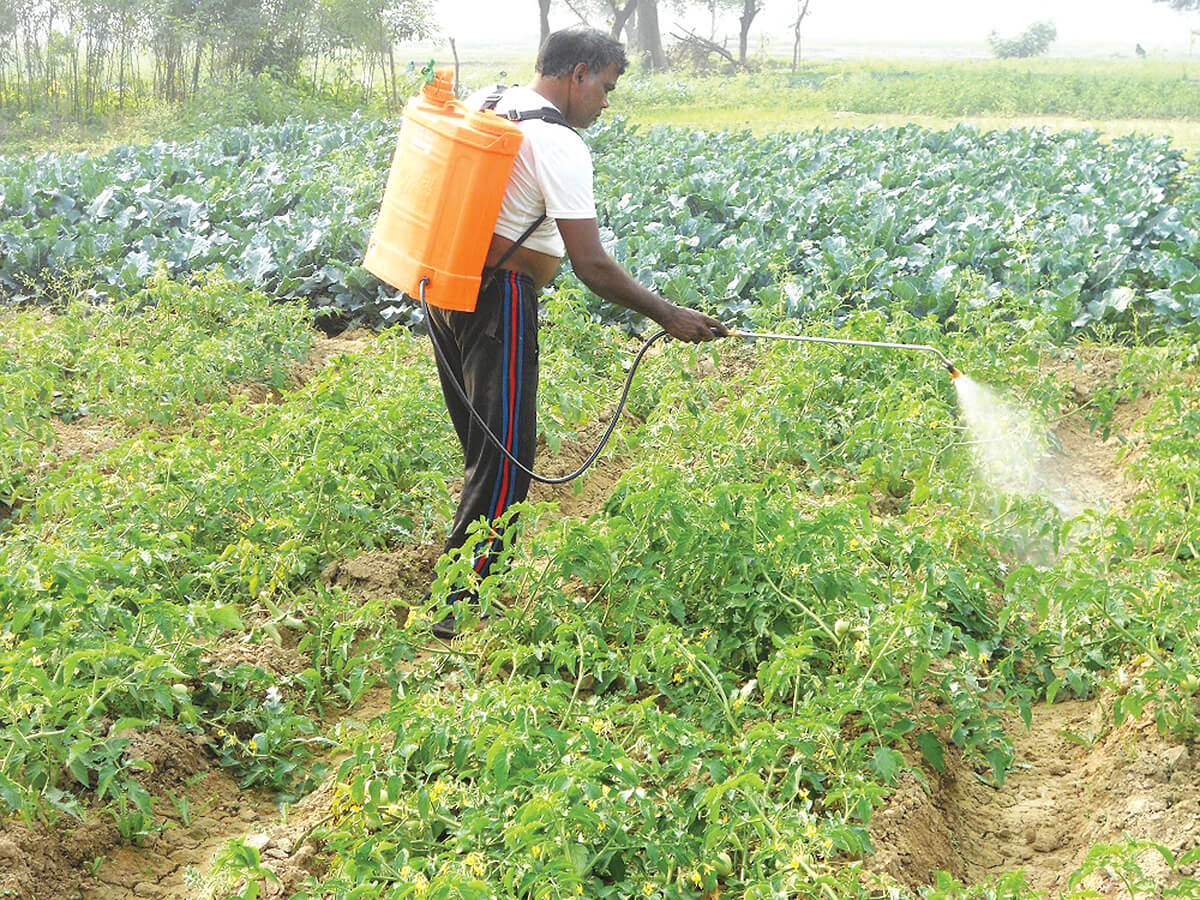
At a time when pesticides found in vegetables imported from India are causing a ruckus in Nepal, several recent reports have revealed that Nepali vegetables are also heavily laced with pesticide residue.
One survey by Wageningen University in The Netherlands, with the NGOs Phase Nepal and Progressive Sustainable Developers Nepal, found that pesticides were used excessively in vegetables produced in Gaindahawa rural municipality of Rupandehi district.
Conducted in December 2017, the study found toxic residue in 86 samples of tomatoes, chilis, and eggplants. While all of the tomatoes and chilis were contaminated, 93% of eggplants had pesticide residues of 14 different kinds. The concentration was four times higher than the threshold permitted by the European Union (EU) in eggplants, 17 times higher in tomatoes and an incredible 49 times in chilis. The chemicals included organophosphate, organochlorine, triazophos, omethoate, chlorpyrifos, and carbendazim, most of which are banned in Europe.
Read also: Toxic Pseudo-nationalism, Editorial
Govinda Bhandari of Wageningen University said farmers used the anti-fungal carbendazim 23 times on the same crop, which in Europe is allowed to be applied only twice. Triazophos and chlorpyrifos in vegetables damage humans' skin, nervous system, reproductive organs, eyes and kidneys, may cause cancer, and affect the foetus. The two pesticides are banned in Europe and the US, and they have added profenofos, quinalphos and carbendazim to the list.
Nepal banned dichlorvos and triazophos five months ago, but they continue to be used freely. Bibek Acharya of the Oncology Department at Bir Hospital says: “Such chemicals affect our nervous system and can lead to malignancy.”
Out of 183 households surveyed in Gaindahawa, researchers found that 44.3% used chlorpyrifos on vegetables while 76% used cypermethrin. Excessive use of cypermethrin harms not just human health but also kills useful insects, fish and life.
Read also: Toxic tarkari, Sonia Awale