Rekha Thapa of Dailekh, in far western Nepal had a job in Kathmandu after graduation, but she was not able to join. Not because it would mean distance from her family, but because of respiratory problems caused by severe air pollution in the capital.
“I have asthma,” says Thapa. “Dailekh may not have modern health facilities, but at least the air there is fresh.”
Ram Bahadur Shahi, 65, is also an asthma patient, and can breathe without problems in his home village in Kavre. But as soon as he comes to Kathmandu, the dust and the smog make him wheeze and he has difficulty breathing.
We cannot measure the impact of air pollution directly, as we can with blood pressure or glucose level. Nonetheless, it kills as many people as does chronic diseases, if not more. One study showed that in 2019 alone, 42,100 Nepalis died directly due to dirty air, and the average lifespan of a resident of Kathmandu is cut by nearly 4 years.
“Air pollution affects all parts of the human body and even unborn babies. It is carcinogenic and about 43% of asthma deaths are cases that are aggravated by dirty air,” says cardiologist, Bhagwan Koirala.
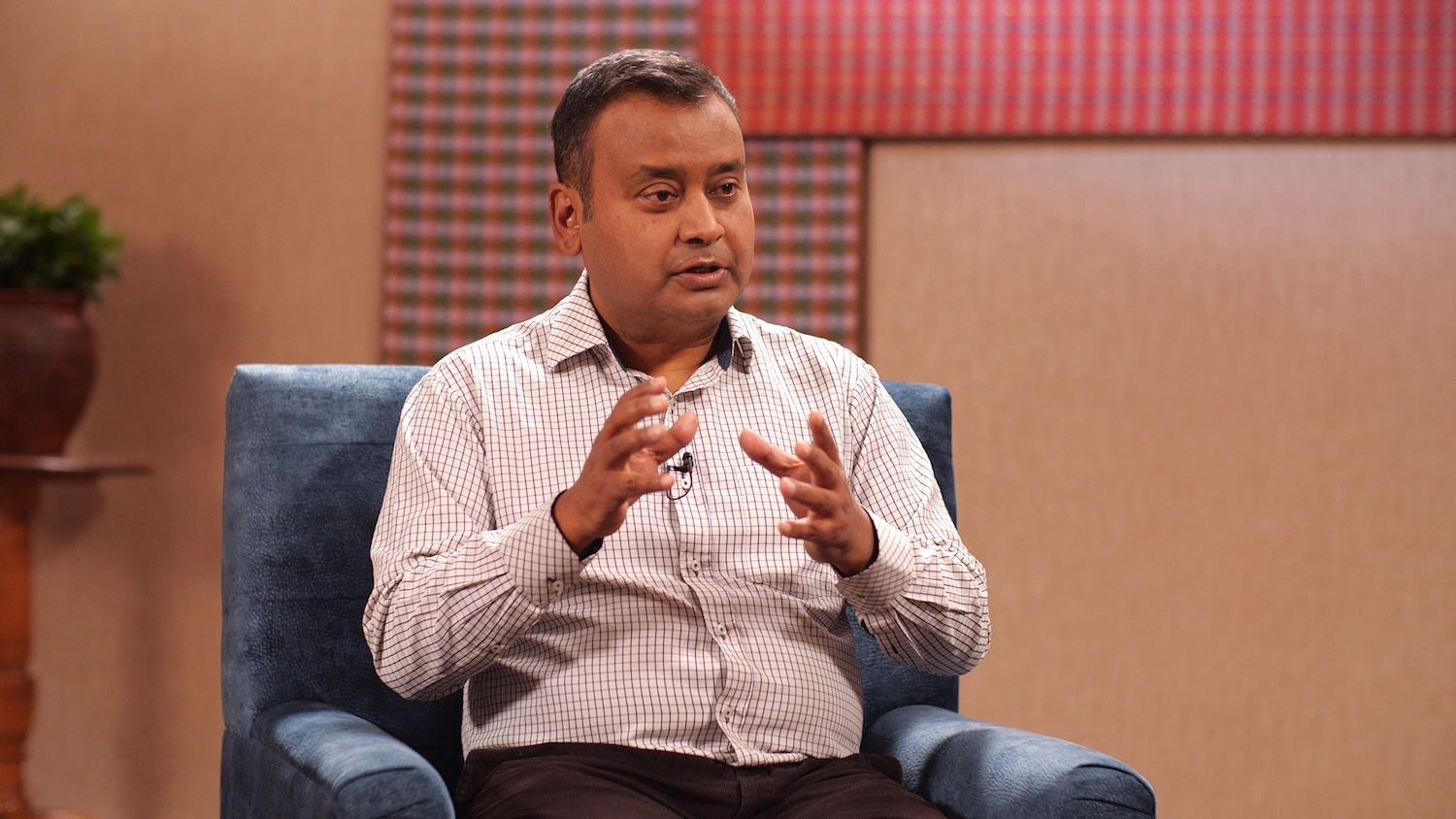
But for something as lethal as that, what is surprising is the lack of public outrage. Clean air activist Bhusan Tuladhar attributes it to the lack of a direct causal link. “When a patient dies of respiratory problems, the hospital’s death certificate does not mention ‘air pollution’ as the cause of death,” Tuladhar said in a Saglo Samaj interview (see below).
Air quality in Kathmandu is now so bad that there are now ‘pollution refugees’ who have decided to emigrate to other parts of the country, if not abroad, for health reasons. “Parents visiting their children in Australia need no medication there but as soon as they return to Kathmandu, they have to be admitted to hospitals,” says pulmonary specialist, Raju Pangeni.
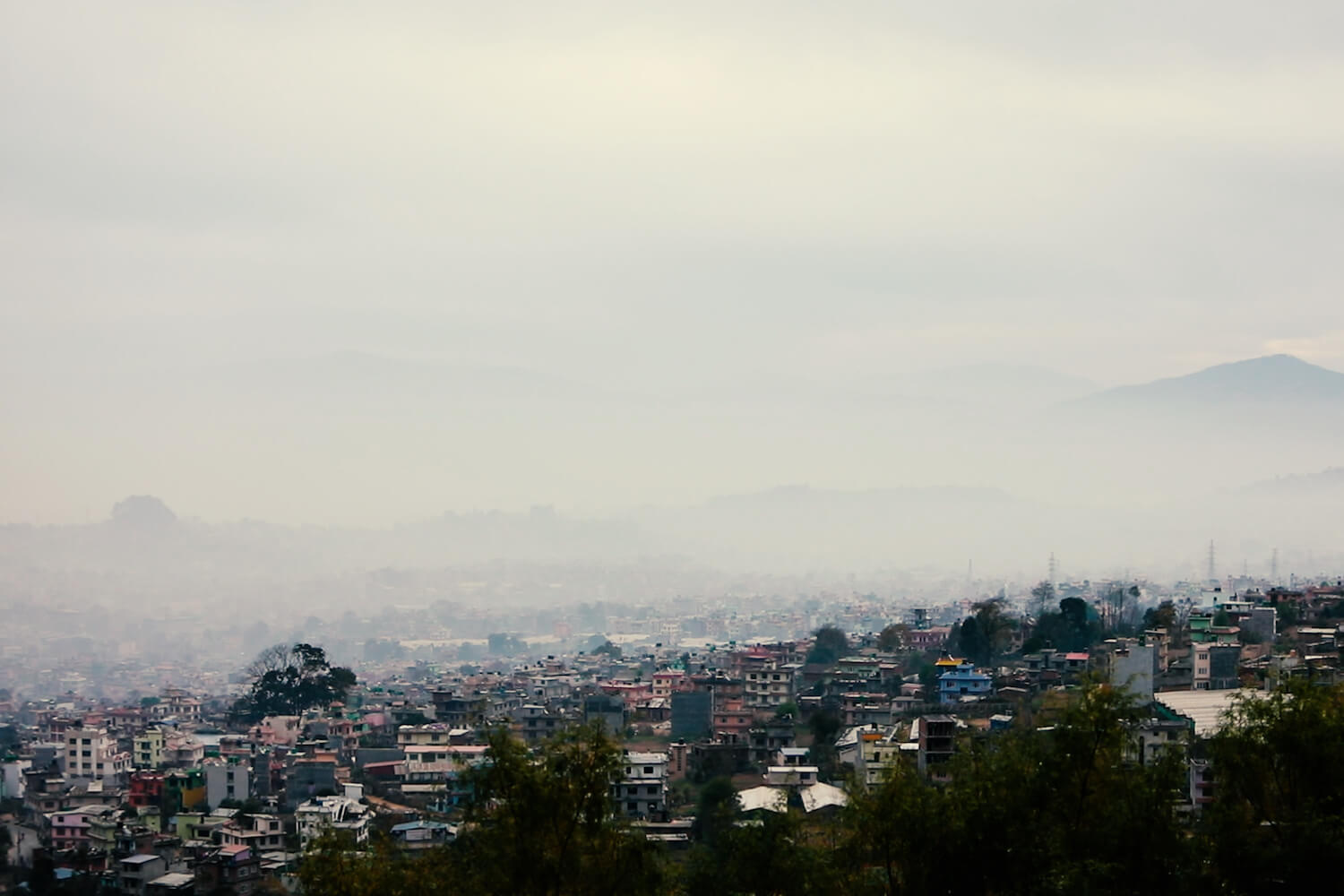
Two weeks ago, the Air quality index (AQI) in the capital hit record high levels. A Nepali Times monitoring team on 6 January morning, recorded AQI at 450 at Bagmati Bridge and above 300 in most parts of the city. And that was on a good day.
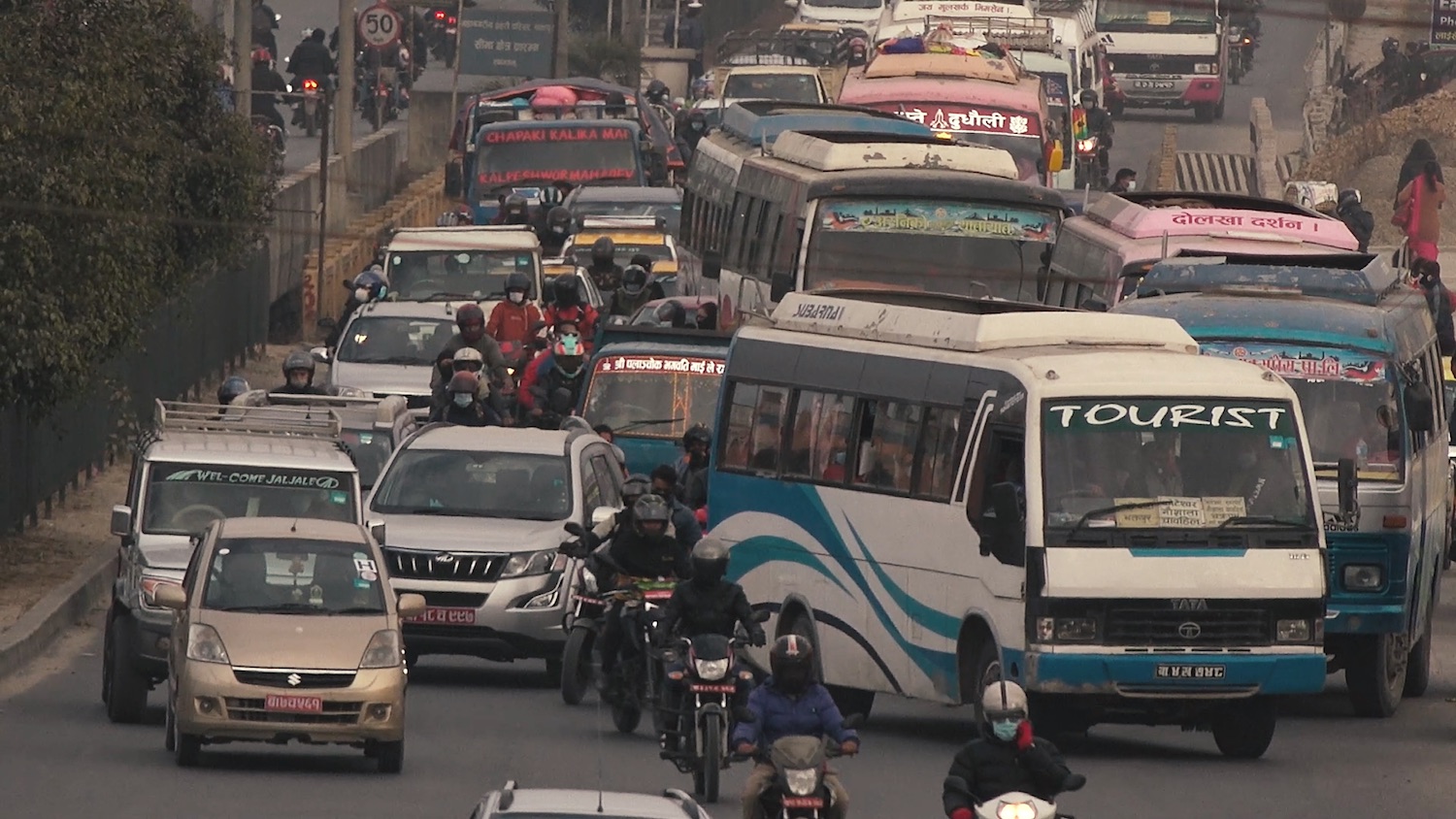
Diesel vehicles are among the worst polluters in Kathmandu, and the number of buses and trucks are increasing exponentially. Ten years ago, Nepal’s annual diesel import from India was only about 500,000 kilolitres. Today, it is nearly 1,500,000 kilolitres. The number of vehicles in Kathmandu Valley is increasing every year by at least 22%.
Green stickers can be bought under the counter, and there are no emission checks on the streets. There is a lack of political will to relocate brick kilns, among the major sources of suspended particulate matter. Municipalities have done little to nothing to control open garbage burning.
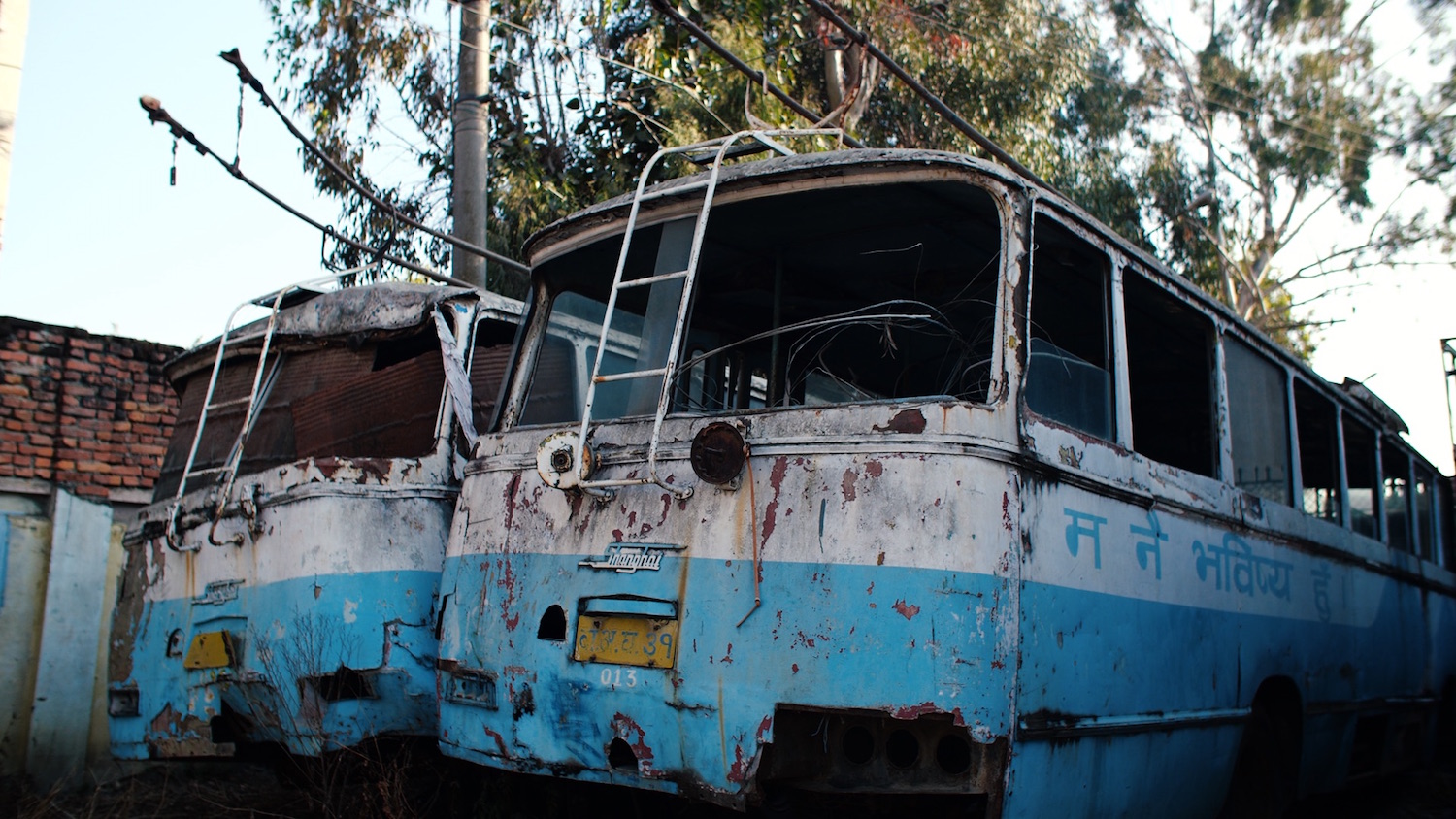
Correct government policy interventions were allowed to lapse. Cargo ropeways to Hetauda used to transport up to 25 tons of cargo a day. The Kathmandu-Bhaktapur trolley bus system was allowed to rot away after serving commuters for over 30 years.
But there were examples of citizen action that forced politicians to reduce air pollution. Battery-operated Safa three-wheelers replaced diesel Vikram tempos, and brick kilns were regulated. But there has been no follow-up to encourage electric public transport, and the kilns are back. And after announcing two years ago that 20% of vehicles in Nepal would be battery-powered by 2020, Prime Minister Oli’s government re-imposed taxes on electric cars last year.