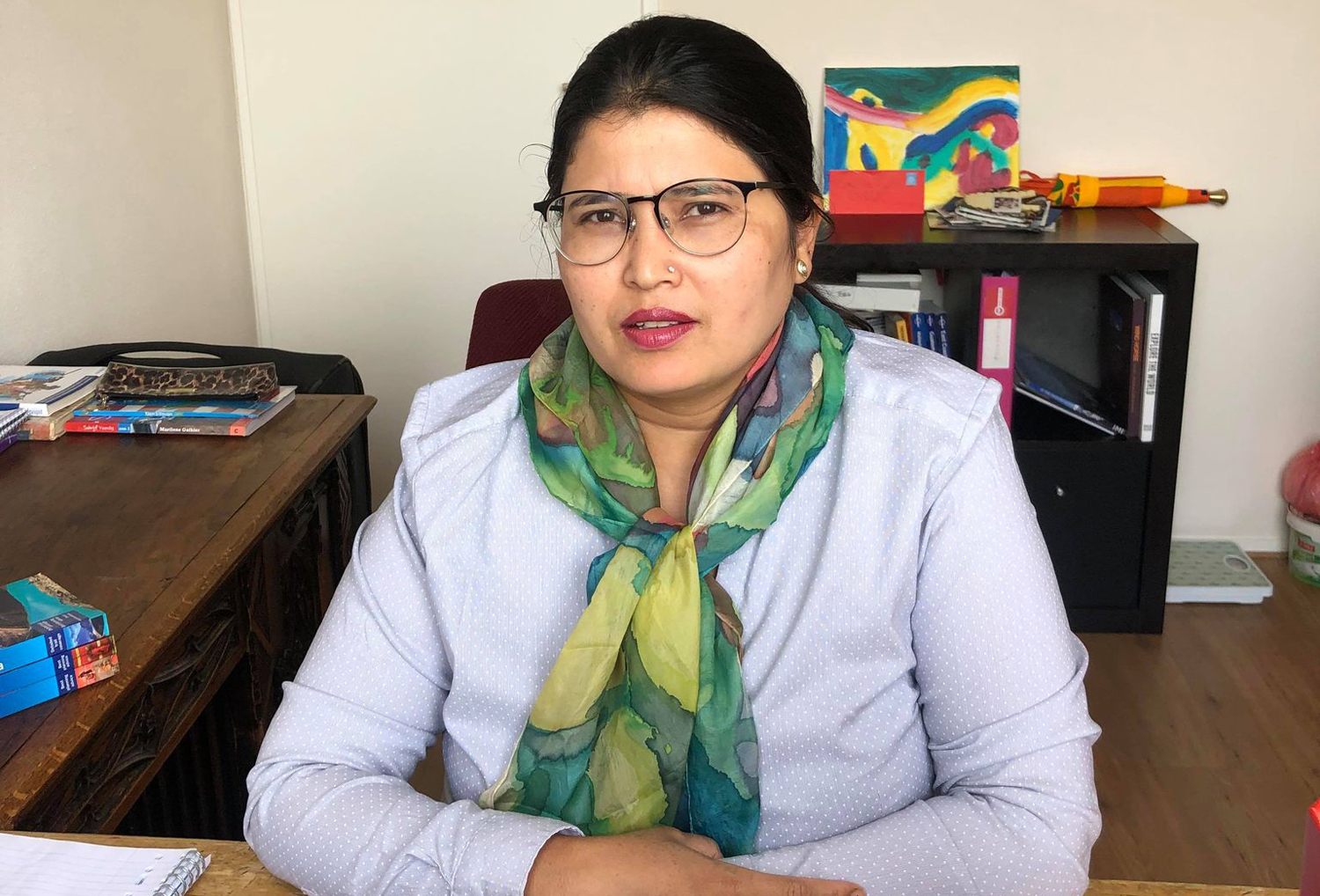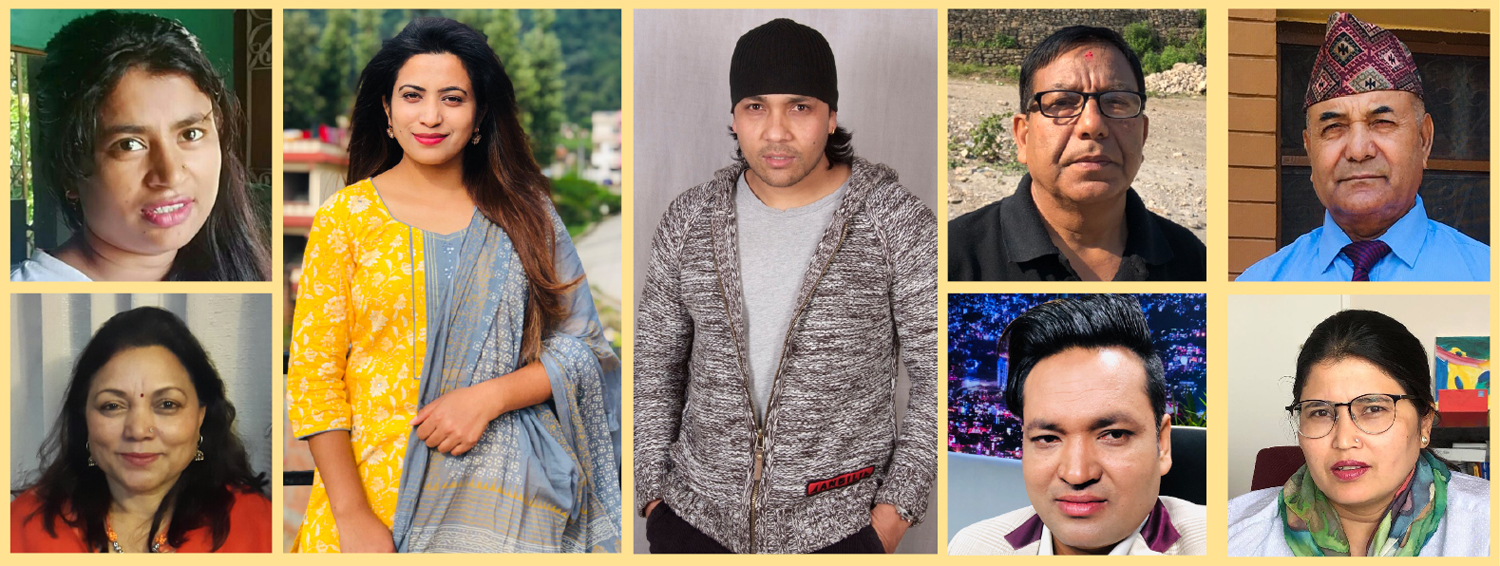
Durga Sob, politician
Durga Sob was born in Doti, and was sent by her family for higher studies in Kathmandu in 1980. She had faced caste discrimination in Nepal’s culturally conservative far-west, and had thought educated and prosperous Kathmandu could be different.
How wrong she was.
In college picnics, at the student dormitory, in the classroom, Sob faced the same ostracisation and taunts of fellow students from the so-called ‘upper’ castes that she used to get in Doti.
She got a job at Action Aid even while at college, and in 1988 she met American rights activist Robin Morgan. They talked a lot about how Nepal’s gender activism was not inclusive, and it left out women perceived to be of a ‘lower’ caste.
Morgan helped Sob set up her own group. Forty years later Sob is still running her Dalit Women’s Organisation which by now has grown to become nationwide. Sob rented a flat in Kathmandu and kept two rooms as her office and two rooms to live in.
Soon, the landlady found out that Sob was a Biswakarma, from the Dalit community. The usually friendly woman became hostile, and gave Sob notice to move out immediately.
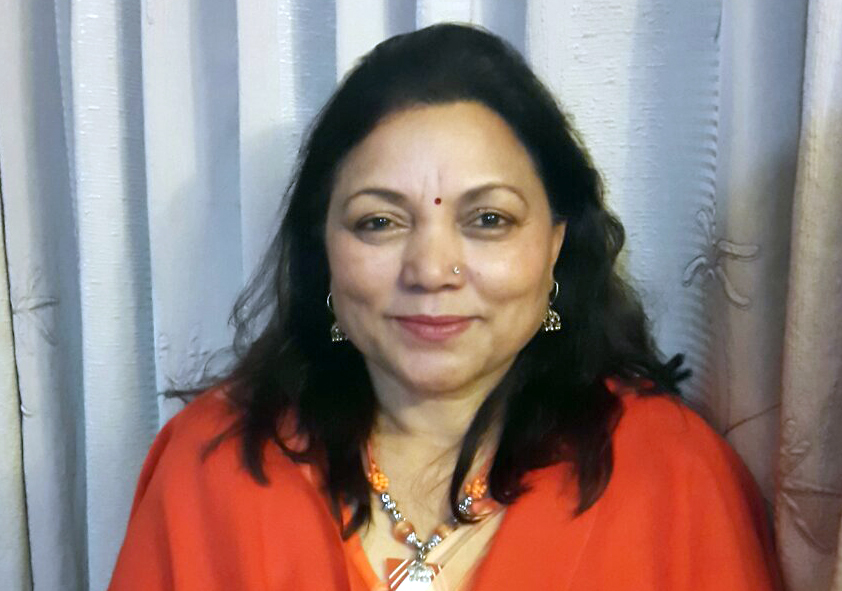
Sob went flat-hunting throughout Kathmandu without hiding her caste, since she did not want to face the same problem again. But that made it even more difficult for her to find an office and residence space to rent.
“I asked many people for help, no one came forward,” Durga Sob recalls. “In the end, I lied about my caste and soon got a flat. But even then, they would find out and harass me by cutting off my water supply or electricity to drive me out. I have had to move so many times in Kathmandu because of my caste.”
In 1995, Sob was invited to attend the Beijing International Women’s Conference with other Nepali women activists. She had to share her hotel room in Beijing with a Nepali, but because she was a Dalit, none of the other conference participants from Nepal agreed to share a room with her.
“That was the worst day of my life, I wept,” Sob remembers. “This was an international conference on women’s rights, the Nepalis were gender activists, and yet this was happening.”
In 2001, Durga Sob was nominated member secretary of the newly established National Dalit Commission. But the discrimination did not stop. She says: “Dalit women have to face double discrimination: first because they are women and second because they are Dalit.”
Sob was convinced that the only way to resolve caste racism is through politics. So, she started becoming politically active, but even in politics she found prejudice against Dalits. First, she joined Baburam Bhattarai’s Naya Shakti Party as a coordinator, hoping that its progressive agenda would help in her struggle.
“I got that position because of my ability, but I started feeling pressure, there was a feeling that a Dalit women should not have a leadership role. I should have been a deputy chair or general secretary, but I was demoted to being a secretary,” she says.
Durga Sob is now a central committee member of the People’s Socialist Party, but she has no illusions about ever rising to a position higher than secretary. She concludes: “When racism is direct and open, we can resist it. But when it is hidden, it is difficult to endure and fight against.”
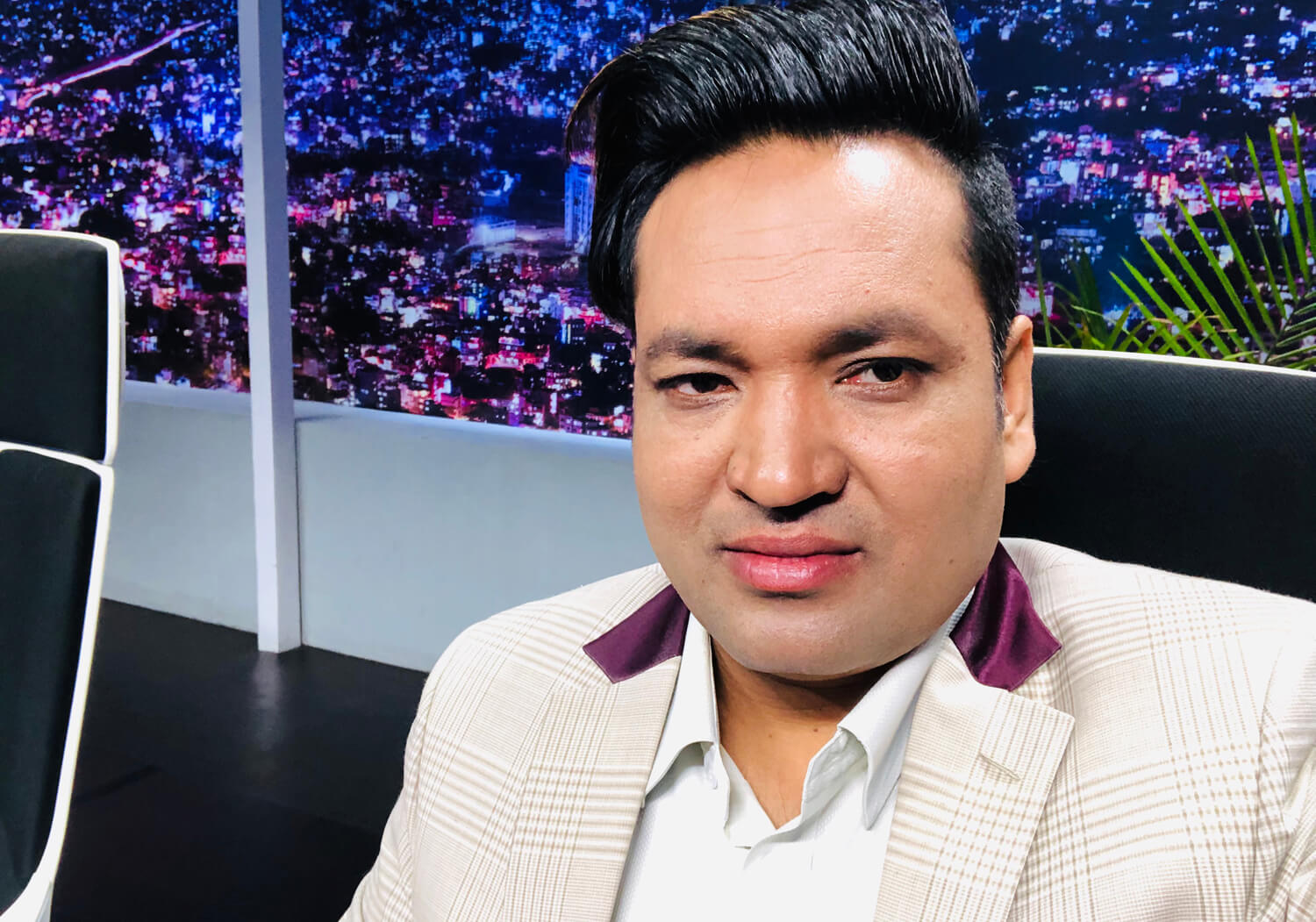
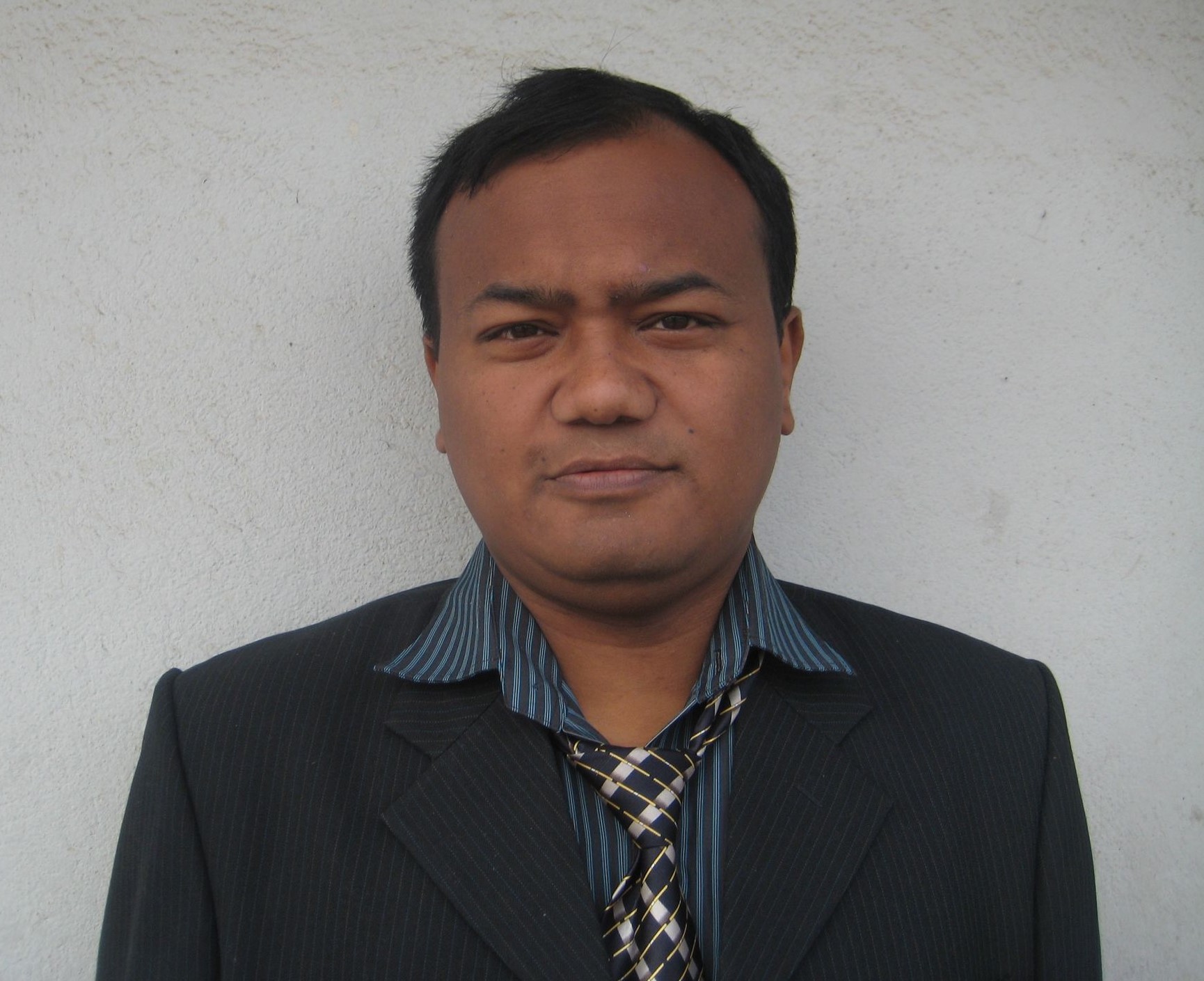
Yash Kumar, singer
Yash Kumar’s father was a Brahmin and his mother a Dalit. When he was 10 years old his parents brought him to Kathmandu from Sarlahi. He did not have to face racism while in the Tarai because he was quite young, and he was not discriminated against in Kathmandu because he had a Brahmin surname. However, when he was making his citizenship papers, he added ‘Pariyar’ to his formal name.
It was after he became a well-known singer and famous for a hit song about untouchability that Yash Kumar started really feeling societal discrimination. A sister of his best friend with the Brahmin surname ‘Acharya’ was getting married, and he came over to give Yash Kumar an invitation card to the wedding. But he said the invitation was just for formality, and that he should not come to the reception.
“He told me he did not believe in untouchability but his parents did not want his Dalit friend to attend the wedding,” he recalls. “It was like something pierced my heart.”
Yash Kumar relates many other incidents where he faced ostracisation because of his caste. He would even hear friends cast derogatory remarks about Dalits either because they did not know he was one, or because they thought he was out of earshot.
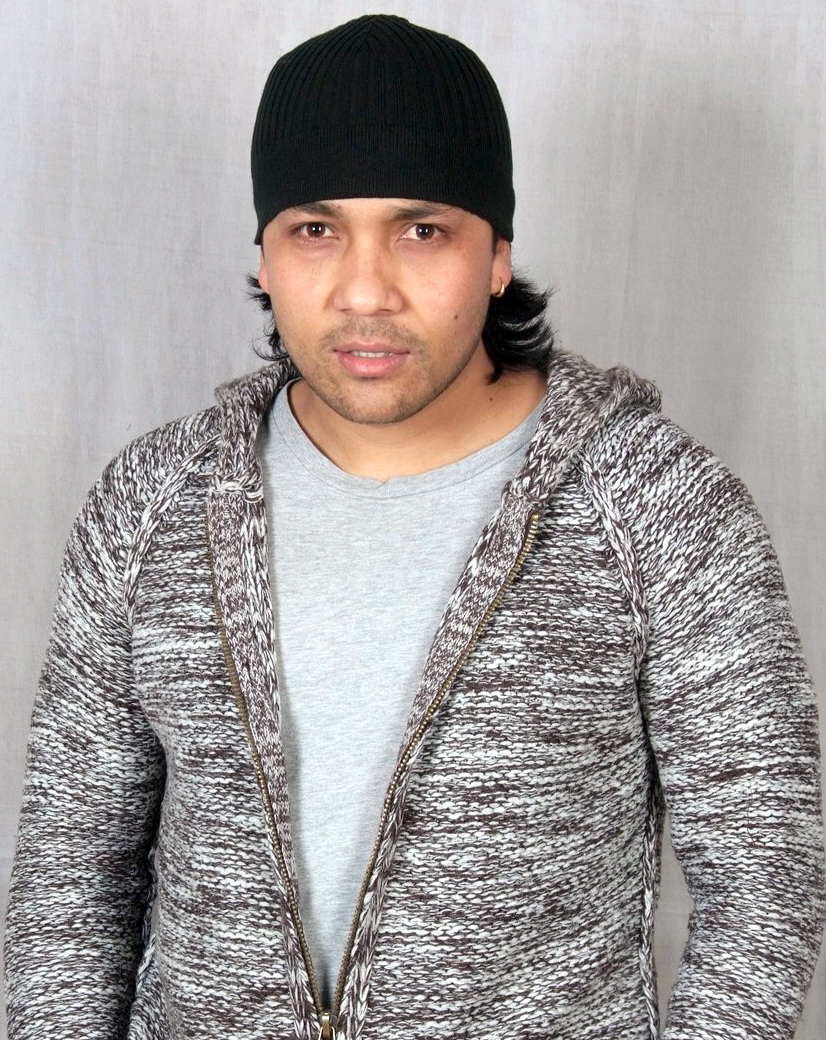
One well-known film actress once confided to him: “You are different from other Dalits in the way your think and speak. You must be mixed.”
Yash Kumar says he reacts immediately when someone mistreats him because he is a Dalit, but it is more difficult when the discrimination is subtle. “I feel really sad that there is such behaviour in a city where there are supposed to be educated and conscious people,” he adds.
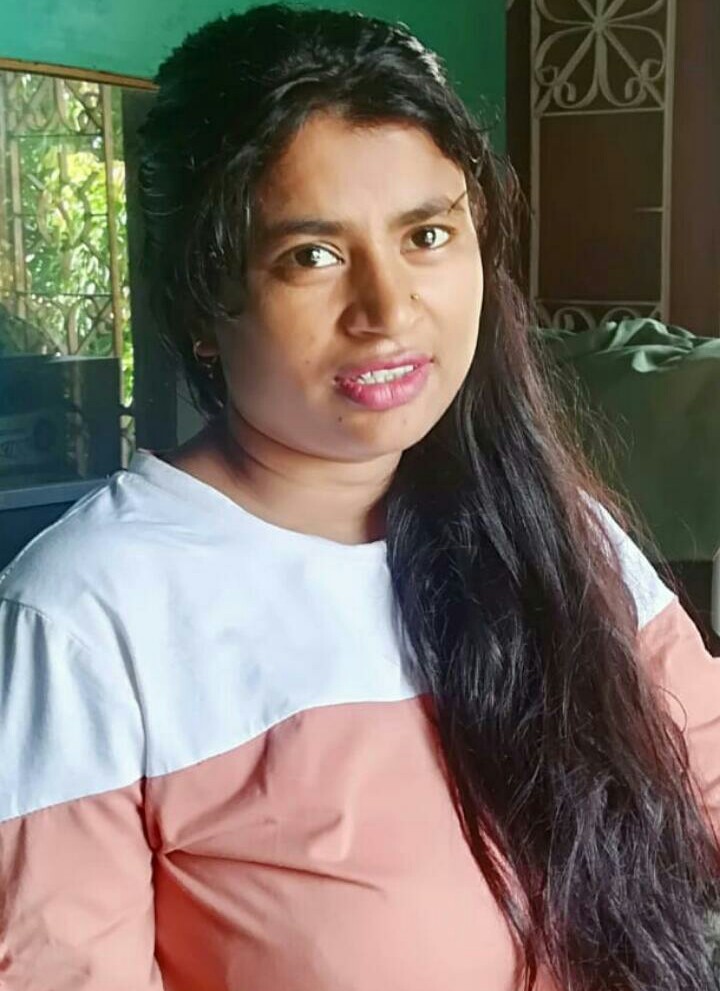
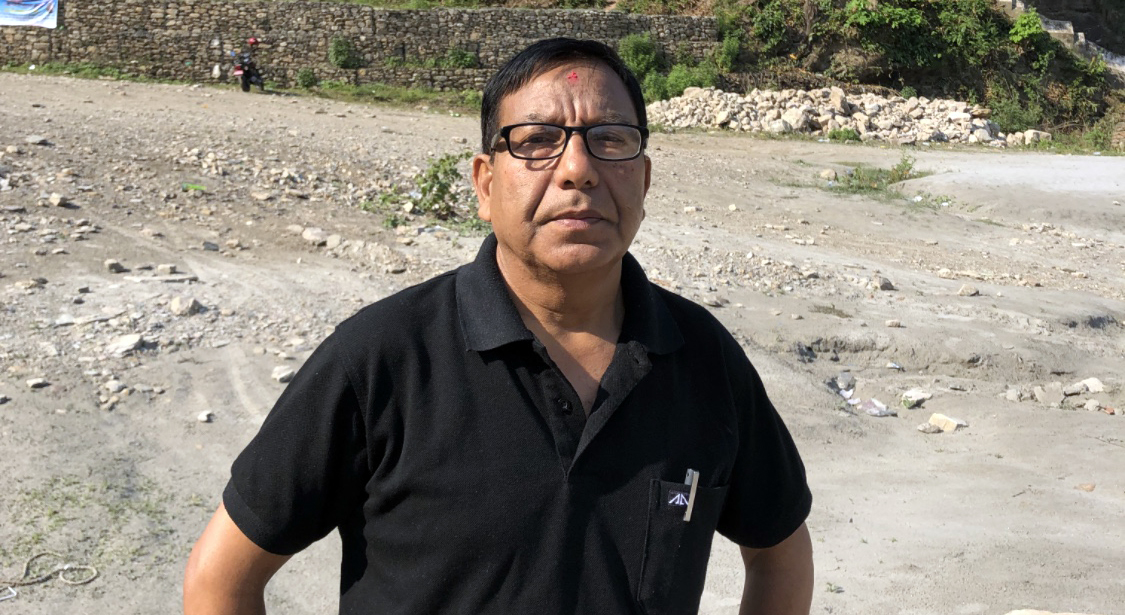
Rekha Pariyar, student leader
Unlike other Dalits who face direct and indirect prejudice, Rekha Pariyar has been physically assaulted because of her caste. After her family moved to Kathmandu from Chitwan, and started being treated differently by the neighbours. They could not draw water from the community tap, and were not allowed into the corner tea shop.
Rekha’s father and brother had a tailor shop. In 2012, they brought a sewing machine and other equipment in a rented pickup, but the driver asked for money more than was agreed upon. An altercation ensued, and the neighbours beat up members of her family, hurling racist slurs against them.
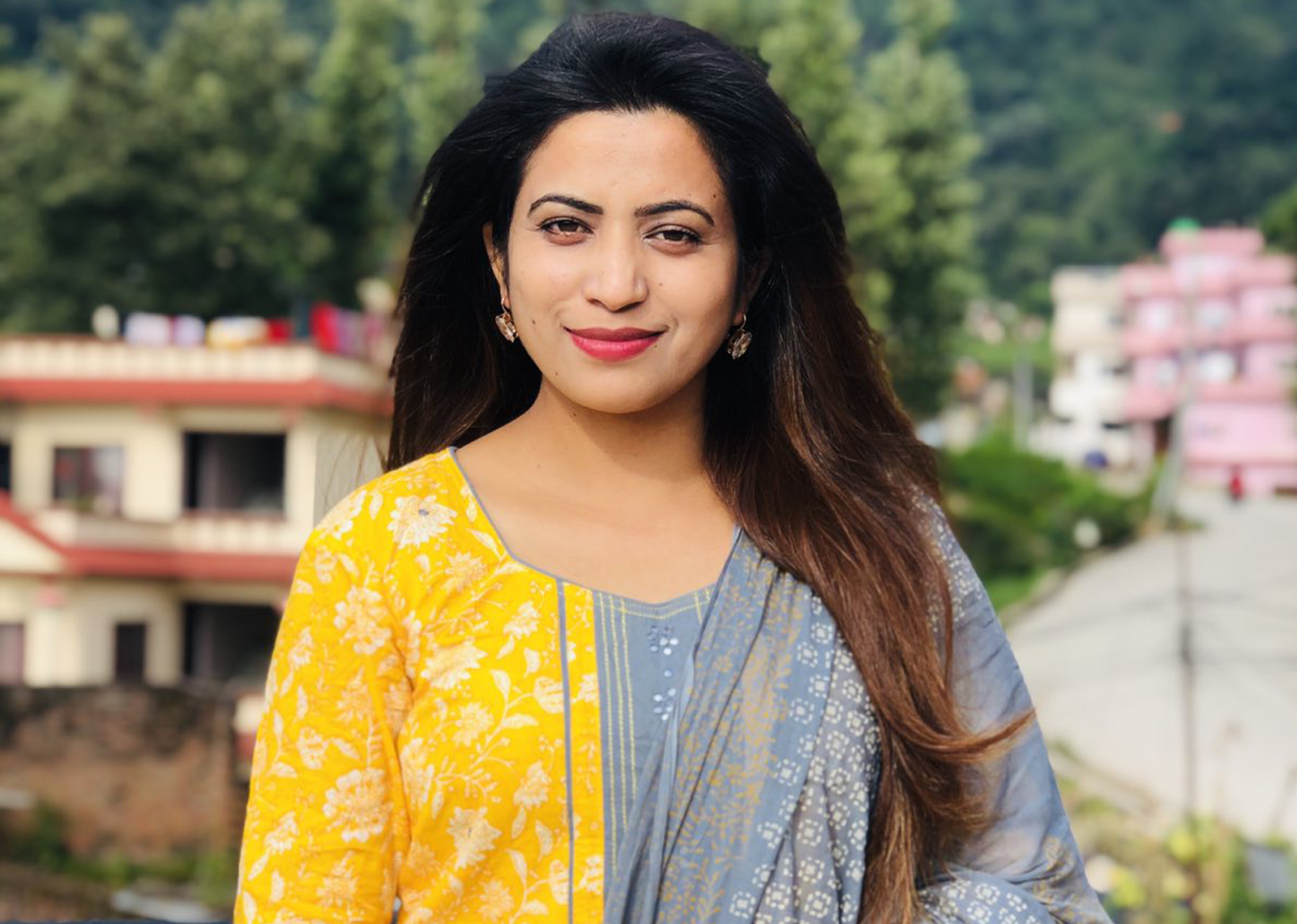
It took a long time for the police to arrive at the scene, and they took Rekha and her injured family members to hospital where her father and mother had to spend three weeks. Police in Maharajganj refused to accept her complaint. Only after appealing to Prime Minister Sushil Koirala did the police register the case, but even though this became a high profile media story, the perpetrators were never caught.
Rekha Pariyar rose up the ranks of the student union, and used to deliver fiery speeches against caste discrimination. But her political colleagues would not eat with her, even though they travelled and did everything together.
She says: “It is even more difficult to fight discrimination when it is so entrenched in supposedly better educated people in the cities.”
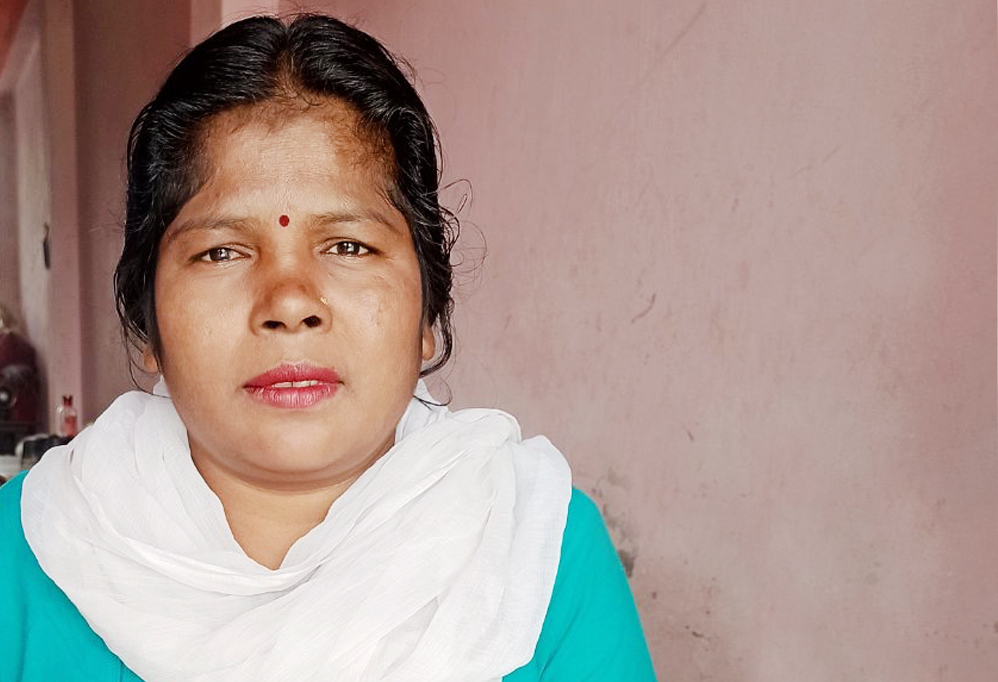
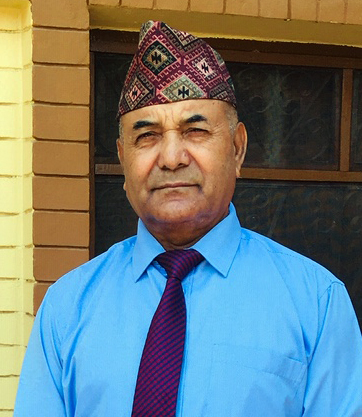
B B Anuragi, singer
Born in Baglung, BB Anuragi was at the receiving end of racial discrimination. But when he came to college in Pokhara, the ostracisation got much worse. He got into an argument and a fist-fight when fellow students wanted to keep him out of the student dormitory. But after that he could not rent a room anywhere. He finally found a room with two other friends, but he had to move out when their parents were visiting.
He started singing at a local gazal restaurant, but had to move multiple times when landlords cut off his water supply or harassed him when they found out that he was a Dalit. There was a Newa landlady who had a room, and he told her he was a Dalit. But her reply surprised him: “It does not matter to me what caste you are as long as you are a decent person.” She was an exception.
In 2003, Anuragi moved to Kathmandu, but here the discrimination was of a different nature than Pokhara. “In Kathmandu people did not bring up caste directly, but would insinuate things which was difficult to counter,” he says.