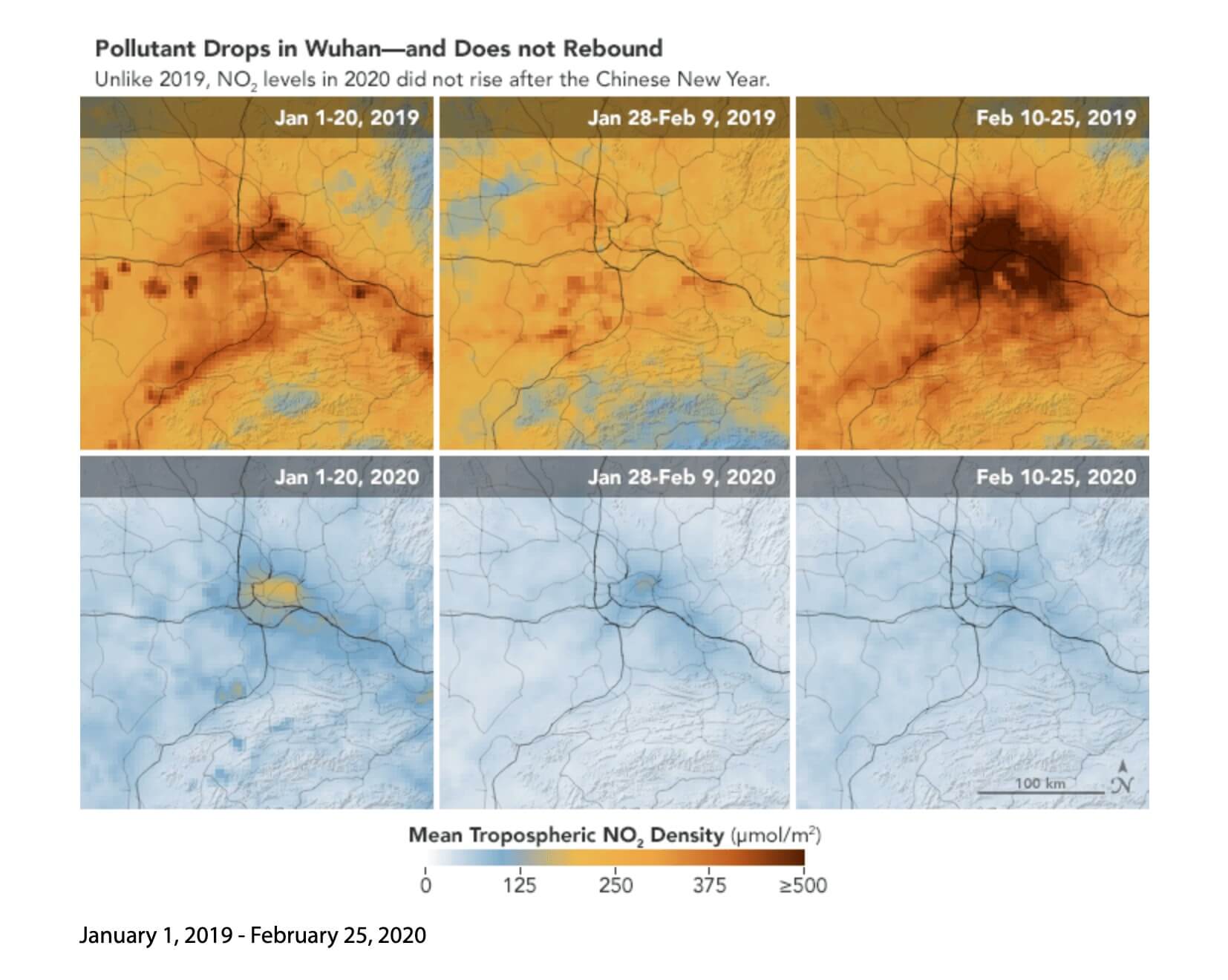
As the COVID-19 pandemic grips the world, some have seen a silver lining in a reported decrease in carbon emissions and pollution levels.
However, as China and other countries in Asia recover from the worst of the epidemic there are worries that air quality improvements will be short-lived as economies struggle to rebuild. Short-term economic growth will be at the expense of long-term environmental benefits, it is feared.
As a first mover in post-COVID-19 recovery, China has the unique opportunity to revive its economy in a way that takes climate change into account, setting a precedent for other countries.
The economic slowdown caused by measures to contain the pandemic has resulted in a direct, positive effect on the environment in China. Satellite images from NASA have shown a dramatic drop in pollution in the past few months, with the Yangtze River Delta region around Shanghai seeing a particularly dramatic reduction in pollution.
By the first week of March, coal use in Chinese power stations hit a four-year low, domestic flights have fallen by up to 70%, output of key steel products was at its lowest in five years, and official statistics suggest that output across key industrial sectors decreased by up to 40%. Overall, scientists have found that the measures to contain COVID-19 cut at least a quarter of China’s greenhouse gas emissions in just two weeks in mid-February.
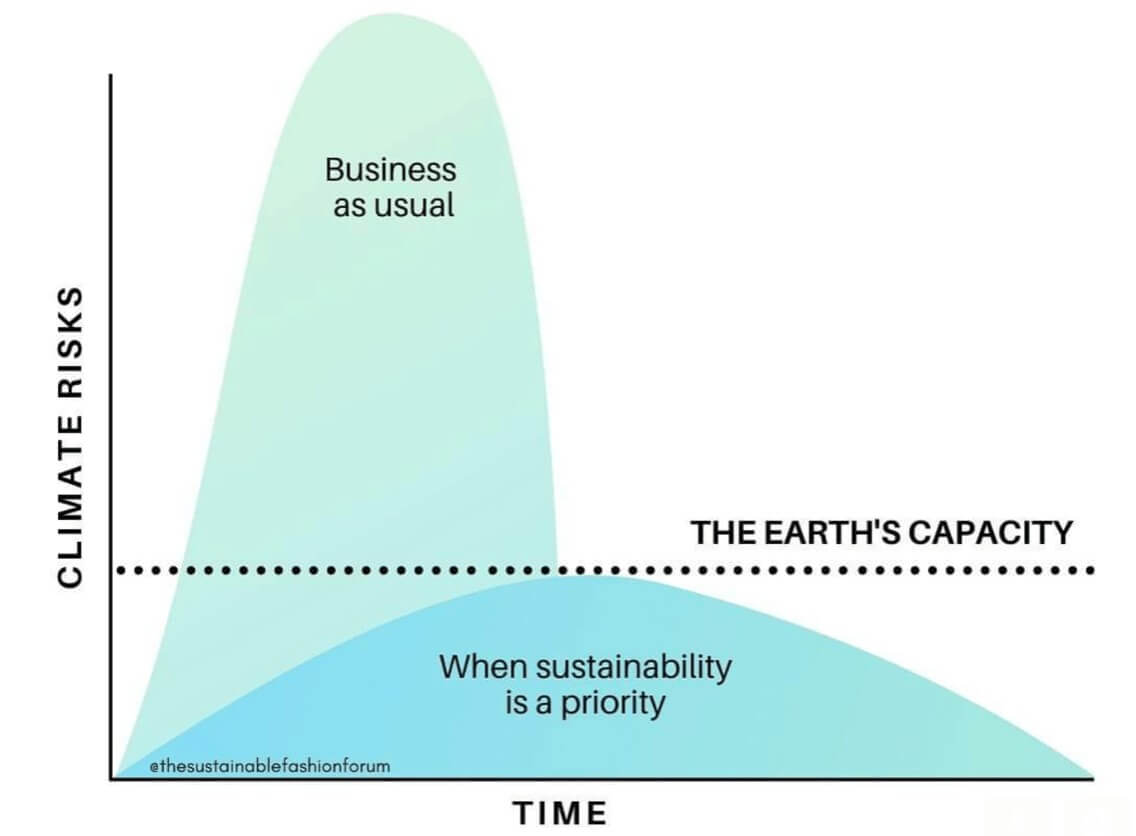
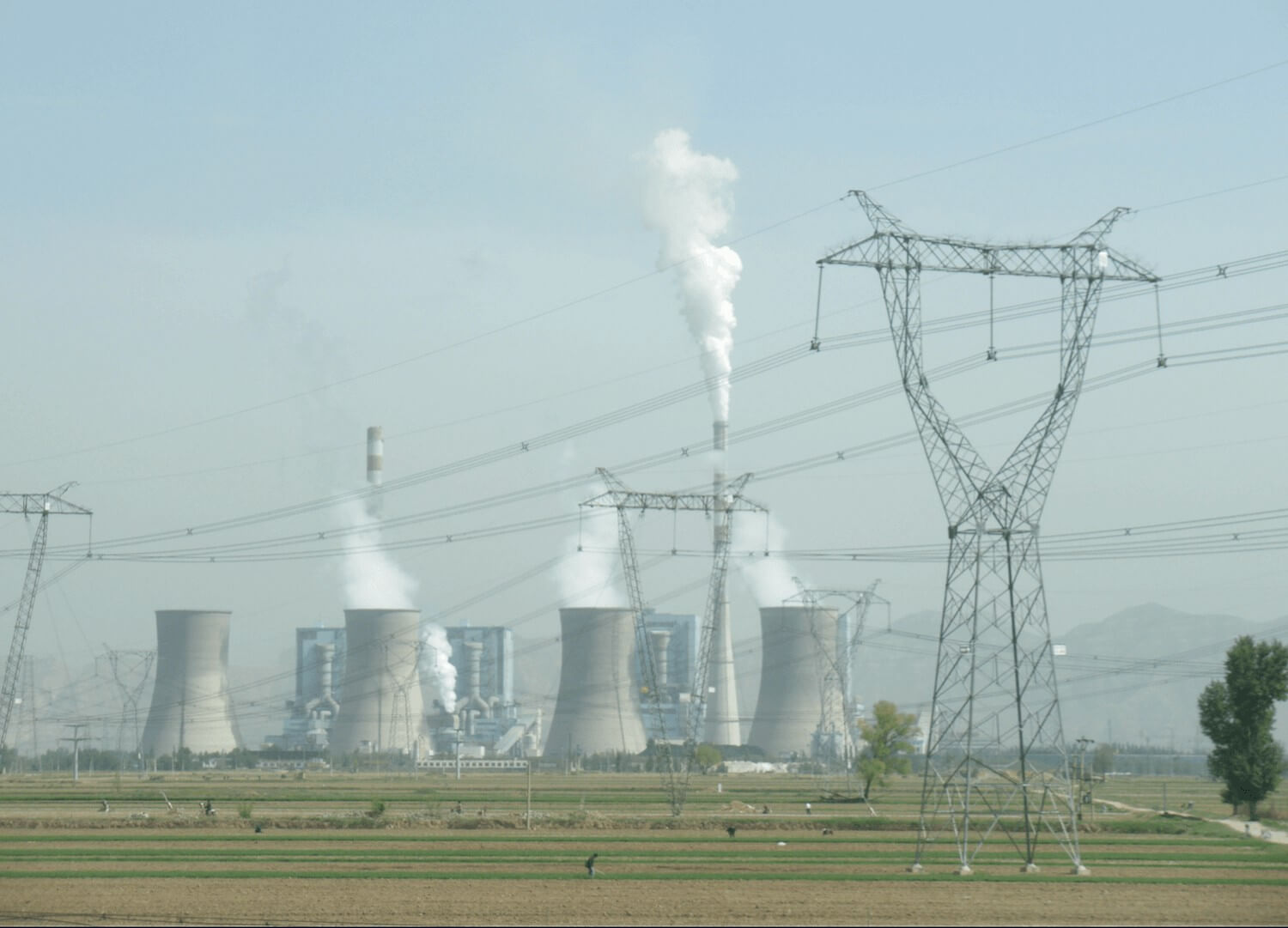
There was hope that the virus would prove to be a wakeup call for Chinese policymakers. However, China’s National Energy Administration (NEA) slashed solar and offshore wind subsidies by half, regulators seem to be considering relaxing some emissions standards to support the hard hit automobile sector, and the government is working on approving 23 GW of new coal fired power capacity. China was already on this path even before the COVID-19 outbreak, with some suggesting that coal power would give China the edge in its trade war with the US.
If China indeed rolls back its low-carbon transition, the consequences will have global impact. The nation is considered to be the flag bearer of international climate policy, since the US withdrawal from the 2015 Paris Agreement.
The international climate movement is already shaky and US elections later this year will be pivotal in understanding the future of American engagement in global agreements on emission cuts. The US Environmental Protection Agency (EPA) has just drastically relaxed rules removing liabilities for polluters for an undetermined period during the COVID-19 outbreak.