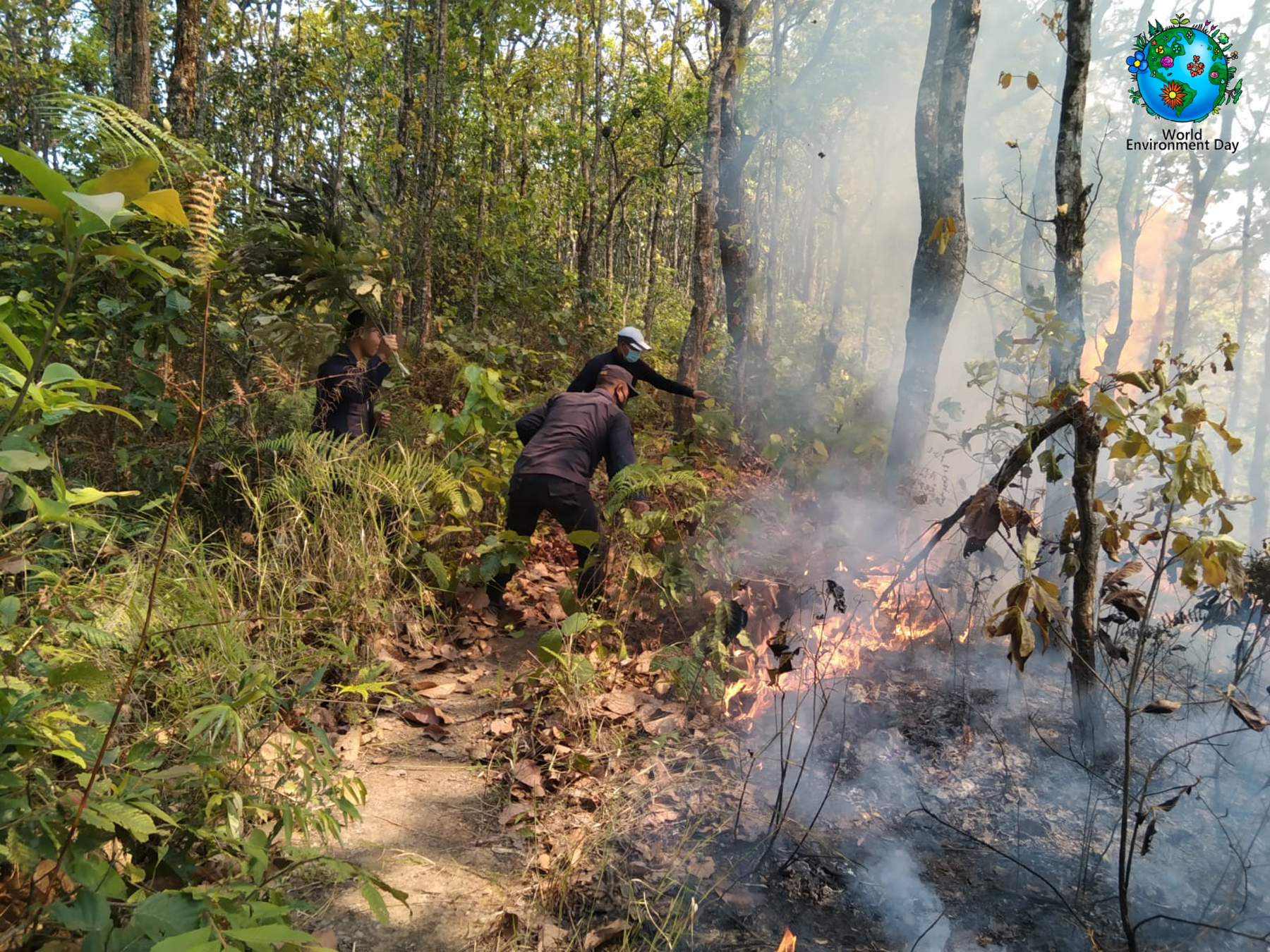
With forests covering 43% of the country’s territory, Nepal’s dry season from February to June sees multiple wildfire emergencies that consume human lives, destroy ecosystems, displace wildlife, and wipe out homes and crops.
To be sure, not all wildfires are to be feared. They are a regular natural phenomenon on every continent of the world except Antarctica. They can even help regenerate ecosystems.
What we see today, however, is more humans living closer to forests than in the past and increasing the chance that a fire might break out through negligence, accidents and land clearance.
There is also more potential fuel on forest floors – dead wood and undergrowth, caused by more protracted and frequent heatwaves and droughts that dry out forests.
Together, it makes for a deadly combination. Indeed, in the dry season, the forests of Nepal are covered in thick carpets of dry leaves and branches ready to turn into tinderboxes. A single mishap can ignite a catastrophe.
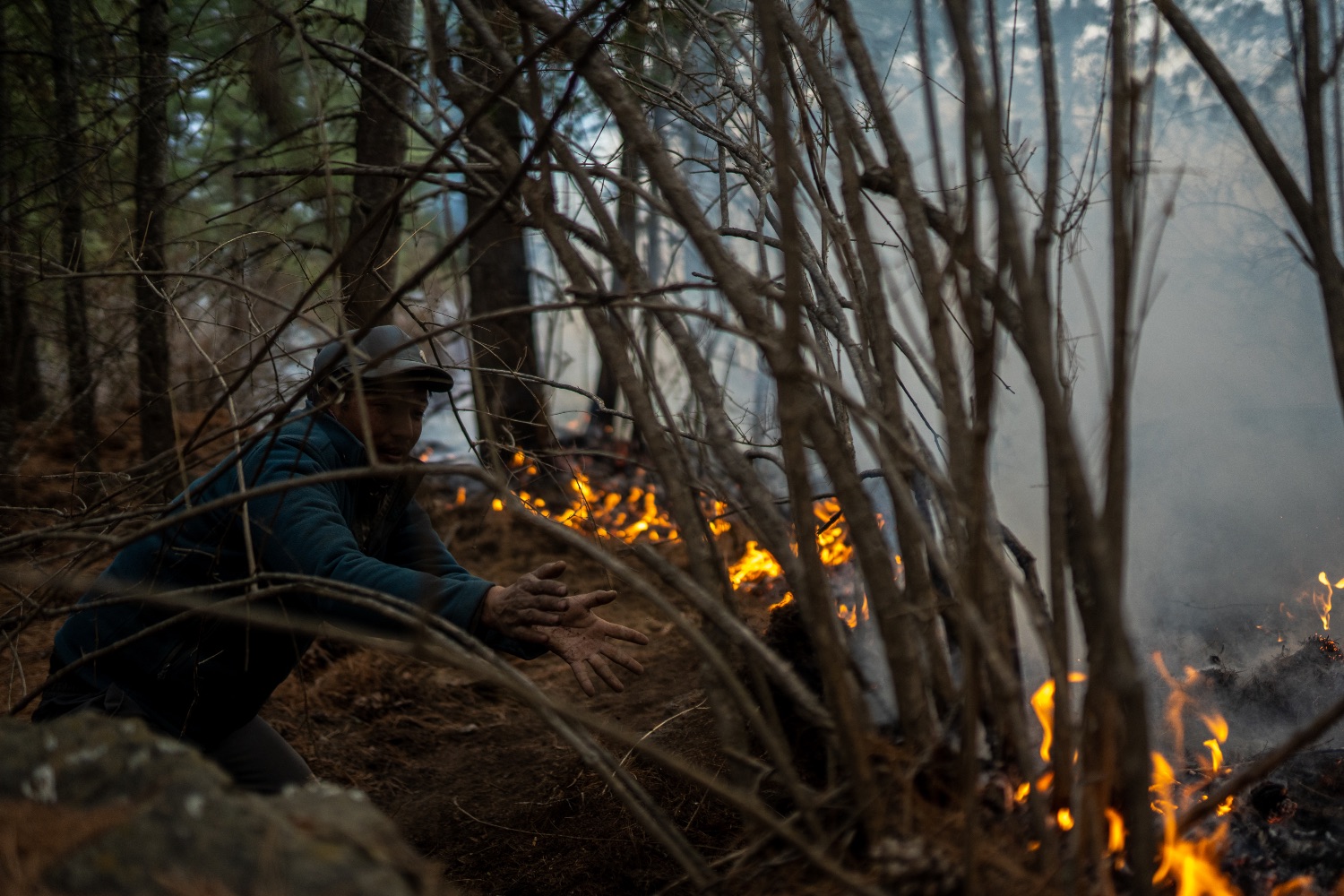
Putting out wildfires once they break out is costly and time-consuming. A far more effective solution is prevention, which can even offer added financial benefits.
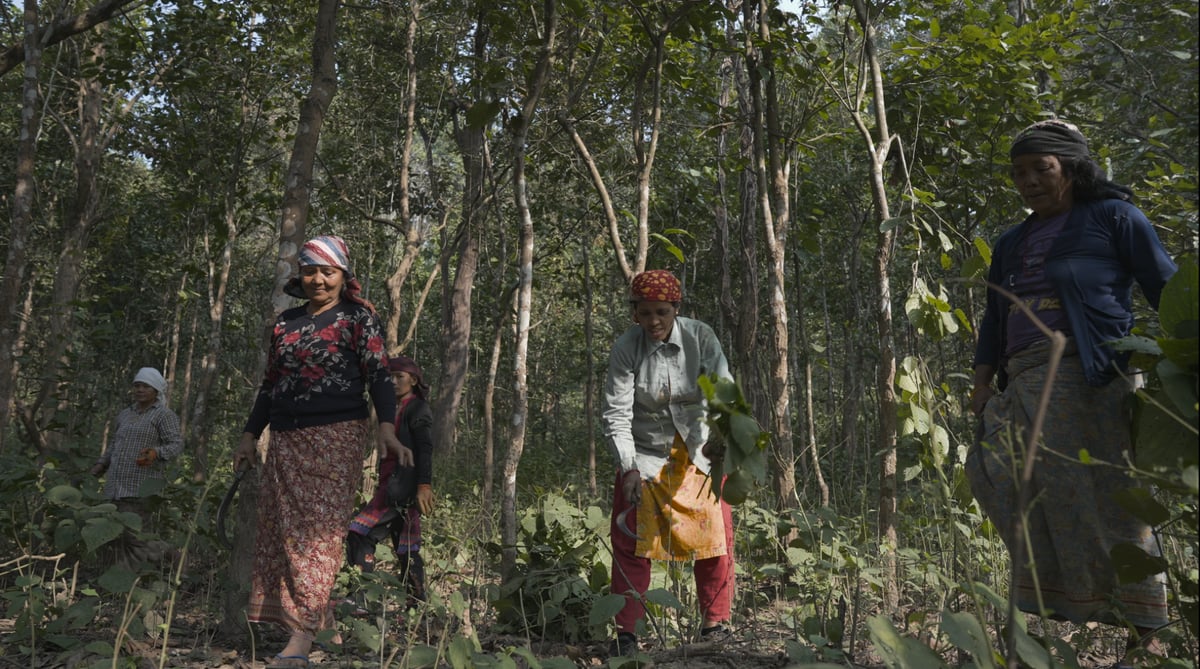
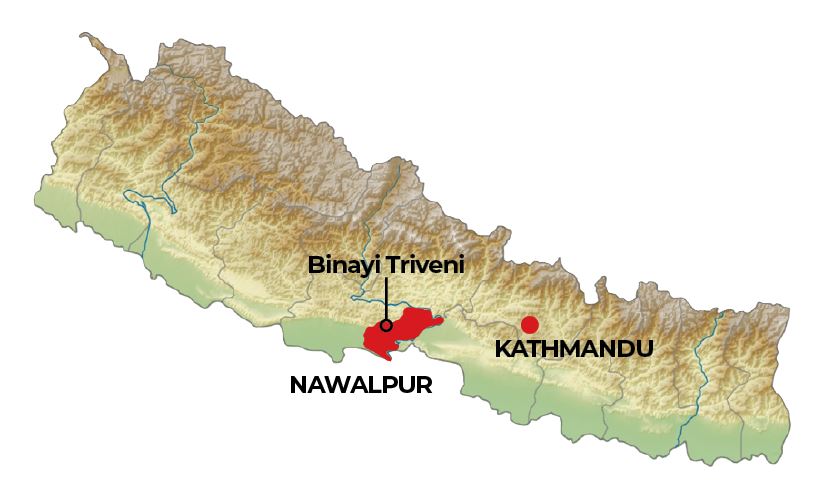
In the municipality of Binayi Triveni, Nawalpur district, in the southwest of the country, a remarkable group of 20 local women has been showing what innovation and tenacity can achieve. They saw an opportunity in mobilising and collecting the forest litter, which consists of fallen leaves, bark, and sticks, all in accordance with technical guidance and monitoring to ensure no harm to the ecosystem. The collected materials are in turn transformed into organic compost.
This business currently produces 60,000 kilograms of nutrient-rich bio-fertiliser each year and employs 400 people from the community. Local farmers using this natural fertiliser report more productive harvests, and government-run nurseries buy the compost to support reforestation projects.
The initiative also contributed to a 70 percent reduction in the municipality’s forest fires last year.
As the Binayi Community Forest User Group, the women do not simply demonstrate their desire to upskill and connect to the forest landscape. They have gained financial independence and elevated their status within their homes and communities. They are now decision-makers, entrepreneurs, and role models. Far from just an isolated success story, this is a solution that addresses multiple urgent global challenges: climate change, wildfire, soil degradation, food insecurity and gender inequality.