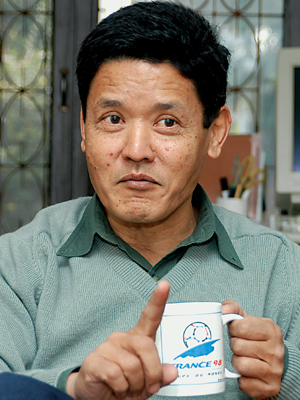
It must be a cosmic confluence that just as the world leaders gather in Glasgow next week to try to save the planet, we in Nepal mark the tragic death 10 years ago of conservation visionary Pralad Yonzon.
Yonzon used to commute to work on his bicycle, and on 31 October 2011, as he was pedalling home from office along the Ring Road in Balkhu, a truck rammed into him.
This was an enormous loss for Nepal and the country’s conservation community, adding to the dreadful void left by the deaths of Harka Gurung, Chandra Gurung, Mingma Sherpa, Tirthaman Maskey and many other conservation pioneers of Nepal in the Ghunsa helicopter crash of September 2006.
Not only was Yonzon a brilliant and dedicated scientist, he was also a source of inspiration for the many youth whom he mentored. He was a passionate environmentalist and practiced what he preached – using a bicycle for his daily commute.
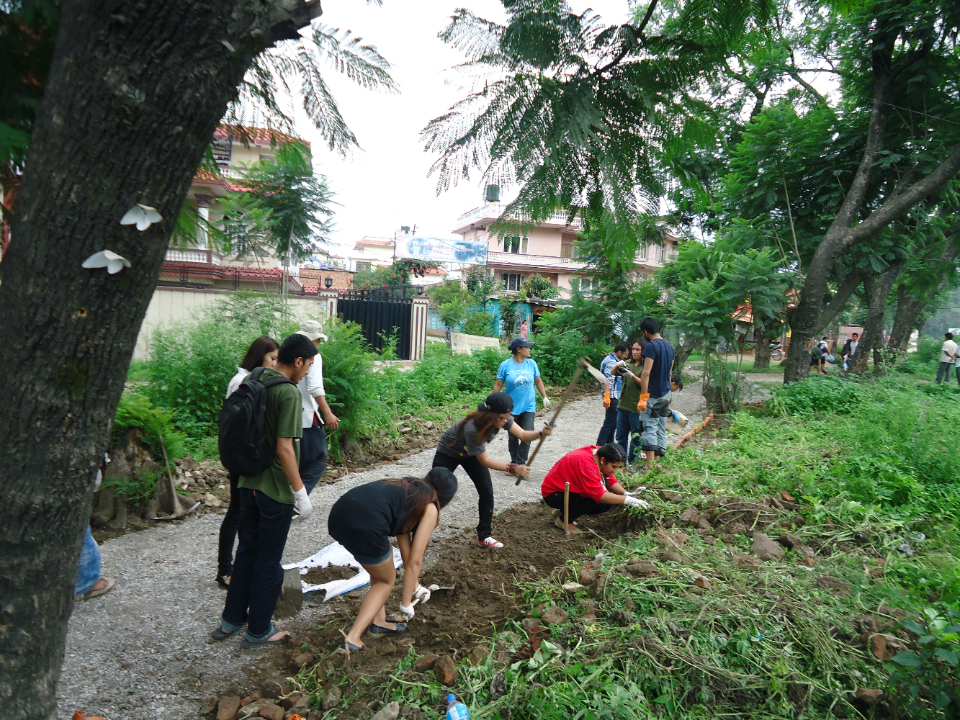
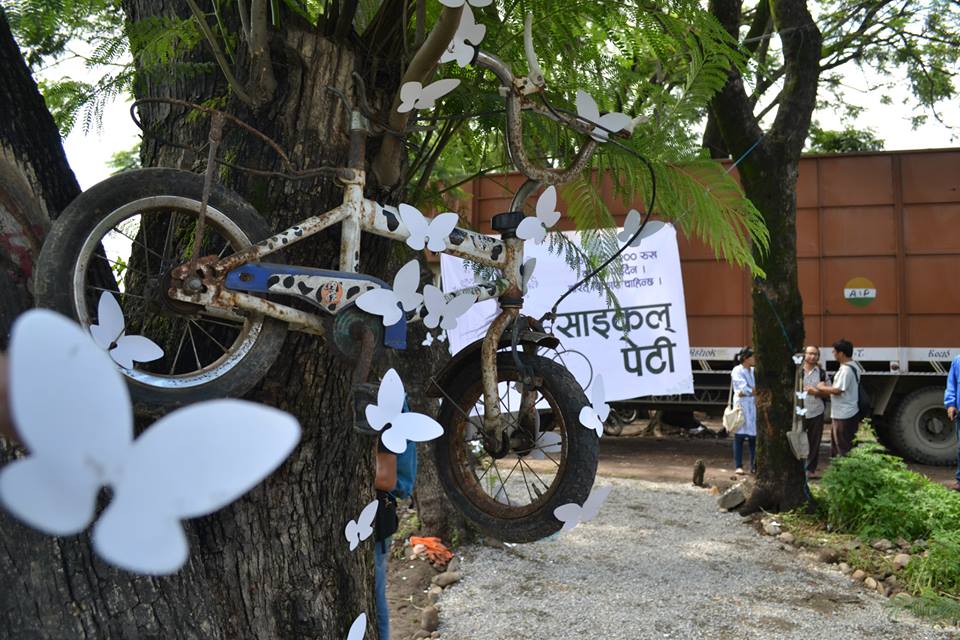
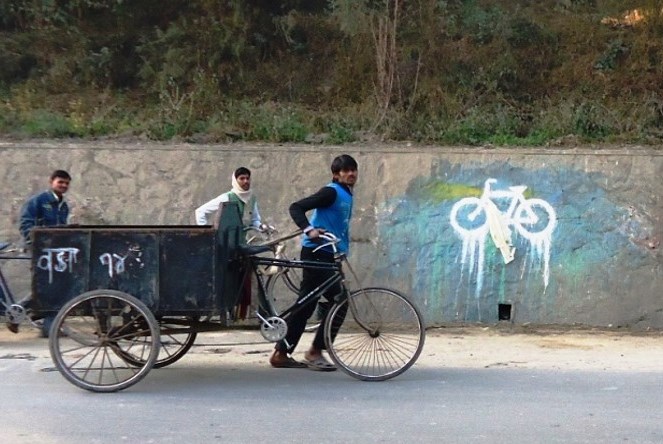
After his death, road safety activists and cycling enthusiasts have been campaigning for cycle lanes along the Ring Road. They painted murals dedicated to Pralad Yonzan on the spot where he lost his life, built a model cycle lane and organised numerous interaction programs and meetings with officials. But so far, nothing has come of it.
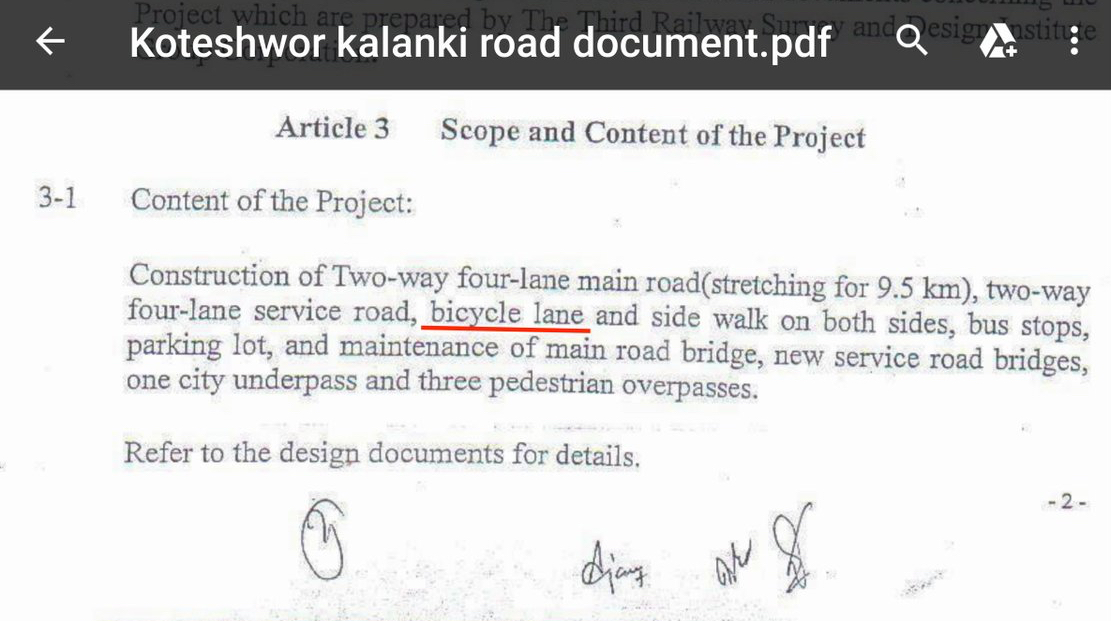
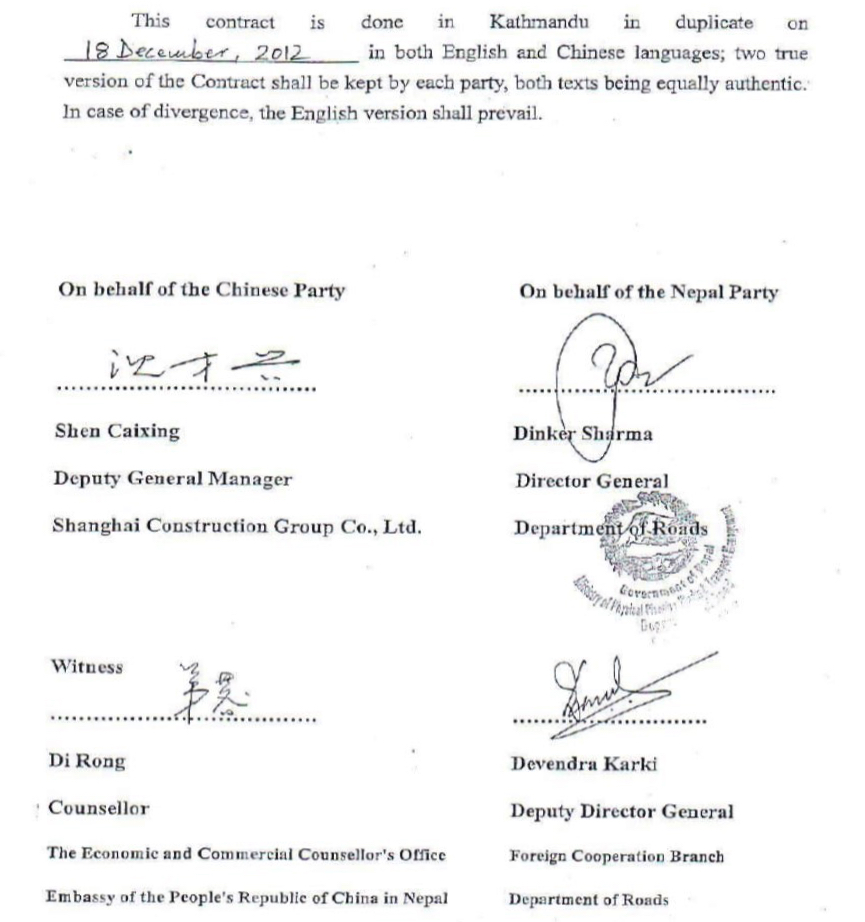
Sure, promises have been made and studies have been done. Even the contract agreement signed on 18 December 2012 between the Nepal government and Shanghai Construction Group, the Chinese company responsible for the expansion of the Koteswor-Kalanki section included provisions for a bicycle lane on both sides of the Ring Road.
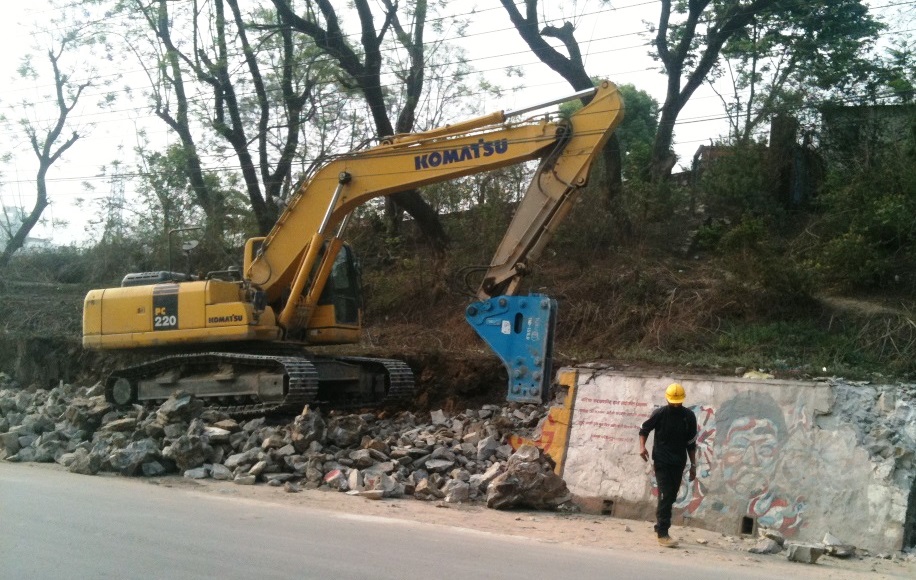
However, when the road was expanded from 2 lanes to 8 lanes, all the lanes were devoted to cars. There was no bicycle lane, and even footpaths are missing at many locations. As a result, the Ring Road continues to be a death trap where many other cyclists have been killed since Pralad Yonzon lost his life.
“Expanding the Ring Road without a cycle lane was a mistake,” admitted Tulasi Sitaula, former secretary at the Ministry of Physical Planning and Secretary at an interaction program.
Many other former government officials and transport experts also agree that Ring Road has not been designed properly. But no one dared to make any changes to it or to ask the Chinese to change the design.
The Mayor of Lalitpur Chiri Babu Shreshtha, for example, has designated bicycle lanes in the city, and wanted to extend them to the Ring Road. He has even put it in his city’s annual program, and allocated budget for this purpose. But the Department of Roads is not allowing him to touch the Ring Road.
I live across Ring Road in Kirtipur and I used to ride my bicycle to office along the same stretch of Ring Road where Pralad Yonzon was killed. But now my wife does not allow me to ride my bicycle along the expanded Ring Road. She says it is just not safe, and I agree with her.
Even though I have been riding a bicycle for over 40 years in Kathmandu, I do not feel it is safe anymore. I have a bicycle at home and another one at office so that I can ride on either side of Ring Road in Kirtipur and Lalitpur but not from Kirtipur to Lalitpur.